Wireframing

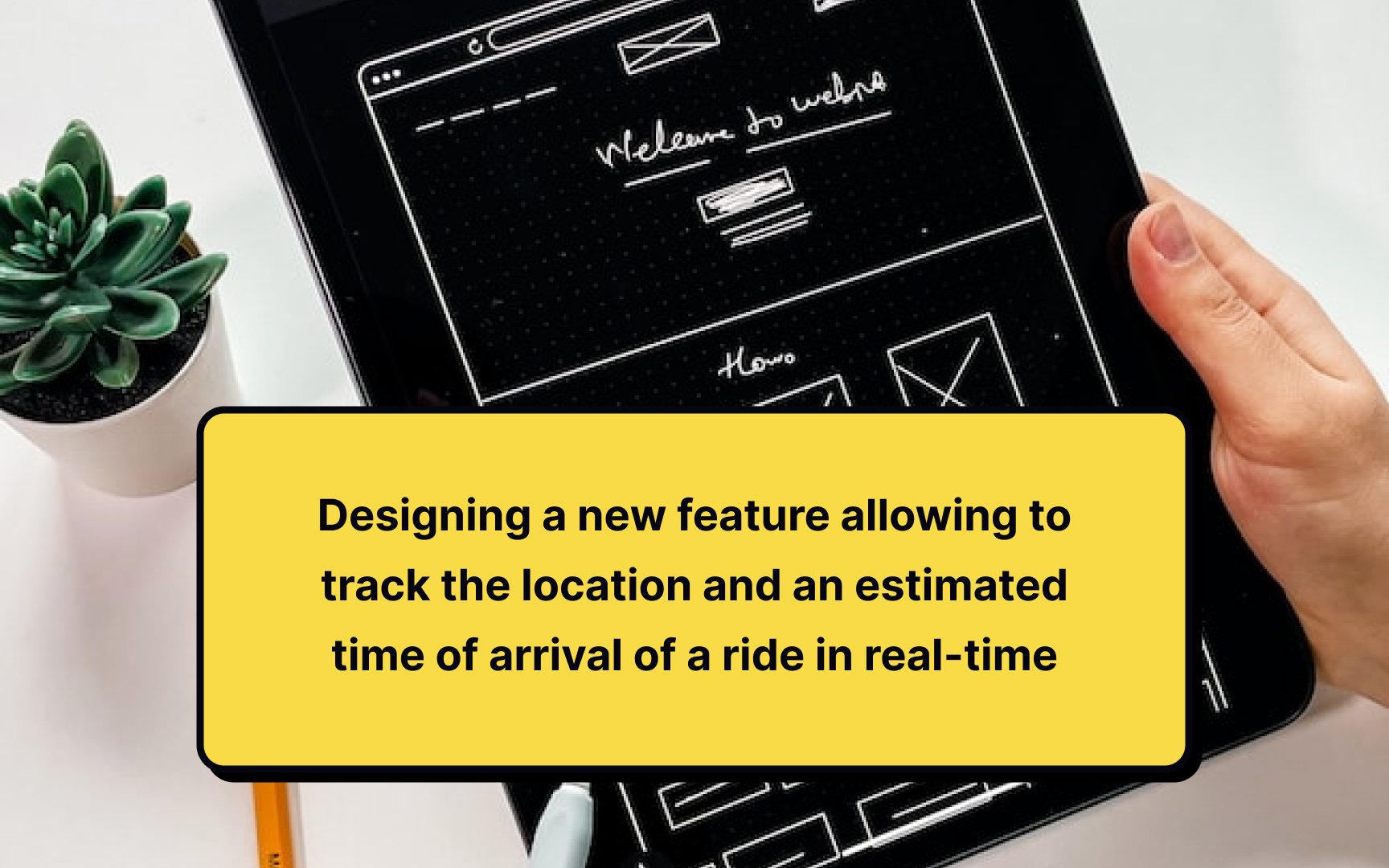
Wireframing is used in service design to create a structural layout and outline the key elements and functionalities of a service. It involves creating sketches or digital mockups that focus on the arrangement of content, navigation, and interaction patterns without diving into detailed visual design aspects.
Imagine a team working on a new e-commerce website. They want to design a streamlined checkout process to enhance the user experience. To start, they create wireframes to outline the key steps and elements of the checkout flow. Using a wireframing tool like Figma or Balsamiq or simply by sketching on paper, the team creates simplified representations of the website's pages.
They focus on essential elements such as product listings, shopping carts, shipping information, payment options, and order confirmation. The wireframes consist of basic shapes, placeholder text, and icons without any elaborate visual design elements. They emphasize the structure, placement, and hierarchy of the different components on each page and the interactions required to complete the checkout process.
The team can then share the wireframes with stakeholders to gather feedback and validate the proposed design. The team can then make necessary revisions before proceeding to high-fidelity prototyping or implementation.