Interpreting design specifications
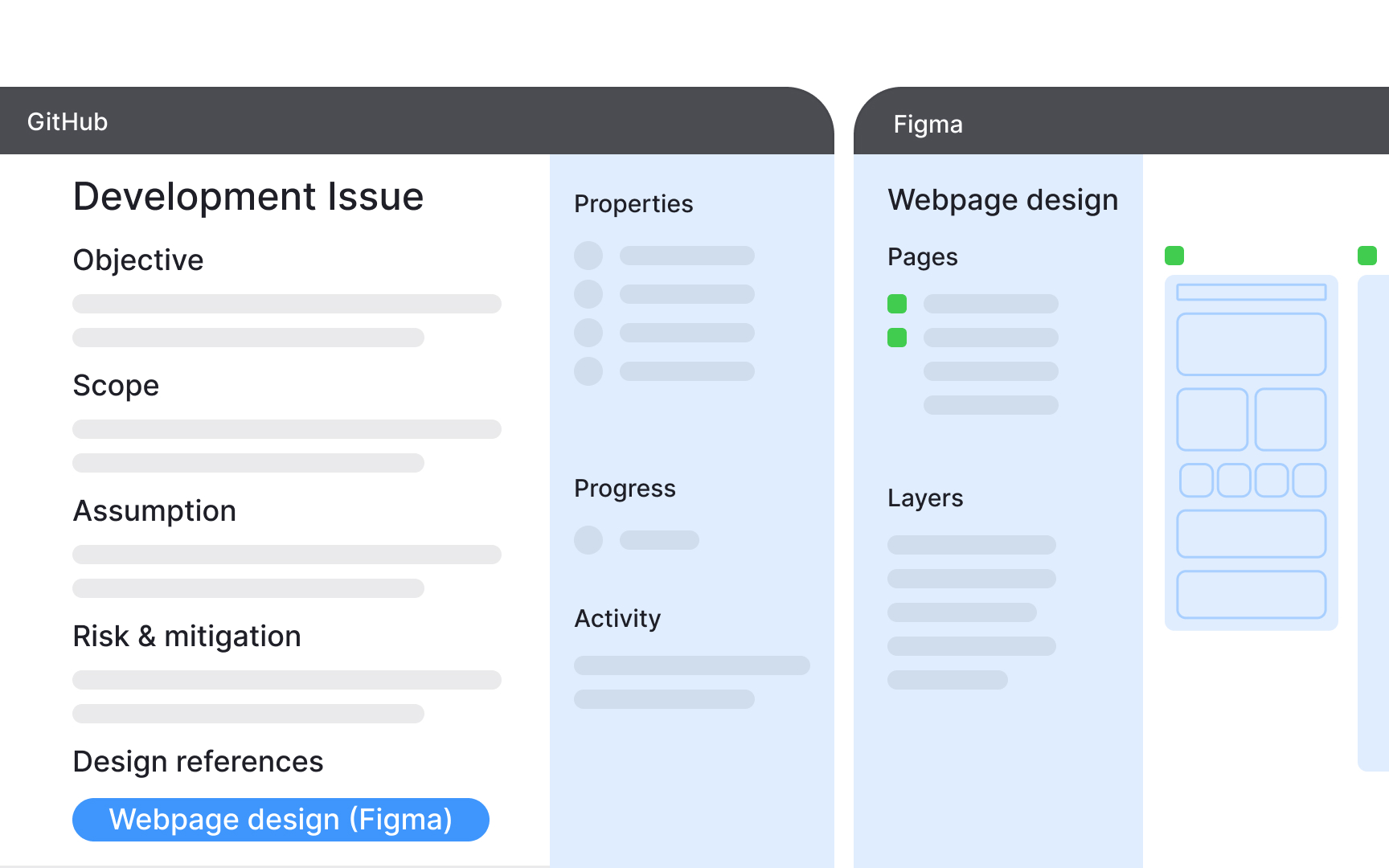
Design specifications describe how a product should look and behave in detail, ensuring designers and developers share the same understanding of every element. They translate visual concepts into measurable design properties, bridging creativity and implementation.
A design specification usually combines two elements: a design file (often created in tools like Figma) and a development issue that provides additional context. The design file defines colors, typography, grid systems, and components, while the development issue clarifies goals, functionality, and any constraints. For example, a design spec for a mobile checkout flow might include button states, spacing between fields, animation speed, and accessibility notes like focus order or alt text for icons.
By standardizing these details, design specifications prevent inconsistencies and misinterpretation. They also help developers anticipate edge cases, like how a layout behaves on smaller screens or what happens when error messages appear. Good specs save time by making design updates visible and traceable across tools and teams.[1]