

Introduction
For the purpose of this Uxcel challenge, I designed 10 mobile wireframes and 10 high-fidelity mobile screens using UXPilot (including the ones for dark mode, too).
I chose LinkedIn as my favorite app, since I use it daily and appreciate its professional networking value.
The goal was to recreate the app’s core user experience through its most essential screens, focusing on usability, consistency, and visual clarity.
__________________________________________________________________________
The screens
Onboarding / Login / Signup – Welcomes users and provides login and registration options.
Home Feed – Displays posts, updates from connections, and main navigation elements.
Search / Discover – Enables users to search for people, jobs, and companies with advanced filters.

Profile – Shows personal information, experience, education, and skills, with an edit option.
Connections / Network – Displays connection requests, suggestions, and the user’s network list.
Messaging – Includes chat lists and conversation views with a message input field.
Notifications – Displays activity alerts with read/unread status.

Job Listings – Contains job cards, search, filters, and save/apply options.
Company Pages – Shows company details, posts, and a follow option.
Settings – Covers account management, privacy preferences, and logout options.

__________________________________________________________________________
User persona
I created a persona that represents a typical professional user. Sarah Johnson Carter, a 34-year-old marketing specialist, captures the goals and habits of people who use LinkedIn to connect with others, grow their careers, and stay informed about their industry.

__________________________________________________________________________
Heatmap
To better understand how users interact with key screens, I conducted a heatmap analysis on the Job Listings and a Company Page screen. The goal was to see where users focus their attention, which elements draw the most clicks, and how intuitive the layout feels for exploring jobs and company information.


__________________________________________________________________________
AI Prompts
For this project, I created 10 mobile wireframes and 10 high-fidelity mobile screens using UXPilot. Additionally, I designed a dark mode version by reusing the high-fidelity prompts and specifying a dark theme variation, ensuring visual consistency across both light and dark interfaces.


Final Word
Working on this project was a really enjoyable and inspiring experience, mainly thanks to UXPilot, which completely transformed my design process. Using AI to create wireframes and then high-fidelity screens helped me to quickly produce consistent, high-quality screens that accurately captured the feel of LinkedIn. What would normally take several days I managed to do in just a few hours, and the whole process felt smooth and creative.
My workflow included three main stages:
- Wireframe phase – defining structure, layout, and user flow.
- High-fidelity phase – refining visuals, colors, typography, and overall professional tone inspired by LinkedIn.
- Dark mode iteration – improving readability and testing the dark interface.
_________________________________________________________________________
Challenges
The hardest part was keeping the design consistent across all ten screens while still making it look unique and personal. Another challenge was finding the right way to phrase AI prompts, since even small changes in wording could completely alter the results.
_________________________________________________________________________
Key Learnings
Through this project, I learned how essential clear communication with AI is, and how much a well-crafted prompt can speed up the design process. I also learned that AI should not replace designers but rather support creativity and help ideas come to life faster. UXPilot made the whole process enjoyable, efficient, and much more fun than I expected.
Tools used
From brief

Topics
Share
Reviews
3 reviews
Good start @Antonija your LinkedIn redesign capture a clean, professional flow with consistent blue branding, intuitive navigation, and well placed elements like profiles and feeds that make networking feel seamless and modern.
However, some screens could trim clutter for better mobile-first simplicity, boost accessibility with stronger contrast on icons, and add subtle cues like rounded avatars or high-quality placeholders to match LinkedIn's polished vibe.
Overall, the design has a solid foundation, Nice work @Antonija
Good work Antonija. Your storytelling about the project is clear, easy to read. Thanks for sharing your prompts, and experiences with AI-enhanced design workflow.
Would you think it might be more rewarding to take into consideration about traditional UX design principles while taking AI-assistance on the way.
Great job, thanks.

I can see you've spent quite a bit of time creating a complete LinkedIn case study - from wireframes through hi-fi to dark mode. The project is aesthetically clean and well-documented technically. Personas, heatmaps, AI prompts - there's a careful approach to presentation. But I need to be honest - there are elements here that raise my concerns...
- Lack of thinking evolution - you show wireframes and hi-fi, but I don't see the "why". What decisions did you make between stages? The problem-solving narrative is missing.
- UXPilot as the main tool - I'll be honest: this sounds like "AI did the design, I wrote the prompts". A UX/UI designer should demonstrate their design decisions, iterations, strategic thinking. That's missing here.
- Heatmaps without context - where's the data from? Real tests or assumptions? What insights did you draw and what did you change based on them? Without this, it's speculation, not research.
- Case study vs showcase - this is a presentation of output, not a story about process. LinkedIn is a well-known app - what was your unique angle? What problems did you solve better?
- "What would normally take several days I managed to do in just a few hours" - for someone recruiting a UX/UI designer, this is a problem. Design isn't just about execution speed, it's about research, thinking, iterations, validation.
Overall:
The project shows technical skills, but lacks what separates Junior from Senior: strategic thinking and showing that design is more than just pretty screens. The UX/UI market is looking for decision-makers, not execution machines. This project demonstrates technical skills, but not strategic UX thinking.
You might also like
Pulse — Music Streaming App with Accessible Light & Dark Mode

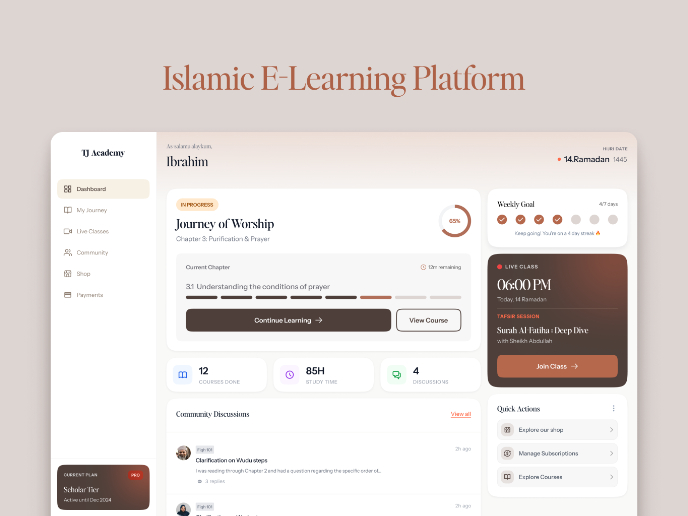
Islamic E-Learning Platfrom Dashboard

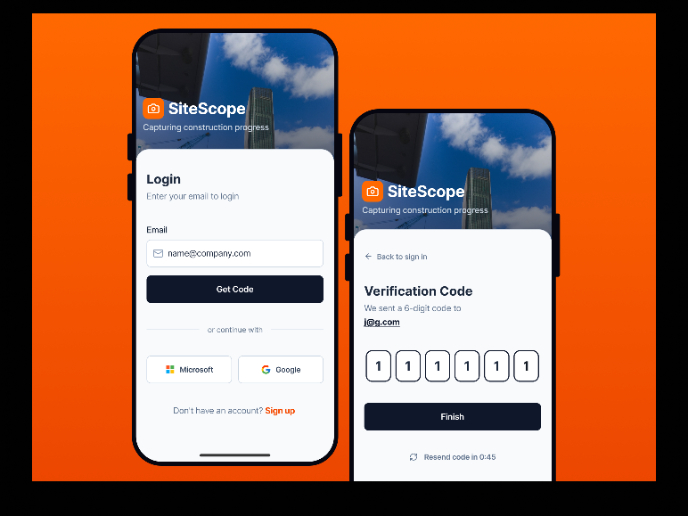
SiteScope - Progress Tracking App

Mobile Button System

FlexPay

May.Da.Ma Candles & more

Product Thinking Courses

Ethical & Responsible Product Design

Product Vision & Strategy

Introduction to Product Management