Building from abstract to concrete
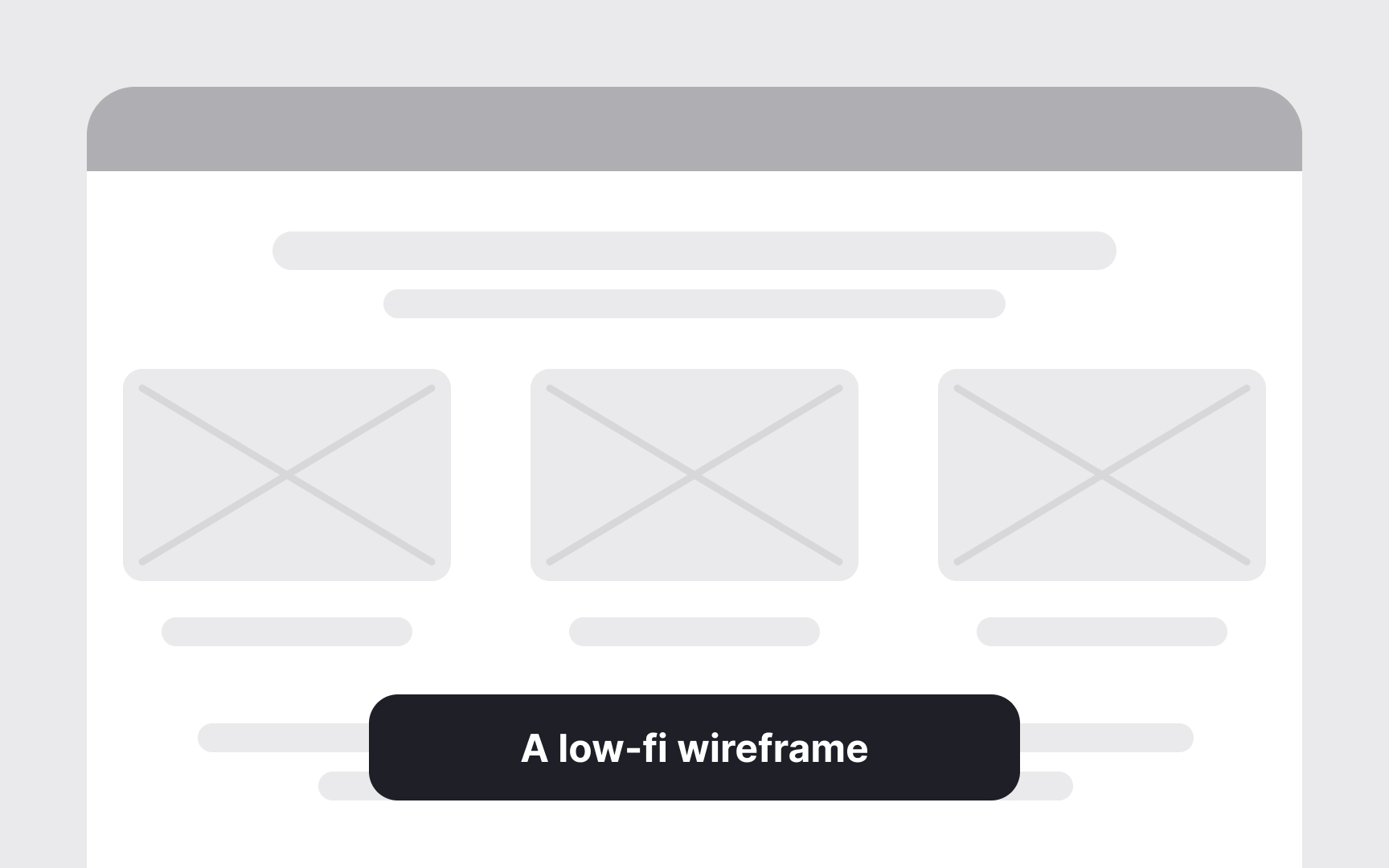
The atomic workflow begins with atoms and molecules, the simplest, context-free parts that define visual language, spacing, and behavior. These early elements are intentionally low in fidelity. Their purpose is not to look finished but to set the foundation, such as typography, color, and structure, that everything else will rely on. Working at this stage is fast and flexible. Teams can test concepts, compare options, and fix issues before they spread across the system.
As components evolve into organisms, templates, and finally pages, the level of fidelity increases. Each layer adds context, content, and interaction, bringing the design closer to reality. This progressive approach allows teams to iterate continuously instead of aiming for one perfect version. They can adjust details as they gain insight, without rebuilding entire screens. Refining a molecule like a search bar, for example, improving its focus state, placeholder text, or button alignment, immediately enhances every page that includes it, from product listings to help centers. This way, a single improvement spreads across the system without requiring separate redesigns. It keeps updates efficient and prevents inconsistencies from appearing later in development.
Pro Tip: Keep fidelity low at first and refine gradually. Iteration is easier when systems evolve, not restart.