Design systems
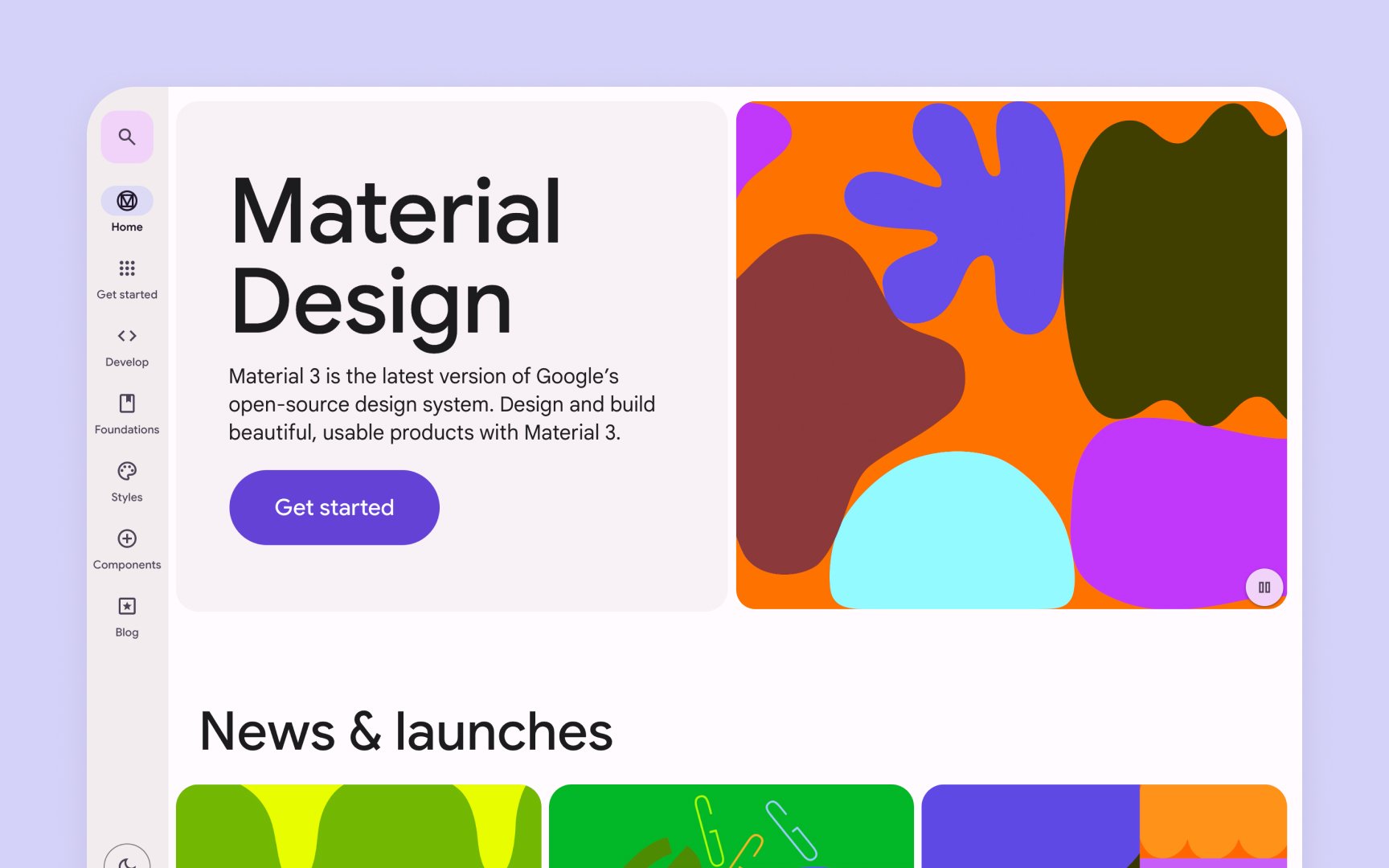
A design system is a collection of reusable components, guidelines, and standards that ensure consistency and efficiency in creating user interfaces across products.[1] It serves as a visual language that unites different team roles. For example, when developers and designers discuss a "primary button," both should envision the same component with consistent styling, behavior, and usage rules. This shared visual vocabulary eliminates back-and-forth about basic interface elements.
Each design system component should display its variants, states, and usage examples in a standardized format. For instance, a button documentation shows default, hover, active, and disabled states alongside proper implementation guidelines that both designers and developers can reference.
Visual specs bridge the gap between design and development. Using consistent measurements, color tokens, and spacing units helps teams communicate precise requirements without constant clarification meetings.