AHAS - Personal Skincare Application

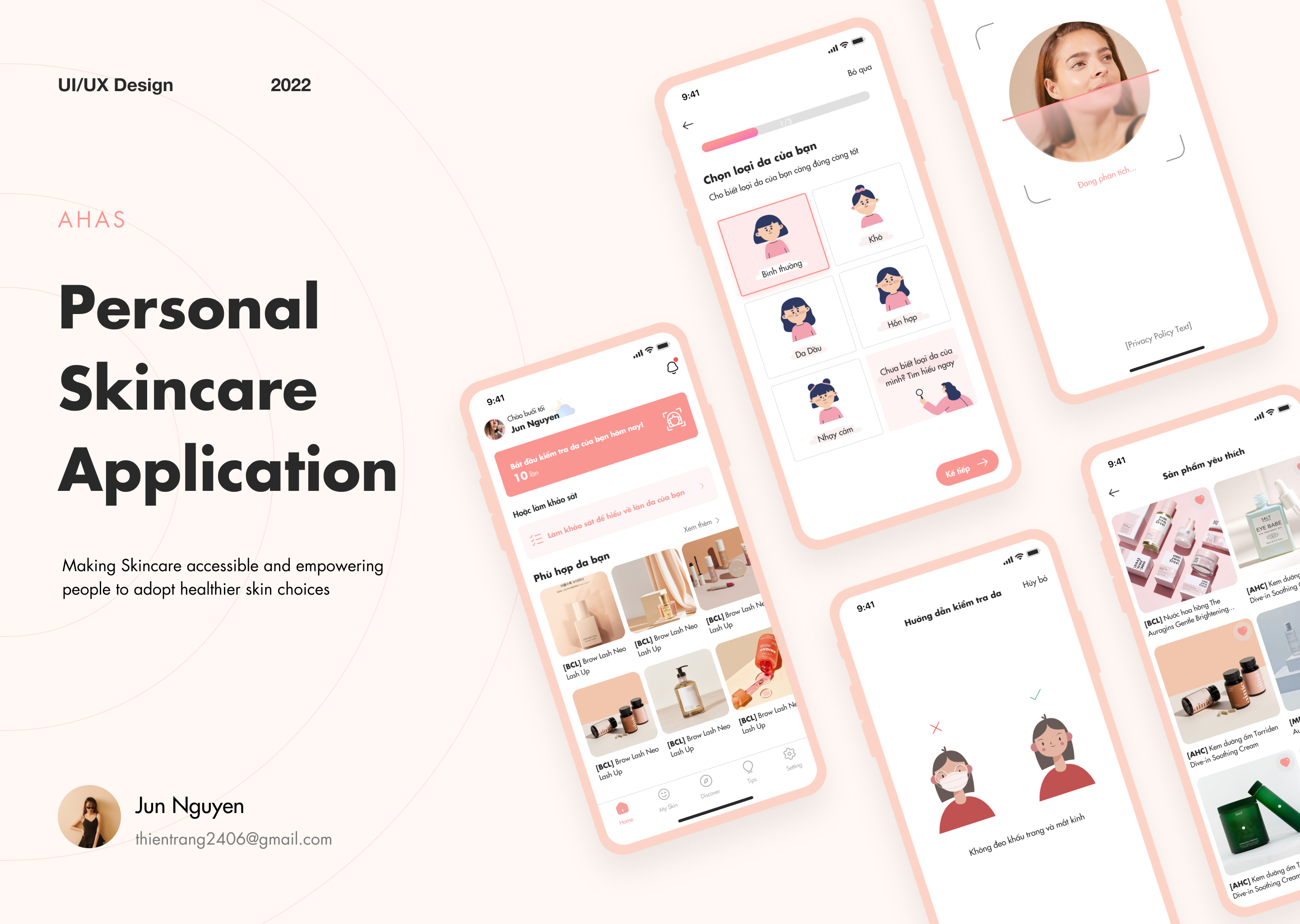
AHAS – Personalized Skincare Application
UX Case Study | 2022
Role: UI/UX Designer – End-to-end design process, from research to prototype.
🧠 Background
In recent years, the skincare industry has experienced exponential growth, driven by the rising awareness of self-care, the popularity of wellness routines, and social media influence. However, this explosion in information has also led to widespread confusion, especially for beginners trying to build effective skincare routines.
🔍 The Problem
While users have access to a wealth of skincare information, much of it is conflicting, unverified, or overwhelming. As a result:
- Many individuals misuse products or abandon skincare routines.
- Users often resort to expensive dermatologist visits for issues that could be prevented.
- There's a lack of personalized, trustworthy digital skincare solutions.
💡 The Goal
Design a mobile application that:
- Helps users identify their skin type and concerns
- Offers expert-backed skincare advice
- Enables users to build and track a skincare routine
- Recommends suitable products based on individual needs
🧭 Design Process
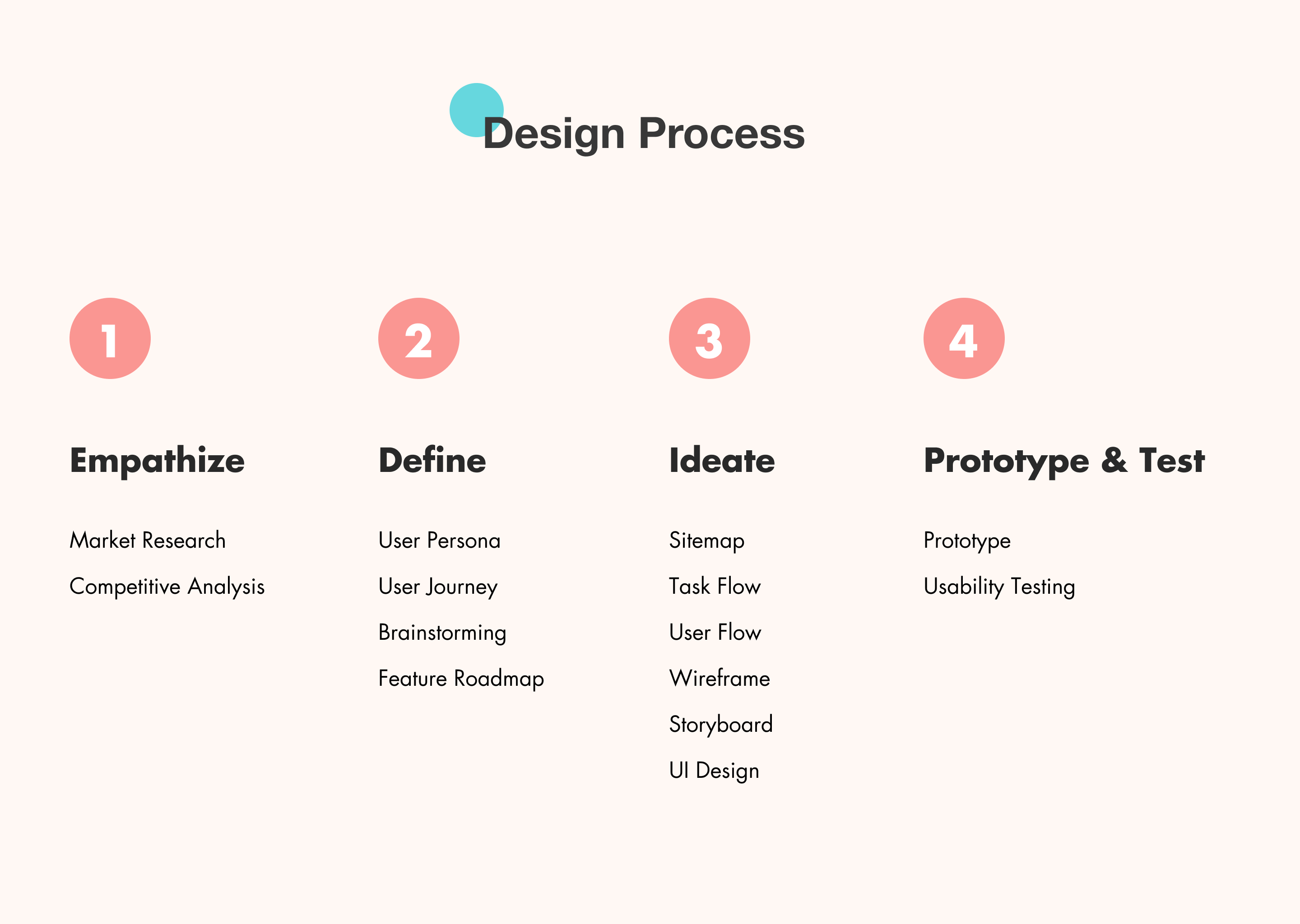
1. Empathize
- Conducted market research to understand current digital skincare solutions.
- Performed a competitive analysis of apps like TroveSkin and Think Dirty.
- Interviewed 6 users across various skin types to discover frustrations and behaviors.
2. Define
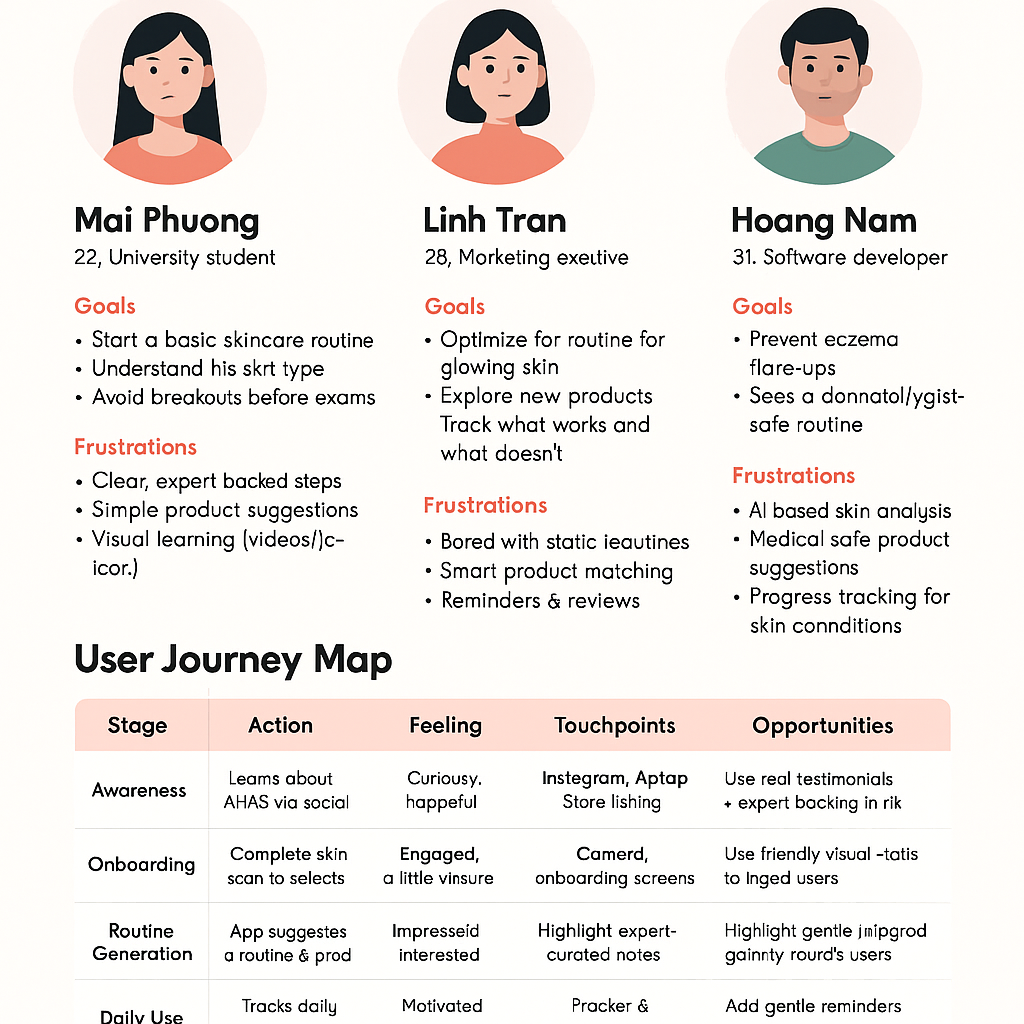
- Built user personas to represent three core user types: skincare beginner, product enthusiast, and sensitive skin sufferer.
- Mapped out the user journey, from scanning skin to building a daily routine.
- Outlined key pain points: information overload, lack of trust, no progress tracking.
3. Ideate
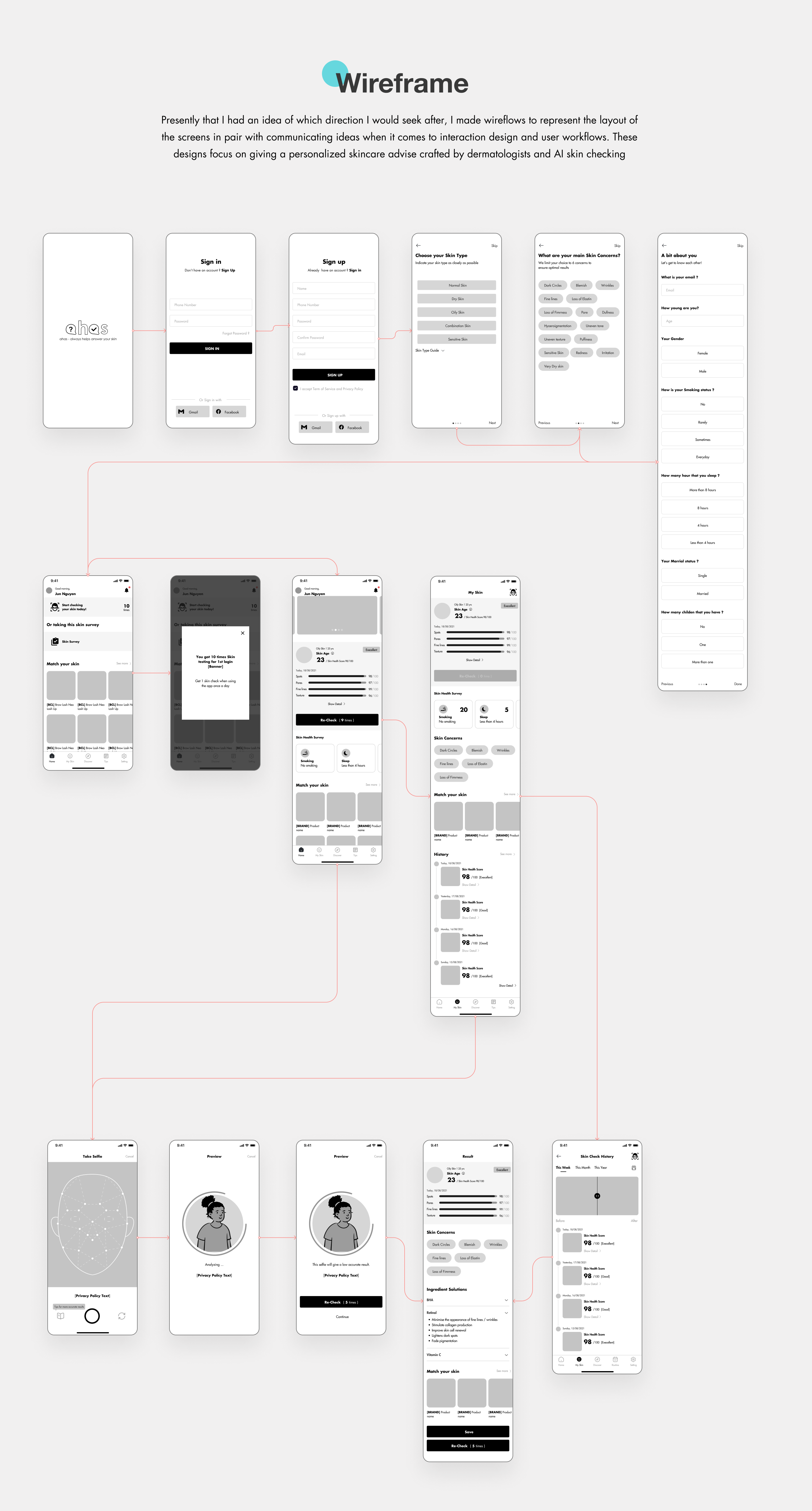
- Created user flows to ensure minimal friction from onboarding to product discovery.
- Designed wireframes for testing multiple layouts and flows.
- Built a feature roadmap, prioritizing core features: skin scan, routine builder, expert tips, product recommendations.
4. Prototype & Test
- Designed a high-fidelity prototype with a soft, calm aesthetic to align with self-care branding.
- Conducted usability tests with 5 users, iterated based on feedback.
Key insights:
- Users loved the AI skin scan but wanted clearer instructions.
- The tracking feature increased motivation to stick with routines.
🖼️ Key Features
- AI Skin Analysis: Fast, real-time skin assessment through a selfie.
- Personalized Routine Builder: Creates a step-by-step skincare plan based on skin type and concerns.
- Daily Tracker: Encourages consistency and allows users to monitor improvements.
- Expert Tips & Guides: Educational content curated by professionals.
- Product Suggestions: Smart recommendations from trusted brands.


✨ Design Highlights
- Visual Style: Minimal, pastel palette to evoke calm and clarity.
- UI Design: Intuitive navigation, humanized icons, and a clean hierarchy.
- Accessibility: Large touch targets, clear typography, and helpful microcopy.

📈 Results & Impact
The app prototype received positive feedback during testing for its clarity, aesthetic, and usefulness.
- 94% of users said they would recommend it to friends struggling with skincare.
- 80% said it made skincare feel "less intimidating" and "more achievable."
👩🎨 Reflection
Designing AHAS reinforced the power of user-centered design—the best digital solutions stem from real human needs. If given more time, I would:
- Integrate a community feature for users to share progress
- Include multi-language support for broader accessibility
- Expand skin scan AI to detect specific conditions (e.g., rosacea, pigmentation)
📬 Designed by
Jun Nguyen
📧 thientrang2406@gmail.com
Tools used
Topics
Share
Reviews
1 review

This project is broken down so nicely, Nguyen! You should be really proud of it. You’ve clearly explained what you did, the problem is easy to understand, and the solution makes a lot of sense.
A small thing:
The frustrations section of your personas reads more like solutions, so you may want to revisit that.
Absolutely amazing job! :)
You might also like
SiteScope - Progress Tracking App

FlexPay

CJM for Co-Working Space - WeWork

Ubani Design System

Accessible Signup Form for SaaS Platform
Loginino

Popular Courses
UX Design Foundations

Introduction to Figma
Design Terminology