Qualitative UX Research Methods
Learn essential qualitative UX research methods to gain valuable insights into user behavior and preferences, shaping impactful design decisions
There is a common misconception that research, in general, is all about numbers. While numbers are definitely an integral part of research, it is not the only one. In UX research, for instance, many questions cannot be answered by numerical data alone.
For example, why do your users behave the way that they do? How do they perceive your product? What are their motivations and pain points? What are the core thoughts, fears, and attitudes that shape their decisions and actions? Why do they love some parts of your products and neglect others? These questions can be answered by qualitative research methods that collect quotes, anecdotes, observations, or narrative descriptions from users.
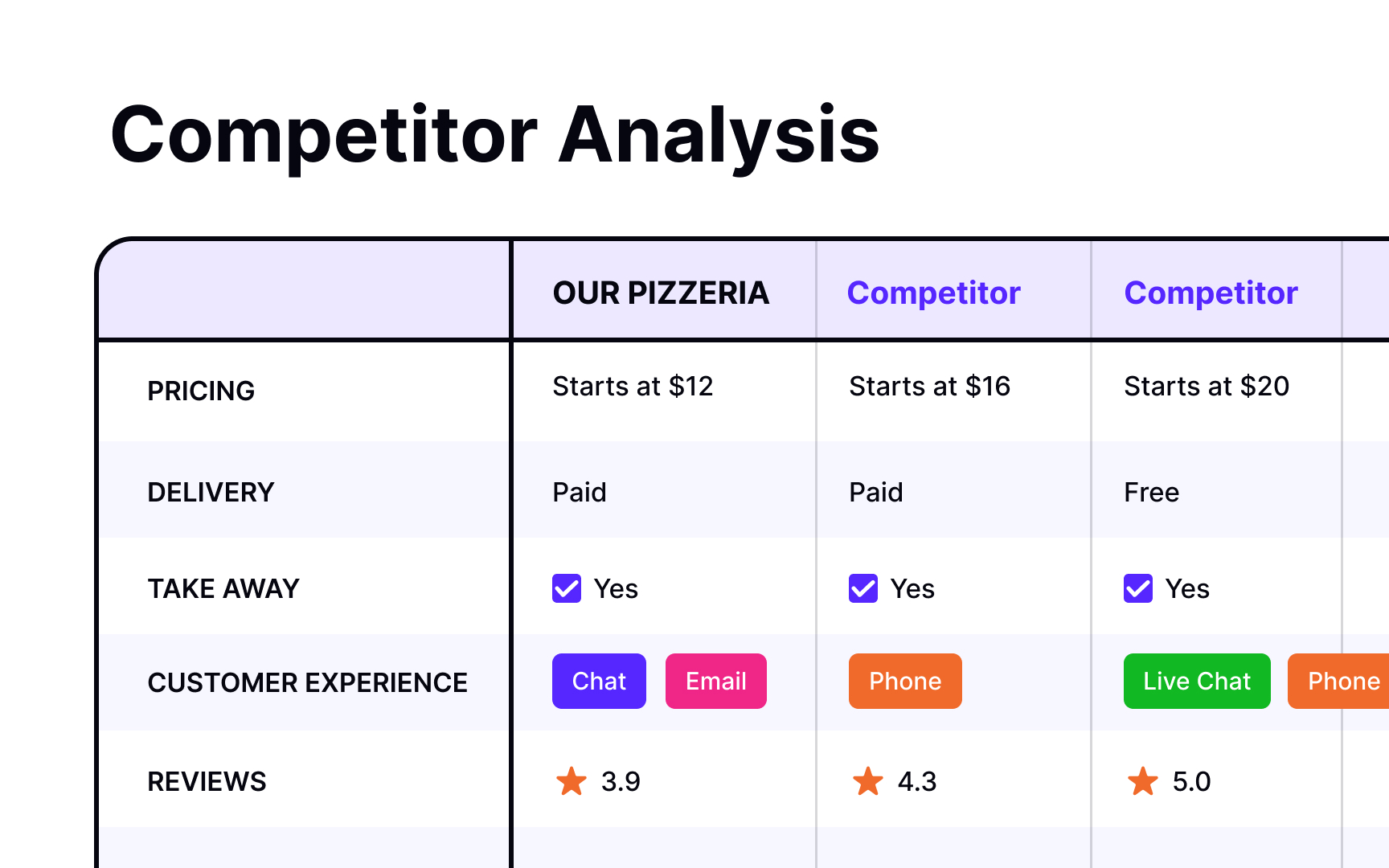
A competitor analysis is a great way to analyze where each of your competitors stands in the market and identify ways to give your product an edge over them. It usually involves collecting information about competitors such as their user demographics, product features, tone, style, and language used in their content, and the visual design of their product, among other things. The exact nature of the information analyzed will depend on the goals of your study.
In general, a competitor analysis can reveal:
Pro Tip: Make sure you include both direct and indirect competitors (products that are different from yours but satisfy the same user need) in your analysis.[1]
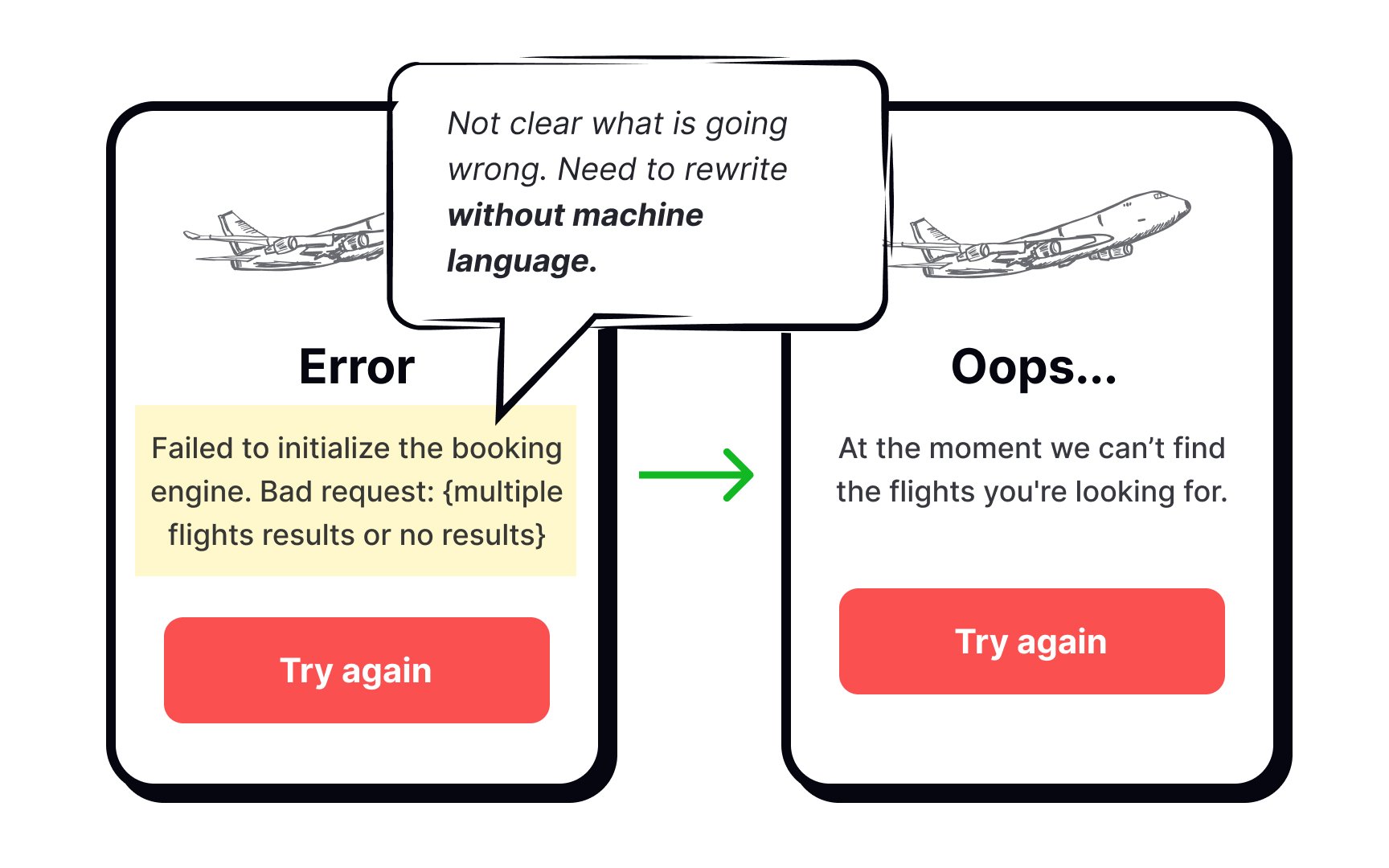
A
To begin, you’ll need to create a content inventory of the parts of your product you wish to audit — this is essentially a compilation of product pages, their URLs, page type, and any relevant notes. Once done, you can evaluate your content based on your objectives, which could be to find if your content is readable, findable, accessible, comprehensible, etc.
If you find that some of your content does not adhere to any of your set standards, use available data to come up with actionable solutions. Facing a large number of uninstallations after a new product update? Carry out a content audit to find out where the drop-offs are happening and fix the content to meet user needs. You can even engage in more
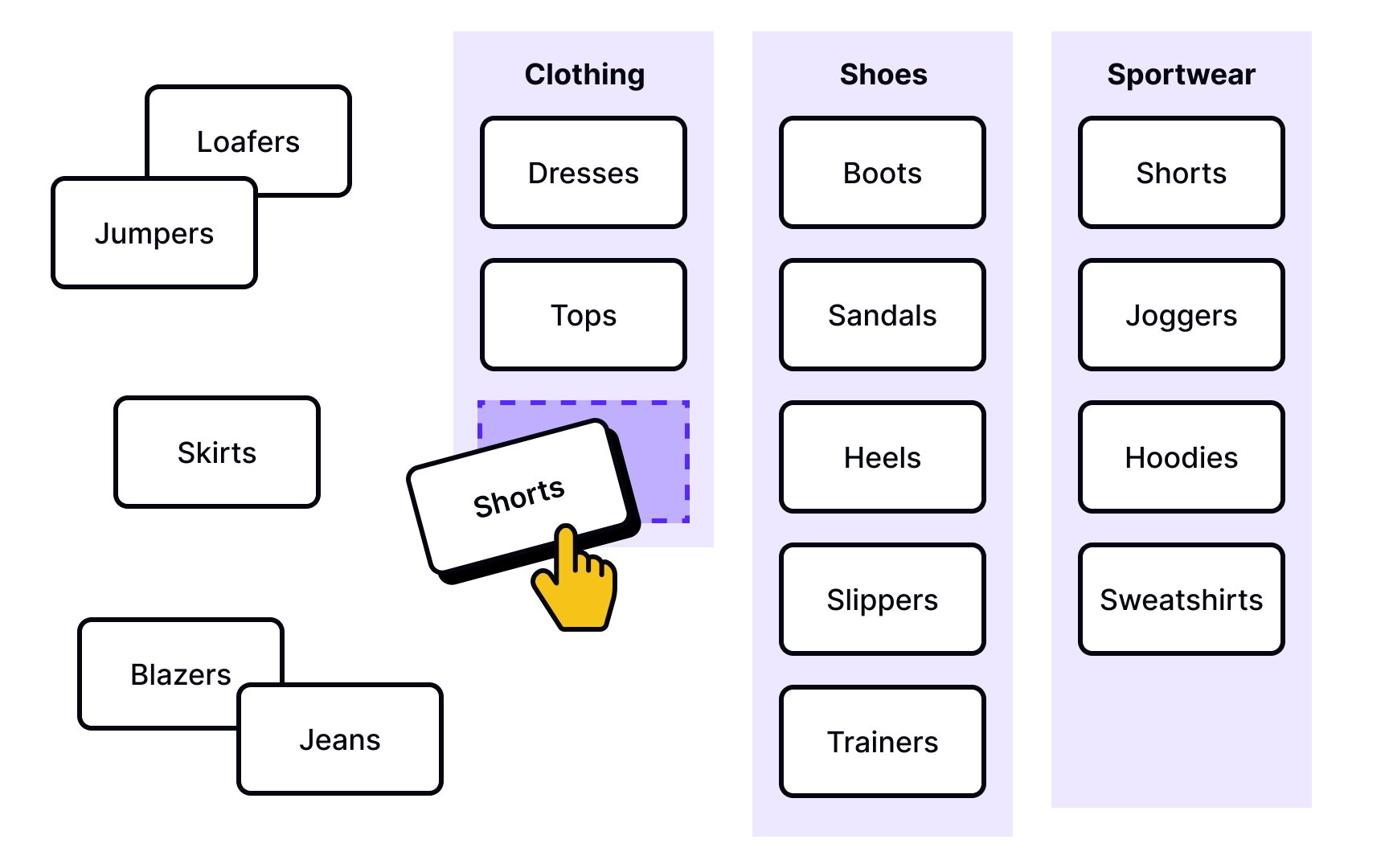
Card sorting is a technique used to understand how users naturally categorize information into logical groups. Participants are usually given labeled cards and asked to sort them into groups that make sense to them.
This data can come in handy when crafting the information architecture of your product. For example, if you are a furniture-selling website, carrying out a card sorting study among your target audience can tell you what kinds of furniture they would expect to be grouped together under a single
Card sorting studies can be:
- Closed: Participants sort information into the categories you provide them. Use this method if you want to understand your users’ mental models to build a new product or improve an existing one.
- Open: Participants name their own categories and sort information into them. Use this method when you need to evaluate your existing information architecture, fix glaring problems, and clear up any confusing information.
- Hybrid: Participants sort information into both categories provided by you and those created by themselves. Use this method when you have a general understanding of your user’s mental models but need more clarity in specific aspects.
You can choose to carry out card sorting online or offline, with or without a moderator. In any method, the important thing is to brief your participants adequately about the purpose of your study and what you’re looking for from them.
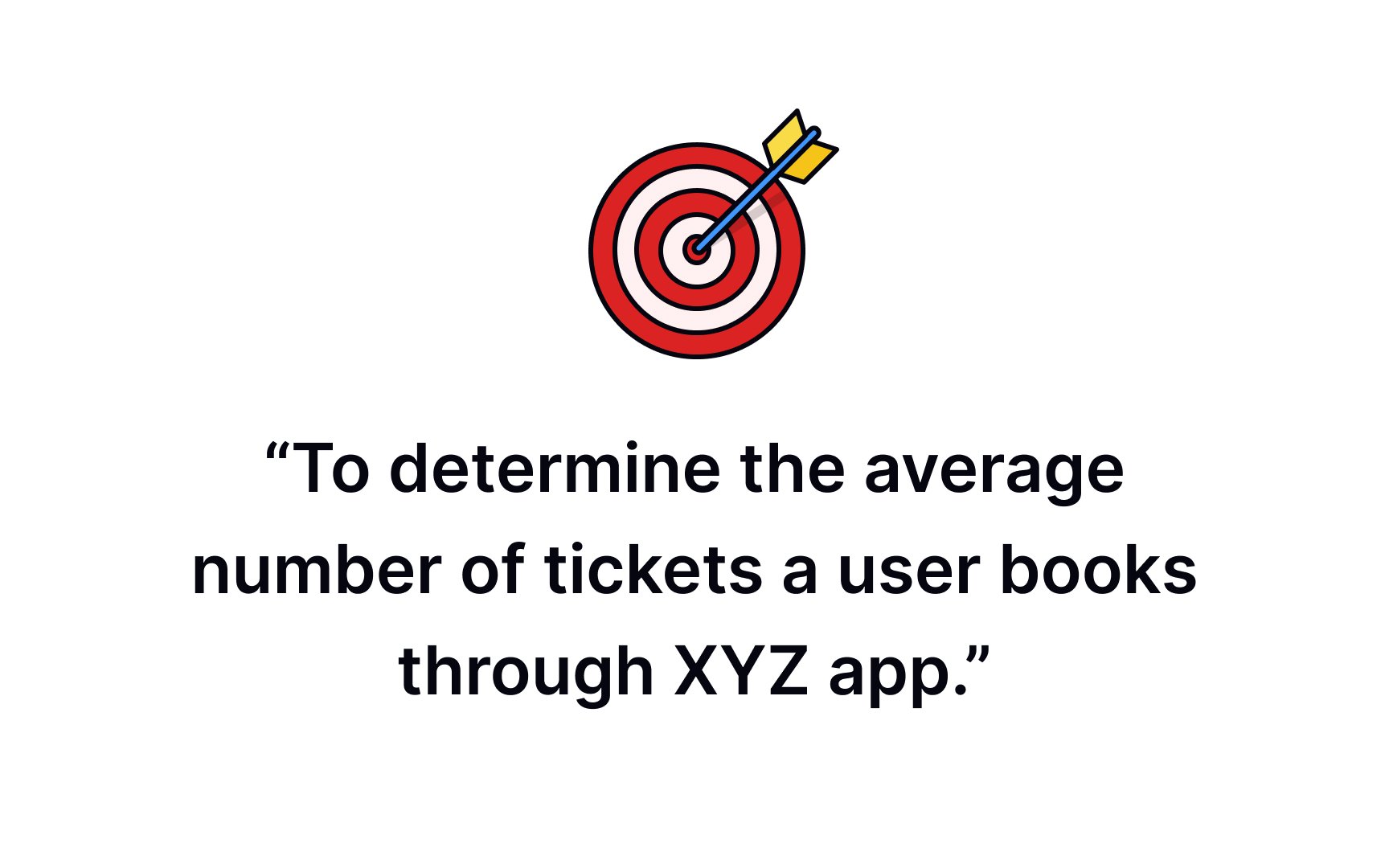
Ethnography in
Ask yourself the following questions before carrying out an ethnographic study:
- What are your goals for the study? What are the questions you are trying to find answers to?
- Who will you be studying and in what environment? You will need to know this to obtain the necessary permissions from the people involved.
- For how long will the study take place? This will depend on how extensive you want your study to be, the size and diversity of your target audience, and the time and budget you have on your hands.
- How will you record the data? Will you take notes, and record the events verbally or visually? Or if you are pressed for time, you might want to combine your ethnography with diary studies with the participants, which involves studying self-reported data logged in by participants over time.
- What type of observation will you carry out? Direct observation involves observing participants passively. Active participation involves the researcher conversing with the participants and carrying out contextual inquiries through short interviews after observing them to gain more clarity on their behaviors.

A contextual inquiry is a research method used to understand users’ interactions with complex systems and in-depth processes. During a contextual inquiry, the researcher observes a participant performing a task, just like in the case of an ethnography study. However, here the researcher also asks follow-up questions to the participants to gain more insights into their actions.
For instance, a researcher may want to learn how users purchase from an online store. They may observe users looking through the available products, adding items to their cart, and eventually checking out. The researcher may then ask questions to clarify why they took a particular decision. For example, why did they add an item to their cart? What made them remove an item from their cart?
This method is not recommended for straightforward design tasks that don't require in-depth thought processes, such as designing a sign-up form or restructuring a product
With data from a contextual inquiry, you can determine user needs and user personas and lay the foundation for your

A cultural probe, also known as a diary study, is a type of ethnography where participants self-report their behavior. They periodically record their actions and thoughts about the activities being studied.
For example, one study carried out by a design agency attempted to understand why users make repeat purchases from brands. Participants were sent a diary kit with specific questions that encouraged them to write about their daily life. This included themes like relationships, routines, and expectations that were relevant to the main goals of the study.[4]
Like an ethnography, a diary study, too, is carried out over a significantly longer duration of time. It can help determine user needs, goals,
After the logging period, researchers can go through the entries and conduct follow-up
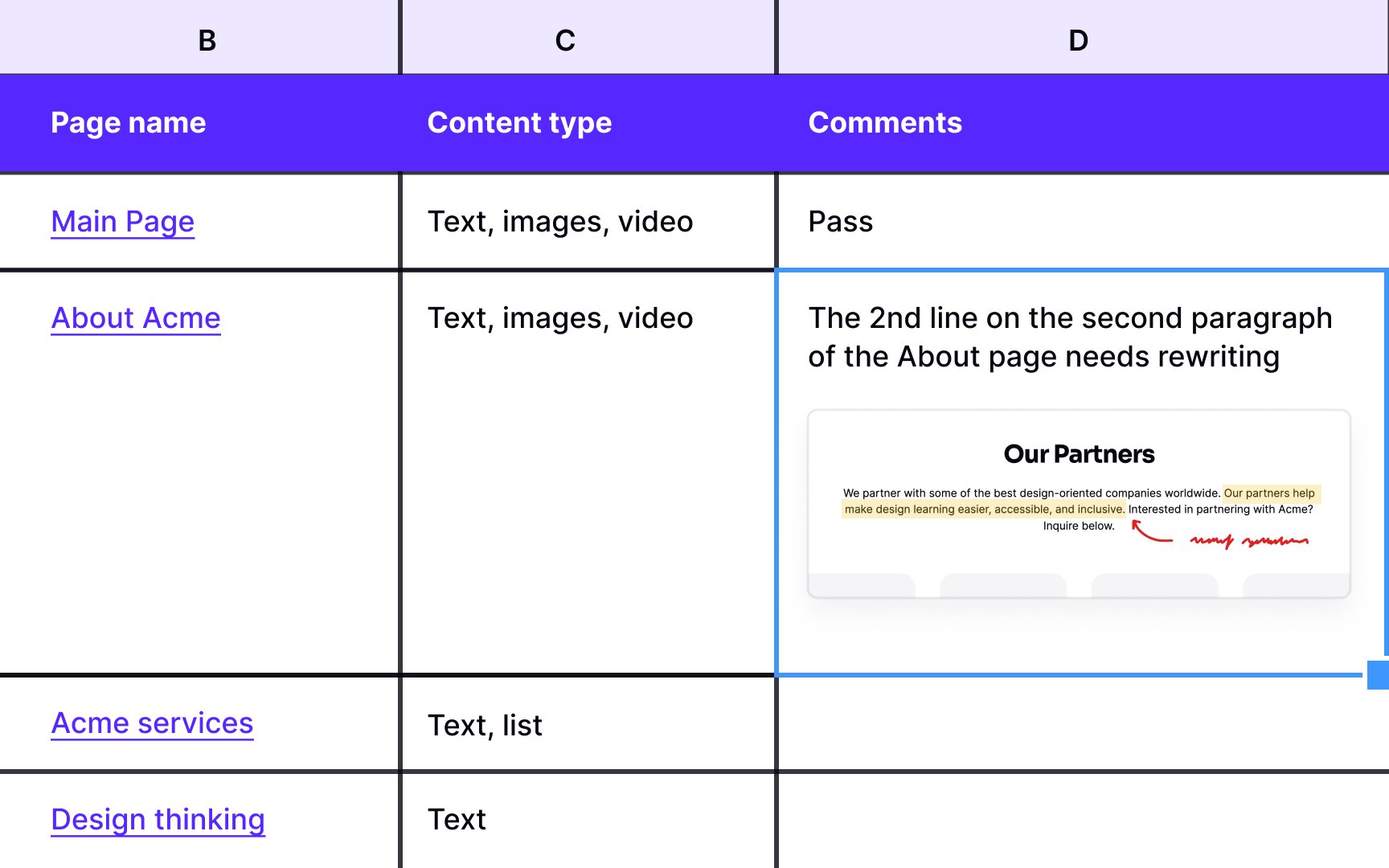
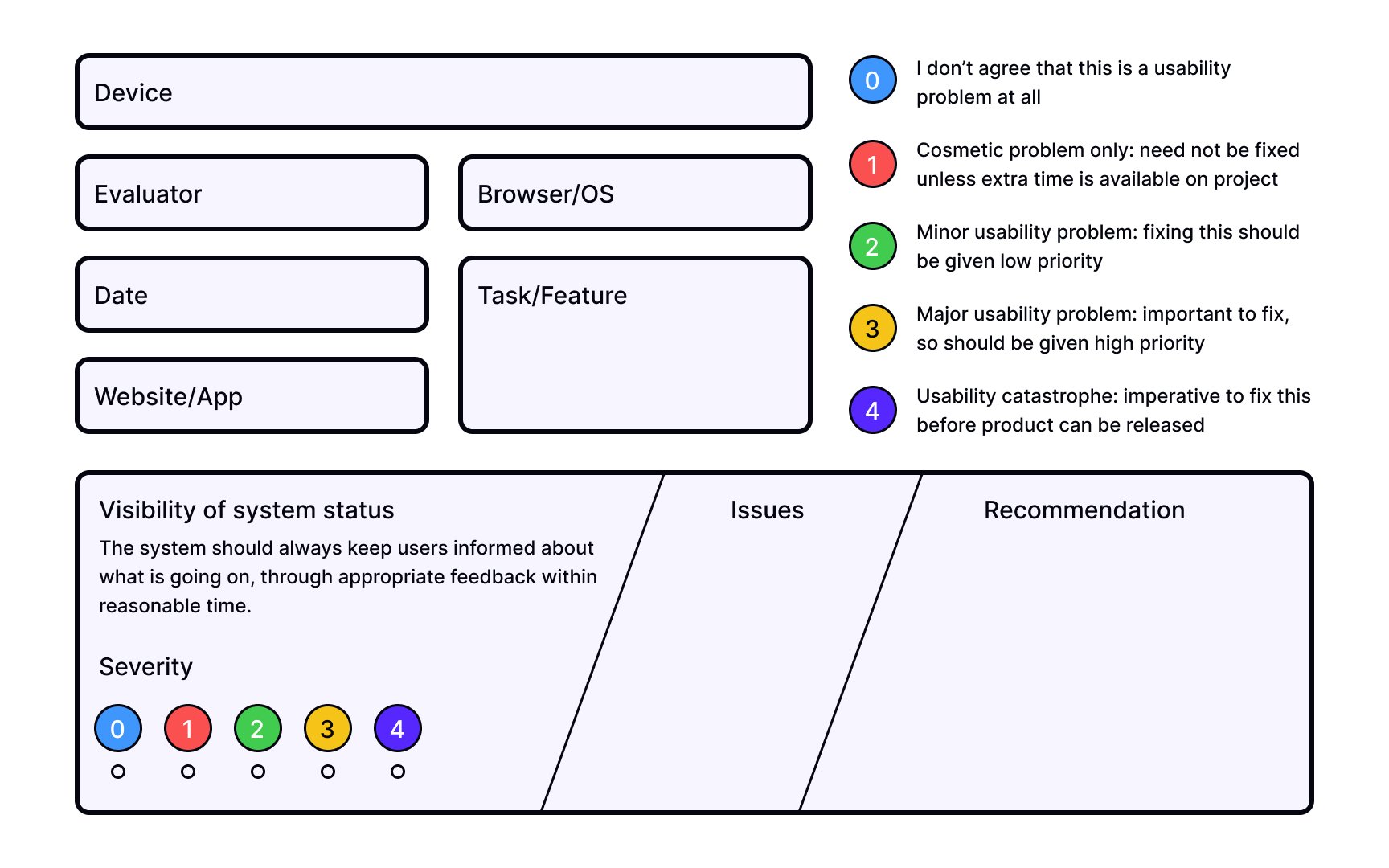
Heuristic evaluation is a process where evaluators determine the usability of a product. This is done by measuring the interface’s compliance with the generally accepted rules or “heuristics of
The difference between heuristic evaluation and usability testing is that usability testing is carried out among potential or existing users. Conversely, heuristic evaluation involves evaluators who are subject experts — especially UX professionals.
The process of heuristic evaluation involves:
- Deciding what you are evaluating and against which heuristics
- Selecting your group of evaluators
- Having evaluators perform a task and rate any usability problems numerically on a scale based on the severity
- Comparing the individual results of each evaluator
- Prioritizing the problems in the order of severity
- Working with your team and implementing solutions[7]
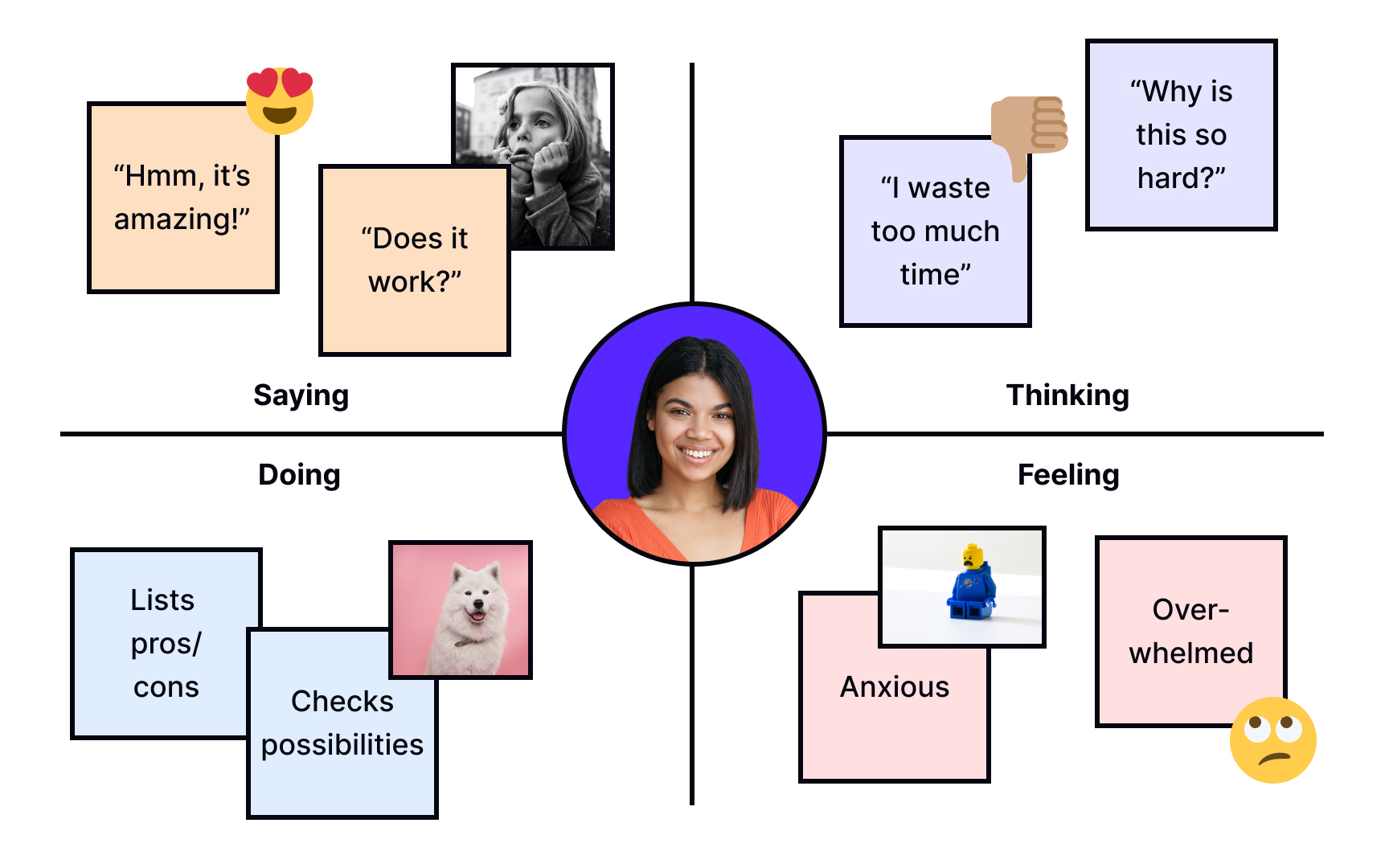
Participatory design is a way of involving users in the design process through simple exercises. The goal is to better understand their needs and goals.
Your choice of exercise will depend on the exact nature of the information you are looking for from your users. Some examples of participatory design exercises include:
- Asking users to make visual empathy collages to map out their perceived connection and
interaction with your product - Asking users to visually draw out the hierarchy of their goals and needs
- Getting users to role-play and act out their problems and potential solutions
- Brainstorming and improving on ideas and solutions together in groups, etc.[8]
These exercises can be shaped in the manner of your choosing. Just remember that the purpose is to elicit solutions and answers from users naturally to create more user-centric designs.
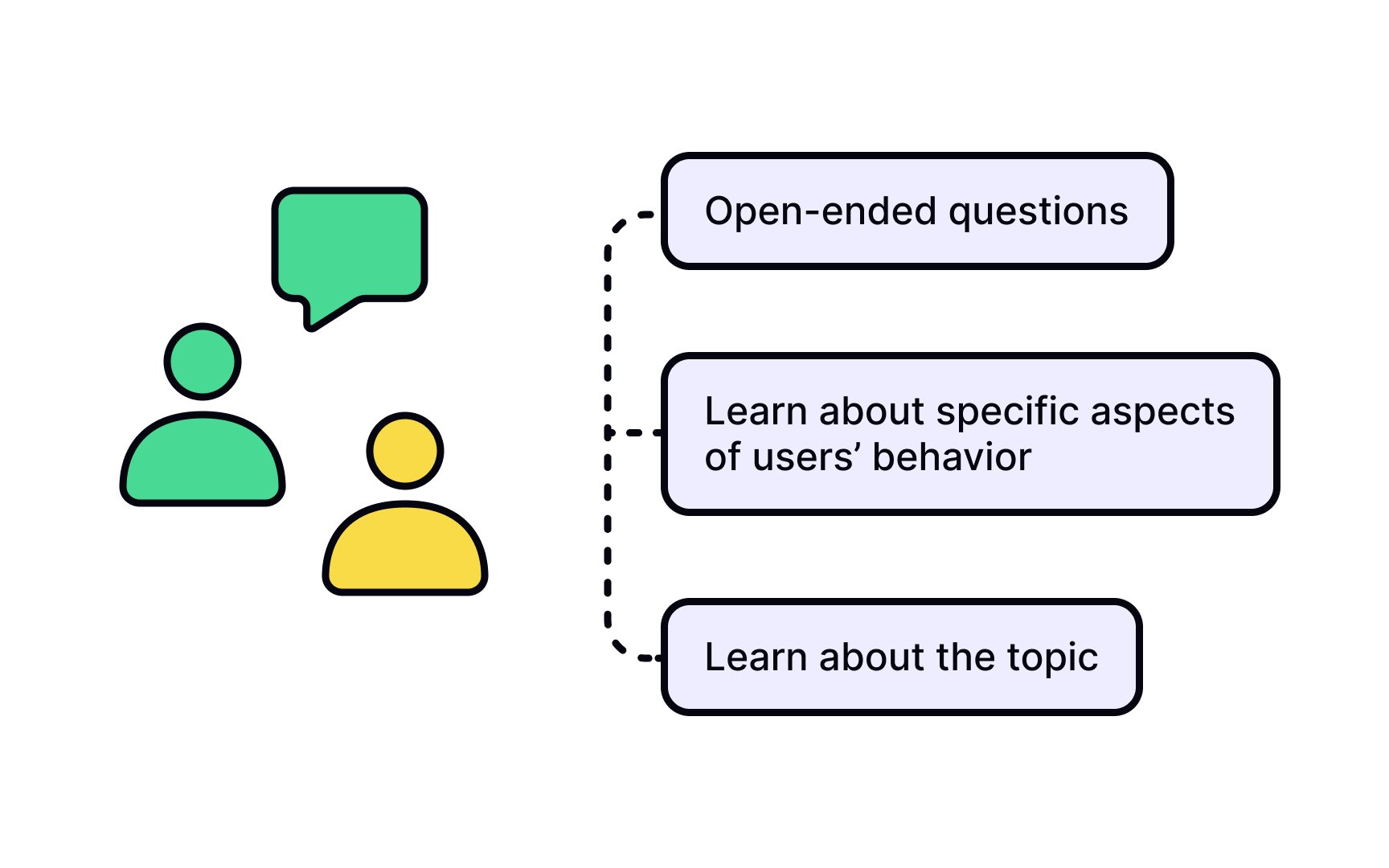
An in-depth
An in-depth interview can be:
- Structured with predefined questions
- Unstructured and take the form of a free-flowing conversation
- Semi-structured and allow for the discussion of both planned and unplanned topics
Use an in-depth interview when you want to:
- Gather feedback about your product or feature launch
- Build your user
personas and understand user needs and goals - Improve your existing product
- Gain specific insights on your
visual design or overalluser experience
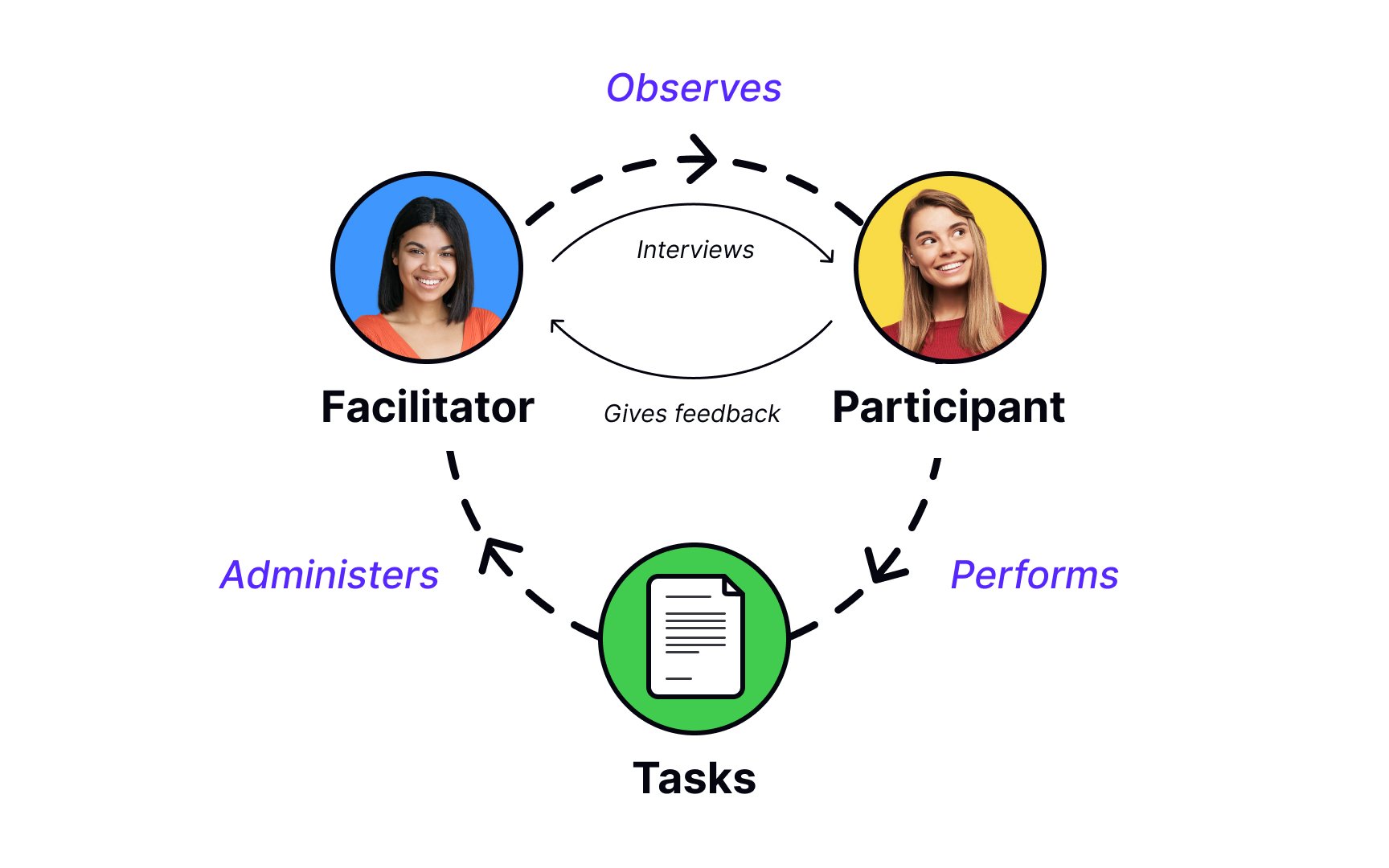
Some examples of tasks include asking users to:
- Make a purchase
- Get rid of an error message
- Locate a particular piece of information
Insights from usability testing can reveal user interests and preferences,
Testing sessions can be moderated, unmoderated, carried out in a lab, remotely over the phone or internet, or guerilla-style in person.
References
- Competitive Analysis | Medium
- Card Sorting 101 - How To Run An Online Card Sort | Optimal Workshop | Optimal Workshop
- Contextual Inquiry: Inspire Design by Observing and Interviewing Users in Their Context | Nielsen Norman Group
- Diary Studies: Understanding Long-Term User Behavior and Experiences | Nielsen Norman Group
- Heuristic Evaluation: How-To: Article by Jakob Nielsen | Nielsen Norman Group
- How to Conduct Heuristic Evaluation | Medium
- Participatory Design in Practice | UX Magazine
Top contributors


Topics
From Course

Share


Similar lessons

UX Design Processes & Research Methods

Card Sorting in UX Research