UX Design Processes & Research Methods
Explore the different processes of UX design and research methods that you can choose from as a designer
Design processes can differ across teams and projects. Learning common UX design processes helps you work better with many products and people.
Remember, UX design is not just about creating screens. It also includes user research and user testing. These steps help teams understand real user needs. They reduce guesswork. They improve usability.
Strong research and testing lead to better product decisions. They help create clear, simple, and useful user experiences.
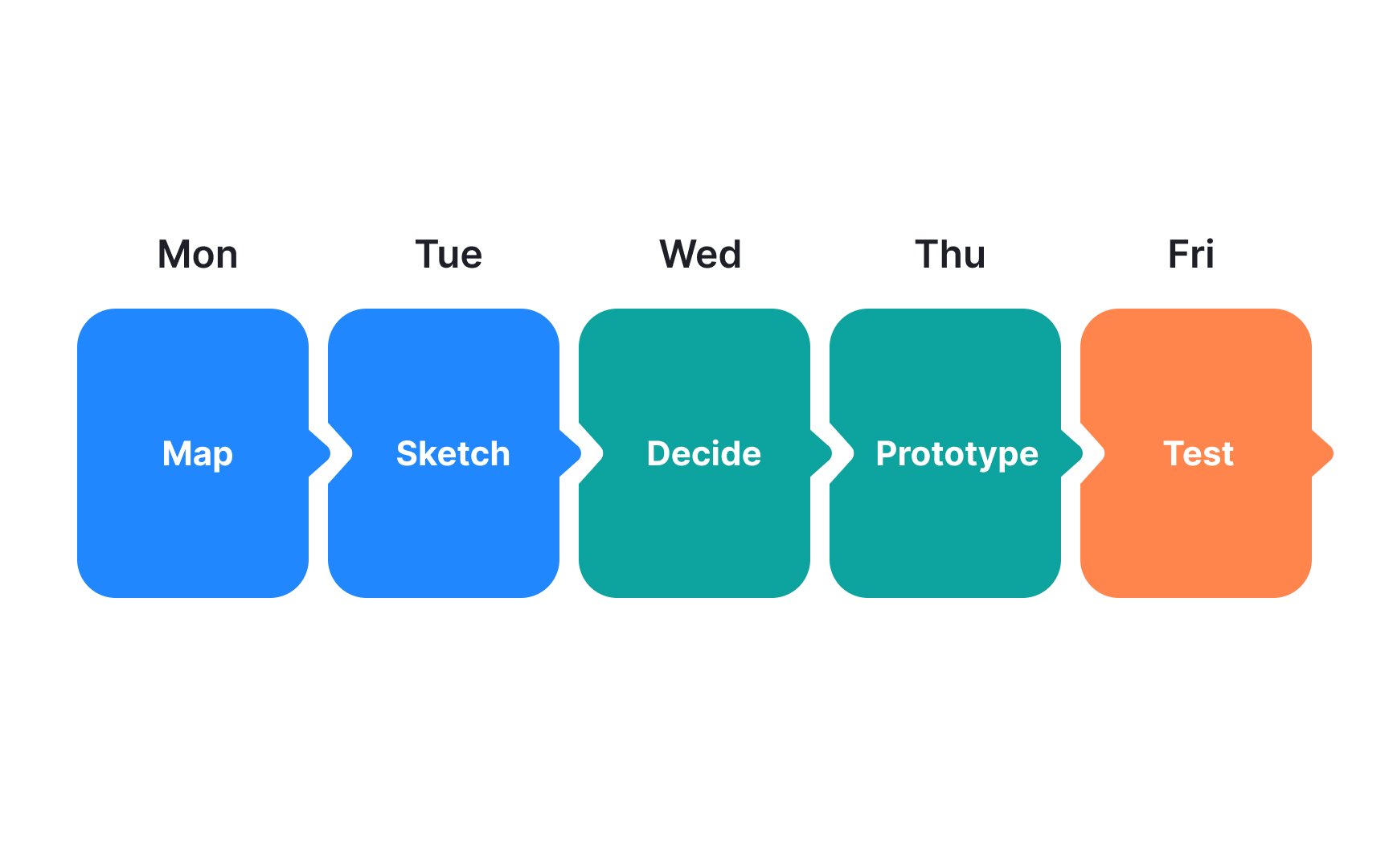
Design sprints were originally developed by Jake Knapp.[1] They can help designers quickly come up with ideas and solve problems.
Usually, a design sprint includes 5 stages, with each one lasting a single day. The stages include mapping the problem, sketching potential ideas, deciding on a shortlist, prototyping, and testing. The idea is that when you work this fast, you fail faster and learn more quickly. Ideas are tested promptly so that a perfect solution is found faster.
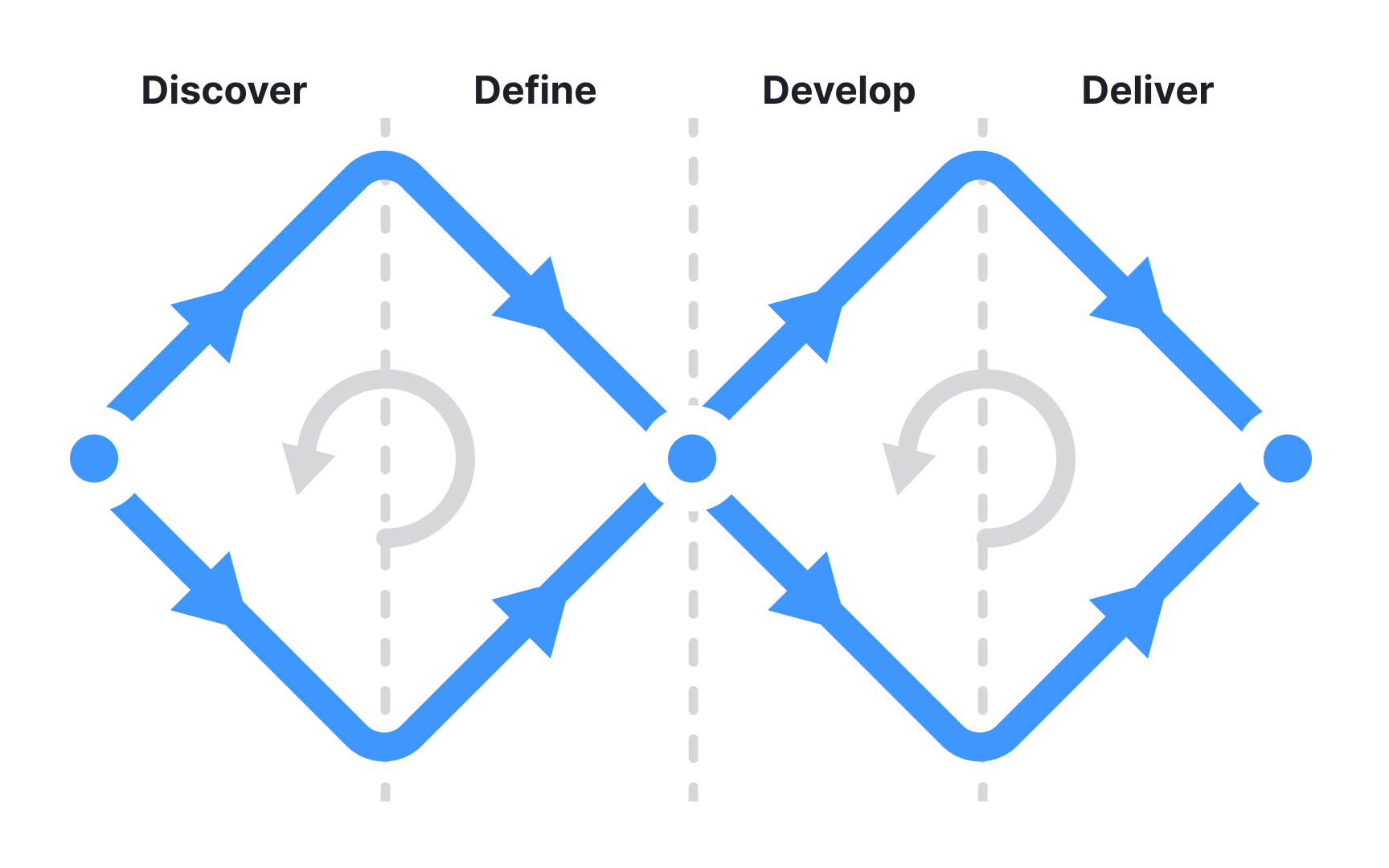
The Double Diamond technique is a structured approach to design, encompassing 4 key stages:
- Discover. Designers explore the problem space, researching users and understanding their needs.
- Define. This stage narrows the focus, crystallizing the problem.
- Develop. During development, insights from the first two stages guide the creation of solutions.
- Deliver. This phase focuses on finalizing and testing these solutions.
This method encourages an iterative process; designers can revisit previous stages to refine ideas, ensuring the most effective and tailored solution. It's a flexible framework that balances exploration with focused development, facilitating a deeper understanding of both problems and solutions.[2]
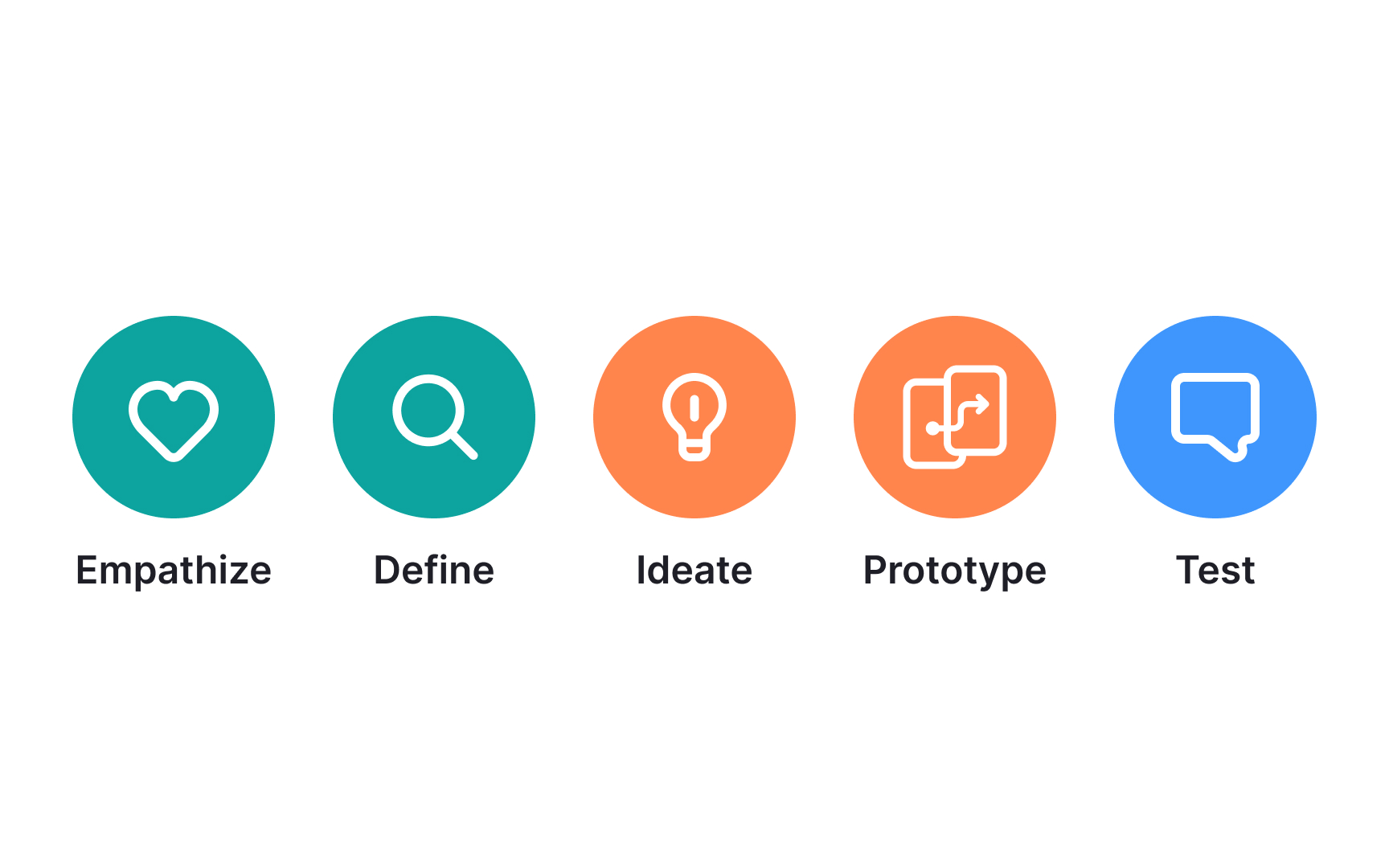
Design thinking is a UX method used to solve real user problems. It puts users at the center of every decision. The process includes 5 main stages: Empathize, Define, Ideate,
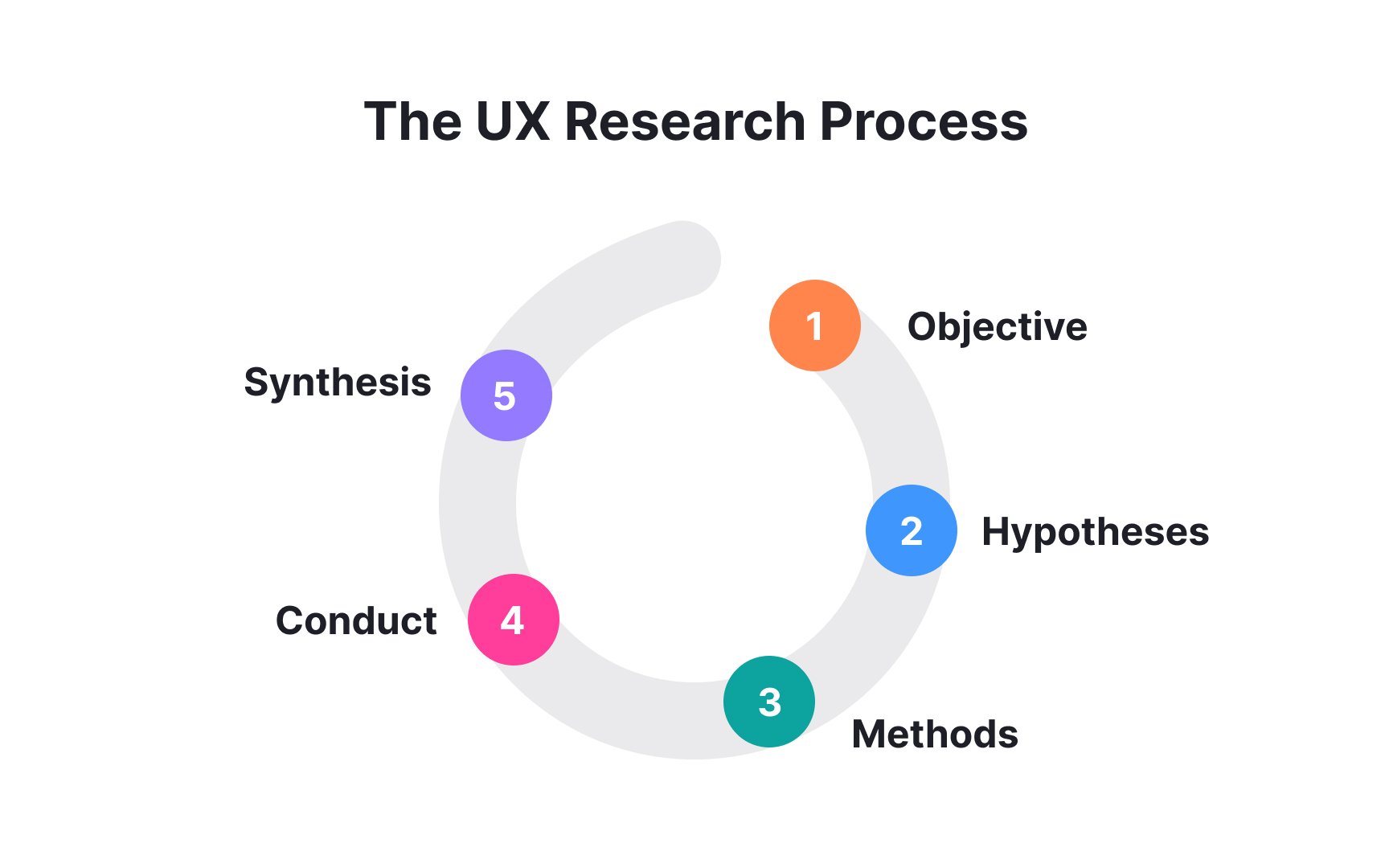
- Objective: define what you want to learn and why it matters for the product.
- Hypothesis: outline what you think is happening based on existing knowledge or assumptions.
- Methods: decide which research techniques will help you validate or challenge the hypothesis.
- Conduct: run the sessions, gather data, and capture observations without bias.
- Synthesize: turn raw notes into insights and patterns that can guide design decisions.
When planning any research, consider the product’s high-level goals and the resources available. This helps teams choose the right approach and keep the work actionable.
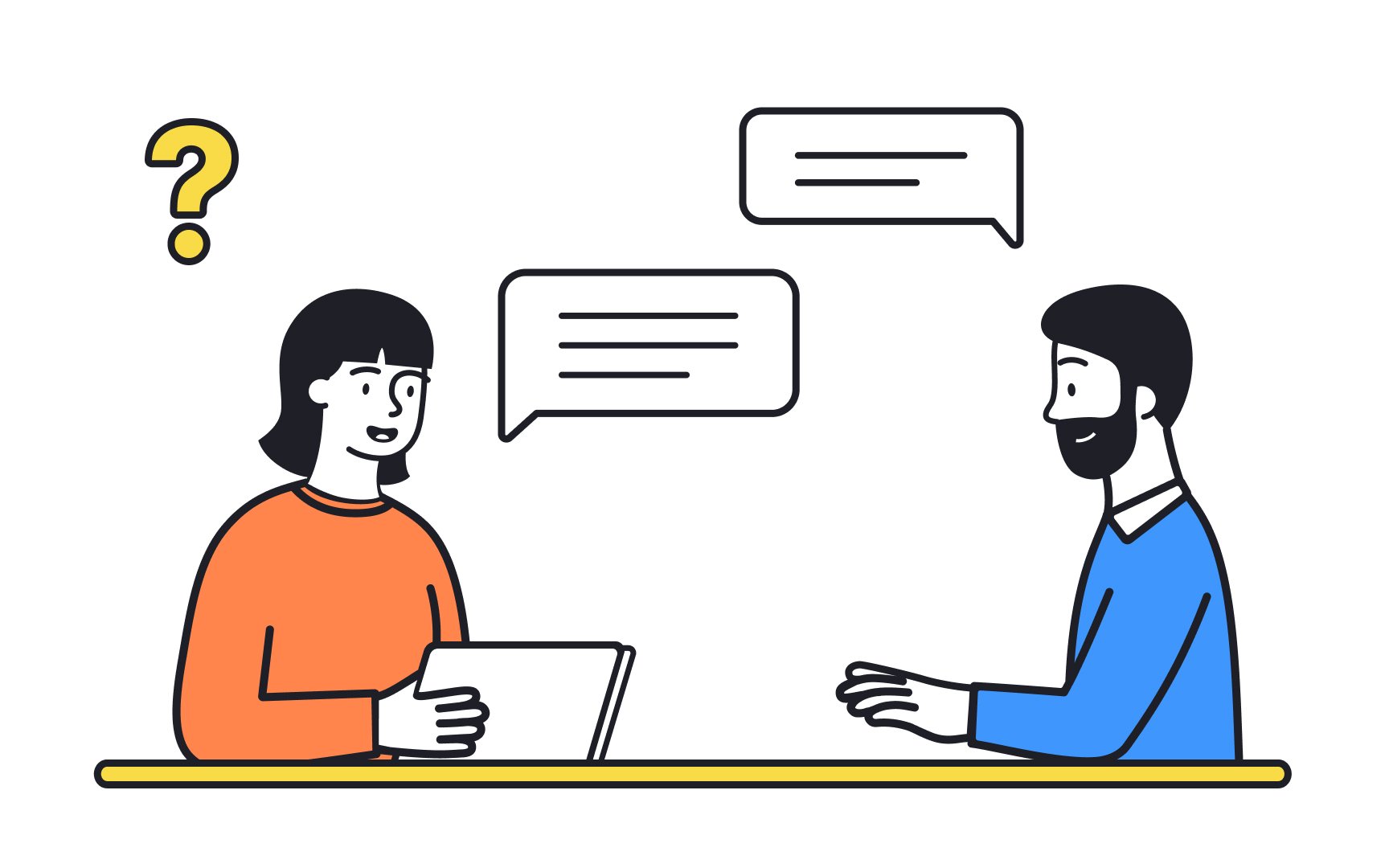
User interviews are personalized engagements that offer valuable insights into users' needs, attitudes, and background. As a one-on-one conversation between the user and an interviewer, this approach enables a deep understanding of users' interactions and behaviors.
When combined with usability testing, it allows for observing how users engage with a product, providing a chance to ask targeted questions. However, when exploring the problem space in
The focus here is to understand the users’ underlying motivations and needs rather than assessing their direct interaction with a particular product. It's an essential tool for shaping design decisions and aligning them with user expectations.
Pro Tip: Consider doing contextual interviews, where you can observe users in their usual workspaces. This gives even more insight into how users interact with your product.

While some methods require minimal resources and can be employed quickly, others necessitate specialized equipment, high-fidelity
Regardless of the technique, the fundamental goal of user testing remains the same — to gather valuable feedback. This feedback helps designers identify and address potential issues as early in the design process as possible, ensuring a more user-centered and effective final product.
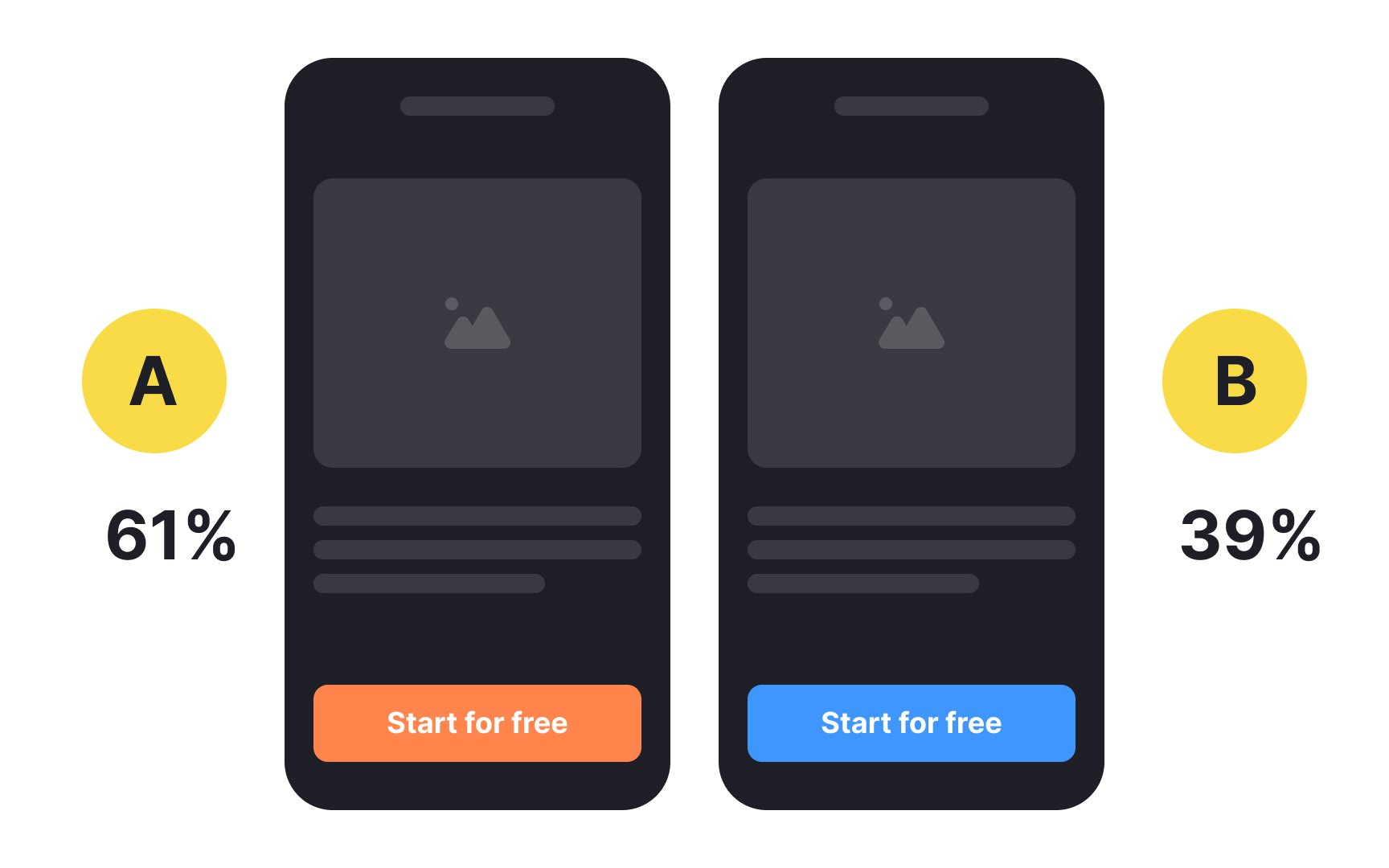
One of the most common types of
A/B testing is generally done by randomly showing one of the two versions of the product to users without showing them the other version. It's essential to test only one design element at a time for the most accurate and usable results.
A/B testing provides objective and statistical — quantitative — data, but it doesn't explain users' behavior. That's why it's best suited for later stages of the
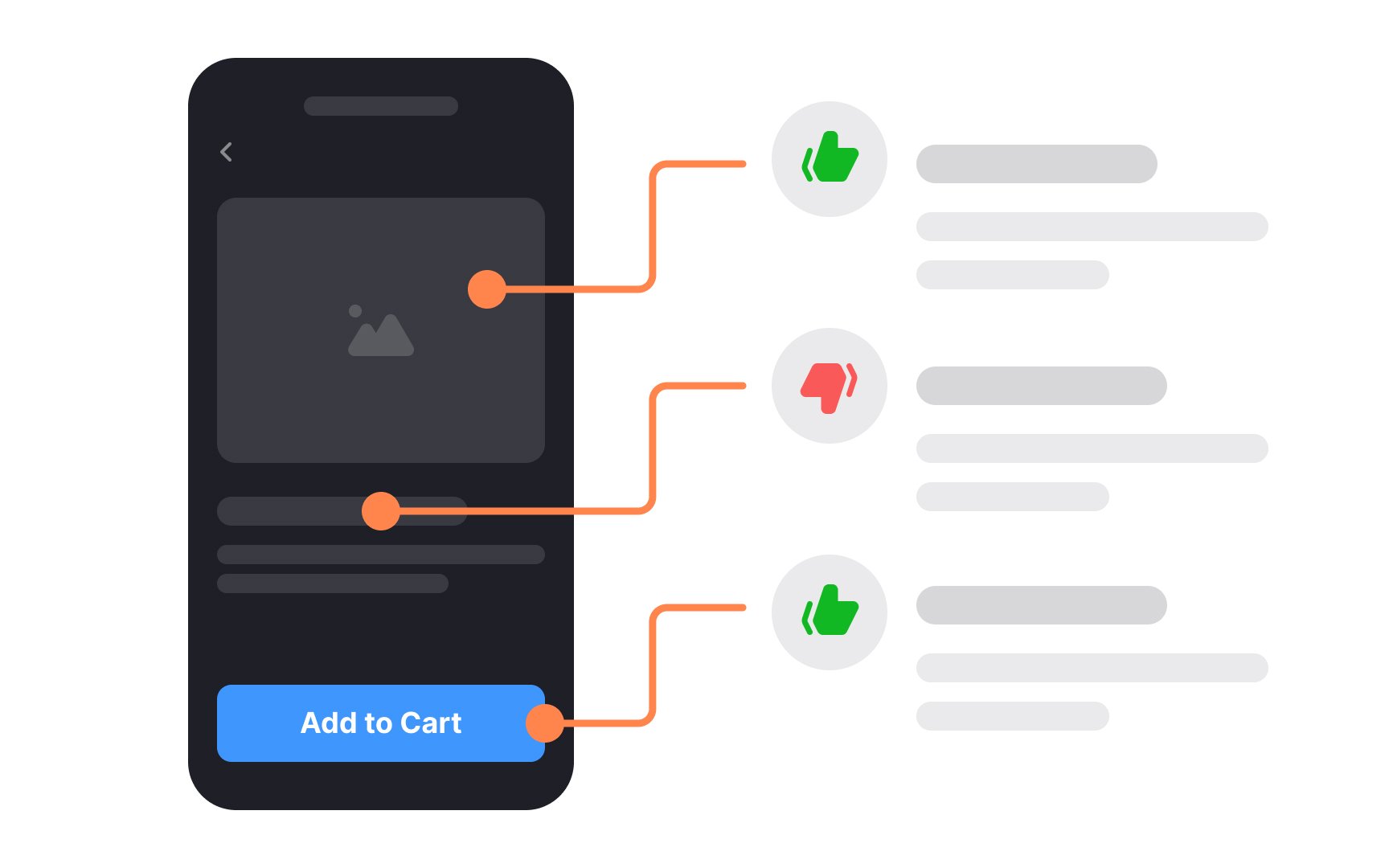
A
- Business analysis
- Personas description
- Technical audit
A/B testing results- Surveys
Interviews - Wireframes
Prototypes
The primary goal of a UX audit is to identify any problems and provide recommended solutions for eliminating UX gaps. Hiring an outside UX professional to offer an objective, critical opinion about the product can be a good idea.[3]
References
- The UX Audit: A Beginner's Guide - Usability Geek | Usability Geek
Top contributors






Topics
From Course

Share


Similar lessons

Qualitative UX Research Methods

Card Sorting in UX Research