Gaining Buy-In, Commitment, and Sign-Off
Guide stakeholders toward confident agreement with clear value, relatable stories, and transparent approval steps.
Good ideas move forward when people feel confident in them, understand their value, and trust the teams behind them. Buy-in grows when communication connects on both emotional and rational levels. Clear messages, relatable stories, and early evidence help reduce doubts and make decisions feel safer.
Persuasive communication is not about pushing harder. It is about showing why something matters and how it supports shared goals. A strong value proposition, a simple narrative, and proof of impact help stakeholders see themselves in the solution rather than standing outside of it.
Commitment also depends on how the process is handled. Open conversations, regular updates, and space for questions build trust over time. When concerns are treated with respect and risks are explained honestly, resistance becomes easier to manage.
Final approval requires structure. Predictable workflows, clear criteria, and transparent responsibilities keep decisions moving and prevent work from getting stuck. When communication, trust, and process work together, support becomes stronger and sign-off becomes smoother.
Stakeholder buy-in reflects how much people support or accept a project. It includes the willingness to participate, the level of confidence in the work, and the commitment to help it move forward. Buy-in is not limited to a simple agreement. It shapes how much influence stakeholders use to support the work and how strongly they stand behind decisions.
Buy-in can take different forms. Each form highlights a different kind of involvement from stakeholders:
- Emotional buy-in grows when people feel comfortable, trust the teams involved, and believe the work fits their values.
- Intellectual buy-in appears when people understand the idea and see its merit through facts and logic.
- Financial buy-in involves providing budget or other material resources.
- Time buy-in happens when stakeholders give hours and attention to help move the work forward.
- Expertise buy-in adds specialist knowledge that improves decisions and quality.
- Social buy-in shows when stakeholders publicly support the work and help build momentum.
Strong support leads to smoother decisions, fewer delays, and more effective collaboration. Low or partial buy-in can create resistance, missed information, or slow progress.[1]
Pro Tip: Map the needed types of buy-in early so you know what kind of support the project must secure.
Persuasion becomes easier when a product idea or change request speaks directly to what matters most to stakeholders. These proposals can take many forms, such as a feature concept, a workflow change, a budget ask, or a plan for improving an existing experience. No matter the shape, each group looks at it through its own priorities.
- Financial leaders often look for cost savings or increased revenue.
- Marketing leaders care about visibility, engagement, and competitive positioning.
- Executives pay attention to long-term direction and how the idea fits strategic goals.
When a proposal reflects these priorities, the conversation shifts from abstract benefits to clear relevance for the people making the decision.
Understanding motivations begins with careful preparation. Identifying what each group values helps teams adjust their message. A tailored message strengthens clarity and reduces misunderstandings. It also shows respect for the stakeholders’ time and expertise. When messages match their language and concerns, people listen more actively.
This approach also helps anticipate objections. Stakeholders who see high risk need reassurance that risks are understood and managed. Others prefer early evidence of impact.[2]
Pro Tip: Identify each stakeholder group’s main priorities before shaping the message so the proposal matches what they care about most.
A
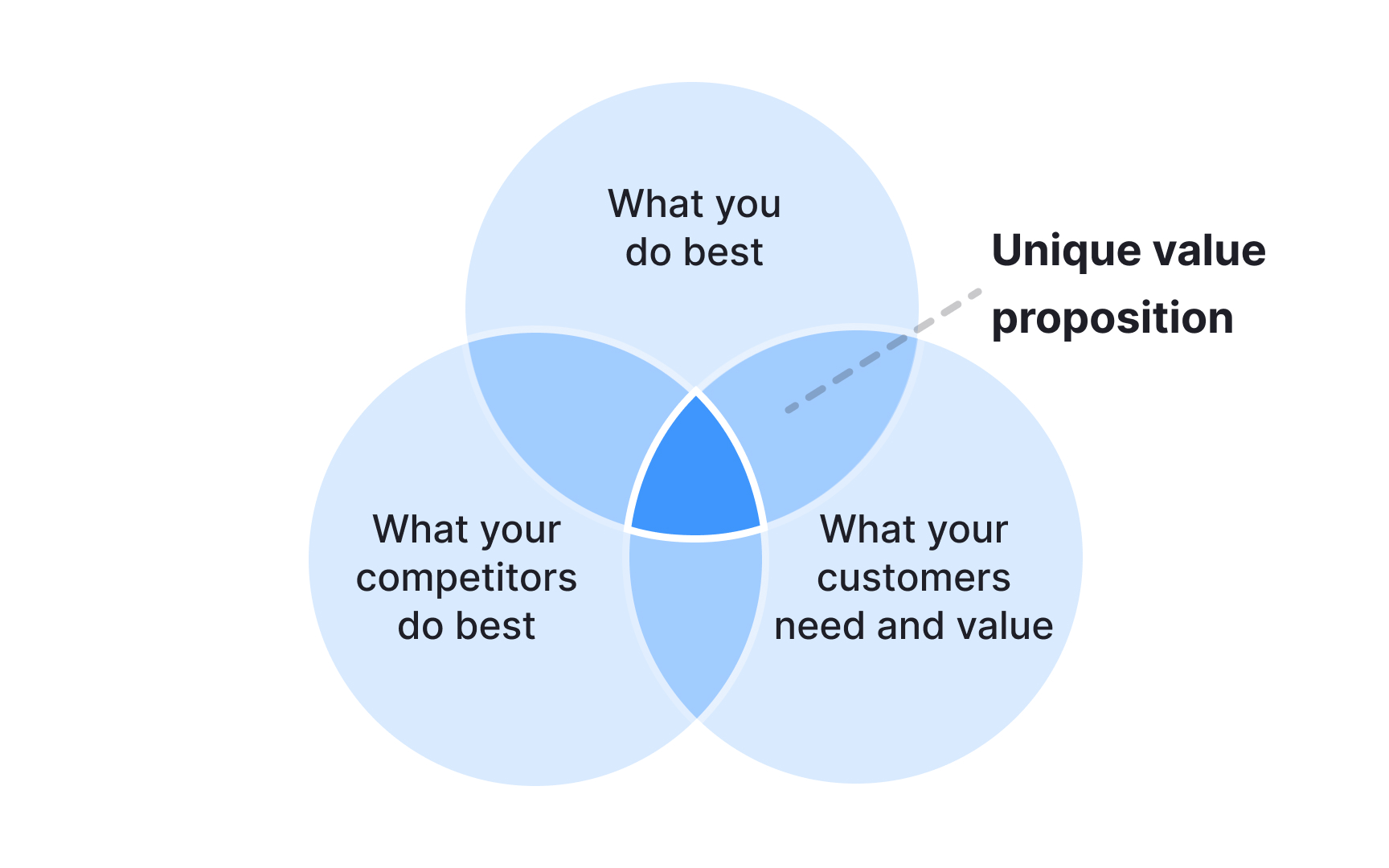
Creating a strong value proposition starts with identifying the theme that drives the initiative. Different groups focus on different priorities. Some look at cost and efficiency, others at customer impact or team performance. When the theme reflects these priorities, the message feels more relevant and easier to support.
A clear example of a value proposition shaped this way is:
“Streamlining the onboarding process reduces operational costs and helps new employees deliver value faster.”
This message is short, specific, and speaks to both efficiency and performance without being vague.[3]
Pro Tip: Focus on one main benefit and phrase it in a way that directly reflects what the stakeholder wants to achieve.
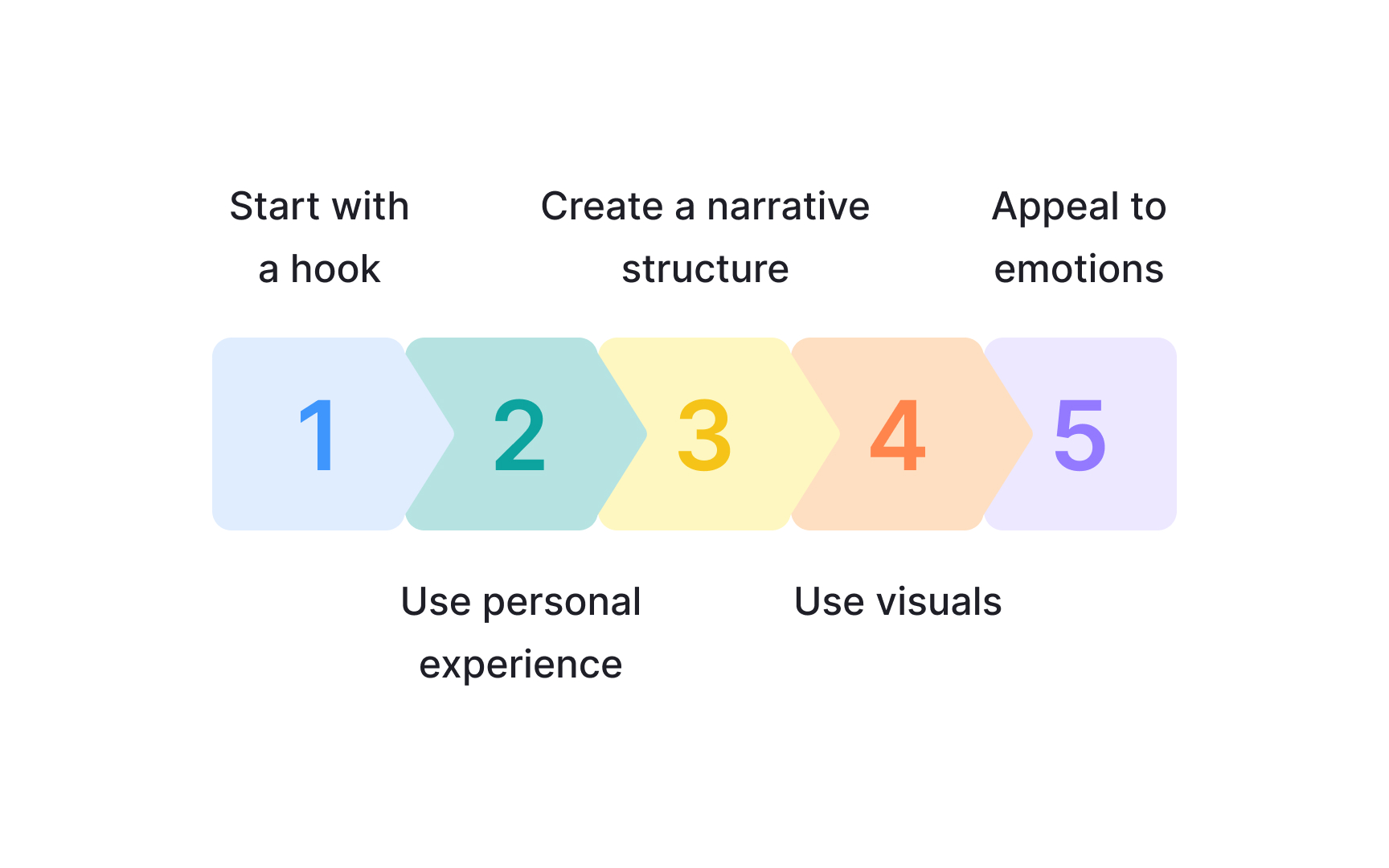
Storytelling helps people understand ideas in a clearer and more human way. A simple story shows the current situation, the challenge people face, and the positive change a proposal can bring. This structure makes information easier to follow and helps stakeholders connect with the purpose behind the work.
Stories also support emotional engagement. When people can imagine a real situation, they understand the impact more deeply. Emotions help stakeholders remember key points and care about the result instead of seeing the proposal as a list of features or tasks.
A short example can show this in practice. Imagine a service team that spends hours searching through scattered information. A story might describe one support agent who tries to help a customer but loses time switching between tools. The narrative then shows how a centralised knowledge base helps the same agent solve problems faster and reduces daily frustration. This makes the benefit easy to picture.[4]
Pro Tip: Focus on one simple situation so stakeholders can quickly imagine the problem and the improvement.
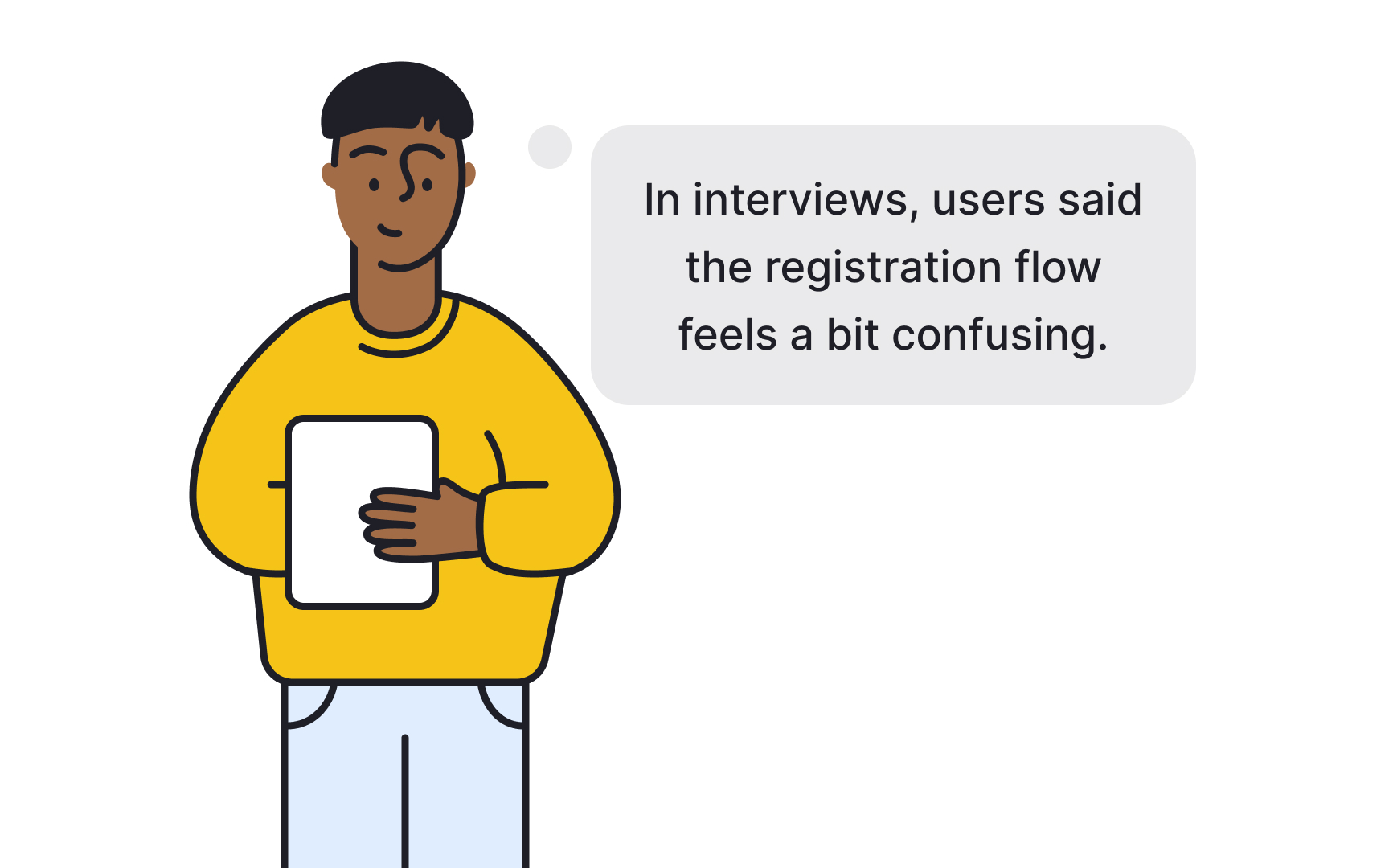
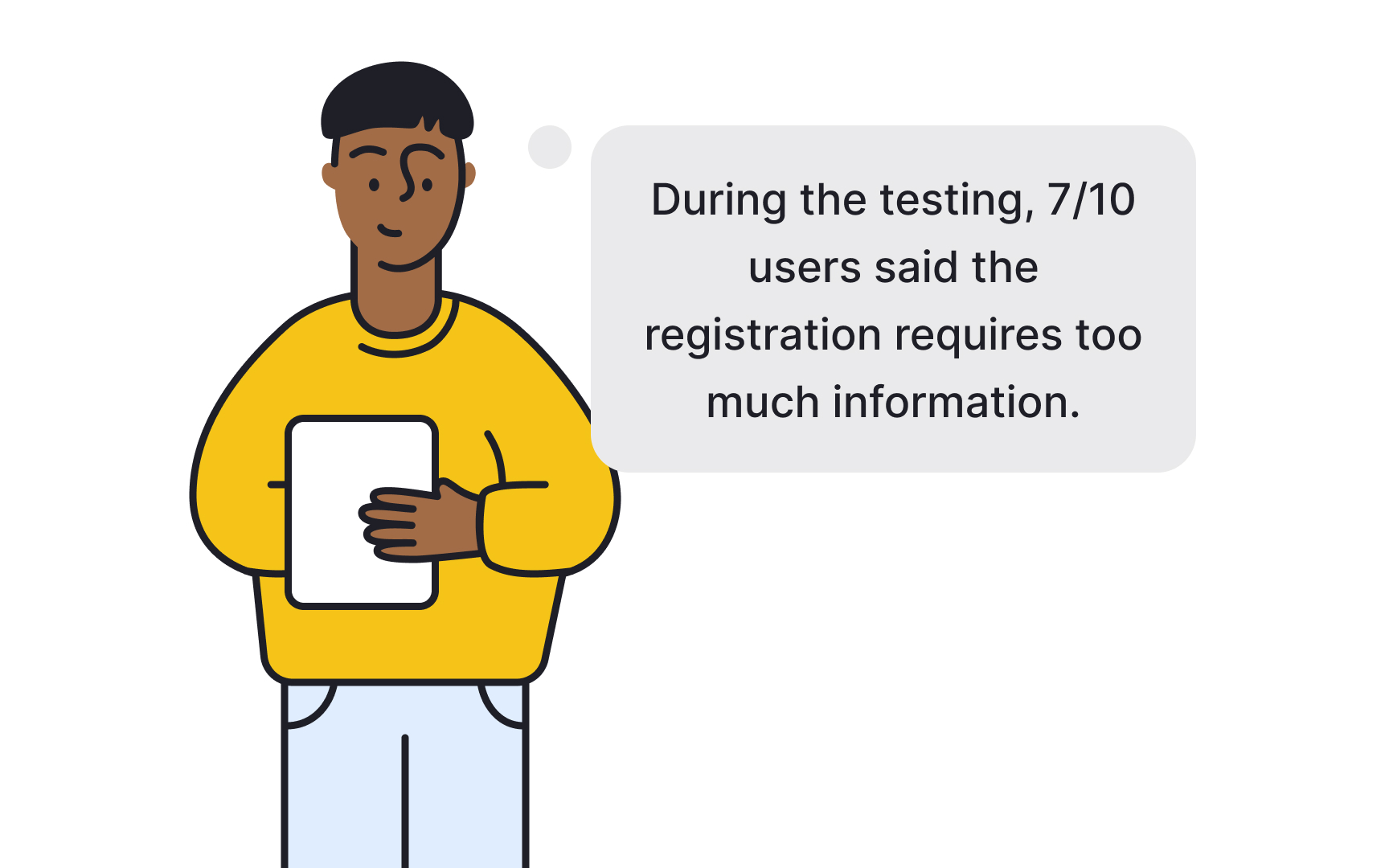
Stories capture attention, but evidence helps people trust the message. Numbers, early indicators, and clear facts help reduce uncertainty and give stakeholders confidence that the proposal is grounded in reality. Evidence can come from pilot results, cost comparisons, user feedback, or small tests that show early improvement.[5]
Combining narrative and data makes the message stronger. A story creates context, and data confirms that the problem is real or that the solution works. For example, a narrative may describe long waiting times in a clinic. Data can then show how often delays happen and how much time could be saved with a better system. This combination keeps the message relatable while also proving its value.[6]
Evidence also helps answer common questions. Stakeholders who focus on risk want to see how the proposal lowers uncertainty. Others care about measurable outcomes. Showing specific indicators, even simple ones, helps people feel that the decision is supported by facts rather than assumptions.
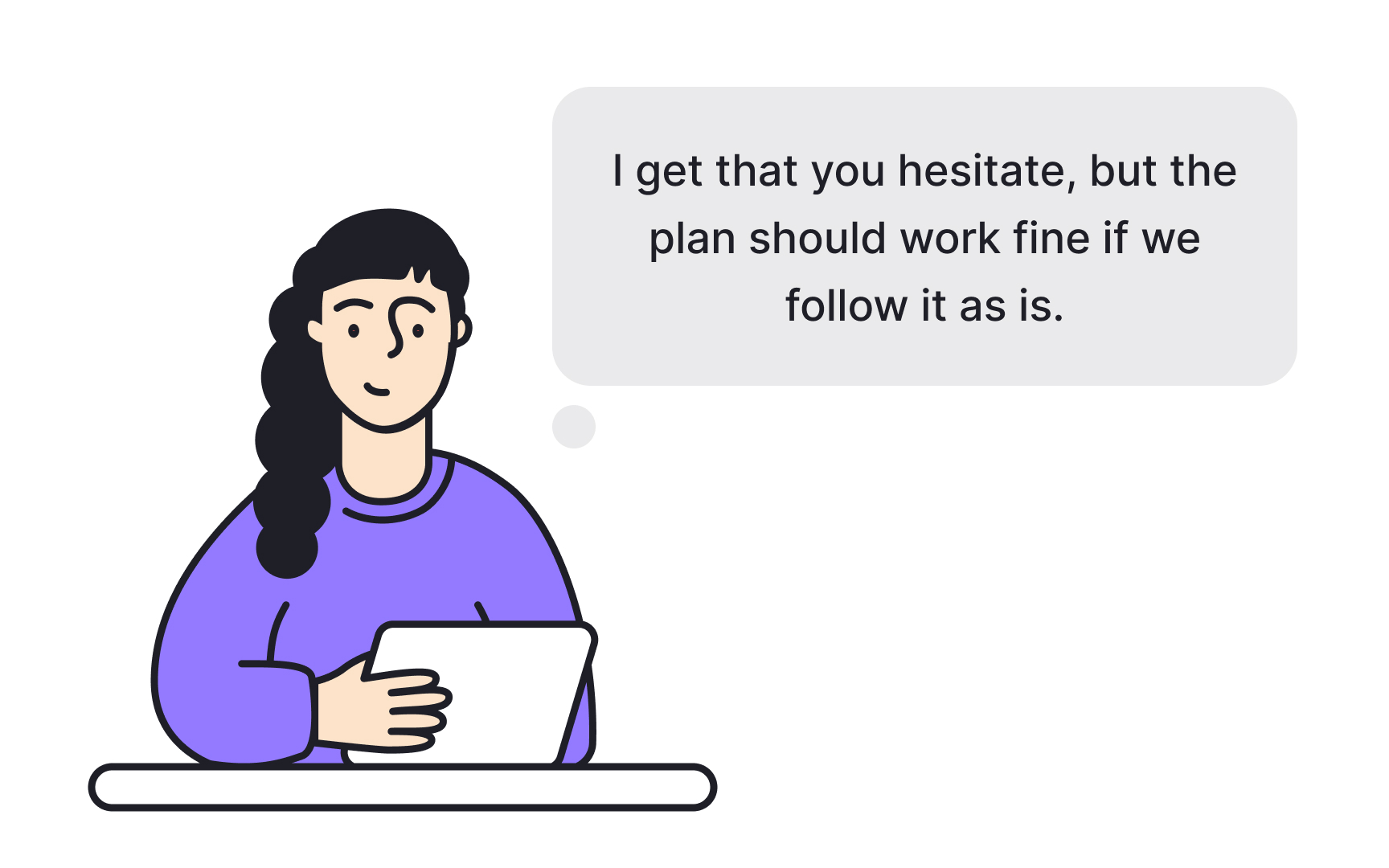
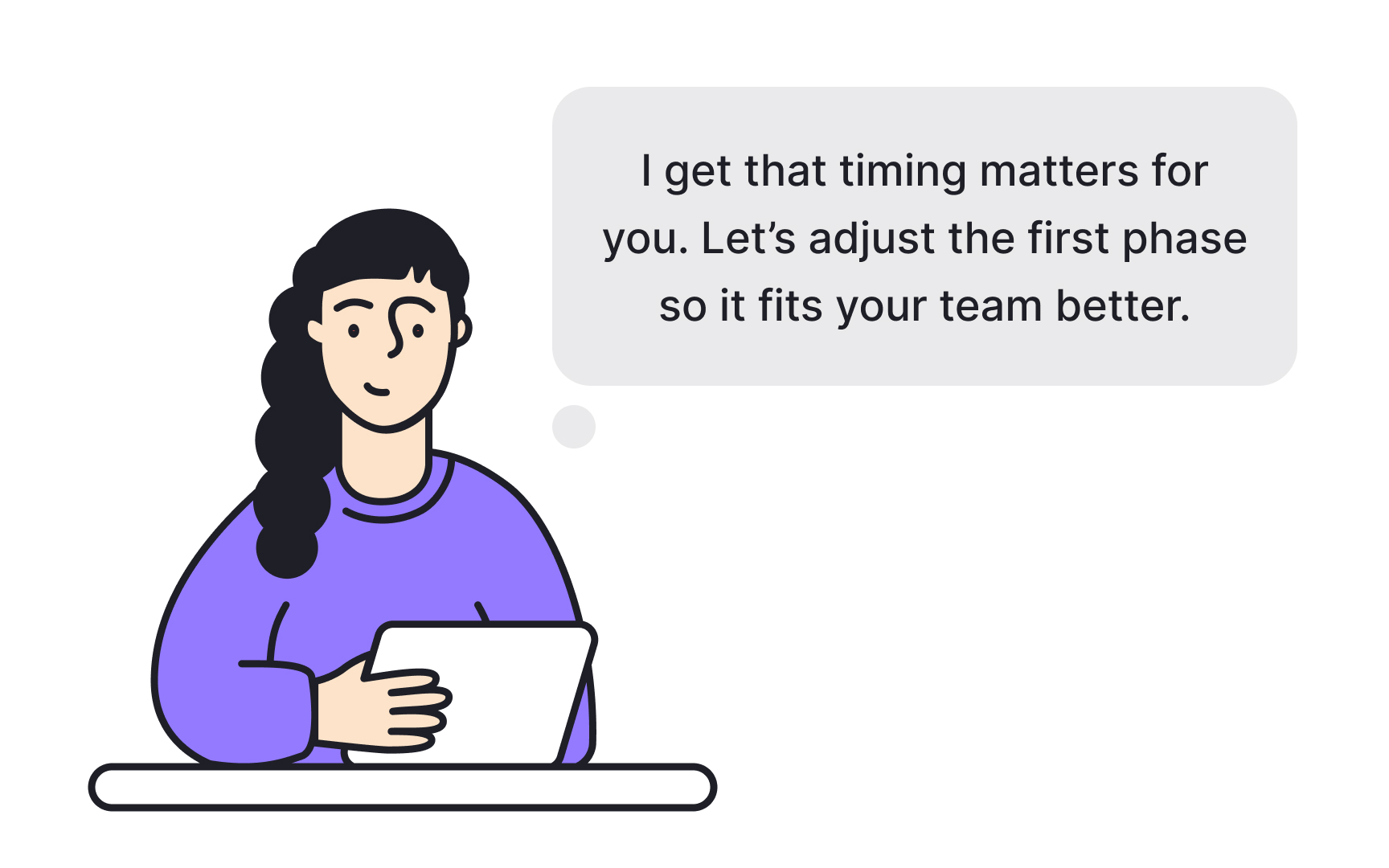
Concerns and objections often appear when something feels risky, unclear, or too demanding. These reactions are useful because they show what still needs attention before stakeholders feel ready to support the proposal.
Not everyone can explain their worries directly. In these cases, it helps to look for clues in their questions and behaviour. Repeated questions about timelines usually mean timing stress. Comments about capacity often point to workload fears. Confusion about the benefit signals a value gap. These patterns help uncover the real issue even when it is not stated clearly.
Clear examples show how to respond in a helpful way.
- Objection: “This will create extra work for my team.”
- Response: Show which tasks will change, what support will be provided, and give one example of how the new process reduces effort elsewhere.
- Objection: “I do not see the value of this right now.”
- Response: Link the idea to a priority the stakeholder already cares about and explain what risk appears if the team waits too long.
- Objection: “This feels too risky.”
- Response: Share early signals, a small pilot, or a simple monitoring plan that makes the next step feel safer.
When resistance is based on past negative experiences, acknowledge it and explain one concrete improvement that makes this proposal different.
Small adjustments, like adding a check-in point or starting with a shorter first phase, can help stakeholders feel more comfortable.[7]
Pro Tip: Treat every objection as a clue. Find the real worry behind it and give one clear action that makes the next step feel safer.
When stakeholders join collaborative discussions, they feel part of shaping the solution. If they only receive a ready plan, they may feel it was created without their input, which often weakens buy-in.
A practical way to start is by surfacing what each group needs. Instead of broad questions, use prompts that guide people toward useful information, such as “What risks should we avoid for your team?” or “Which part of this idea feels most promising to you?” These questions help uncover priorities even when stakeholders cannot articulate them clearly.
It also helps to prepare small, concrete materials. A simple comparison of two possible directions, a rough workflow sketch, or a short scenario gives people something to react to. This avoids abstract debates and helps stakeholders express what fits or does not fit their reality.
Closing the discussion with a shared micro-decision, such as choosing which assumption to test first or which part of the idea needs refinement, keeps momentum. These small agreements build a sense of progress and ownership.
A strong proposal helps stakeholders understand the problem, the suggested solution, and why it matters now. Clear structure and simple delivery make the message easier to follow and increase confidence in the next step.
A practical way to begin is with a short example that reflects a real situation for the business. Imagine a payment failure rate rising during peak hours, causing lost
Evidence makes the proposal feel safer. In the payment-failure example, useful evidence could be a spike in failed transactions during the last high-traffic campaign, a noticeable drop in conversion on peak days, or a small test showing that routing traffic differently reduces failures.
Visual clarity also supports understanding. Simple charts, short timelines, or basic workflows help stakeholders see how the idea works.
Pro Tip: Start with one clear real-world situation and one strong benefit. It helps stakeholders understand why the proposal matters right away.
References
- How to Get Buy-In From Stakeholders: A Guide | Simply Stakeholders
- How to communicate the value of your initiatives to stakeholders | Omniconvert Ecommerce Growth Blog
- How to communicate the value of your initiatives to stakeholders | Omniconvert Ecommerce Growth Blog
- Strategic Narratives: Enhancing Project Management with Storytelling Techniques | Institute of Project Management
- Strategic Narratives: Enhancing Project Management with Storytelling Techniques | Institute of Project Management
- How to Get Buy-In From Stakeholders: A Guide | Simply Stakeholders
Topics
From Course

Share


Similar lessons

Stakeholder Management

Stakeholder Communication