Creating the Stakeholder Register
Recognize how five core social drivers shape stakeholder reactions and motivation.
Product teams know the frustration: the same message lands very differently. An executive supports the idea, an engineer resists it, and customers stop responding altogether. The content hasn’t changed, but the reactions have. What’s happening underneath is rarely about logic alone.
Every interaction with stakeholders triggers subtle emotional and cognitive responses. The SCARF model, developed by neuroscientist David Rock, explains these reactions by looking at five social needs: Status, Certainty, Autonomy, Relatedness, and Fairness. When any of these feel threatened, people instinctively pull back from change. When they feel supported, people lean in.
These domains strongly shape behavior. Feeling valued, informed, trusted, connected, and treated fairly activates engagement and openness. When one of these needs is violated, the brain shifts into defense mode, which often shows up as resistance, silence, or conflict.
Understanding these triggers helps product teams predict reactions, reduce unnecessary friction, and communicate change more thoughtfully. Used well, the SCARF model shifts stakeholder management away from pushing ideas and toward understanding what people need to feel safe enough to move forward.
Stakeholders are often seen as decision-makers, investors, or leaders who influence a project’s direction. Yet behind each title stands a person with distinct needs, pressures, and motivations. They may hold authority or control resources, but they also seek reassurance that their input matters and that their work contributes to meaningful results. Treating them only as roles or obstacles limits understanding and weakens collaboration. Recognizing their human side helps teams build trust and prevent tension before it appears.
Stakeholders respond not only to logic but also to how
Pro Tip: Respect builds trust faster than persuasion. Start by understanding what matters to the person, not just their role.
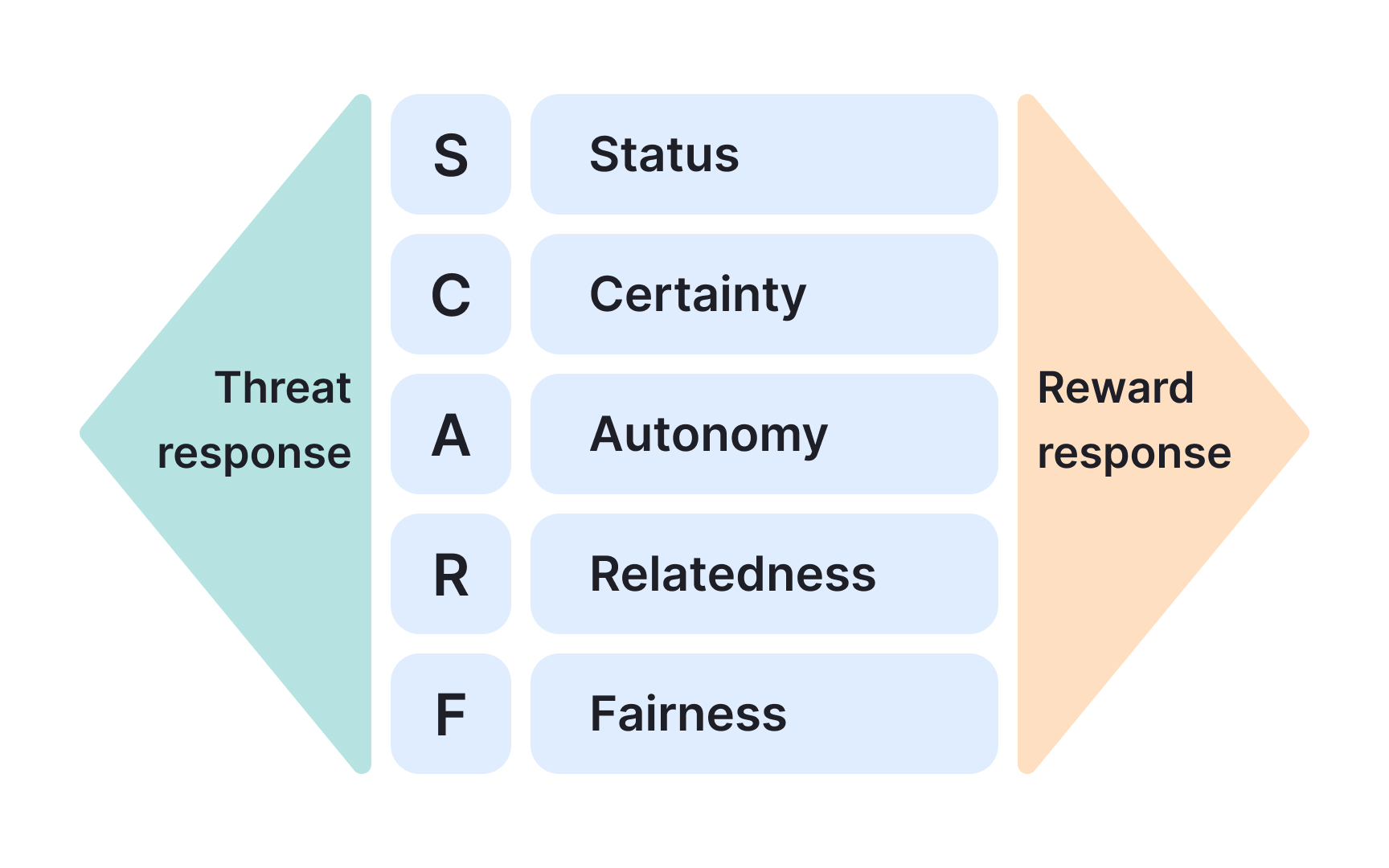
The SCARF model describes 5 social needs that strongly influence how people respond to collaboration, change, and uncertainty. Each domain can trigger a sense of safety or danger in the brain. When these needs are satisfied, people feel motivated and secure. When they are violated, they may resist or disengage. Understanding these domains helps anticipate reactions and adjust communication to keep
The 5 domains are:
- Status: how individuals see their importance compared to others.
- Certainty: how predictable and understandable the future or process feels.
- Autonomy: how much control a person has over choices and outcomes.
- Relatedness: how connected and trusted they feel in relationships.
- Fairness: how equitable and transparent decisions appear.
Each of these dimensions affects behavior in distinct ways. A stakeholder who values certainty may react strongly to unclear plans, while someone driven by fairness may withdraw if they sense unequal treatment. The SCARF model helps identify which domain is most sensitive for each person so communication can reinforce safety rather than trigger defensiveness.
Pro Tip: Watch for signs of tension around fairness or autonomy. These two often reveal where collaboration can quickly break down.
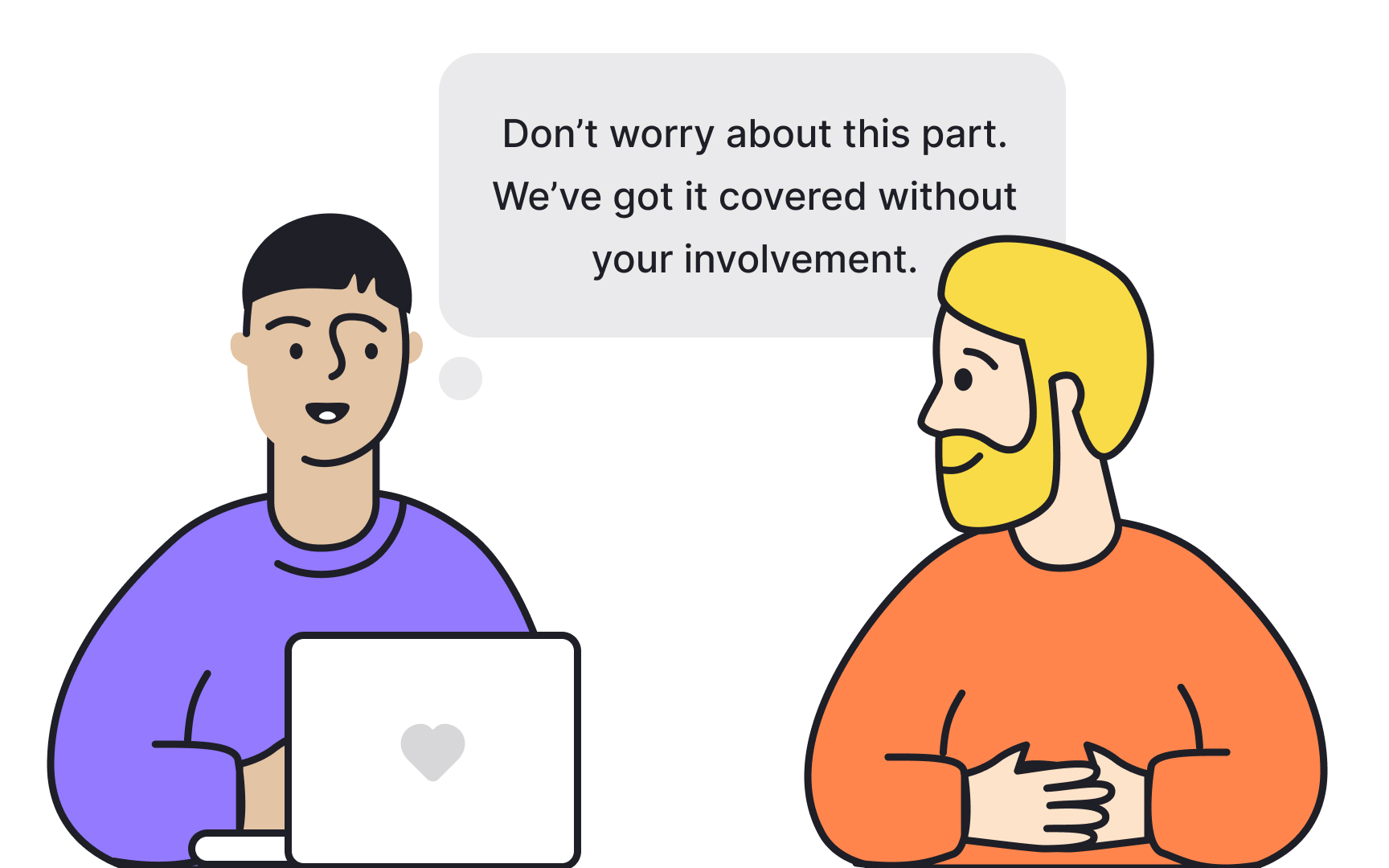
The brain reacts to social
When the environment feels
Pro Tip: Look for subtle cues like tone, posture, or silence. They often reveal whether someone feels safe or threatened in a discussion.
Different stakeholders react to change in different ways depending on which of the five SCARF domains they care about most. Some may value autonomy and seek influence over decisions. Others may need certainty and want clear timelines or predictable outcomes. Recognizing these preferences helps teams anticipate concerns and design communication that prevents unnecessary resistance.
In a new product implementation, for example, a project sponsor may feel motivated when the
These reactions often stay unspoken, yet they shape engagement and cooperation. Noticing them early helps teams respond with clarity, invite feedback, and adjust responsibilities. When people feel their concerns are understood and their role is respected, collaboration becomes easier and more effective.
Spotting these sensitivities is not about labeling people. It is about reading situations through their eyes and understanding what might activate either trust or hesitation. The aim is to adapt communication and involvement so that each group feels both
Pro Tip: Before introducing change, review how it may affect status, certainty, autonomy, relatedness, and fairness for each stakeholder group.
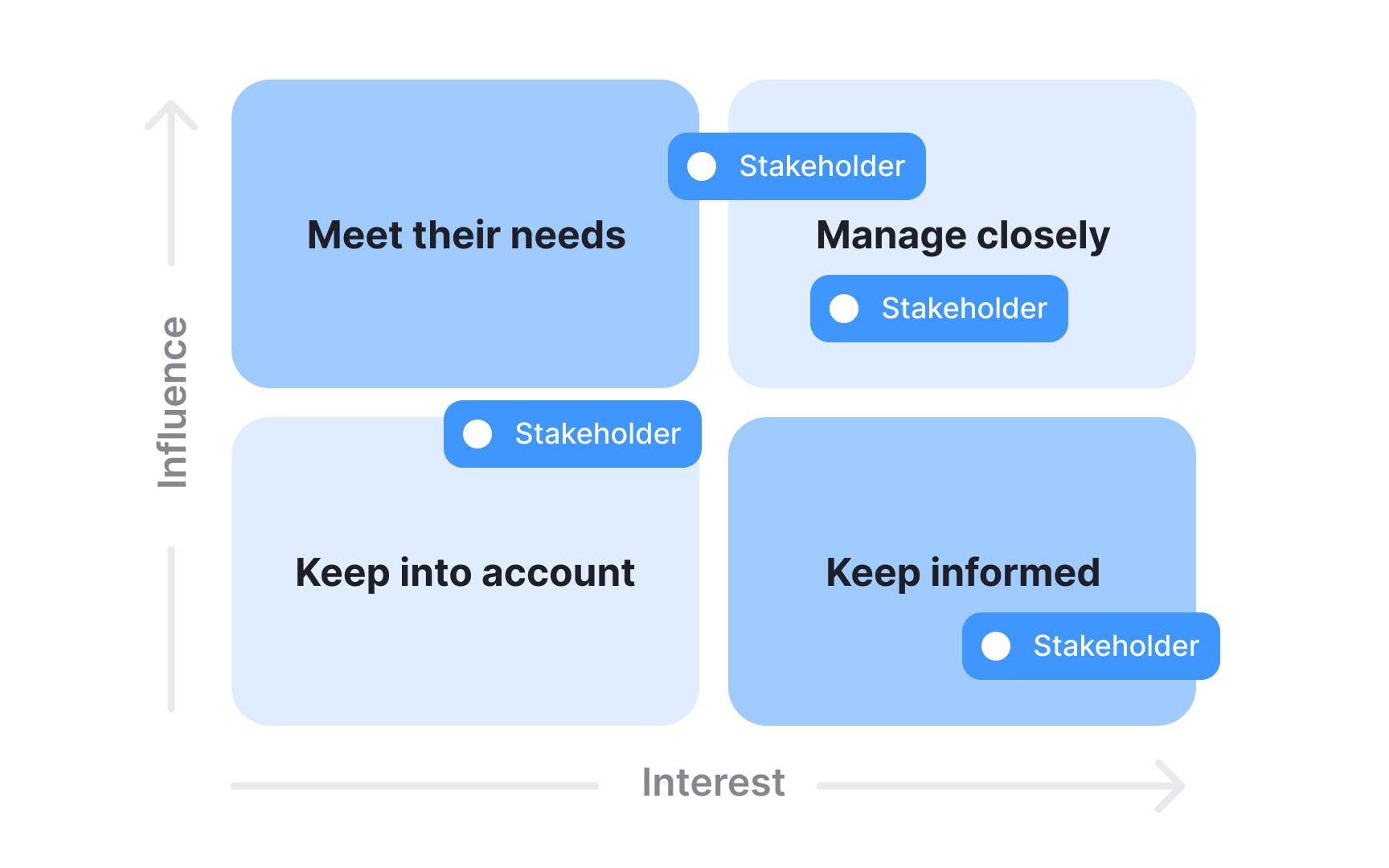
Stakeholder maps usually show levels of influence and interest, but they rarely include emotional or psychological factors. Adding the SCARF perspective helps uncover hidden motivations that shape how people respond to a project. A stakeholder with low formal power but high sensitivity to fairness can still block progress if they feel ignored. Similarly, a leader who values autonomy may withdraw when decisions seem imposed rather than discussed.
Integrating the SCARF model into a map involves looking beyond positions and asking how each stakeholder’s needs are met or threatened. Does the communication style protect their status? Is the project transparent enough to create certainty? Do they have enough control to feel autonomous? These questions transform a static chart into a living tool that helps predict engagement levels. Teams can then plan
Pro Tip: When mapping influence, add a quick SCARF note for each person to visualize emotional risks alongside power and interest.
Stakeholders rarely express discomfort directly. Instead, their reactions appear through tone, posture, or subtle behavior. Avoiding eye contact, crossing arms, or interrupting others may signal a threat response linked to a SCARF domain. A person might feel uncertain about next steps, worry about fairness in decision-making, or sense their status being challenged. These signs often surface before open disagreement begins.
Observing such cues helps teams adjust in real time. If someone seems quiet, keeps a closed posture, and gives short answers, offering clarity can restore certainty. If a participant frequently interrupts, giving them space to share ideas can rebuild a sense of status or autonomy. The goal is not to analyze people but to stay sensitive to their comfort and engagement levels. Meetings that encourage respectful listening and transparent dialogue keep threat responses low and cooperation high.
Pro Tip: Pay as much attention to how people speak as to what they say. Small shifts in tone or pace often signal changing emotional states.
Communication can either calm or activate threat responses. When messages lack clarity, sound controlling, or ignore
Reducing perceived threats starts with small, consistent actions, such as:
- Providing clear context reduces uncertainty.
- Sharing decision rationales builds fairness.
- Offering space for questions supports autonomy.
- Using inclusive language strengthens relatedness and respect for status.
Each adjustment signals that people’s needs are recognized and valued. Over time, these patterns create an environment where stakeholders feel
Pro Tip: Before sharing news or updates, check if your message offers clarity, fairness, and autonomy. These lower threat reactions instantly.
A sense of control is one of the strongest motivators in the workplace. When people can influence how tasks are done or how decisions are made, their engagement and confidence increase. In contrast, when decisions are made for them without
Involving people early in discussions, offering real choices, and creating feedback loops are practical ways to strengthen autonomy. For instance, inviting stakeholders to test a prototype or shape a rollout plan allows them to feel ownership of the outcome. Even when final decisions rest elsewhere, acknowledging their input shows that their judgment matters. The result is greater trust, reduced resistance, and stronger commitment to shared goals.
Pro Tip: Involve stakeholders early, even in small ways. Participation turns control into cooperation.
Perceived fairness has a powerful impact on trust and motivation. When stakeholders feel that processes or decisions are consistent and transparent, they tend to support outcomes even if they do not fully agree with them. On the other hand, when rules appear unclear or exceptions are made without explanation, people often feel excluded or undervalued. The SCARF domain of fairness emphasizes that perception matters as much as the facts themselves.
Creating fairness starts with clarity and openness. Explaining how decisions are made, applying the same criteria to everyone, and following through on commitments all strengthen credibility. When unexpected changes occur, proactively sharing the reasons behind them reduces frustration and maintains trust. Fairness does not mean treating everyone identically but ensuring that every person understands how and why choices are made.
A typical example is a project where one department receives extra funding without others knowing why. Even if the data supports the decision, the lack of context can create tension. Explaining how priorities were set and what criteria guided the choice restores fairness and prevents resentment.
An effective engagement plan does more than list tasks and deadlines. It also helps meet the psychological needs that keep people motivated. Using the SCARF framework, teams can make sure their actions support safety, trust, and collaboration instead of triggering stress or confusion.
To apply it in practice, think through everyday situations. Do weekly updates clearly explain how new decisions affect next steps, helping people feel more certain? Do workshops and feedback sessions let stakeholders take part in shaping outcomes, not just reacting to them? Are individual and team efforts openly recognized to show respect for their contribution and status?
Keeping these questions in mind helps teams prevent disengagement and build stronger relationships. As projects evolve, revisiting the plan ensures that shifting needs are noticed early. When engagement considers both tasks and emotions, collaboration becomes more balanced and sustainable.



Similar lessons
Stakeholder Management

Stakeholder Communication