Communicating the Product Vision
Transform strategic vision into shared understanding through purposeful communication that aligns teams and drives execution
Product vision serves as the north star for teams, but its power only materializes when communicated effectively. A compelling vision doesn't live in documents or slide decks — it lives in the minds and actions of everyone building the product. Strong vision communication transforms abstract strategy into concrete understanding, aligning diverse teams around a shared future. It bridges the gap between leadership's strategic thinking and execution teams' daily decisions.
The challenge lies not in creating a vision statement, but in making it resonate across technical teams, business stakeholders, customers, and investors. Different audiences need different formats: some respond to narrative storytelling, others to visual prototypes or data-driven roadmaps. Repetition isn't redundancy; it's reinforcement. The most successful product leaders use multiple channels and formats to embed vision into organizational culture, ensuring every team member can articulate not just what they're building, but why it matters.
A
The cost of poor vision communication is substantial. Teams build features that don't serve the larger goal, stakeholders question strategic decisions, and organizational energy scatters across conflicting priorities. Strong vision communication creates alignment, reduces rework, and accelerates progress toward meaningful outcomes.
Common formats include written vision statements, slide presentations, video narratives, storyboards, physical artifacts like posters, and visiontypes (idealized prototypes). Each format serves specific purposes and contexts. Written statements work for reference and documentation, while videos create emotional connection. Visiontypes make abstract concepts tangible, and storyboards illustrate user journeys through the envisioned future.
Start with a concise written statement as your foundation, then adapt it into visual and interactive formats for different audiences. Consider context too — a hallway poster serves different needs than a stakeholder presentation. Mix formats to reinforce the same core message through different channels, increasing comprehension and retention.
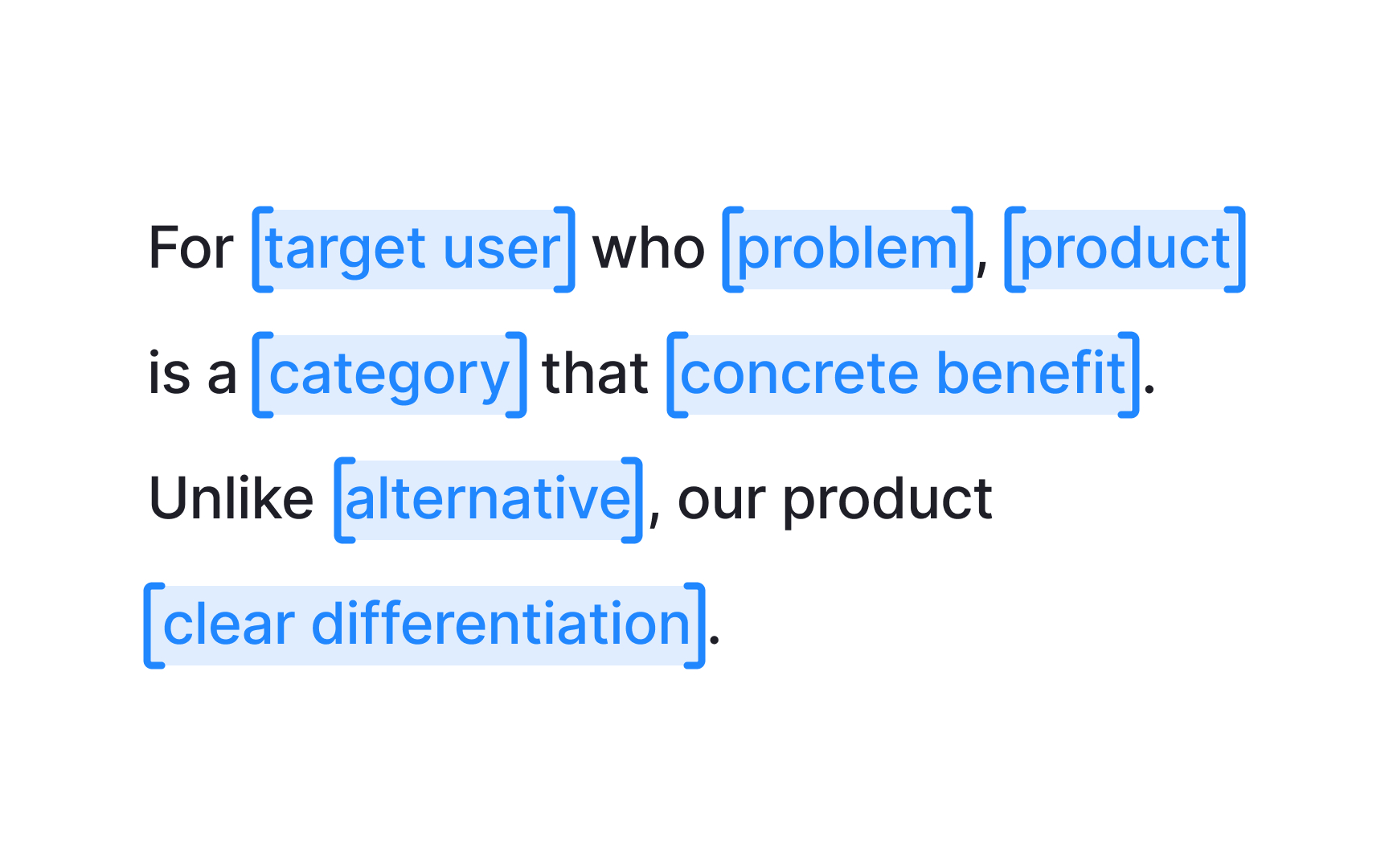
A vision statement distills your product's future into a concise, memorable declaration. Effective statements follow a clear structure that answers what the product will become, who it serves, and why it matters.[1] Here’s an example: "For [target customer] who [statement of need], the [product name] is a [product category] that [key benefit]. Unlike [primary competitive alternative], our product [primary differentiation]."
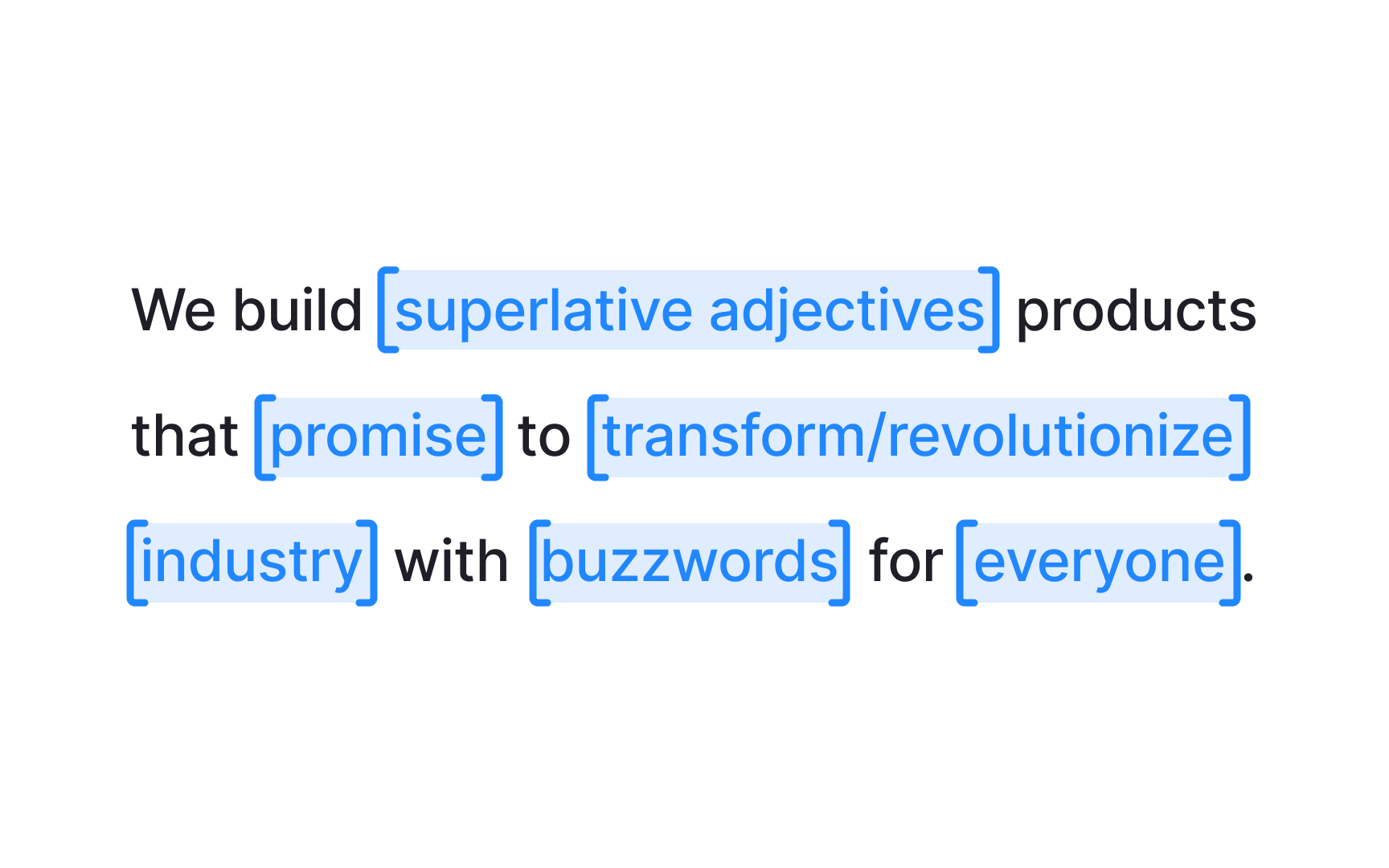
Vision statements must be specific enough to guide decisions but broad enough to inspire multiple solutions. Avoid vague phrases like "best-in-class" or "world-leading" that sound impressive but mean nothing. Instead, articulate concrete outcomes and measurable impact. A strong statement like "For remote teams who struggle with async communication, our platform enables seamless collaboration across time zones through intelligent notification management" provides clear direction.
Use your vision statement consistently as a decision-making filter. When evaluating features or strategic choices, ask whether they advance the vision. Display the statement prominently in workspaces, include it in onboarding materials, and reference it in planning meetings. The statement becomes powerful when teams internalize it enough to apply without prompting.
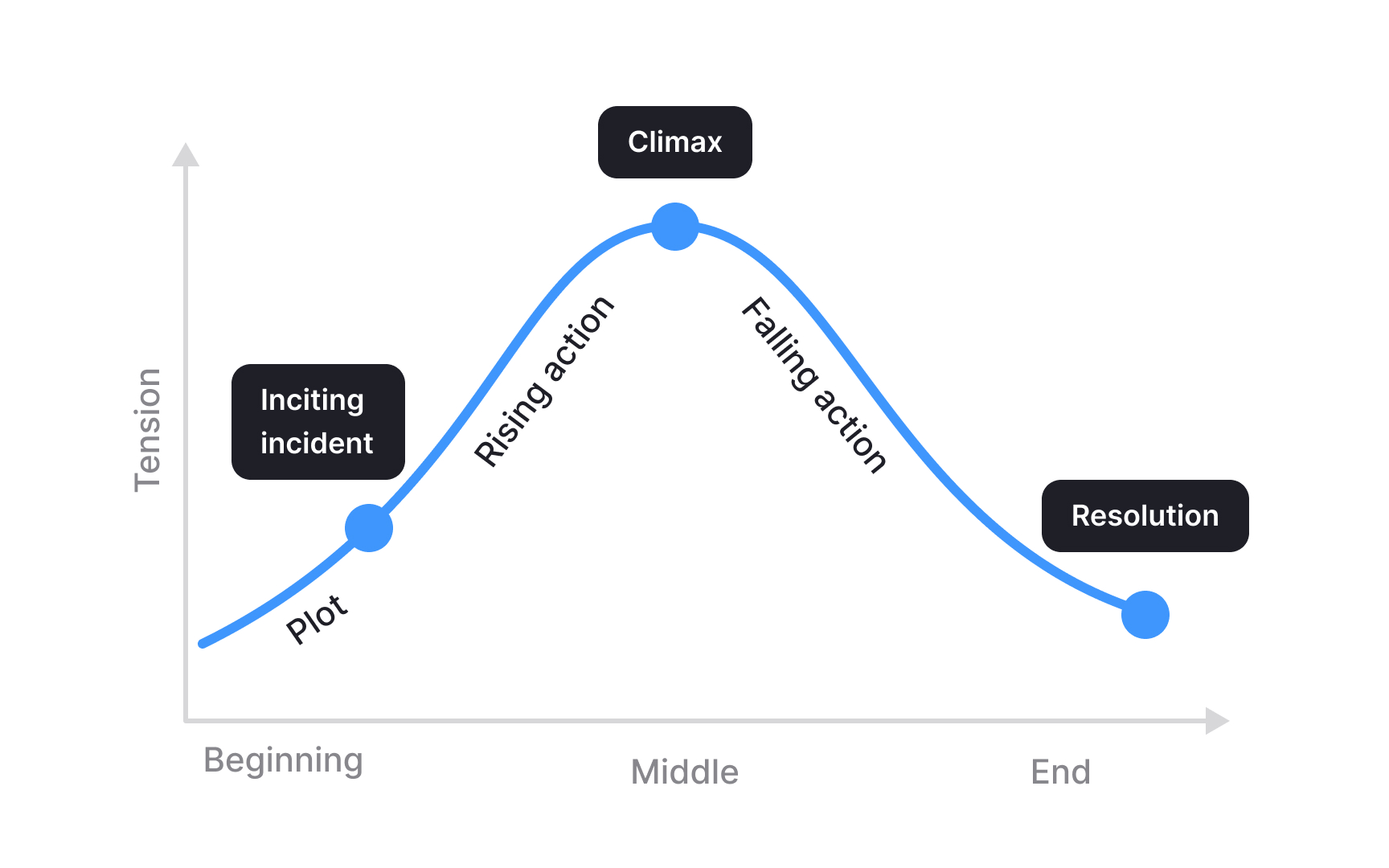
Stories activate human brains differently than facts and figures. When people hear a compelling story, their neural activity synchronizes with the storyteller's, creating shared understanding and emotional connection. Vision stories transform abstract strategy into relatable human experiences, making the future feel tangible and achievable.
Effective vision stories follow classic narrative structure with a protagonist facing challenges, encountering your
Craft stories using concrete details that engage the senses. Describe the protagonist's environment, their frustrations, and the relief they feel when problems dissolve. Use dialogue sparingly but effectively to reveal character and conflict. Keep stories focused on a single narrative arc — complexity dilutes impact. The goal is for listeners to think "I understand exactly what this means" rather than "that sounds interesting."
Pro Tip: Test your story on someone unfamiliar with your product. If they can't retell the core narrative, simplify further.
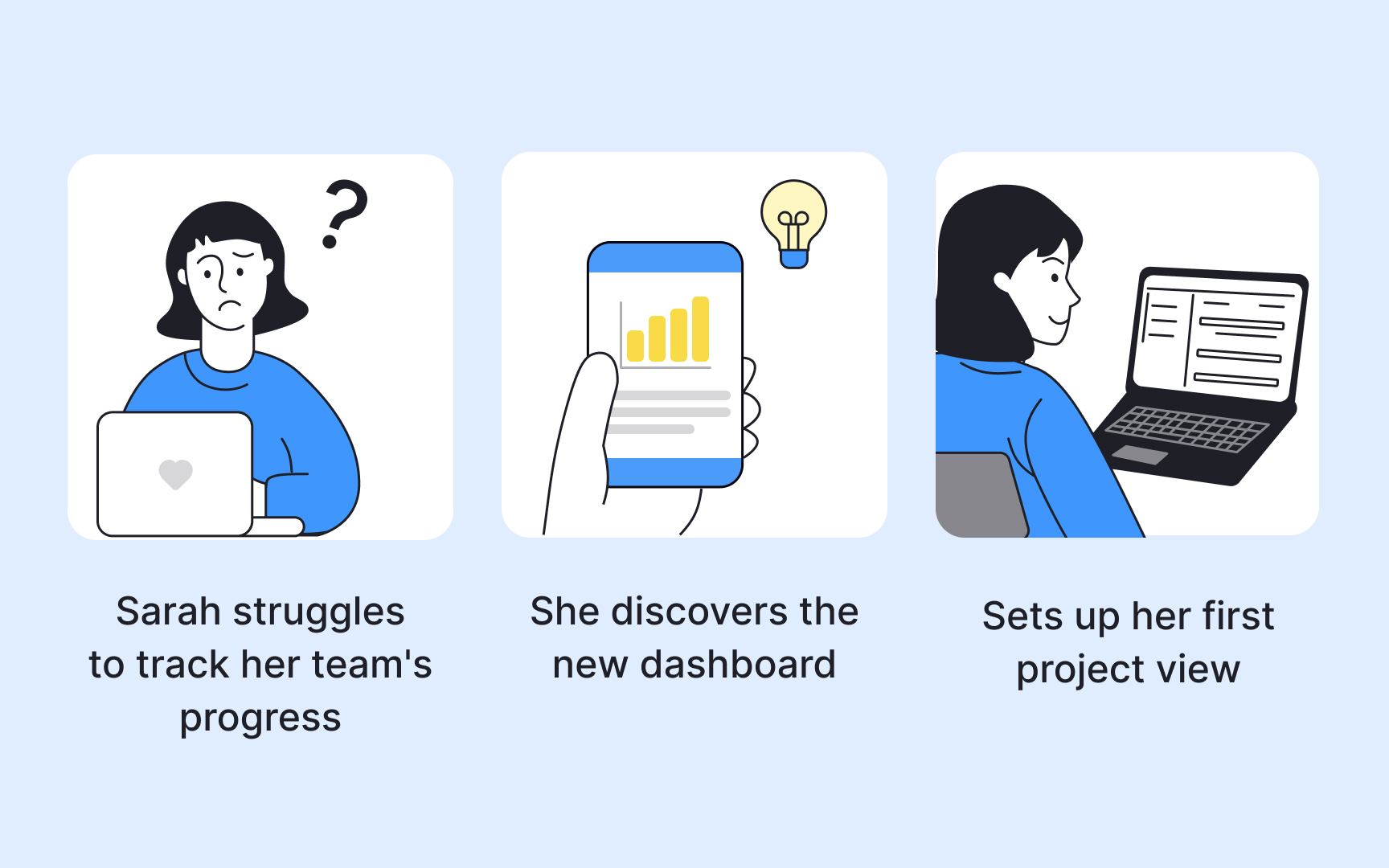
Storyboards visualize vision through sequential illustrations that show how users will experience your product's future. Storyboarding forces you to think concretely about user context, emotions, and interactions. Unlike written descriptions, storyboards make vision tangible by depicting real scenarios frame by frame.
Creating storyboards starts with identifying your protagonist and their situation that leads to using your product. Map the journey through key moments — problem recognition, discovery, first use, transformation. Each frame should advance the narrative and reveal something about the envisioned experience. Include environmental details, facial expressions, and key interface elements, but avoid overwhelming detail. The goal is communication, not artistic perfection.
Storyboards excel at revealing gaps in vision logic. When you try to illustrate how someone moves from problem to solution, missing steps become obvious. They also facilitate team discussion because everyone can point to specific frames and suggest improvements. Use rough sketches for internal iteration, then create higher fidelity versions for stakeholder presentations. Tools range from paper and pencil to digital drawing apps. Today, teams can also use AI tools to create visuals, either by making single images for each frame or by using AI
Vision videos combine visual storytelling, voice narration, and music to create multi-sensory experiences that embed vision in viewers' minds. Videos are particularly effective for
Strong vision videos follow a clear story structure with exposition, rising action, climax, and resolution. Start by establishing your protagonist and their world, introduce the problem they face, show how your
Production quality matters less than story quality for internal vision videos. Tools like Principle, Keynote with animations, or even PowerPoint with morph transitions can create effective videos without After Effects expertise. Focus on clear narration, appropriate music that enhances emotion, and visual pacing that allows viewers to absorb each scene. Include captions for accessibility and test videos with diverse audiences before major presentations.
A visiontype combines "vision" and "
Visiontypes serve multiple strategic purposes. They align teams around a concrete north star, excite stakeholders about future possibilities, and help secure investment by showing rather than telling. Companies use visiontypes when products stagnate, competitive landscapes shift, or new markets beckon. The key is grounding aspirational thinking in research and user needs rather than pure speculation or science fiction.[3]
Create visiontypes through iterative design that explores key
People need to hear messages multiple times before they internalize them. Vision communication isn't a one-time announcement — it's an ongoing campaign that embeds strategic direction into organizational culture through consistent repetition across multiple channels.
Effective repetition varies the format and context while maintaining the core message. Reference vision in sprint planning meetings, use it as a
Avoid verbatim repetition that feels mechanical or condescending. Instead, demonstrate vision through examples, stories, and decisions that illustrate its application. Celebrate when team members make vision-aligned choices autonomously. Address misalignments promptly by reconnecting decisions back to vision principles. The goal is for vision to become second nature — something teams reference naturally rather than something imposed from above.
Pro Tip: Reference vision in every major product decision meeting. Consistent application trains teams to internalize and apply it independently.
You cannot improve what you don't measure. Tracking how well teams understand and apply vision reveals communication gaps and guides refinement efforts. Without measurement, you operate on assumptions that may not reflect reality. Strong product leaders establish metrics for vision adoption from the start and adjust their communication strategy based on data.
Measure understanding through direct assessment and behavioral observation. Ask team members to explain the vision in their own words and evaluate consistency across responses. Review recent product decisions against vision principles to assess application. Track how often vision appears in team discussions, documents, and decision rationale. Survey stakeholders periodically about vision clarity and relevance. Look for leading indicators like feature
Act on measurement insights quickly. If engineers understand vision but designers don't, you need format or channel adjustments for design teams. If everyone articulates vision correctly but decisions don't reflect it, you have an application problem, not a comprehension problem. If vision understanding degrades over time, increase reinforcement frequency. Use measurement to iterate your communication approach just as you would iterate on
References
Topics
From Course

Share


Similar lessons

Intro to Product Discovery

Your Product Vision and Strategy