Breaking away from the page metaphor
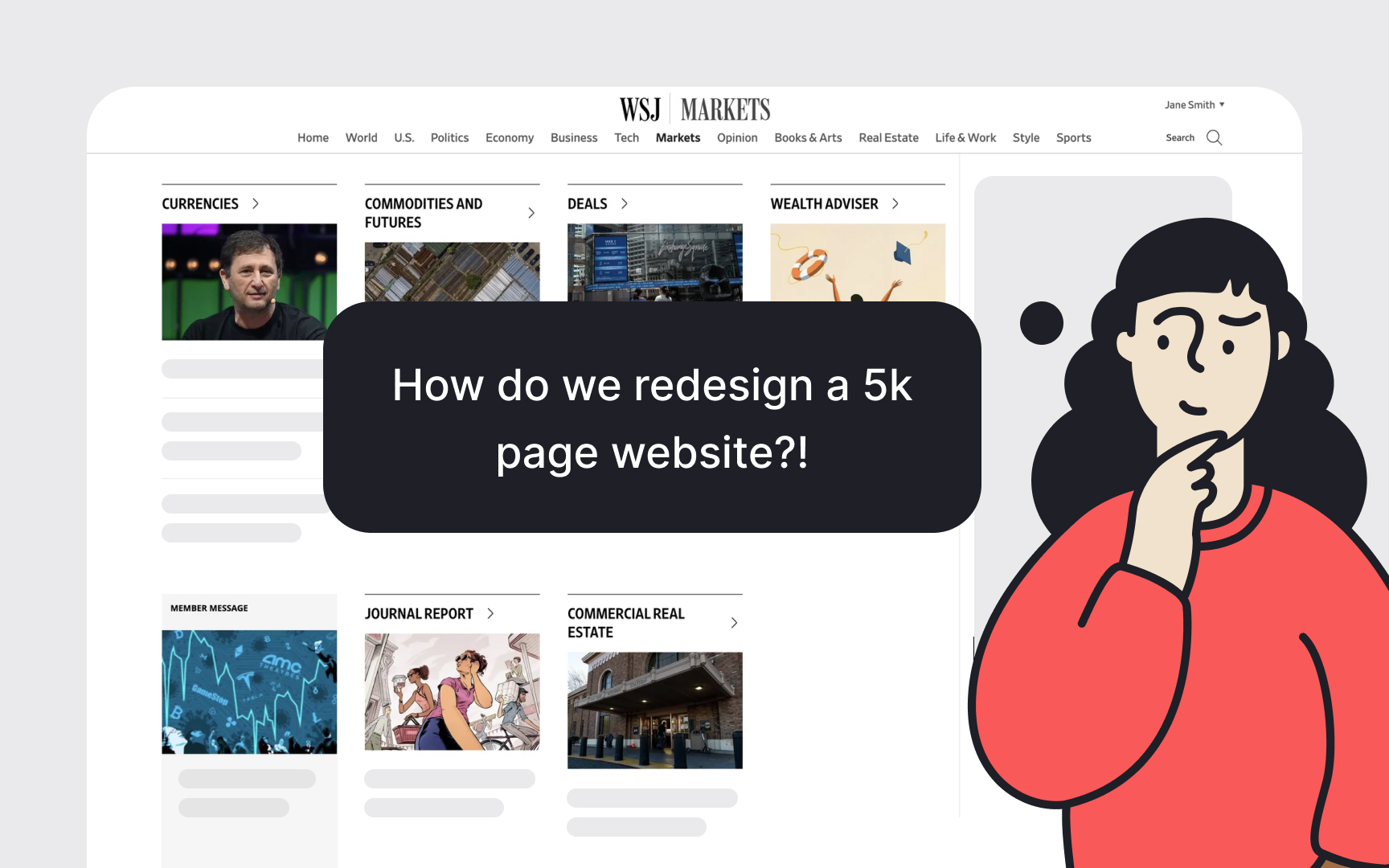
For decades, digital interfaces were seen as pages — static screens to be designed, reviewed, and built one by one. This metaphor came from print and early web publishing, where information was organized into separate, fixed documents. However, as digital products became interactive and responsive, this idea began to limit creativity and scalability. Thinking in pages makes teams treat every screen as unique, which slows down design and creates inconsistency across platforms.
Brad Frost, the author of the atomic design methodology, argued that the web is not made of pages but of systems. Each interface consists of many interdependent parts that work together across different devices and contexts. When designers shift their focus from building pages to designing systems, they start to see patterns that repeat and evolve. Buttons, forms, and navigation elements stop being isolated visuals and become components that can be reused, adapted, and scaled. This shift toward systems thinking is what allows design systems to support continuous growth rather than one-time redesigns.[1]