Crafting personalized content recommendations
Personalized content recommendations keep users engaged by presenting them with relevant information or features based on their interests and behavior. This strategy can significantly reduce churn by continually providing value to users. Implement a recommendation engine that analyzes user interactions, such as clicks, time spent on content, and explicit preferences. Use this data to create accurate user profiles and predict what content or features will be most appealing to each individual.
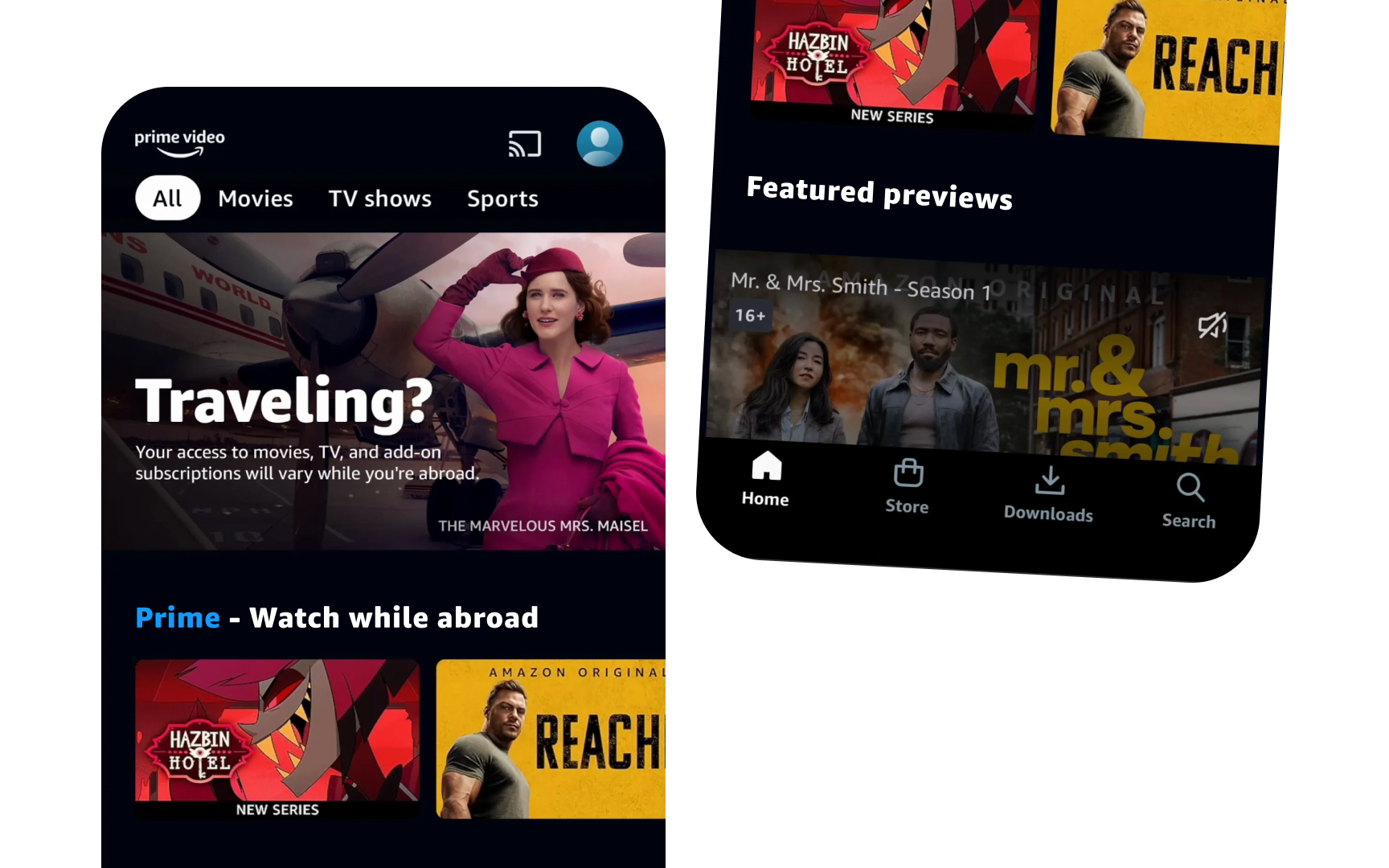
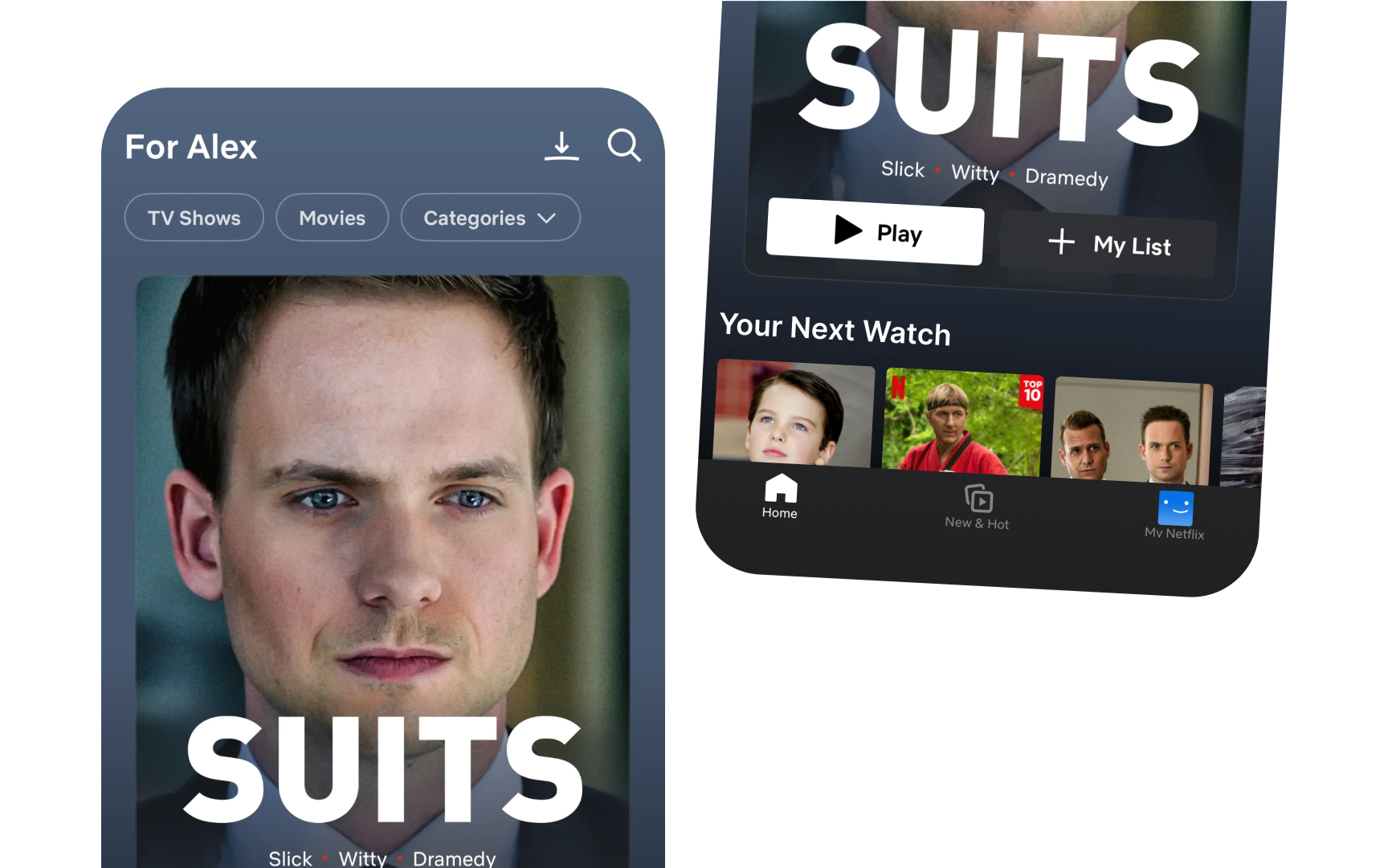
Netflix demonstrates effective personalization by greeting users by name and showing "Your Next Watch" recommendations that match what they like to watch. On the contrary, Amazon Prime's label "Featured previews" sounds generic and makes users feel like they're seeing the same content as everyone else, even if the content is actually personalized. The words we choose can make users feel either that content was picked just for them or that they're seeing generic recommendations. Regularly update and refine the recommendation algorithm based on user feedback and changing behaviors. Consider implementing A/B testing to optimize the recommendation system and improve its accuracy over time.[1]