Validating hypotheses through data-driven experiments
Every product decision starts as a hypothesis: a prediction that one change will affect user behavior or a business outcome. Without validation, these remain guesses. Data-driven product management uses experiments to confirm or disprove such predictions.
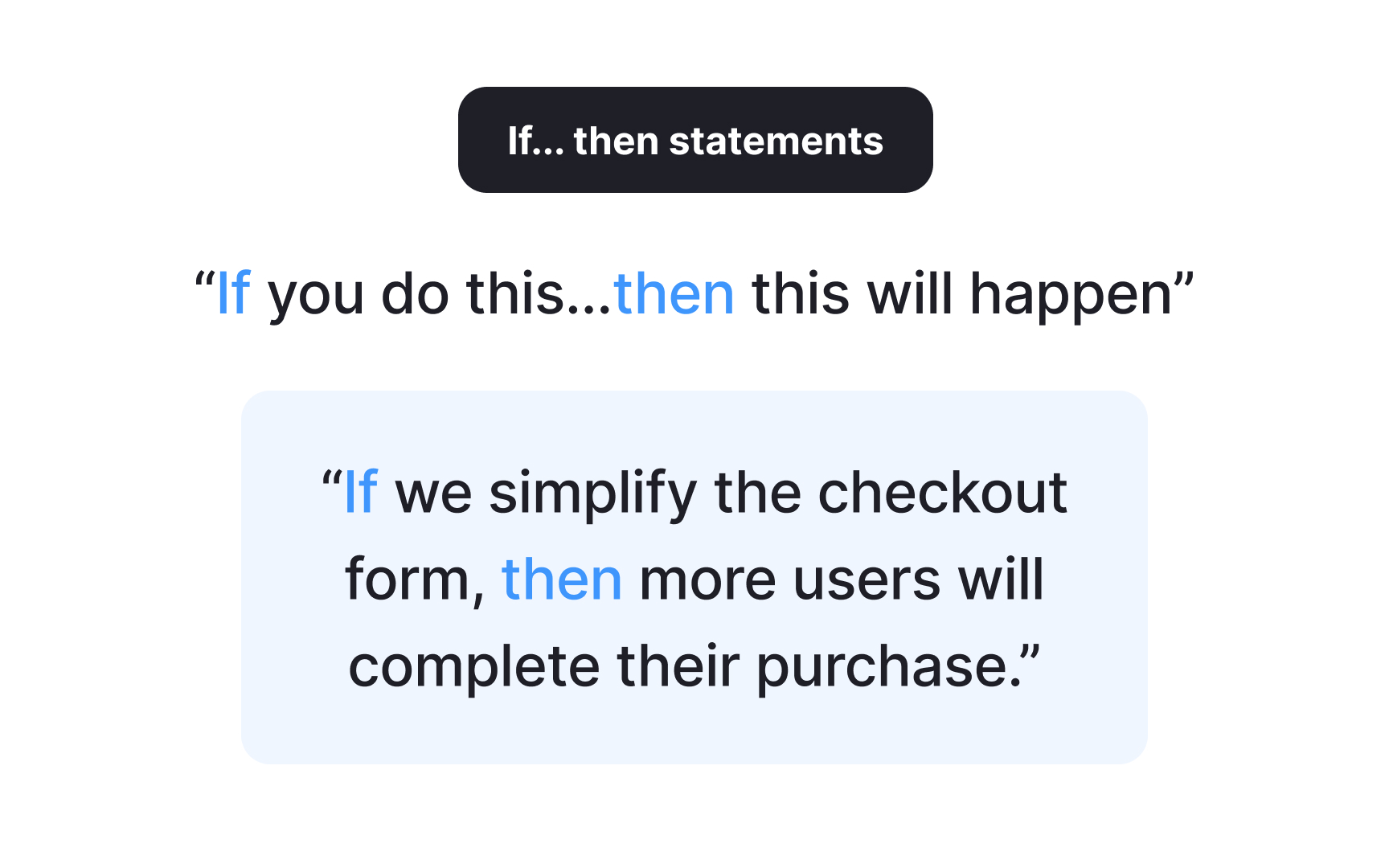
A structured hypothesis might read: If we redesign onboarding, then more users will complete account setup. Product managers can test this with an A/B experiment, comparing user completion rates before and after the change. Other frameworks, such as MoSCoW prioritization, help decide which hypotheses are worth testing based on alignment with product vision.
Validating ideas through evidence reduces risk and prevents wasted resources. It also builds confidence that roadmap priorities are not based on hunches but on data-supported learning. Over time, this cycle of building, measuring, and learning leads to steady product improvement.
Pro Tip: Frame hypotheses with clear “if…then” statements so tests generate actionable answers, not vague signals.