Evaluate success rate

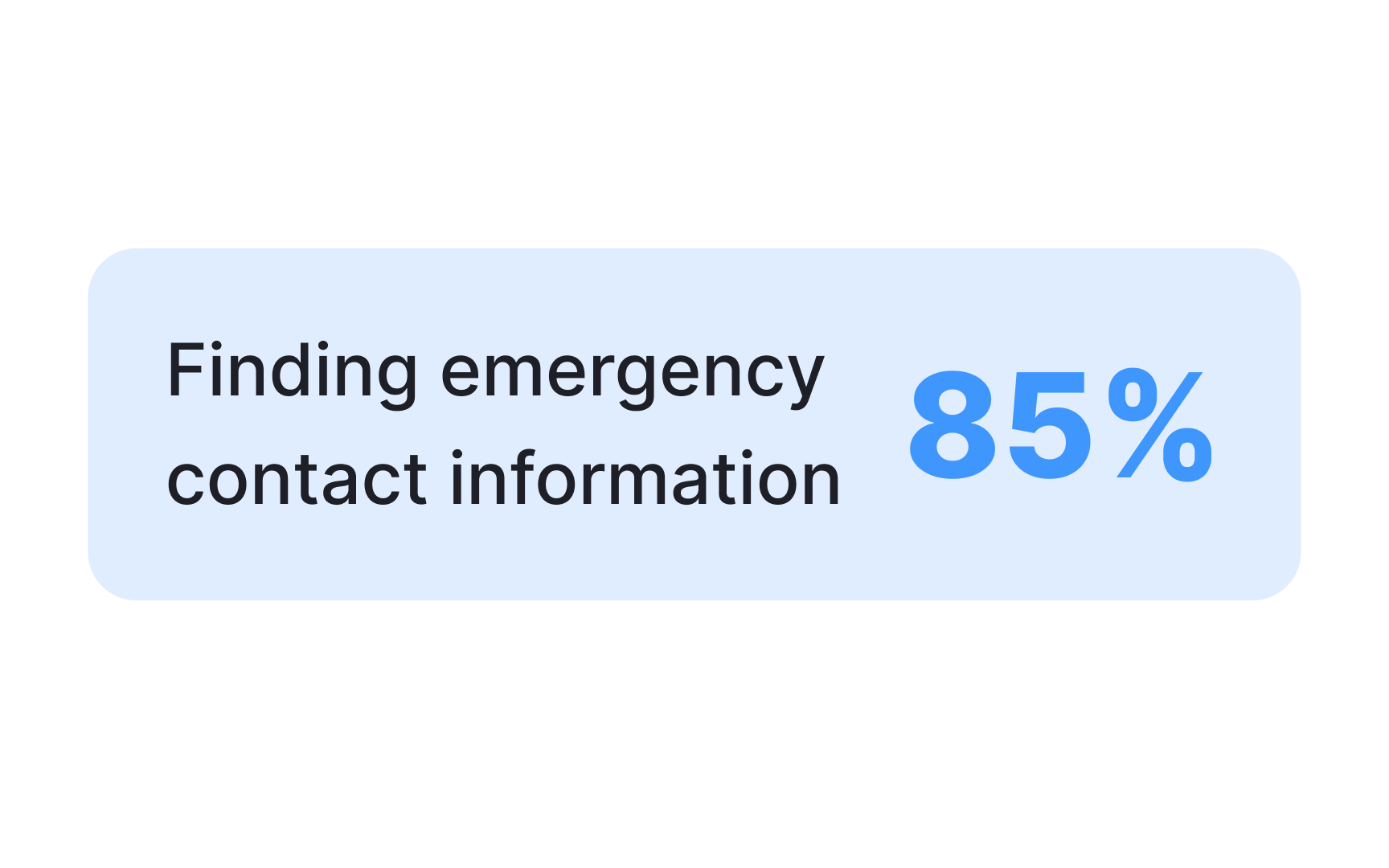
The success rate metric in tree testing measures how well users navigate through your categories to find the correct information. It is calculated as the percentage of users who correctly identify the right category for a given task.
To determine the success rate, define at least one correct answer for each task. If users find the correct location, it's counted as a success. If not, it's a failure, even if they initially clicked the right spot but then backtracked. For example, if 100 participants are asked to find contact details for customer support and 75 select the correct category, the success rate is 75%. While a higher success rate is better, what counts as “good” depends on the task's importance.
Consider the following:
- Mission-critical tasks, like finding purchase options or emergency contact information, should aim for high success rates
- Less critical tasks, like finding corporate history, can have lower acceptable rates
Compare the success rate of the task to similar tasks within the same hierarchy level. This context helps determine if a 75% success rate is acceptable or needs improvement. Tree testing removes design elements like search functions and visual cues, providing a clear view of your navigation structure's effectiveness and helping you decide where to improve.[1]
References
- Tree Testing Part 2: Interpreting the Results | Nielsen Norman Group
Top contributors