Mapping semantic hierarchy
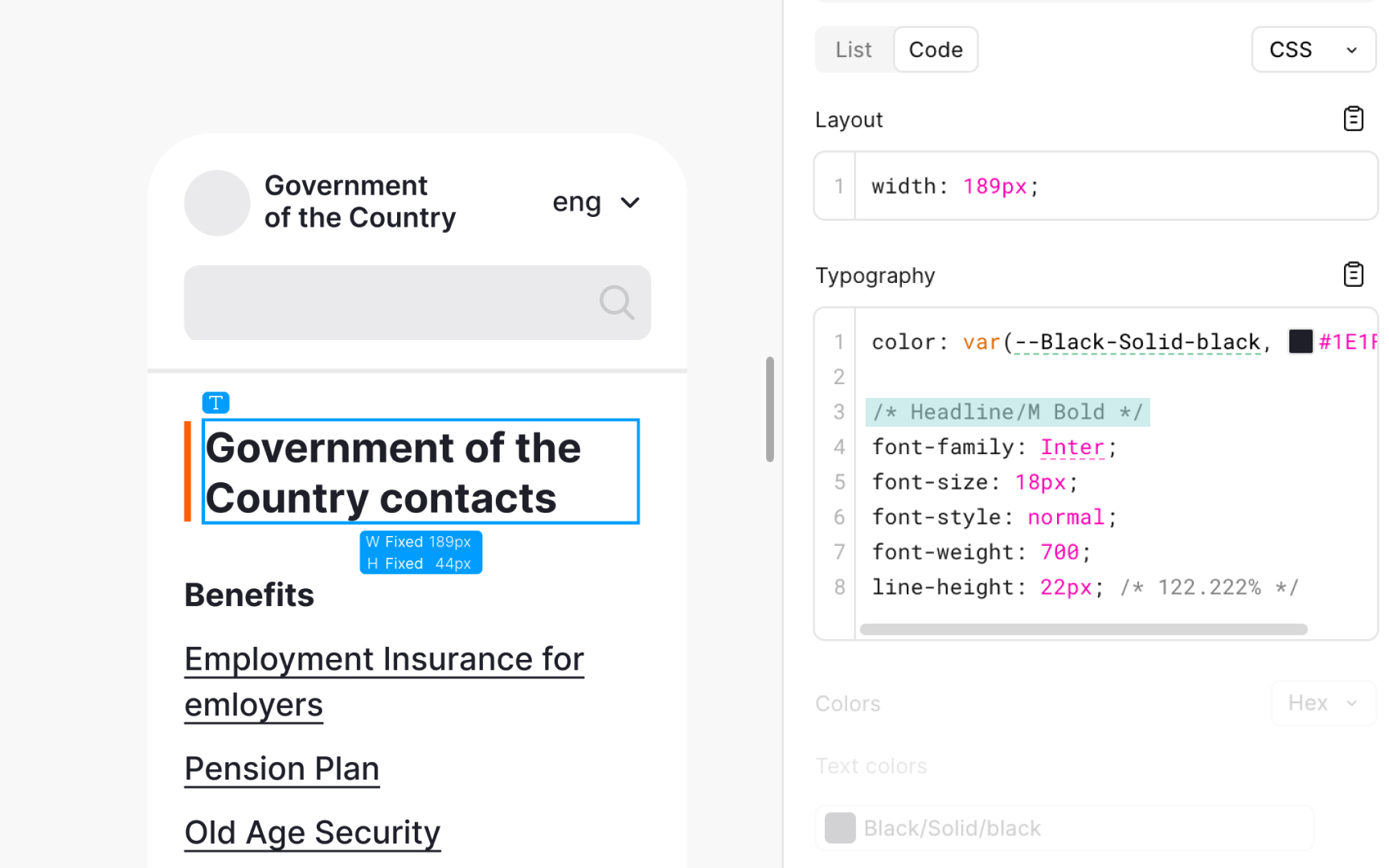
Semantic hierarchy ensures that text styles match their meaning and purpose in the interface. Headings represent structure, not just visual size. Using levels from H1 to H6 in a logical sequence helps users understand how content is organized. It also supports assistive technologies, such as screen readers, that rely on heading levels to navigate pages. When levels are skipped or used inconsistently, the structure becomes harder to follow. Many interfaces use three to five heading levels because this range usually matches the depth of typical product content without adding unnecessary complexity .
Different platforms group text roles in specific ways. On the web, common groupings include headings, body text, captions, and utility text. Native platforms often use categories such as display, headline, title, body, and label. Aligning these naming systems helps teams maintain a shared understanding even when working across multiple platforms.
Pro Tip: Choose names that describe a text style’s role so people select it for the right purpose.