Button System for Fintech


For this design challenge, I'll choose a banking app as the tech platform, and I'll be designing for smartphones (Web,iOS and Android). Mobile banking apps typically require a variety of button priorities to facilitate different user actions and account interactions.
Button Types:
- Primary Button: Used for critical actions such as transferring money, paying bills, or confirming transactions.
- Secondary Button: Used for less critical but still important actions such as editing profile information or adding beneficiaries.
- Tertiary Button: Used for minor actions like navigating to additional information, accessing help sections, or canceling an action.
- Disabled Button: Inactive state for buttons that cannot be interacted with, often due to incomplete form fields or unavailable features.
Button States:
- Default State: The default appearance of the button when it's ready to be interacted with.
- Hover State (for web): Visual feedback when the user hovers over the button.
- Pressed State: Visual feedback when the user taps or clicks on the button.
- Disabled State: Visual indication when the button is inactive and cannot be interacted with.
Button Parameters:
- Size: Buttons should have a minimum touch target size of 48x48 pixels to ensure they are easy to tap on mobile screens.
- Color Contrast: Buttons should meet accessibility guidelines for color contrast ratios, ensuring text is easily readable against the button background.
- Typography: Clear and legible typography should be used for button text to ensure easy comprehension.
- Spacing: Buttons should be appropriately spaced to avoid accidental taps and to maintain a visually pleasing layout.
Design Choices:
- Primary Button: Utilizes a bold color to draw attention and indicate critical actions. Text is white to ensure high contrast and readability.
- Secondary Button: Features a lighter color to differentiate it from primary actions while still maintaining visibility. Text color is slightly darker for contrast.
- Tertiary Button: Uses a subdued color to indicate minor actions without distracting from more critical elements on the screen. Text color is dark for readability.
- Disabled Button: Grayed out appearance with reduced opacity and no hover or pressed states to clearly communicate its inactive status.
Accessibility Considerations:
- Color Contrast: All button text colors are chosen to meet or exceed accessibility guidelines, ensuring they are readable against their respective backgrounds.
- Size and Spacing: Buttons are sized appropriately and spaced adequately to accommodate users with varying motor abilities.
Reviews
0 reviews
This project hasn’t been reviewed yet
Share your expertise with the Uxcel community by providing a review of this project. Not only will you help others, but you will also enhance your leadership skills.
5 Claps
Average 5.0 by 1 person
You might also like
Project
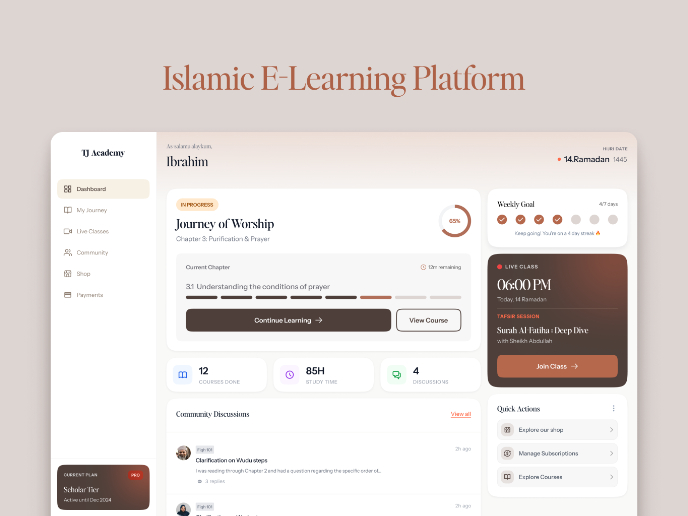
Islamic E-Learning Platfrom Dashboard

Visual Language & Color I wanted the interface to feel like a quiet room you'd actually want to sit in and study. The warm neutrals - off-wh
Project
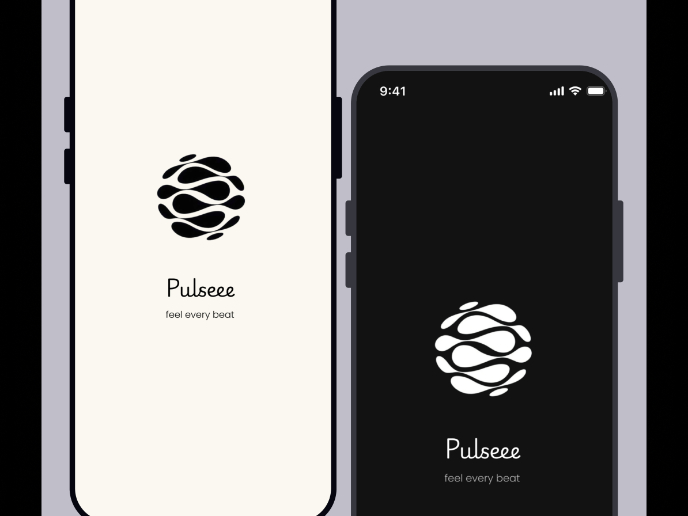
Pulse — Music Streaming App with Accessible Light & Dark Mode

Platform & DeviceFor this project, I designed Pulse, a mobile music streaming application for iOS devices (using the provided mobile templat
Project
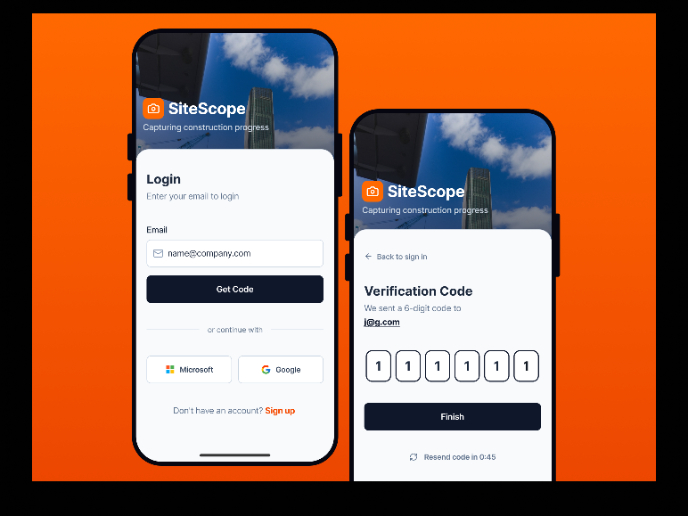
SiteScope - Progress Tracking App

🧩 Project OverviewThis project showcases the design of a mobile login and sign up experience for a construction progress tracking app. The
Project
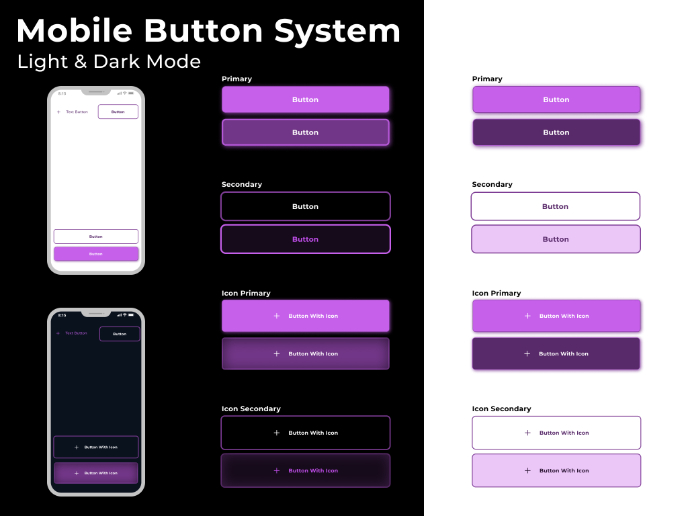
Mobile Button System

As my first ever ux design attempt, I tried to go with a simplified approach with only a few button types and states. I kept the color palle
Project
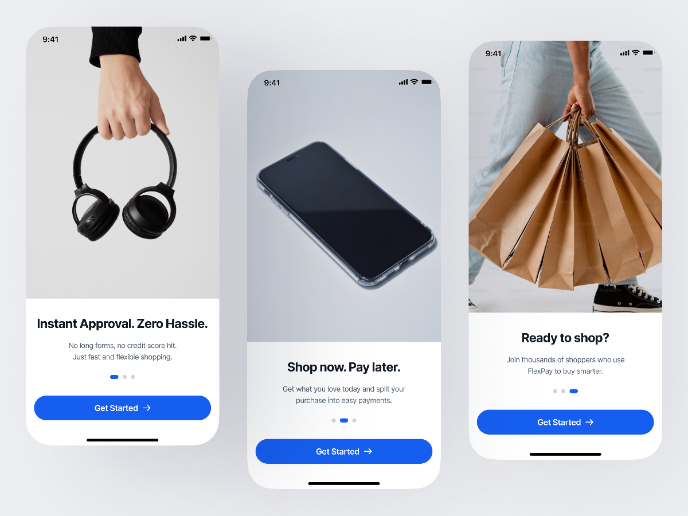
FlexPay

The onboarding was designed to reduce financial anxiety, create a sense of instant reward, and encourage early action. Instead of overwhelmi
Project
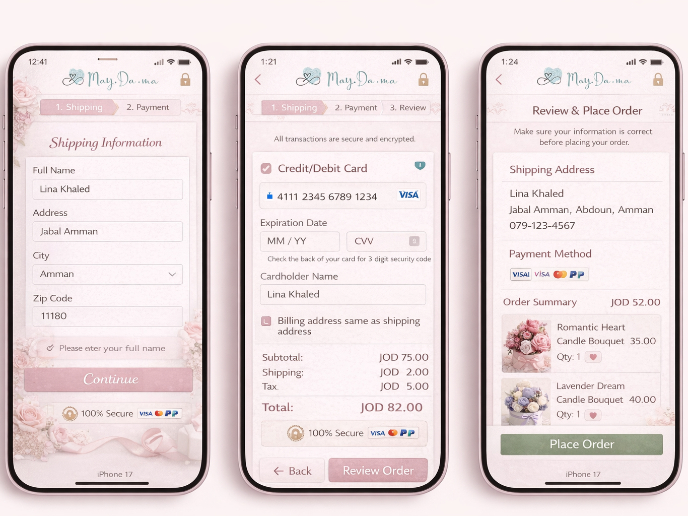
May.Da.Ma Candles & more

Visual Design Courses

Course
UX Design Foundations

Learn UX design fundamentals and principles that create better products. Build foundational knowledge in design concepts, visual fundamentals, and workflows.
Course
Introduction to Figma
Learn essential Figma tools like layers, styling, typography, and images. Master the basics to create clean, user-friendly designs
Course
Design Terminology

Learn UX terminology and key UX/UI terms that boost collaboration between designers, developers, and stakeholders for smoother, clearer communication.