Identifying Hidden and Emerging Stakeholders
Reveal the unseen forces shaping project outcomes by recognizing informal, passive, and newly emerging stakeholders.
Projects often fail not because of bad planning but because of overlooked people. Beyond the visible layers of executives, managers, and formal roles, every organization hides networks of influence that shape decisions in subtle ways. These informal actors, such as long-time employees who teach others the “real” way to do things or trusted assistants who control access to key leaders, can make or break outcomes.
Spotting such stakeholders requires curiosity and patience. Influence often hides in lunchroom conversations, Slack channels, or local routines that never appear on charts. As projects evolve, new stakeholders appear too, such as those affected by the outcomes rather than the process itself. Recognizing them early ensures inclusivity and foresight, turning potential resisters into collaborators.
Learning to read these invisible dynamics and bring emerging voices into discussions helps product teams prevent hidden friction, strengthen adoption, and make change sustainable.
Formal structures rarely reveal where real influence lies. A stakeholder map that focuses only on job titles or decision-making rights often overlooks the people who shape behavior and opinions behind the scenes. Many projects focus on managers and executives while missing those who informally control how work is done, how communication flows, and how change is accepted or resisted. These unseen actors can be senior analysts, plant operators, or coordinators whom others trust for guidance more than official leaders.
Hidden influence often emerges through relationships built over time. People who have been in the organization for years may hold quiet authority that no title describes. Their opinions set the tone for how others react to new tools or processes. If ignored, they may unintentionally slow progress through passive resistance, such as skipping steps or maintaining old habits. Recognizing their influence helps teams reduce resistance and build broader alignment across formal and informal structures.[1]
Pro Tip: Start stakeholder mapping with people, not positions. Ask who others trust or turn to when problems arise.
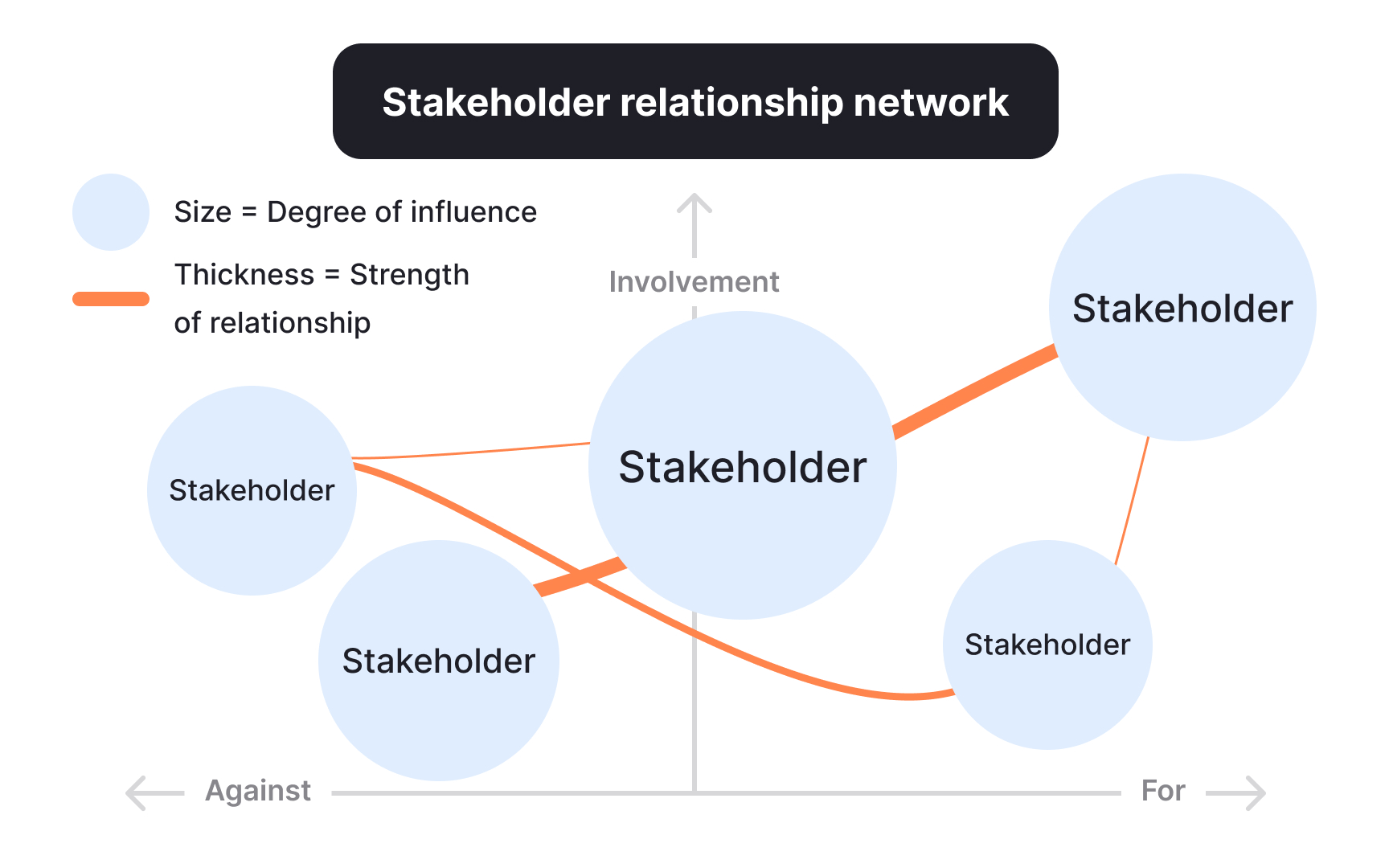
Relationship network mapping helps visualize how people and groups connect through both formal and informal relationships. Instead of showing who reports to whom, it maps how information, collaboration, and trust actually move across a network. Each person or group is represented as a node, while the lines between them show connections such as shared projects, communication, or mutual contacts.
This method allows teams to see patterns that ordinary stakeholder lists or spreadsheets cannot capture. A network map can reveal who brings teams together, who tends to work in isolation, and who might be key to introducing different groups to one another. It helps identify potential bridges, clusters, and influencers who hold strong relational power even without a high position.
To create such a map, data can be collected through interviews, surveys, or observations. Teams can start by asking who works together, who shares common backgrounds, or who communicates most frequently. The map can then be drawn by hand or created digitally, with dedicated tools that make updates and analysis easier.[2]
Pro Tip: Combine observation, short surveys, and informal talks to uncover trust networks that hold teams together when change begins.
When systems or processes do not work well, people often find their own ways to solve problems. These small fixes, like shared spreadsheets or personal tools, may seem temporary but often become the real process others follow. The people who create them usually understand how work happens better than anyone else. They may not have formal authority, yet their choices shape how others complete daily tasks.
To find these hidden experts, notice who everyone turns to when something stops working or when clear answers are missing. Ask which files or templates people actually use, not just the ones written in official guides. These clues show where practical knowledge lives and who holds it.
Including these people in early planning helps teams build systems that match reality instead of theory. Their experience makes changes easier to accept because they already know what helps work flow smoothly.
Pro Tip: Ask who solves problems when things stop working. Those people often know the real process best.


Not every influential person speaks up in group discussions. Sometimes the strongest signals come from those who stay silent. Quiet observers can shape the tone of a meeting by showing approval or hesitation through body language, timing, or subtle reactions. Others notice these cues and take them as signs of whether to support or resist new ideas.
Recognizing such influence requires paying attention to how people behave during sessions rather than what they say. Notice who others glance at before speaking, who seems to set the emotional tone, or who asks short but decisive questions that steer the group. These patterns often reveal informal authority that is not visible in the hierarchy.
By observing these dynamics, teams can identify hidden leaders and understand where real acceptance or resistance begins. Inviting these quiet influencers into early conversations can prevent disengagement and build stronger commitment to change.
Pro Tip: During meetings, watch reactions as closely as words. Influence often speaks through silence.
Every organization has people who carry the memory of how things used to be done. They remember past projects, decisions, and mistakes that newer team members never saw. These legacy voices often hold quiet influence because others trust their experience and judgment. When change begins, their opinions can shape how others feel about it, either with confidence or hesitation.
To find them, look for long-time employees who are seen as the “go-to” people for historical context or background. They might recall why certain processes were created or which changes failed in the past. Ignoring these voices can lead to repeating old problems or missing the emotional weight some changes carry.
Involving legacy voices early helps connect the past with the present. It shows respect for their knowledge and helps teams design improvements that feel like a natural evolution rather than a disruption.
Pro Tip: Talk to long-time employees early. Their memories reveal why some changes succeed and others do not.
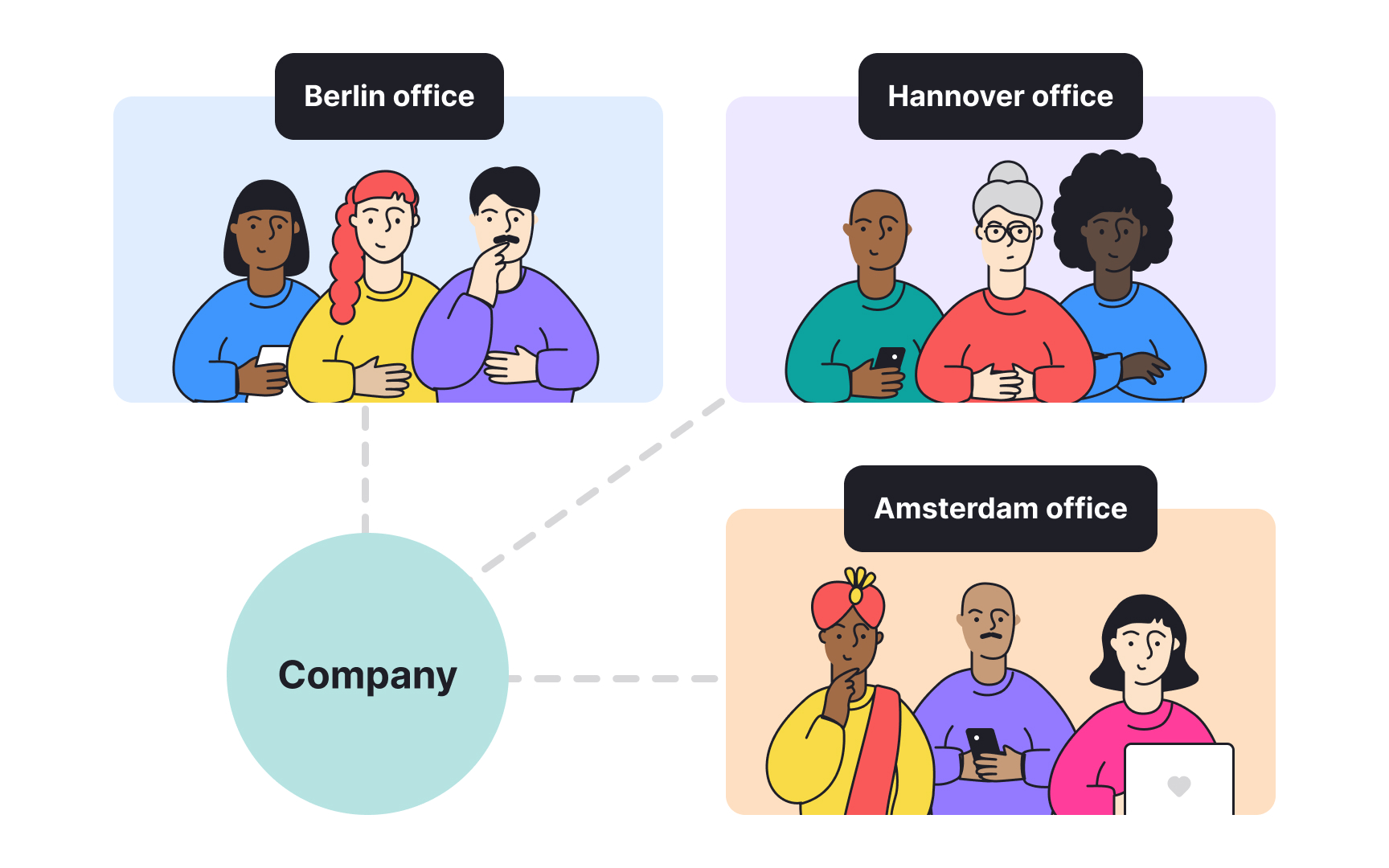
In distributed or global teams, influence often follows culture and proximity rather than hierarchy. Each region or local team usually has trusted individuals who help others understand and apply messages from leadership. These people translate goals into familiar language and adapt instructions to fit local habits and expectations.
Regional managers can help identify these influencers by naming those whom others rely on for guidance. They might be bilingual supervisors, assistants who train new hires, or experienced technicians whom others follow for advice. Even without formal power, their approval often determines whether a change feels trustworthy and practical.
Recognizing and involving these local influencers ensures that communication feels personal and grounded. They help global initiatives succeed by connecting broad strategies to everyday work in each region.
Pro Tip: Ask local managers who their teams listen to most. Those voices often carry more weight than official titles.
Projects rarely stay the same from start to finish. As they grow or shift direction, new people begin to influence outcomes. These emerging stakeholders might include users who were not part of early planning, departments affected by new features, or partners who join later in the process. If they are not recognized in time, their needs may go unheard, creating confusion or resistance later.
To detect new stakeholders, review the project’s impact regularly. Ask who will be affected by upcoming decisions or who is now responsible for maintaining the results. Keep in touch with teams on the edges of the project, such as support staff or downstream departments, to see when their involvement starts to matter.
Treat stakeholder identification as a continuous task, not a one-time step. By watching for these new connections, teams stay adaptable and prevent surprises that can slow implementation or weaken adoption.
Some of the most influential stakeholders are not visible in project
To build that trust, start with genuine listening. Create spaces where informal influencers can share their concerns and experiences without pressure. Involve them in small but meaningful ways, such as joining a pilot test or reviewing a prototype. These early opportunities to contribute help them feel ownership of the change.
Examples of such shadow stakeholders include an executive assistant who manages access to senior leaders, a senior technician who trains new hires unofficially, or a long-time employee who helps others solve daily problems outside formal meetings. Their approval can shift team attitudes and build wider confidence in the project.
Pro Tip: Invite informal influencers into early testing or feedback sessions. Participation builds trust faster than persuasion.
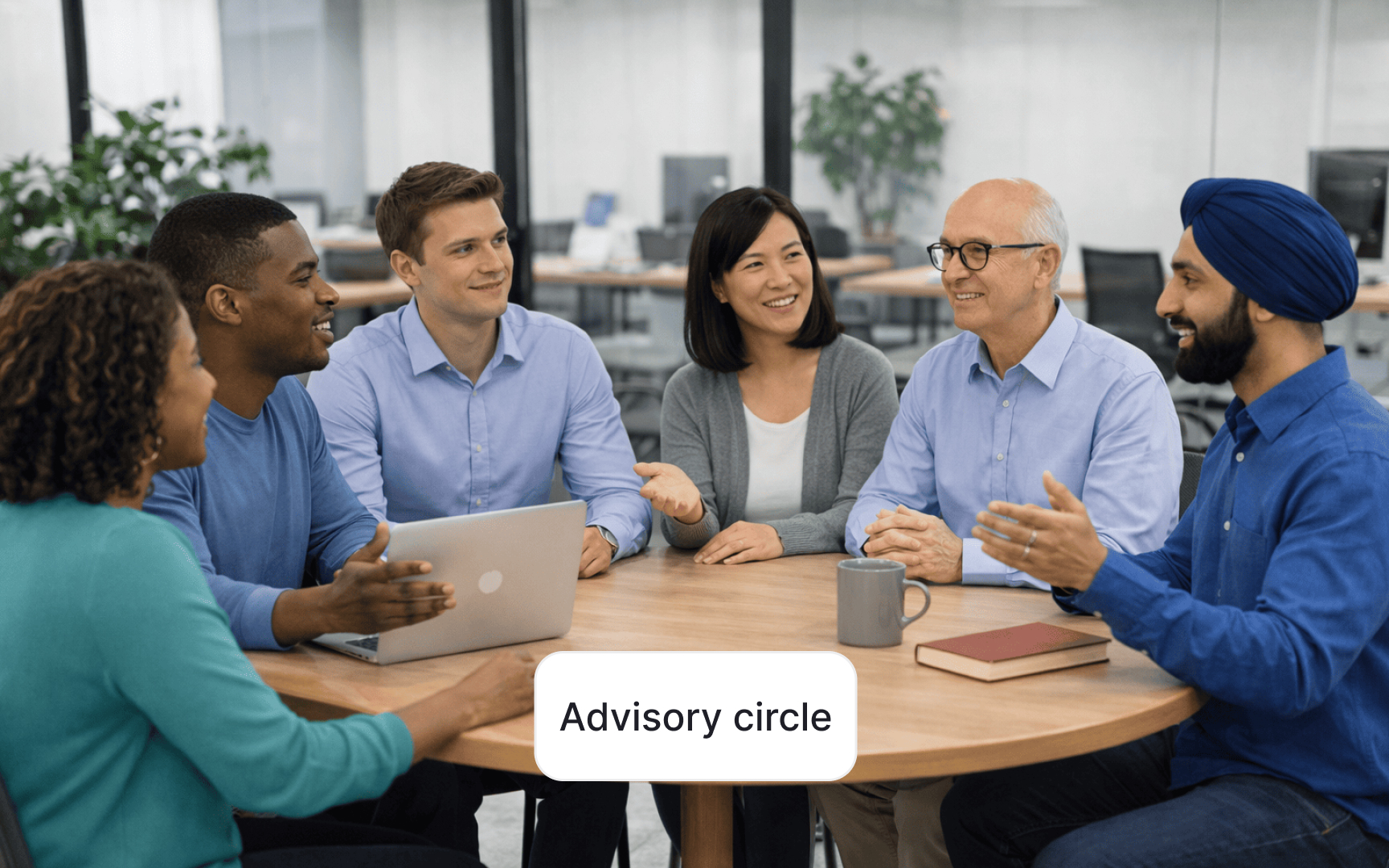
Engaging informal and emerging stakeholders is most effective when their voices are included in a structured way. Advisory circles are small, informal groups that gather trusted people from different levels or regions to share observations and test ideas before larger rollouts. These meetings help surface early signals of misunderstanding, hesitation, or enthusiasm that might otherwise stay hidden.
Regular feedback sessions with these groups create two-way communication. They allow teams to explain project updates clearly while learning how changes affect daily work. This open exchange helps refine plans and communication materials so that they better reflect real concerns.
When advisory circles are used consistently, they build trust and transparency across levels of the organization.
Stakeholder identification is never finished. As projects move forward, roles, interests, and levels of influence change. People who were once peripheral can become central, while others lose interest or move to new roles. Treating the stakeholder map as a living document keeps it useful and relevant.
Review and update it after every major milestone or round of feedback. Add new names, note shifts in priorities, and record lessons about how each person or group influences outcomes. This habit helps teams respond quickly to changes in relationships or organizational structure.
Maintaining a living map also builds awareness that stakeholder management is about relationships, not lists. It keeps teams alert to new dynamics that can affect success and ensures that no influential voice remains overlooked.
References
- Identifying ERP Stakeholders That Most Organizations Overlook | Panorama Consulting Group
- Guide to Relationship Network Mapping - Simply Stakeholders | Simply Stakeholders
Topics
From Course

Share


Similar lessons

Stakeholder Management

Stakeholder Communication