Building Accurate Stakeholder Lists
Keep stakeholder data relevant, complete, and actionable through systematic organization and regular review.
Accurate stakeholder lists are the backbone of every well-organized project. They help teams stay focused on the right people, track communication effectively, and avoid confusion about who holds influence or interest in specific decisions. When these lists grow without structure, they become cluttered, outdated, and difficult to use.
Building accurate stakeholder lists means refining information instead of expanding it. The goal is to consolidate scattered data, remove duplicates, segment contacts by function and interest, and keep only the details that truly support engagement goals.
For product managers and product owners, precision in stakeholder lists reduces wasted communication, missed approvals, and misunderstandings caused by outdated expectations. A clear list becomes a shared reference point across teams, ensuring that everyone knows who to involve and when.
Unlike the stakeholder register, which captures interests and expectations in detail, the list focuses on who is included, why they matter, and how often information is updated. Treated as a living document, it keeps stakeholder engagement grounded in clarity, relevance, and trust.
A stakeholder list works best when it has a clear purpose. Before adding names, teams need to define what the list should support. Its value comes from guiding engagement and decisions, not from collecting every possible contact. Without clear objectives, lists quickly fill up with low-relevance entries.
Different goals require different lists. For example:
- Feature launch. Track a focused group, such as executives responsible for sign-off, engineering leads providing feasibility input, and a customer-support manager preparing for post-launch issues.
- Customer advisory council. Prioritize active power users for ongoing feedback and sales representatives who bring real customer context.
Defining two or three concrete objectives makes the list easier to maintain and review. It also helps teams check whether current entries still match the project’s phase. With this clarity, the stakeholder list becomes a practical tool that evolves alongside the work.[1]
Pro Tip: Define no more than 3 main objectives for your stakeholder list to keep it focused and measurable.
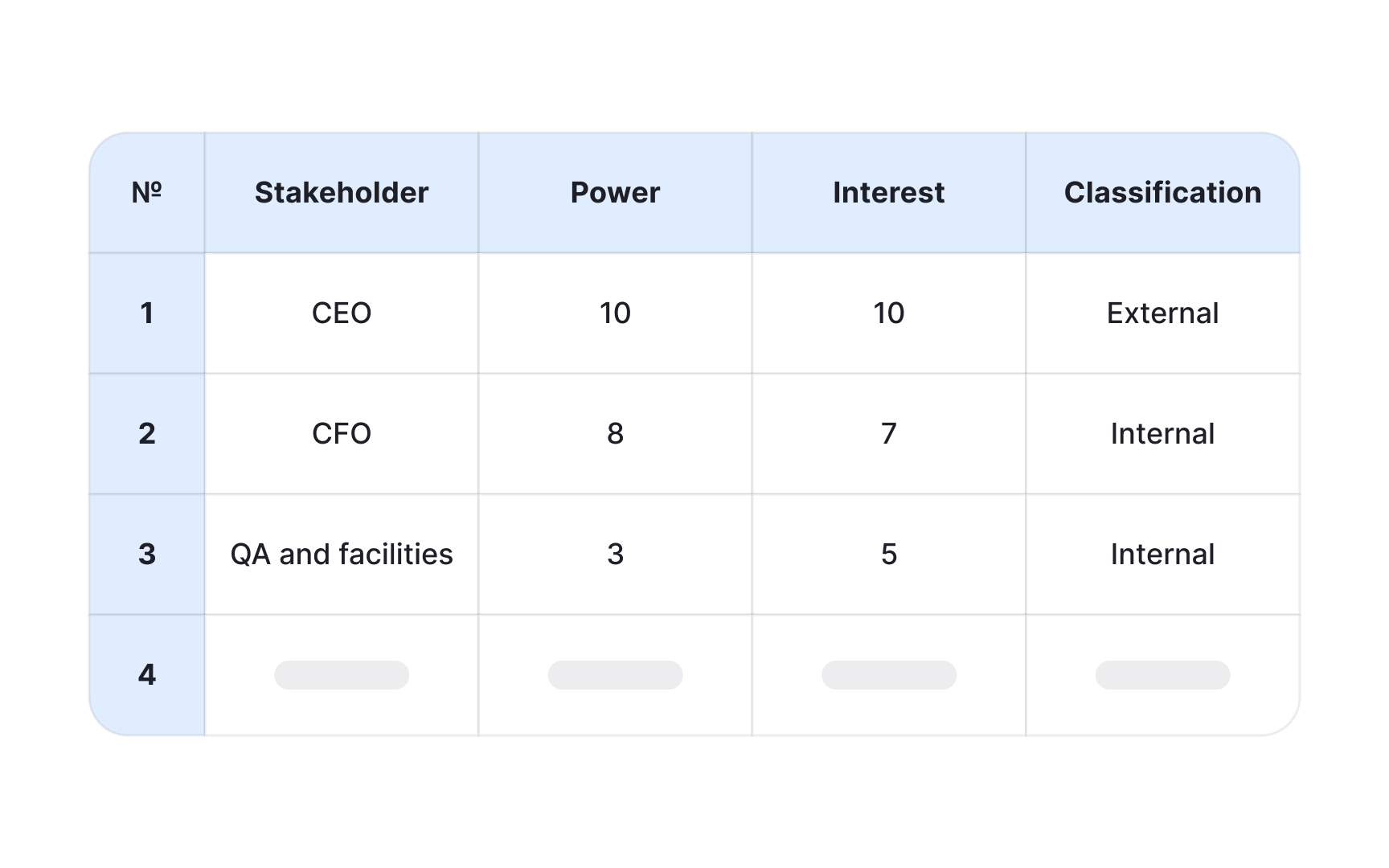
Once the list’s purpose is clear, the next step is segmentation. Segmenting helps transform a single long list into a structured overview of relationships. Stakeholders can be grouped by 2 dimensions that reveal not only who is involved but also what motivates their engagement:
- Function, such as executives, engineering, design, marketing, or customer support
- Interest, such as revenue impact, system reliability, UX quality, delivery speed, or regulatory risk
This approach helps teams tailor communication more precisely. For example, engineering stakeholders focused on reliability may need detailed technical context, while marketing teams may care more about timing and positioning. The same person can appear in more than one group, as long as the reasoning stays consistent and intentional.
Segmentation also makes gaps easier to spot. A simple matrix of functions and interests can reveal where perspectives are missing or underrepresented. Over time, this clarity supports more relevant communication, better priority tracking, and a stronger engagement strategy.
Pro Tip: Segment by both function and interest to uncover missing groups and tailor engagement more effectively.
Many teams work with stakeholder lists scattered across spreadsheets, emails, and personal notes. These disconnected sources often contain duplicated or outdated information, making coordination difficult. Consolidating all data into one master list brings clarity and prevents conflicting versions from circulating within the organization.
A unified list should still allow segmentation so that different teams can filter the information they need. When properly organized, one shared database is more efficient than maintaining separate lists for
Using a master list also simplifies updates. Instead of manually editing multiple files, teams can clean and adjust one version, reducing the risk of inconsistent data. With clear ownership and regular updates, a consolidated list becomes a reliable foundation for engagement planning and reporting.
Pro Tip: Keep one segmented master list instead of multiple partial ones to reduce duplication and confusion.
An accurate stakeholder list depends on regular cleanup. Over time, contact details change, roles shift, and some stakeholders stop being relevant. Without maintenance, the list becomes cluttered and harder to use, hiding the relationships that actually matter.
During reviews, teams can apply a few simple checks to decide what to remove:
- Run a duplicates check. Look for contacts with the same name or
email address and confirm which record is correct. - Apply a relevance test. Ask whether this person still matters to the current goals or decision flow.
- Remove inactive contacts. Check if the person has left the company or hasn’t engaged for a long period.
Keeping the list clean supports better communication. When stakeholders receive updates that no longer apply to them, it signals poor coordination. A well-maintained list saves time, improves credibility, and helps teams focus their effort where it has real impact.
Pro Tip: Set a fixed schedule to review and remove inactive or duplicated contacts to keep data current and reliable.
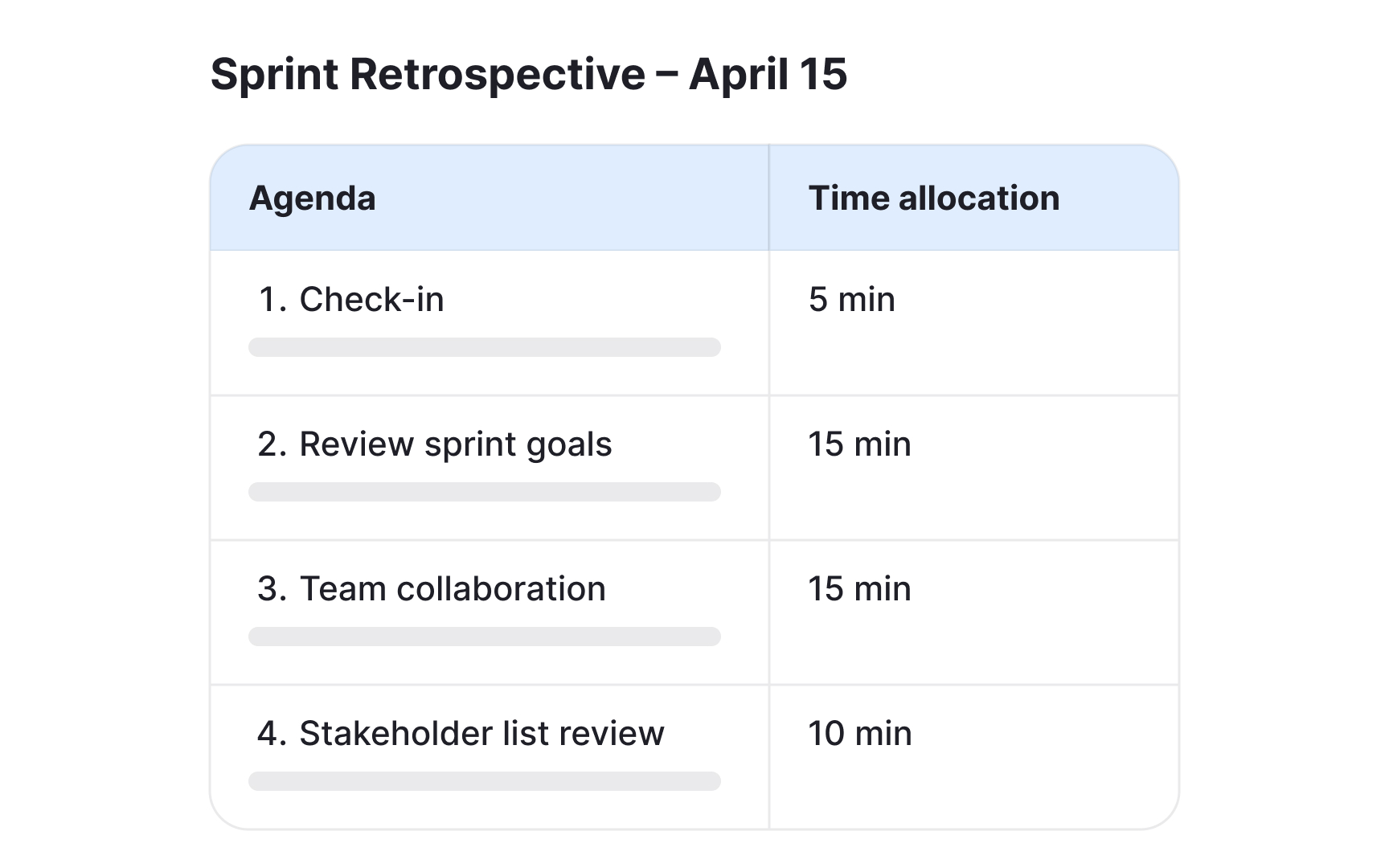
A stakeholder list only stays accurate when ownership and maintenance are built into the team’s regular way of working. When responsibility is vague or shared too broadly, updates tend to fall through the cracks. Assigning a clear owner makes the list reliable and keeps it from becoming outdated.
In product teams, this role usually sits with someone close to cross-functional coordination, such as a product owner or project manager. Their responsibility is not to manage stakeholders alone, but to ensure the list is reviewed, updated, and trusted. This includes checking whether roles or contact details have changed and adding new contributors as the project evolves.
Maintenance works best when it follows a predictable rhythm. Rather than relying on reminders, teams can include a short stakeholder check during existing moments like sprint planning, reviews, or retrospectives. This ties stakeholder management to the same cadence that drives delivery and iteration.
By embedding updates into established routines, the stakeholder list becomes a living tool instead of a forgotten document. It also reinforces that stakeholder awareness is an ongoing part of product work, not a one-time setup task.[2]
Pro Tip: Add a 5-minute stakeholder review to sprint retrospectives to keep engagement aligned and data current.
Having more stakeholders on a list does not mean better engagement. Over-inclusion can overwhelm communication channels and slow progress. A focused stakeholder list keeps attention on people who have a real impact on the product’s direction or outcomes.
Product managers often face competing demands from executives, users, and team members. Including everyone who voices an opinion risks creating noise instead of clarity. Effective
This balance helps prevent fatigue on both sides. Teams maintain control over their bandwidth, while stakeholders receive communication that matches their involvement level. The list becomes a tool for strategic clarity rather than an administrative burden.
Pro Tip: Review each contact and ask, “What decision could this person realistically affect?” Remove those without a clear answer.
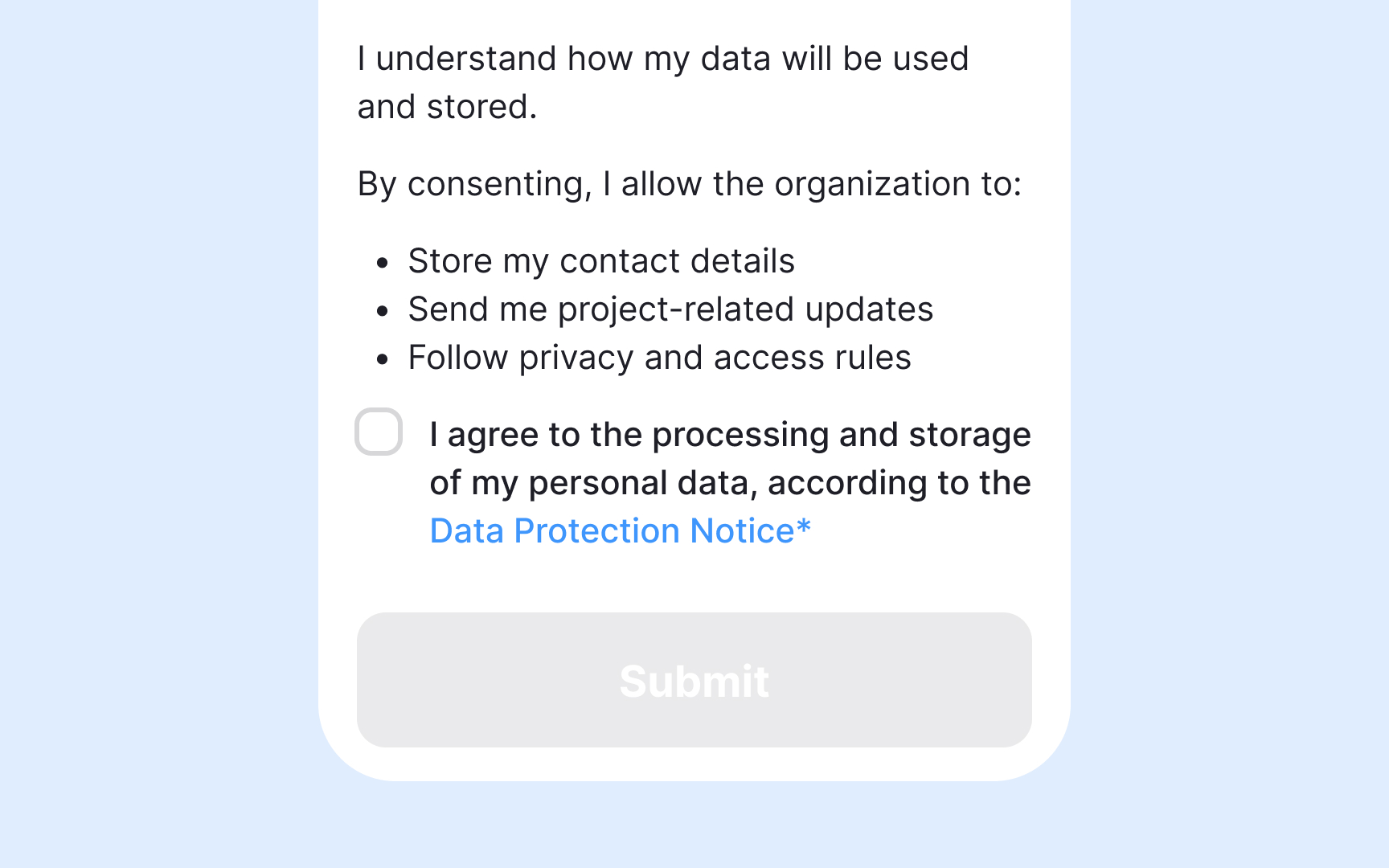
Accurate stakeholder data is valuable only when managed responsibly. Lists that contain personal or organizational details must comply with privacy laws and ethical standards. Many regions require explicit consent to store or use contact information, which means teams cannot assume permission or rely on silent approval.
Maintaining ethical data practices protects both stakeholders and the organization. Before sending updates or engagement materials, confirm that each person has agreed to receive communication. If necessary, send a short verification message explaining the purpose of contact and the option to unsubscribe. This practice keeps the list legitimate and transparent.
Compliance also extends to how information is stored and accessed. Teams should ensure that only authorized members can edit or view sensitive data. Following these rules builds credibility and reduces risks that can damage trust or reputation later in the project.
Pro Tip: Document each stakeholder’s consent status in the list to avoid unclear or outdated permissions.
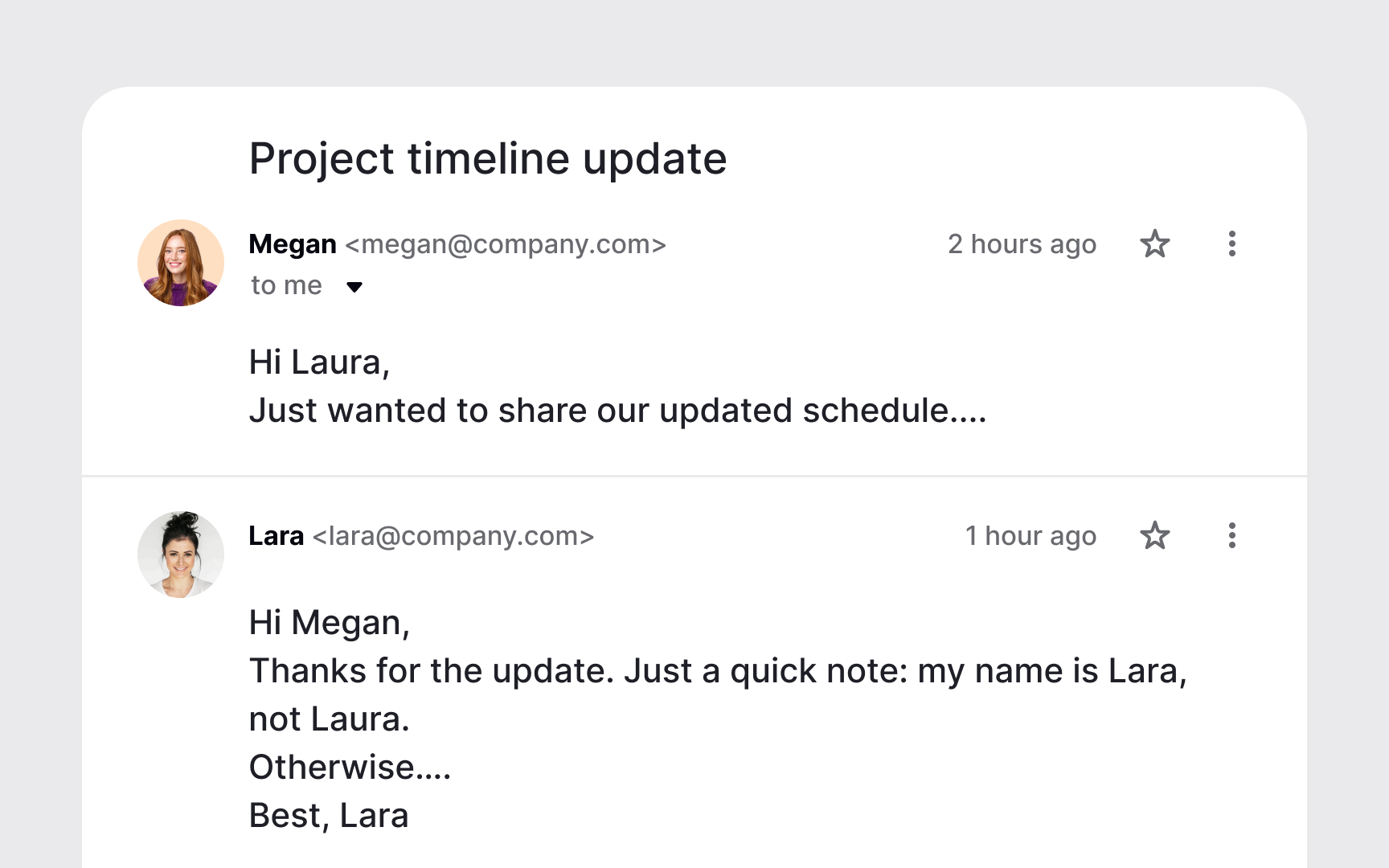
Accuracy in stakeholder lists is not just an internal efficiency issue. It shapes how stakeholders perceive the team’s reliability and professionalism. Sending a message to the wrong person or using an outdated name can quickly reduce confidence in the project’s management.
Product owners and managers who maintain clean, current lists signal respect and attention to detail. This precision reflects a mindset of care that strengthens credibility in every interaction. When stakeholders feel that information about them is correct and updated, they are more likely to respond promptly and participate openly.
Accurate data also supports fairness. It ensures that the right people receive updates and that no group is unintentionally excluded. Over time, consistent accuracy builds the foundation of trust that sustains collaboration through both calm and challenging stages of the project.
Pro Tip: Treat accuracy as a form of respect. Every correct name or title reinforces confidence in your professionalism.
Stakeholder lists evolve along with the product. As new features, markets, or user segments emerge, the relevance of certain stakeholders changes. Periodic reviews through a product perspective help keep the list aligned with current priorities rather than past stages of development.
A product owner can assess whether each listed stakeholder still reflects the project’s direction. For example, early-stage investors or partners may need less attention once the product matures, while new compliance or customer-support teams might become central. Reviewing the list in this way prevents the team from relying on outdated networks and keeps communication aligned with active objectives.
Regularly checking the list against the product roadmap also helps spot blind spots. Missing voices, such as new user groups or regional representatives, can be identified and added before they become critical gaps. This forward-looking approach ensures that engagement stays relevant, strategic, and inclusive.
Pro Tip: Compare your stakeholder list with the current product roadmap to confirm it reflects today’s priorities, not yesterday’s.
References
- A Practical Guide to Dealing with Difficult Stakeholders | O’Reilly Online Learning
Topics
From Course

Images provided by

Share


Similar lessons

Stakeholder Management

Stakeholder Communication