Defining the Product Vision
Learn how to craft a product vision that defines your aspirational future and aligns your team
Product vision describes an aspirational future for your users and guides strategic decisions across your organization. A strong vision balances internal ambitions with external user needs, creating clarity about where your product is heading without getting lost in feature lists. The vision emerges from understanding both what your company wants to achieve and what meaningful change you want to create for users.
Creating this vision requires structured collaboration that captures diverse perspectives while maintaining focus on user outcomes. Teams often struggle because they confuse vision with feature roadmaps or make statements too generic to guide decisions. An effective product vision provides just enough direction to align teams while remaining flexible enough to evolve as you learn.
The vision serves as a foundation for strategy, helping teams prioritize features, set objectives, and build roadmaps. Without this clarity, teams make inconsistent decisions that dilute your product's impact. With a clear vision, everyone from engineering to marketing understands the future you're building toward and can make aligned choices in their daily work.
You need to define your
For existing products that don’t have a clearly defined vision or need to do a major pivot, you have more direct data available. Review user research findings, customer feedback patterns, and usage analytics to understand current behaviors and pain points. Examine competitive positioning and market trends to identify opportunities. Check recent stakeholder discussions to surface different perspectives on where the product should go. Gathering these inputs ensures your vision builds on real knowledge rather than assumptions.
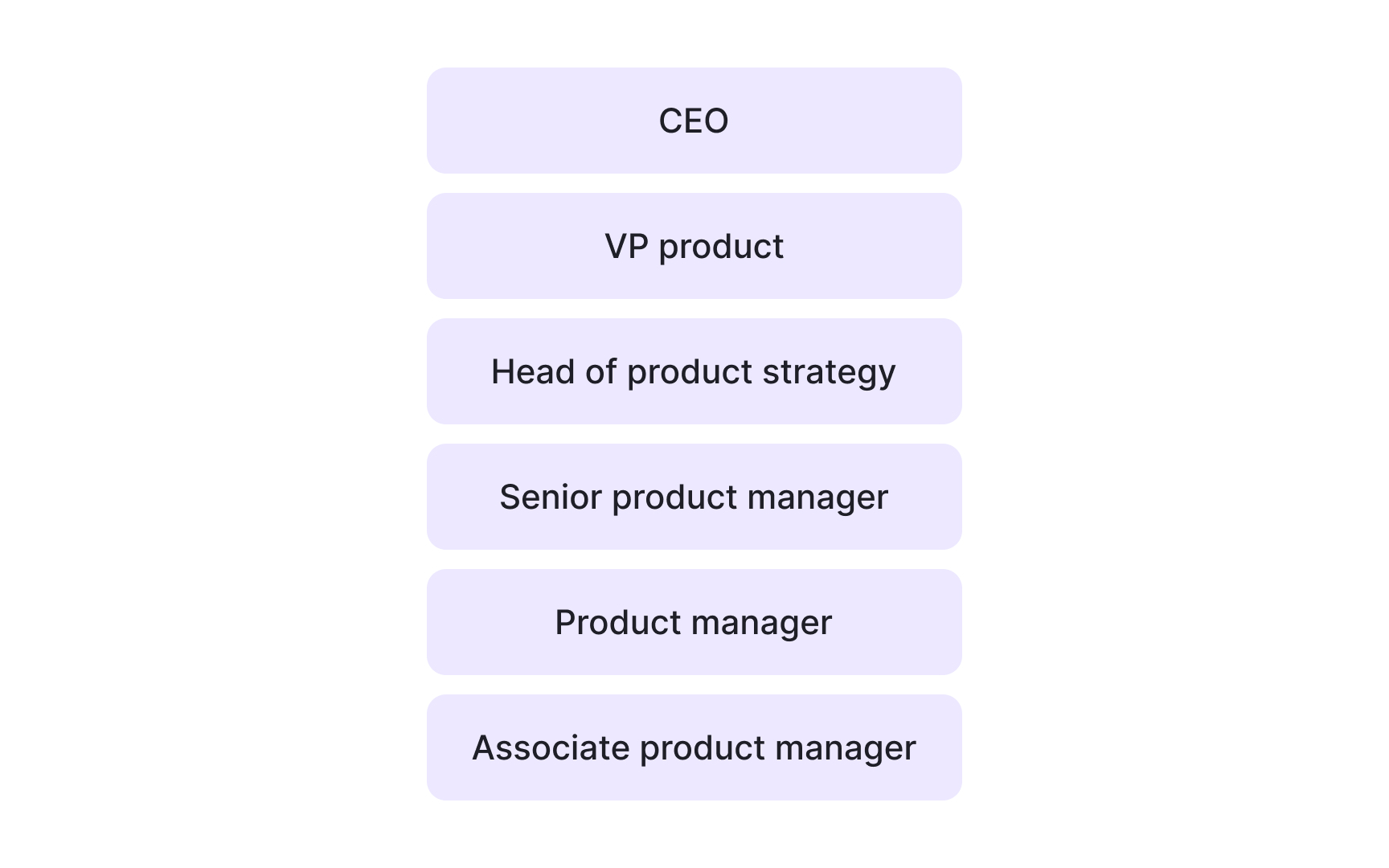
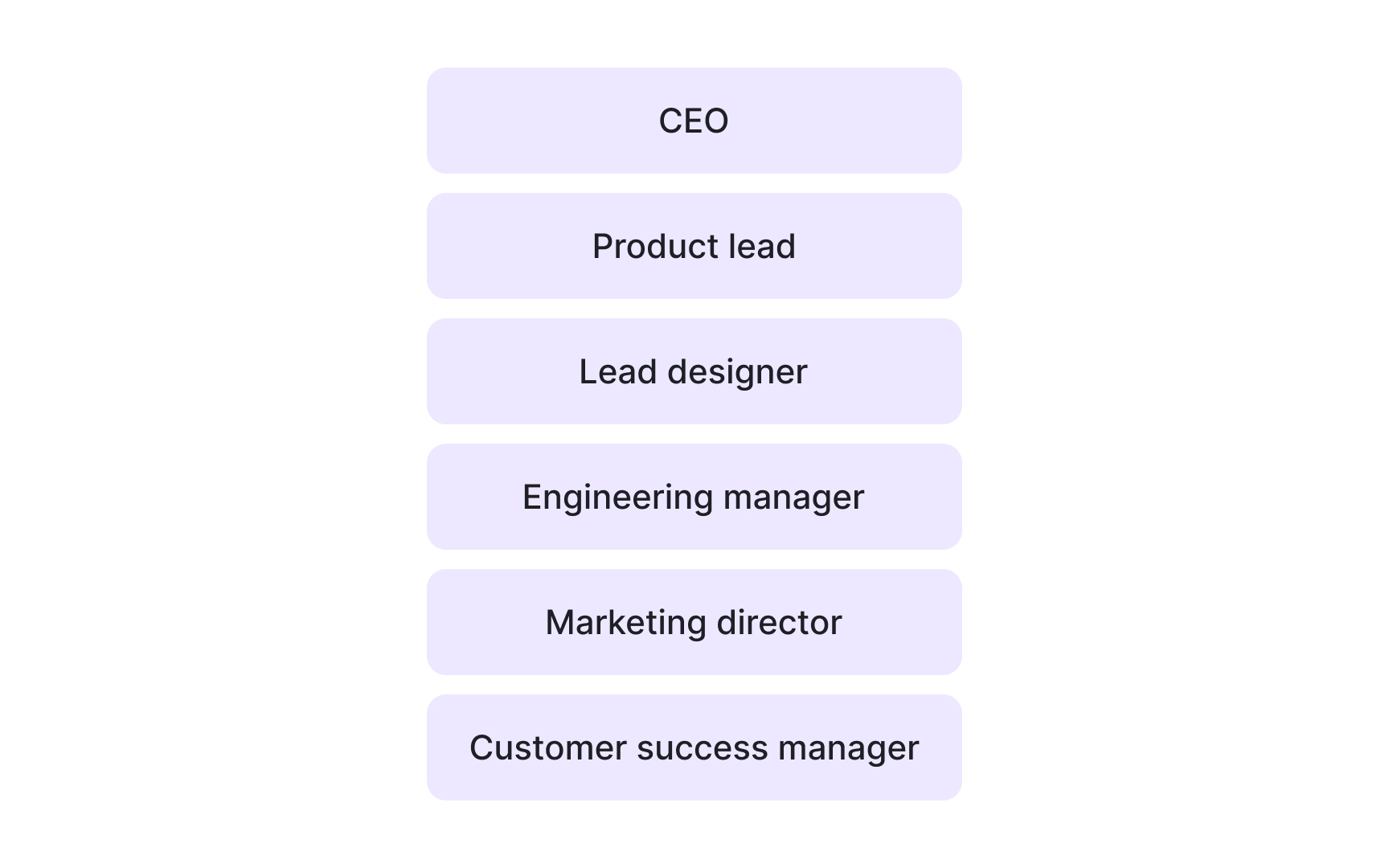
The people you involve in vision creation depend on your product stage. For new products, start with founders or executives who understand the business opportunity, plus early product team members who'll build the initial version. Include potential investors or advisors who can challenge assumptions about the market. Keep the group small since you're working with more uncertainty and need to move quickly.
For existing products, include all these stakeholders, but also expand to include people across the organization who interact with users and the product daily. Bring in product managers and designers who understand user needs, engineering leaders who know technical constraints, and
Regardless of product stage, limit your core vision group to 6-8 people for effective collaboration. Larger groups struggle to make decisions and reach consensus. You can gather additional
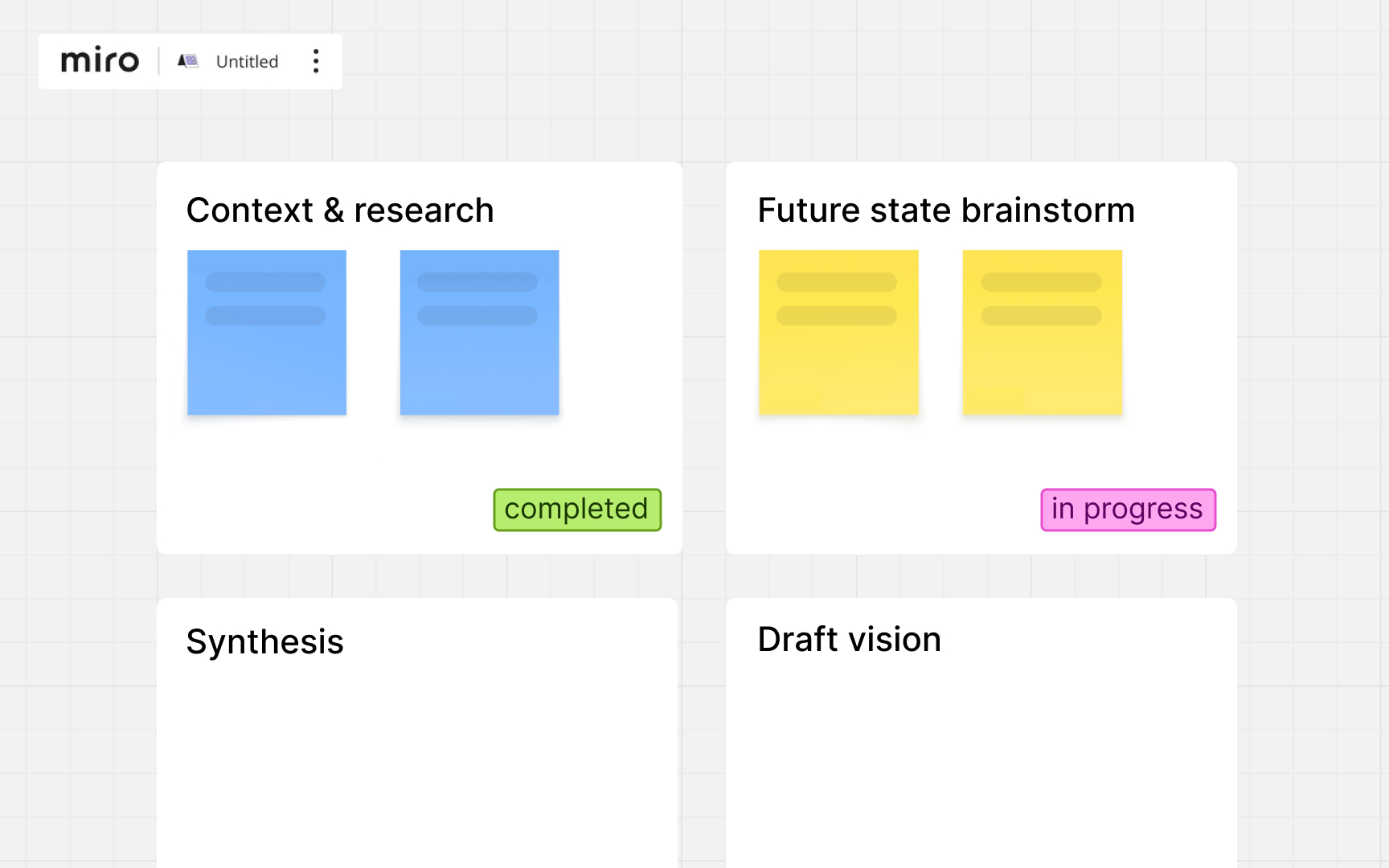
Workshops bring stakeholders together for focused, collaborative vision creation. This approach works well when you need alignment across different perspectives and want everyone to feel ownership of the final vision. Schedule a half-day or full-day session where participants can focus without interruptions. The concentrated time lets you work through exercises, debate ideas, and reach consensus in real time rather than spreading the work across weeks.
Structure your workshop with clear phases:
- Start with context setting where you share
research findings and business goals - Move into generative activities where participants brainstorm future states and user outcomes
- Then shift to convergence where you synthesize ideas and draft vision elements together
- End with next steps so everyone knows how the work continues after the session.
Choose activities that encourage equal participation. Silent brainstorming where everyone writes ideas individually before sharing prevents dominant voices from drowning out quieter participants.[2] Dot voting helps groups prioritize quickly without endless debate. Rotating facilitators for different exercises keeps energy high and gives multiple people leadership moments.
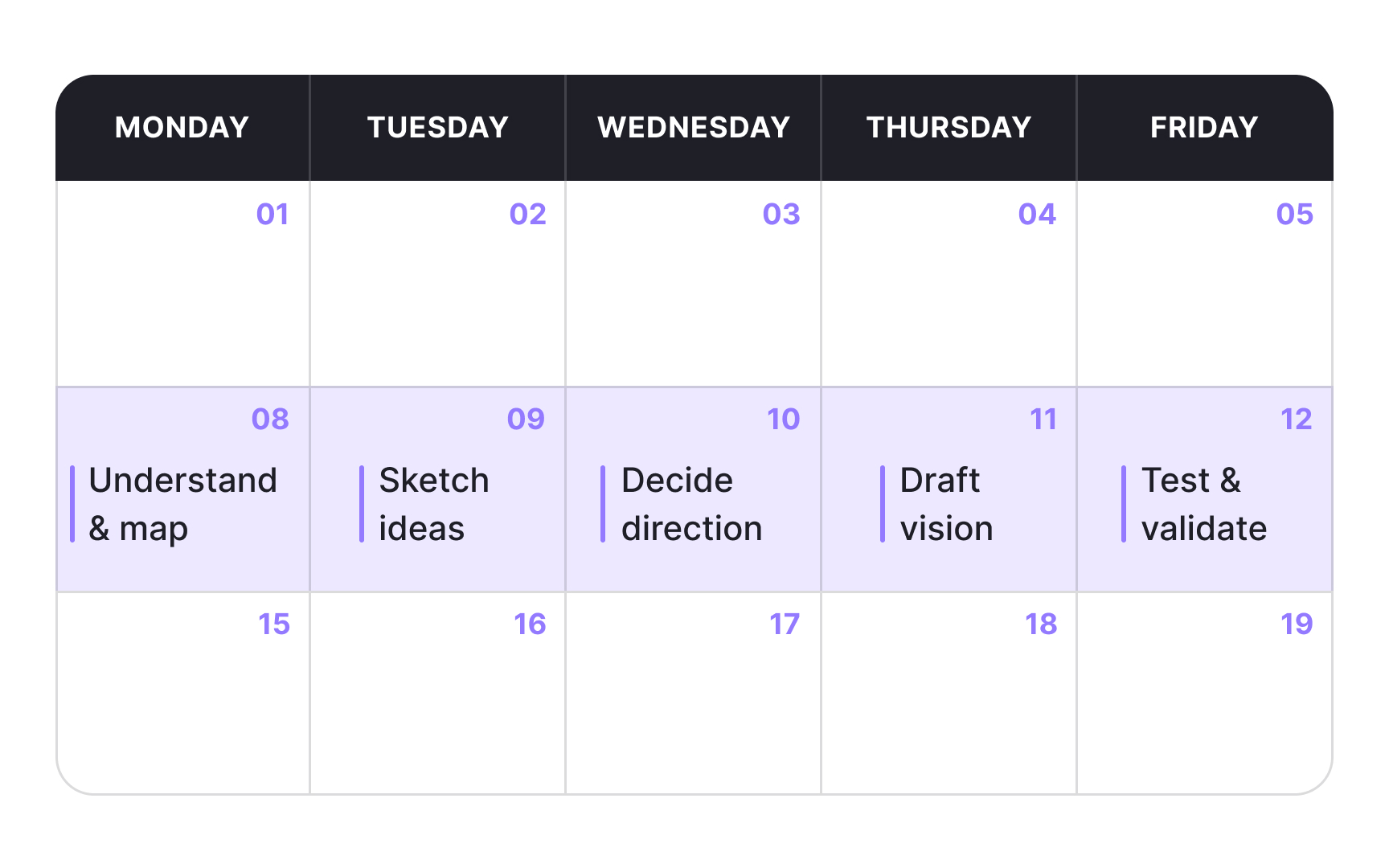
Sometimes defining a vision, one workshop may not be enough. Complex products or organizations with diverse stakeholders may require multiple sessions to move from initial concepts to a guiding vision statement. One way to structure these sessions is a focused sprint approach. A sprint condenses vision definition into an intensive week-long process adapted from design sprints. You meet for 2-3 hours each day over 5 days, with specific goals for each session. For example, day one focuses on understanding the challenge, day two on sketching possibilities, day 3 on deciding direction, day 4 on prototyping the vision statement, and day 5 on validation.
Between daily sessions, participants have time to reflect and do homework. Someone might
The sprint approach requires strong facilitation to keep things moving. Prepare detailed agendas for each day with time limits for activities. Make decisions by deadline even if they're not perfect, since you can iterate later. Assign clear owners for homework between sessions. The compressed timeline forces prioritization of what truly matters for your vision versus nice-to-have details.
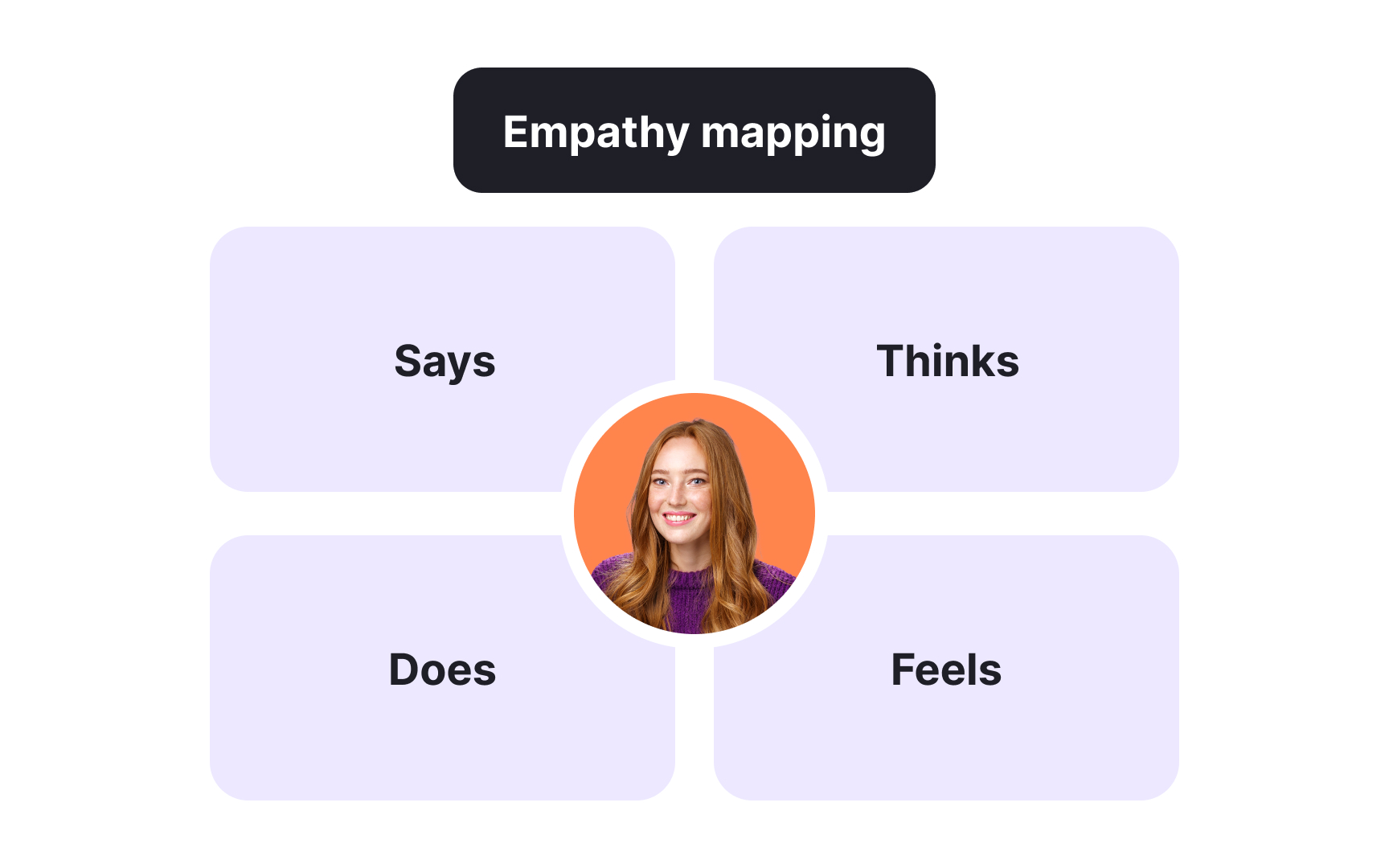
Specific exercises help teams think beyond current constraints when defining vision. Here are some examples:
- Empathy mapping adapted for future states explores what users will think, feel, say, and do in your aspirational future. This keeps focus on user transformation rather than product features. Participants fill out the map imagining how users' lives will be different, creating concrete details that make the vision tangible.
- Storyboarding visualizes how users will experience your future product. Each participant sketches a scenario showing a user's journey from problem to solution in your envisioned future. The stories don't need artistic skill, just clear sequences of events. Sharing these storyboards reveals different assumptions about what matters most and sparks discussions about the future you want to create.
- Elevator pitch exercises force clarity and
prioritization . Give participants three minutes to write how they'd describe the product's future to someone in an elevator. Then have everyone share their pitches while others note descriptive words used. Vote on which descriptors best capture your aspirational direction. This activity surfaces the essence of your vision by stripping away everything non-essential.
For new products, you're working with insights from potential users who don't yet use your solution. Conduct problem
For existing products, you have richer data from actual users. Look for patterns in support tickets, feature requests, and usage analytics that reveal unmet needs. Pay attention to what users are trying to accomplish, not just what features they ask for. Someone requesting a specific capability is actually trying to achieve an outcome. Your vision should address these underlying goals in ways that might go beyond what users explicitly requested.
Balance current feedback with aspirational thinking about future needs. Users describe problems within their current context and constraints. Your vision should anticipate how their world might evolve. Look for emerging patterns in user behavior that suggest changing needs. Consider how technology shifts or market changes could create new opportunities to serve users better. Ground the vision in real insights, but don't let current limitations cap your ambition.
Market trends help position your vision for future opportunities rather than current conditions. For new products, trends validate that your timing is right and reveal where the market is
For existing products, trends help you decide whether to evolve your current direction or pivot significantly. Analyze whether trends threaten your current approach or create new opportunities to serve users better. If regulations around data privacy are tightening, your vision might emphasize user control over their information. If your industry is consolidating, your vision might focus on integration capabilities that weren't priorities before.
Filter trends through your specific context rather than chasing every market shift. Not all trends matter equally for your product or users. A mobile-first trend affects consumer apps differently than enterprise software. Ask whether each trend creates new problems for your target users, enables better solutions, or changes how they accomplish goals. Use relevant trends to justify ambitious vision elements that might seem unrealistic based only on today's capabilities.
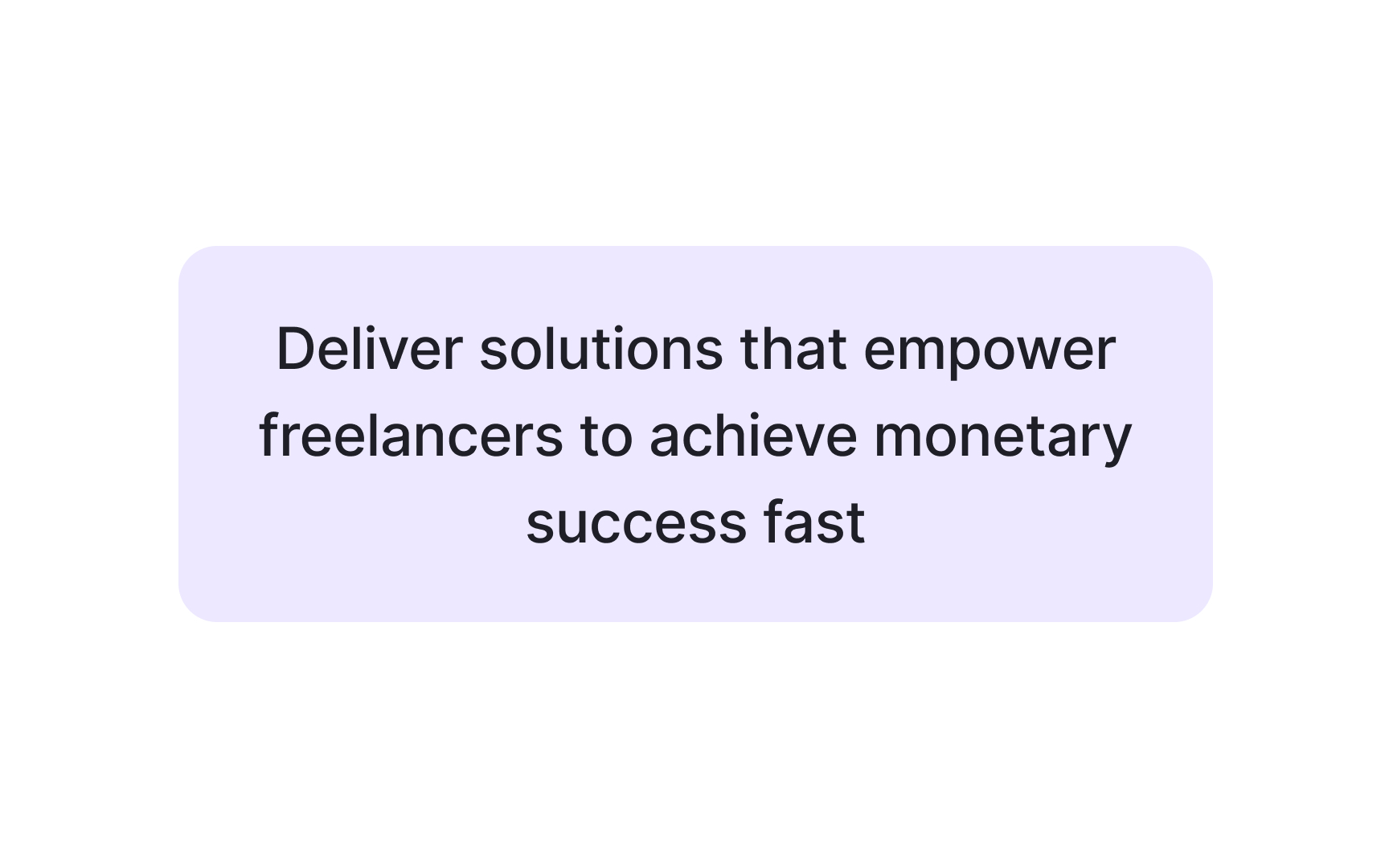
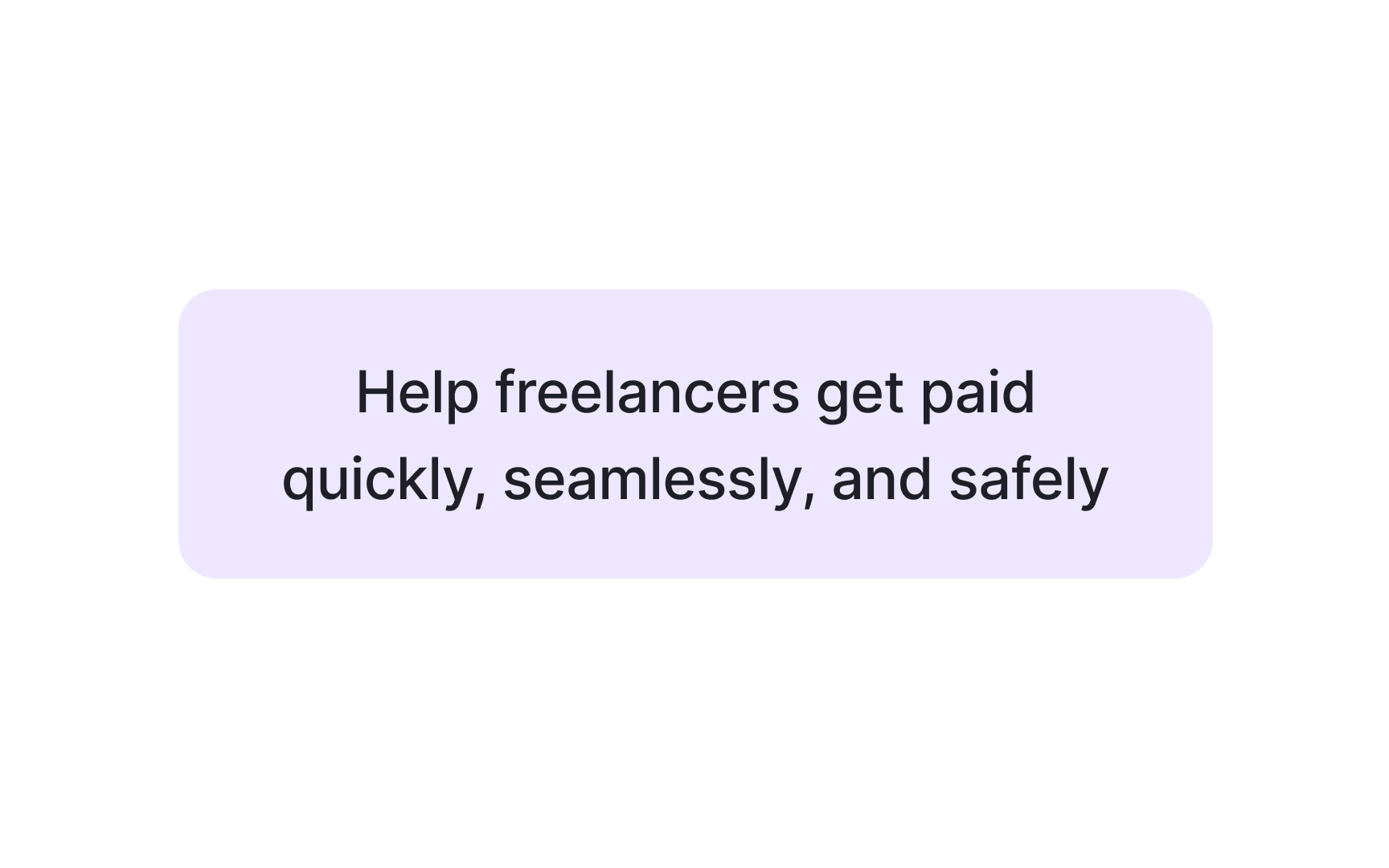
Your vision statement distills all your
A strong statement answers 3 questions:
- Who are your target users?
- How will they be different in the future?
- What role does your product play in creating that change?[3]
Keep it short enough that anyone in your organization can remember and repeat it without looking it up. Avoid generic language that could apply to any product. Phrases like "best-in-class solution" or "seamless experience" sound good but provide no real direction. Instead use specific language about user outcomes. Compare "empower teams to collaborate" with "help remote teams make decisions without meetings." The second version creates a clearer picture of what success looks like and guides specific product choices.
Draft multiple versions before settling on final wording. Start with a longer statement capturing all key elements, then cut ruthlessly until only essential words remain. Test each version by asking whether it helps someone make a product decision. If a feature idea clearly aligns or conflicts with your vision statement, the wording works. If someone could justify any feature using your vision, it's too vague and needs more specificity.
Finalizing your vision means making a clear decision to commit to the statement and stop iterating. Incorporate feedback that strengthens clarity and ambition, but resist the urge to accommodate every opinion. Some disagreement is natural and even healthy because ambitious visions push beyond comfortable consensus. Set a deadline for final approval and stick to it, even if the statement isn't perfect.
Document the vision in ways that make it accessible and useful. Irrespective of the vision format you choose, include a summary explaining the vision statement, the key user outcomes it targets, and why this direction matters now. Include the context that shaped the vision like market trends or user insights, so future team members understand the thinking behind it. Store this documentation where anyone can find it easily.
Also establish how the vision will be maintained over time. Decide who owns keeping it current and how often you'll review whether it still fits your context. Vision should evolve as you learn, but not change with every new idea or quarterly planning cycle. Plan for annual reviews where you assess whether the aspirational future still makes sense or whether major market shifts require rethinking your direction.
Pro Tip: Create a "vision toolkit" with 3-5 formats ready to deploy. This ensures you can communicate effectively regardless of audience or situation.


Similar lessons

Intro to Product Discovery

Your Product Vision and Strategy