Balance competing metrics
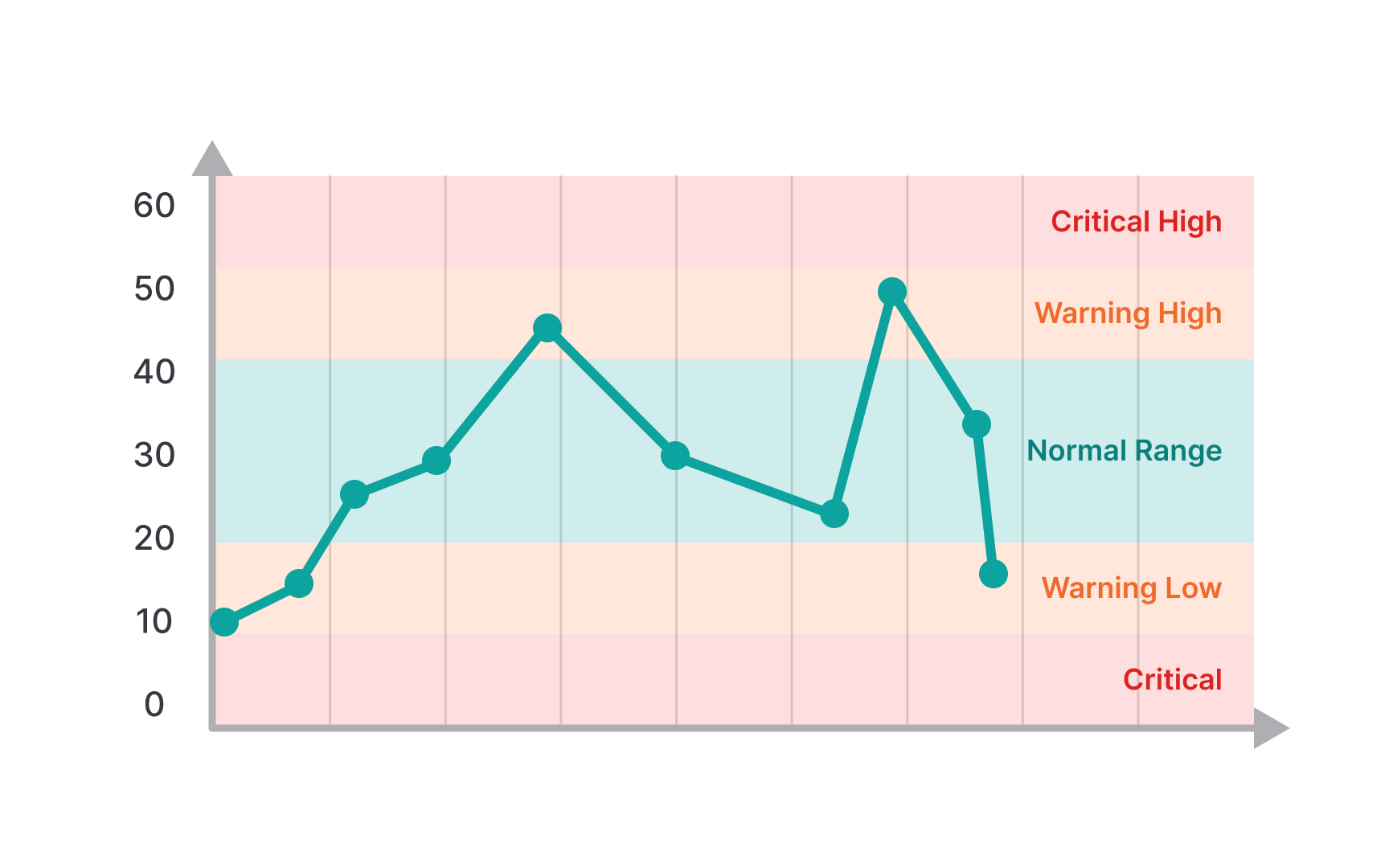
Product development often involves inherent tensions between different success indicators. Speed conflicts with quality, conversion conflicts with retention, and user satisfaction sometimes conflicts with monetization. Effective measurement frameworks acknowledge these tensions rather than pretending they don't exist.
The first step in balancing competing metrics is recognizing the natural trade-offs in your product. Short-term revenue growth might come at the expense of long-term user satisfaction. Feature simplicity might improve onboarding but limit power user capabilities. Security measures might reduce friction but increase abandonment. Document these relationships explicitly so teams understand the complexity of their decisions.
Creating balanced scorecards helps manage these tensions by ensuring no single metric dominates decision-making. Rather than maximizing any one dimension, aim for healthy performance across multiple indicators. For example, instead of purely optimizing for conversion rates, balance conversion with retention metrics to ensure you're not just acquiring users who quickly leave.
However, this requires regular stakeholder alignment on acceptable performance thresholds for each metric. Establish minimum performance levels for secondary metrics, even while prioritizing improvements in primary ones. This prevents overoptimization and maintains product health across all dimensions.