Semi-directed browsing
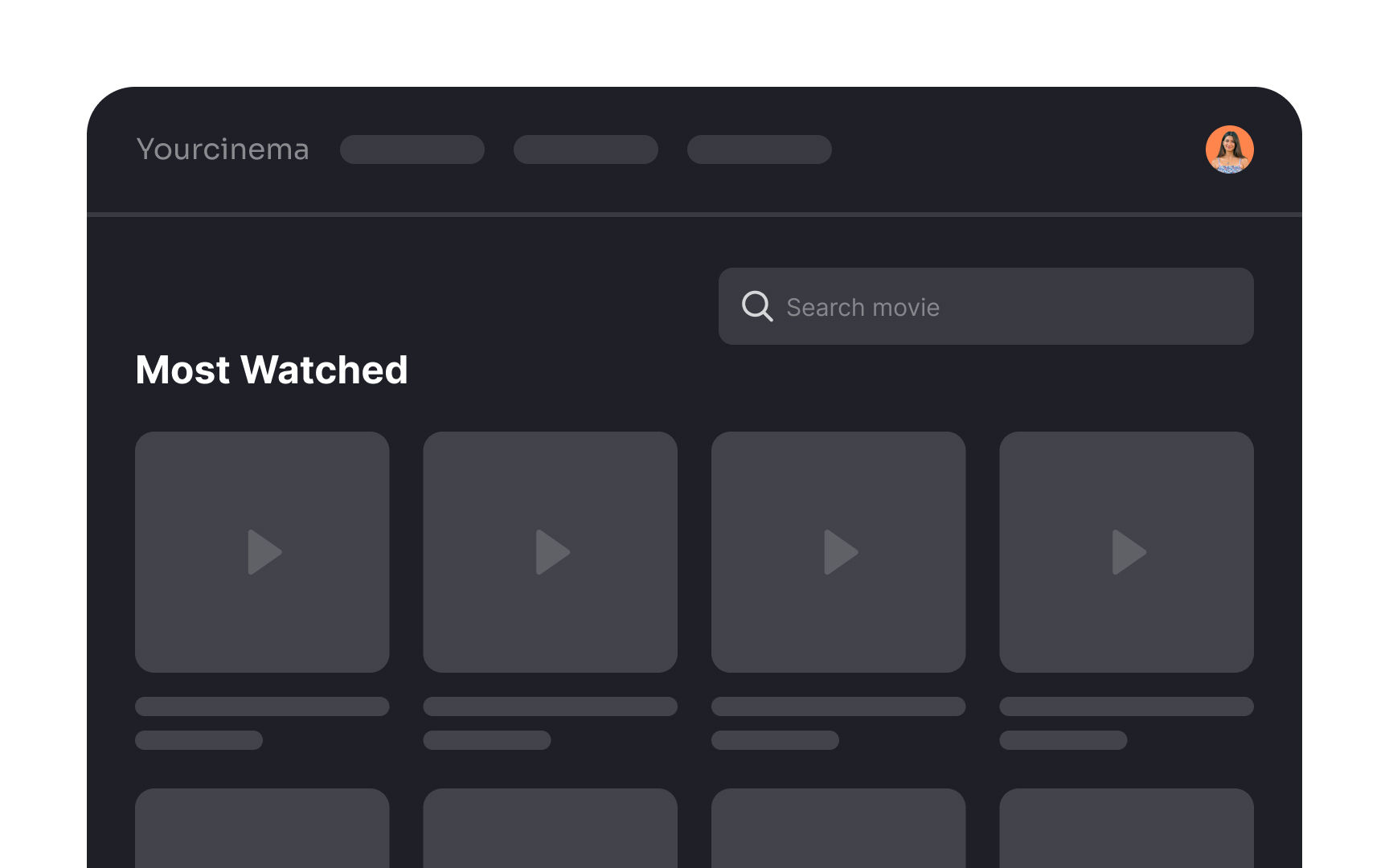
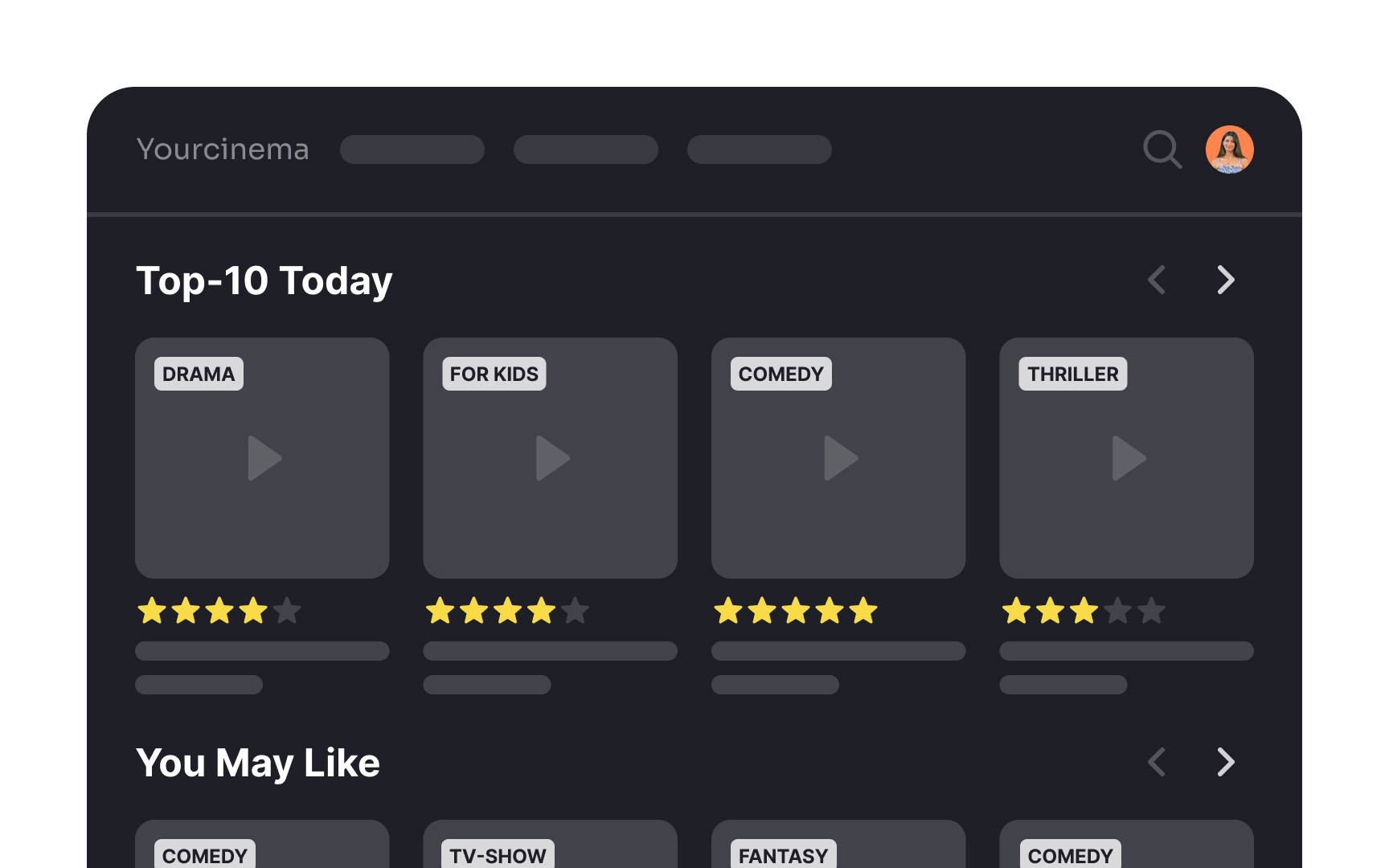
Semi-directed browsing is a mode of seeking information where users have a general idea of what they are looking for, but their goal is not fully defined. This approach is less systematic and more exploratory, often arising from a purposeful yet somewhat vague need. For example, imagine someone who wants to find a new productivity app but isn't sure what specific features they need. They might visit an app store and browse through various categories like task management, time tracking, and note-taking. They read user reviews, look at different app descriptions, and explore related apps. They aren't searching for a specific app — instead, they are exploring different options to get a sense of what might best meet their needs.
In semi-directed browsing, users benefit from a well-organized interface that offers multiple pathways to explore content, such as categorized sections, related articles, and search suggestions. This mode of browsing is common among users who are new to a subject and still learning about the material, as it allows them to gradually refine their understanding and goals.