Sphere of Influence and Responsibility
Map your influence zones and leverage them to drive ethical decisions across your organization
Your influence as a product professional extends far beyond immediate tasks and team boundaries, reaching through organizational hierarchies and into broader industry ecosystems. Understanding where your influence begins and ends helps navigate complex stakeholder relationships and make ethical decisions. Mapping influence zones reveals where to advocate most effectively for user needs and ethical practices.
More importantly, it helps to know how to distinguish between direct and indirect responsibilities, build coalitions that amplify ethical impact, and escalate concerns when necessary. By understanding stakeholder power dynamics and mastering influence without authority, you can drive positive change across multiple organizational levels while staying true to ethical principles.
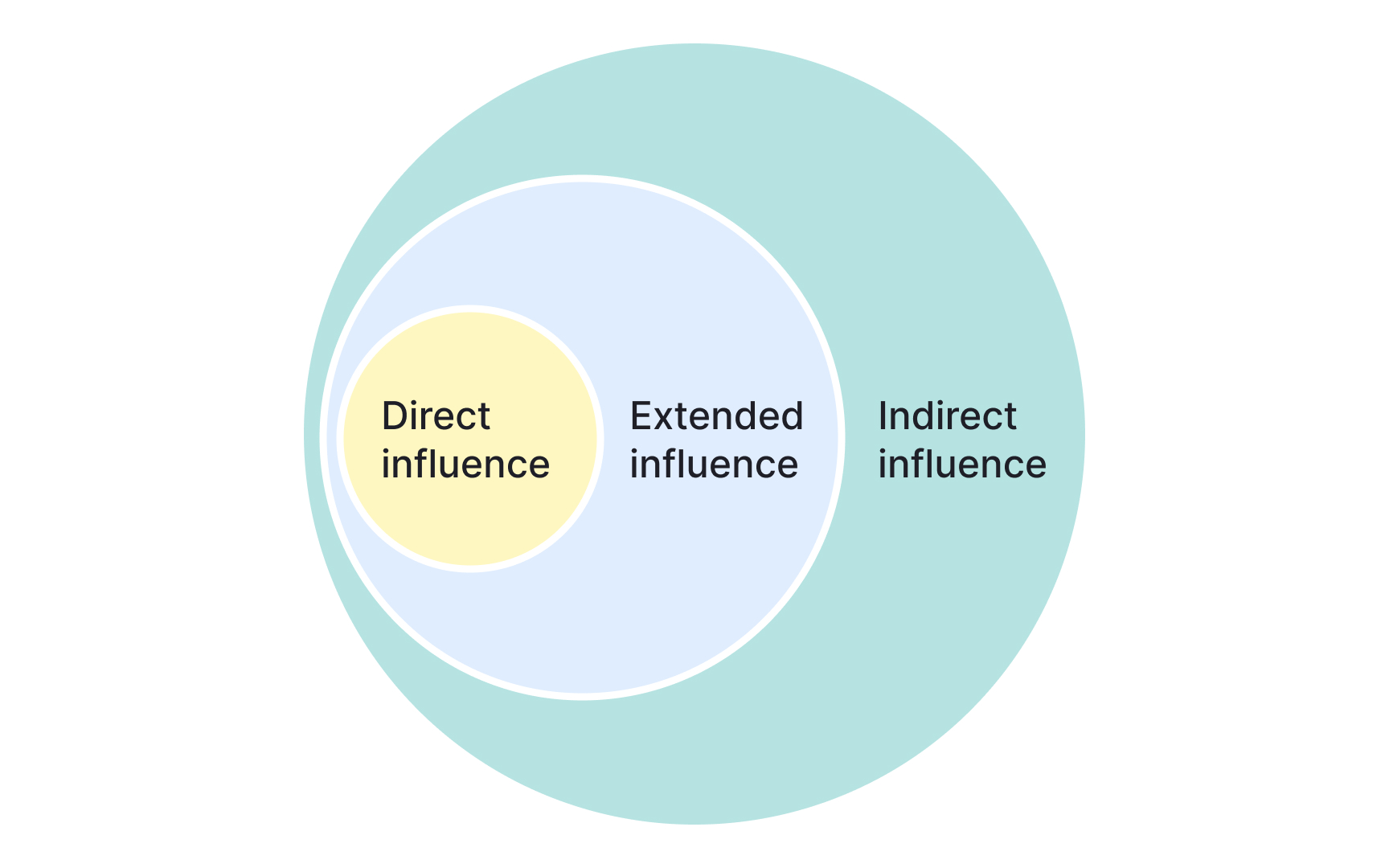
Understanding your sphere of influence starts with recognizing that impact radiates outward like ripples on water. Your immediate work represents the inner circle where your influence is strongest and most direct. Here you shape daily decisions, set cultural norms, and model ethical behavior through your actions.
Beyond this core sits your extended influence zone: cross-functional partners, stakeholders you regularly engage, and teams that depend on your product decisions. Product designers influence through their interface choices, researchers through their insights, engineers through their technical implementations. Each role creates different pathways for ethical impact.
The outer rings include indirect influence through the products you help create, industry standards you might shape, and the users whose lives you touch. Mapping these zones helps identify where you can most effectively advocate for ethical practices and where you might need to build coalitions to extend your reach.
Pro Tip: Create a visual influence map quarterly to track how your impact zones shift with new projects and relationships.
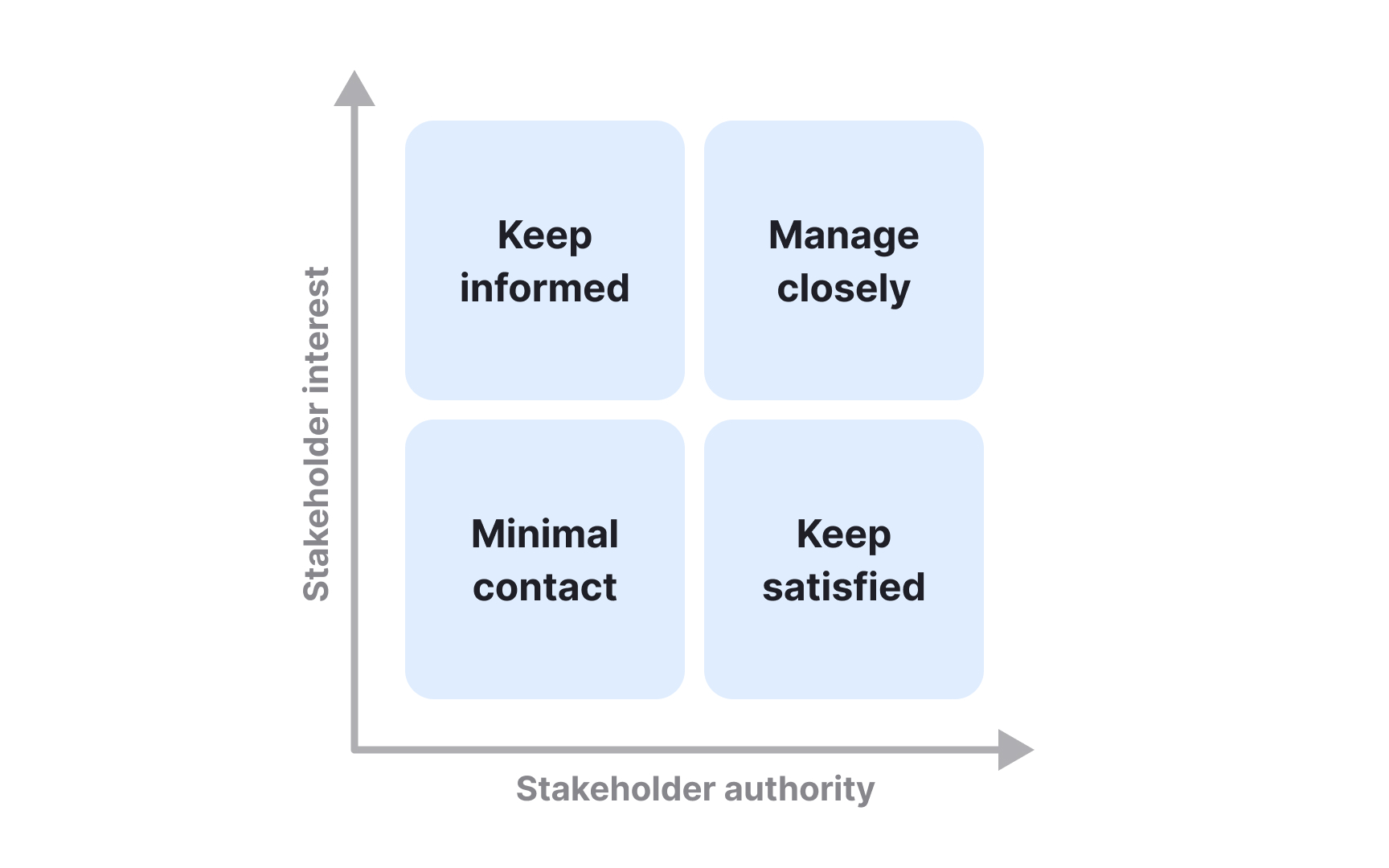
Power dynamics shape every product decision, often invisibly. Understanding who holds formal authority versus informal influence helps navigate organizational realities while maintaining ethical standards. The executive who controls budget allocation wields different power than the senior engineer whose technical expertise commands respect.
Mapping stakeholder power requires observing beyond org charts. Notice who gets invited to key meetings, whose opinions shift decisions, and who controls critical resources. Some stakeholders hold veto power while others influence through expertise or relationships. Recognizing these dynamics helps you strategize how to advance ethical priorities.[1]
Power imbalances can create ethical blind spots. When powerful stakeholders push for features that benefit business metrics over user well-being, speaking up requires courage and strategy. Building alliances with other influential stakeholders, presenting data that aligns ethical choices with business goals, and finding champions who can amplify your message all help level the playing field.
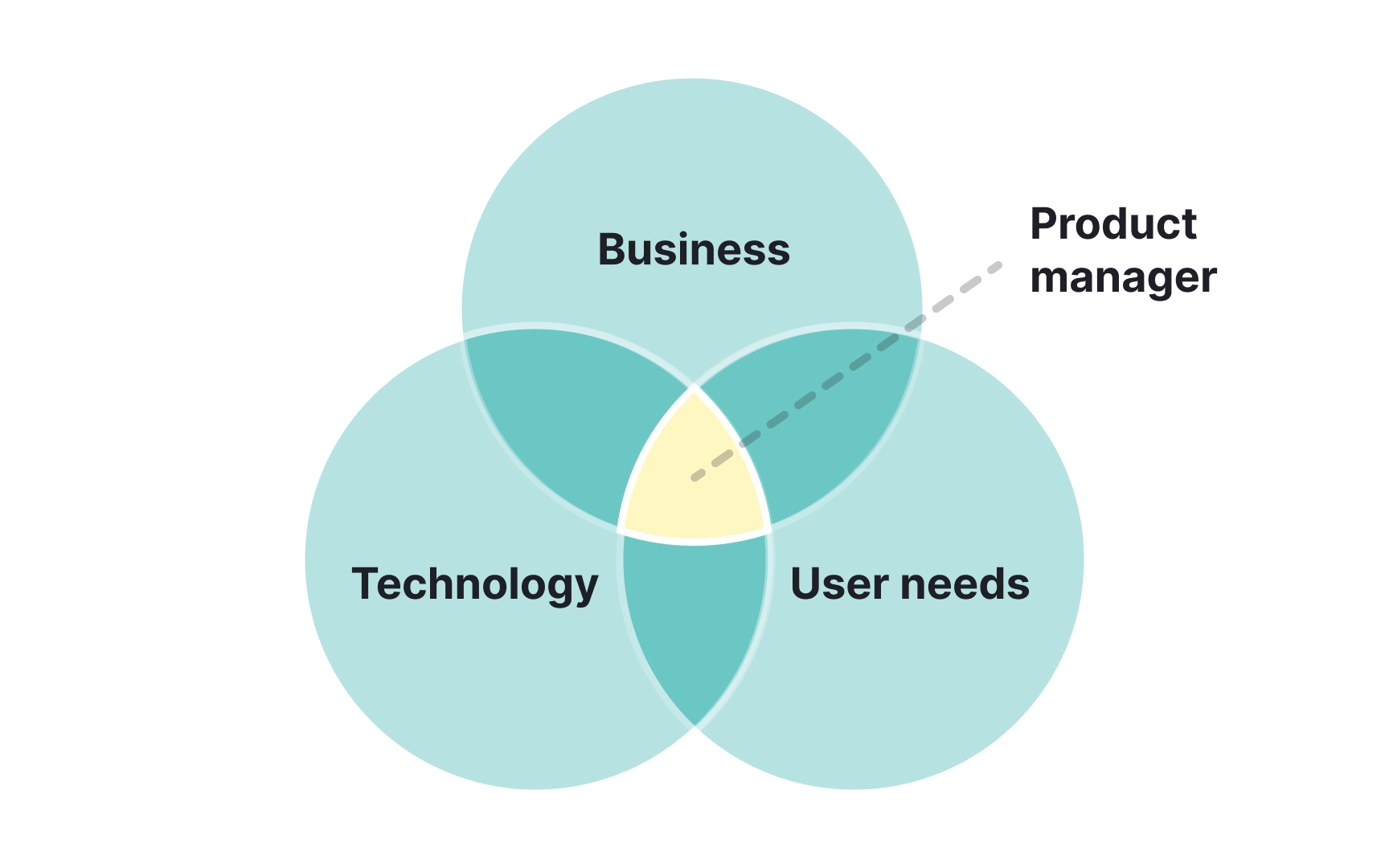
Product managers occupy a unique position to champion ethical considerations. Sitting at the intersection of business, technology, and user needs, PMs can spot ethical implications that others might miss. This positioning comes with the responsibility to voice concerns, even when doing so feels uncomfortable.[2]
Effective ethical advocacy requires balancing passion with pragmatism. Frame ethical arguments in language that resonates with your audience. For executives focused on growth, emphasize how ethical practices build long-term customer loyalty. For engineers concerned with technical elegance, highlight how ethical design prevents technical debt from hasty fixes to problematic features.
Timing and approach matter as much as the message itself. Choose moments when stakeholders are most receptive, prepare data that supports your position, and propose concrete alternatives rather than just identifying problems. Building credibility through consistent, thoughtful advocacy makes others more likely to listen when critical ethical issues arise.
Creating lasting ethical change rarely happens in isolation. Building coalitions multiplies your influence and creates sustainable momentum for ethical practices. Start by identifying allies who share your values, whether they're designers passionate about accessibility, engineers concerned about data privacy, or customer success teams witnessing user struggles firsthand.
Successful coalitions unite diverse perspectives around shared principles. A privacy-focused coalition might include legal counsel worried about compliance, engineers interested in security architecture, and UX researchers documenting user concerns. Each member brings unique expertise and influence channels, strengthening the collective voice.
Coalition building requires patience and diplomacy. Begin with one-on-one conversations to understand potential allies' motivations and concerns. Find common ground between different viewpoints, and create space for all voices. Regular check-ins, shared documentation, and small wins help maintain momentum. When coalitions speak with unified voices, organizations listen.
Product professionals often need to drive ethical decisions without formal power to enforce them. This reality demands developing soft influence skills: building trust, demonstrating expertise, and creating win-win scenarios. Your ability to influence stems from relationships, credibility, and the value you provide to others.[3]
Start by becoming a trusted advisor rather than an enforcer. Share relevant articles, offer help on others' projects, and consistently deliver on your commitments. When you've established yourself as someone who adds value, people naturally become more receptive to your perspectives on ethical considerations.
Knowing when and how to escalate ethical concerns can mean the difference between preventing harm and becoming complicit through silence. Escalation should follow a thoughtful progression, starting with immediate team discussions and moving upward only when necessary. Document concerns and attempted resolutions at each level.
Effective escalation requires preparation. Gather concrete examples, potential impacts, and proposed alternatives before raising concerns. Frame issues in terms of risk to users, legal liability, and long-term business impact. Avoid emotional appeals in favor of factual presentations that help decision-makers understand the stakes.
Create escalation criteria before you need them. What user harms warrant immediate escalation? Which ethical violations deserve whistleblowing if internal channels fail? Having clear personal boundaries helps you act decisively when faced with ethical dilemmas. Remember that escalation might have career implications, but silence has ethical ones.
Pro Tip: Always escalate with solutions, not just problems. Presenting alternatives shows you're invested in finding ethical paths forward.
Creating ethical alignment across engineering, design, marketing, and other functions requires intentional coordination. Each discipline brings different ethical perspectives: engineers focus on data security, designers on
Start alignment efforts early in product development cycles. Include ethical considerations in project kickoffs, sprint planning, and design reviews. Create shared artifacts like ethical requirement documents or decision logs that all functions can reference. When teams agree on ethical boundaries upfront, fewer conflicts arise during implementation.
Celebrate examples where different functions collaborated to solve ethical challenges. This ongoing dialogue builds shared vocabulary and mutual understanding around ethical priorities.
On a larger scale, product professionals shape industry standards through conference talks, blog posts, open-source contributions, and professional networks. When multiple companies adopt similar ethical standards, it becomes easier for individual organizations to justify ethical choices to stakeholders concerned about competitive disadvantage.
Consider the cumulative impact of industry practices. Features you normalize today become tomorrow's user expectations. Dark patterns spread quickly when successful products use them, but so do ethical innovations. By championing transparency, privacy, and user empowerment, you help shift entire industries toward more ethical defaults.
Building personal systems for ethical accountability helps maintain integrity when organizational pressures mount. Without intentional practices, it's easy to drift from ethical standards through small compromises.
Create concrete mechanisms for accountability. Set calendar reminders for ethical check-ins, maintain a log of difficult decisions and their outcomes, or establish a personal board of advisors who challenge your thinking. Some professionals write annual ethical reviews, reviewing how well they lived up to previous commitments.
Regular reflection strengthens ethical muscle memory. After launching features, assess their actual impact versus intended outcomes. When you notice ethical drift, examine what pressures led to compromise and how to resist them next time. This ongoing practice helps you recognize patterns and build resilience for future challenges.
References
Topics
From Course

Share


Similar lessons
Continuous Discovery Mindset
Business Outcomes vs. Product Outcomes