Ethics in Growth & Marketing
Balance growth objectives with ethical marketing practices that respect user autonomy and build lasting trust
Growth and marketing create the bridge between your product and the people who need it. But this power comes with responsibility. Every growth tactic, every marketing message, and every experiment you run impacts real people making real decisions. Ethical growth means building sustainable user relationships rather than exploiting psychological vulnerabilities. It means being honest about what your product delivers, respecting user boundaries, and measuring success through genuine value rather than vanity metrics.
Marketing ethics asks you to consider not just whether you can get someone to click, sign up, or buy, but whether you should. It challenges you to think about consent, transparency, and the long-term impact of your strategies. When companies prioritize short-term growth over ethical practices, they may see quick wins, but they risk losing trust, damaging their reputation, and ultimately harming the very users they claim to serve. Ethical growth and marketing create stronger foundations for lasting success while respecting the autonomy and well-being of your users.


Value messaging explains what your product does and why it matters. Honest value messaging means your claims match what users actually experience. When you promise features, benefits, or outcomes, users should be able to verify those promises through their own experience with your product.
Exaggerated claims might generate short-term interest, but they create a trust gap. If you claim your app "revolutionizes productivity" but it's really just a basic task manager, users will feel misled. This damages retention and generates negative word-of-mouth that's hard to recover from.
Honest messaging requires knowing your product's real strengths and limitations. Focus on specific, verifiable benefits rather than vague superlatives. Instead of "the best project management tool," say "helps teams track deadlines and collaborate on tasks." This attracts users who genuinely need what you offer and sets realistic expectations that lead to satisfaction rather than disappointment.[1]
Pro Tip: Test your value propositions with real users to ensure your messaging matches their actual experience with the product.
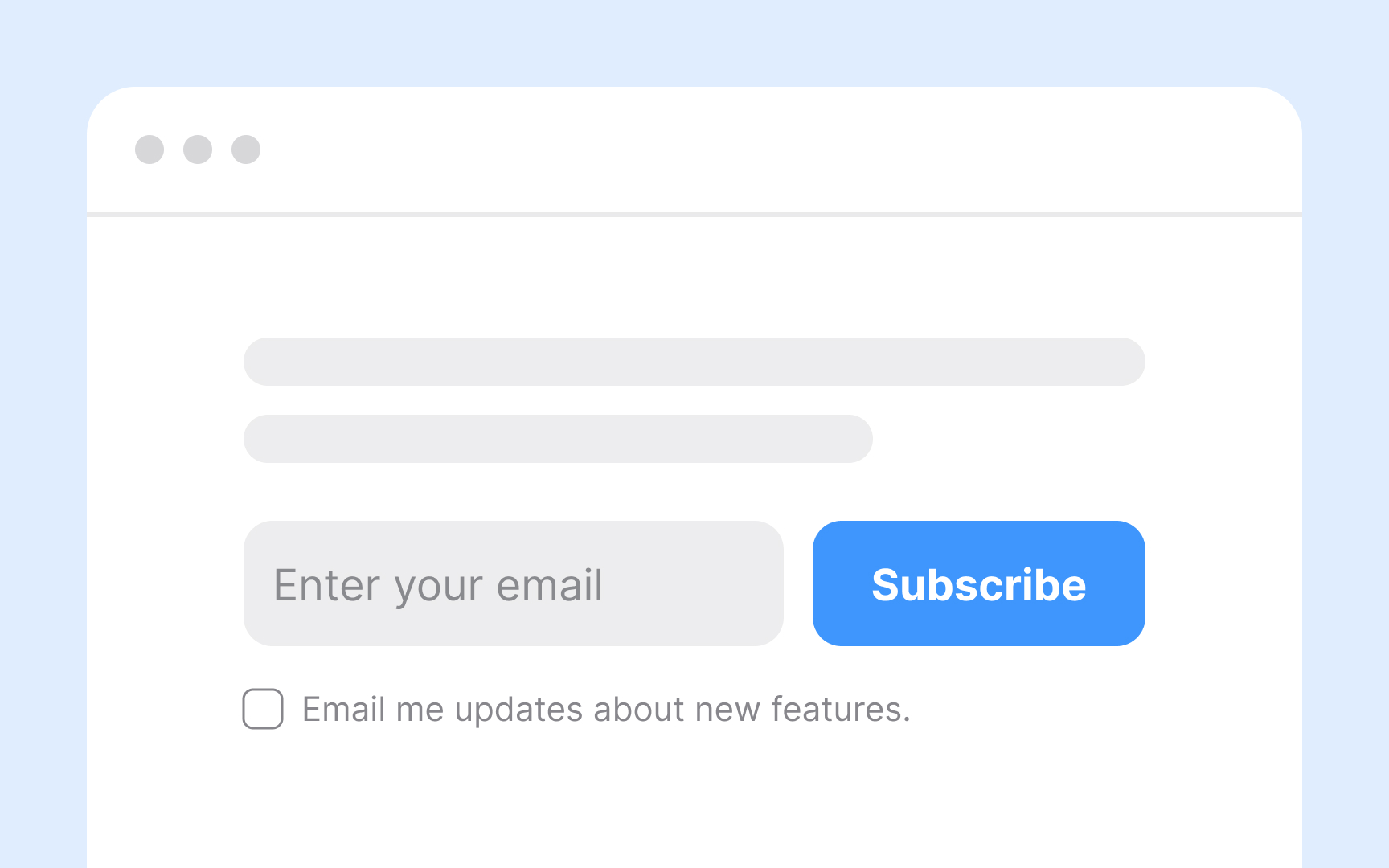
Consent-based
True consent requires clear information about what users are agreeing to. If someone signs up for product updates, they shouldn't suddenly receive daily promotional emails. If they agree to share their email, you shouldn't add them to multiple lists or share their information with partners without separate permission.
Consent should also be easy to withdraw. Unsubscribe processes should work immediately with one click, not require logging in, confirming through multiple steps, or waiting days for processing.[2] When users can easily control their relationship with your marketing, those who stay are genuinely interested. This creates a smaller but more engaged audience that's more likely to convert and less likely to mark your messages as spam.
Common manipulative tactics include infinite scroll that removes natural stopping points, artificial urgency through fake scarcity, and variable reward schedules designed to create compulsive checking behavior. These patterns prioritize engagement metrics over user well-being and often leave people feeling like they've wasted time rather than accomplished something meaningful.
Ethical retention builds on utility and satisfaction. Users return because your product helps them solve problems, collaborate effectively, or achieve their goals. Measure retention alongside value metrics like task completion rates or user-reported satisfaction. If people keep using your product but report feeling frustrated or manipulated, your retention strategy needs rethinking. Strong retention should correlate with users feeling their time was well spent.

Referral programs reward users for bringing friends, colleagues, or contacts to your product. They work when users naturally want to recommend your product and the incentive simply acknowledges their effort. Problems arise when incentives become so attractive that users promote products they don't actually believe in, or when programs encourage spam-like behavior. If your referral program leads users to blast everyone in their contact list or post repeatedly on social media just for rewards, you're incentivizing behavior that damages relationships and creates negative brand associations.
Ethical referral programs make it easy to share with specific people who would genuinely benefit. They're transparent about what both parties receive and don't create pressure to participate. Consider whether your incentives encourage thoughtful recommendations to relevant people, or just volume at any cost. The best referral programs grow your user base with people who are likely to find real value in your product, not just reward seekers.
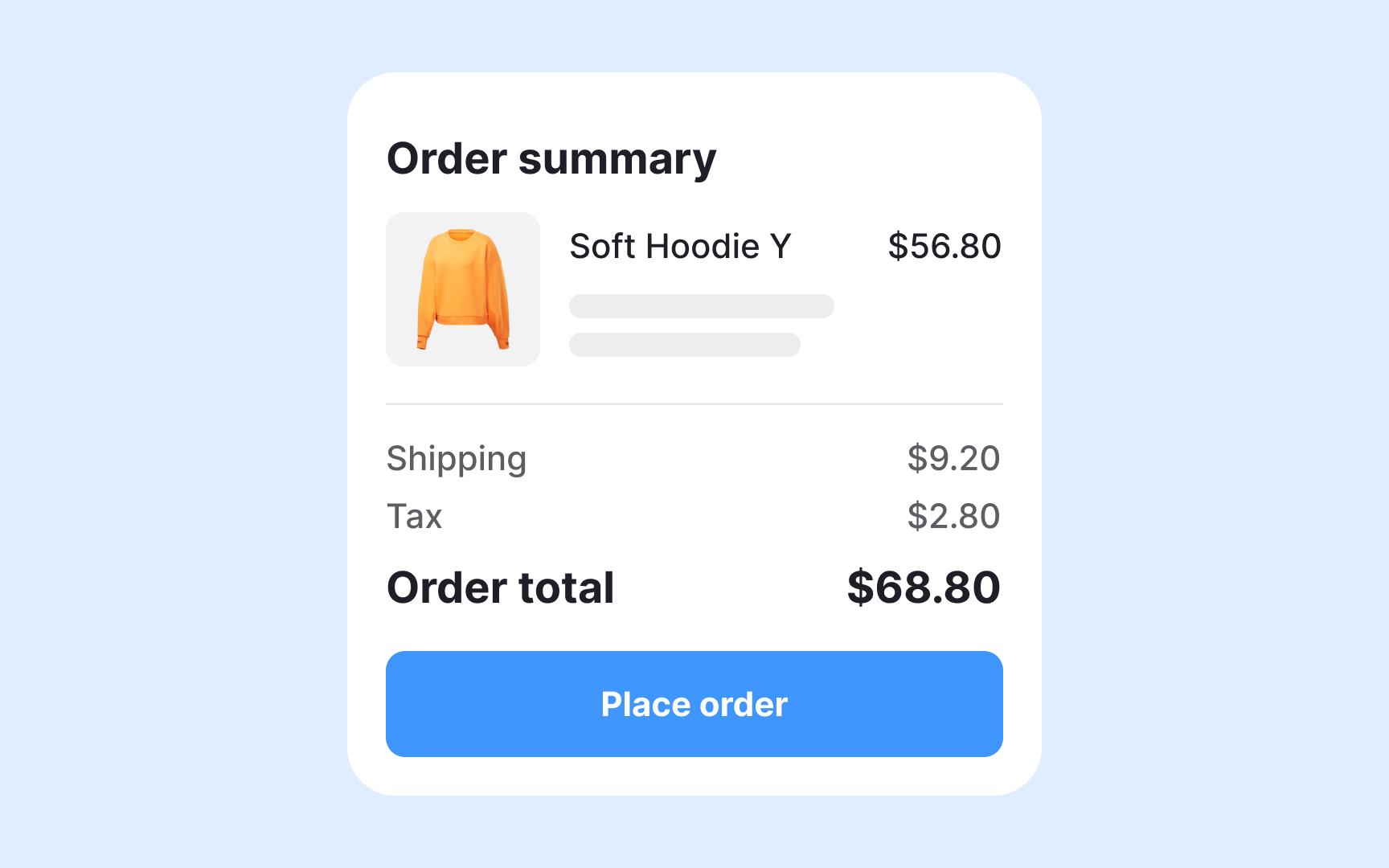
Pricing transparency means users can understand what they'll pay before committing to purchase or signup. This includes showing actual costs upfront, being clear about what's included at each tier, and disclosing any additional fees or charges that might apply. Hidden costs erode trust quickly. When users discover surprise fees at checkout, mandatory add-ons for basic functionality, or automatic upgrades they didn't authorize, they feel deceived. Even if they complete the purchase, this negative experience damages your relationship and increases churn. Users talk about pricing surprises, and these stories spread far beyond individual transactions.
Transparent pricing shows all tiers clearly, explains what differentiates them, and makes it obvious what users get at each level. If some features require add-on purchases, state this upfront. If pricing changes based on usage, provide calculators or examples so users can estimate their costs. When users can make informed decisions without surprises, they're more confident in their purchase and less likely to experience buyer's remorse.
Pro Tip: Show total cost including all fees before the final purchase step. Surprises at checkout destroy trust and increase abandonment.
Personalization uses data about user behavior, preferences, or context to tailor their experience. Unethical personalization manipulates users through targeted vulnerabilities or creates filter bubbles that limit their exposure to diverse perspectives.
The line between helpful and exploitative depends on intent and transparency. Recommending project templates based on someone's industry helps them work efficiently. Targeting ads for luxury items to users who've shown impulsive buying patterns exploits their tendencies. Personalizing content to reinforce existing beliefs without exposure to alternative viewpoints creates echo chambers.
Ethical personalization gives users control and visibility. They should understand what data you're using and why, with options to adjust or disable personalization. Avoid using sensitive attributes like financial vulnerability, emotional state, or health conditions for targeting without explicit consent. Consider whether your personalization helps users achieve their goals or nudges them toward actions that primarily benefit your metrics.
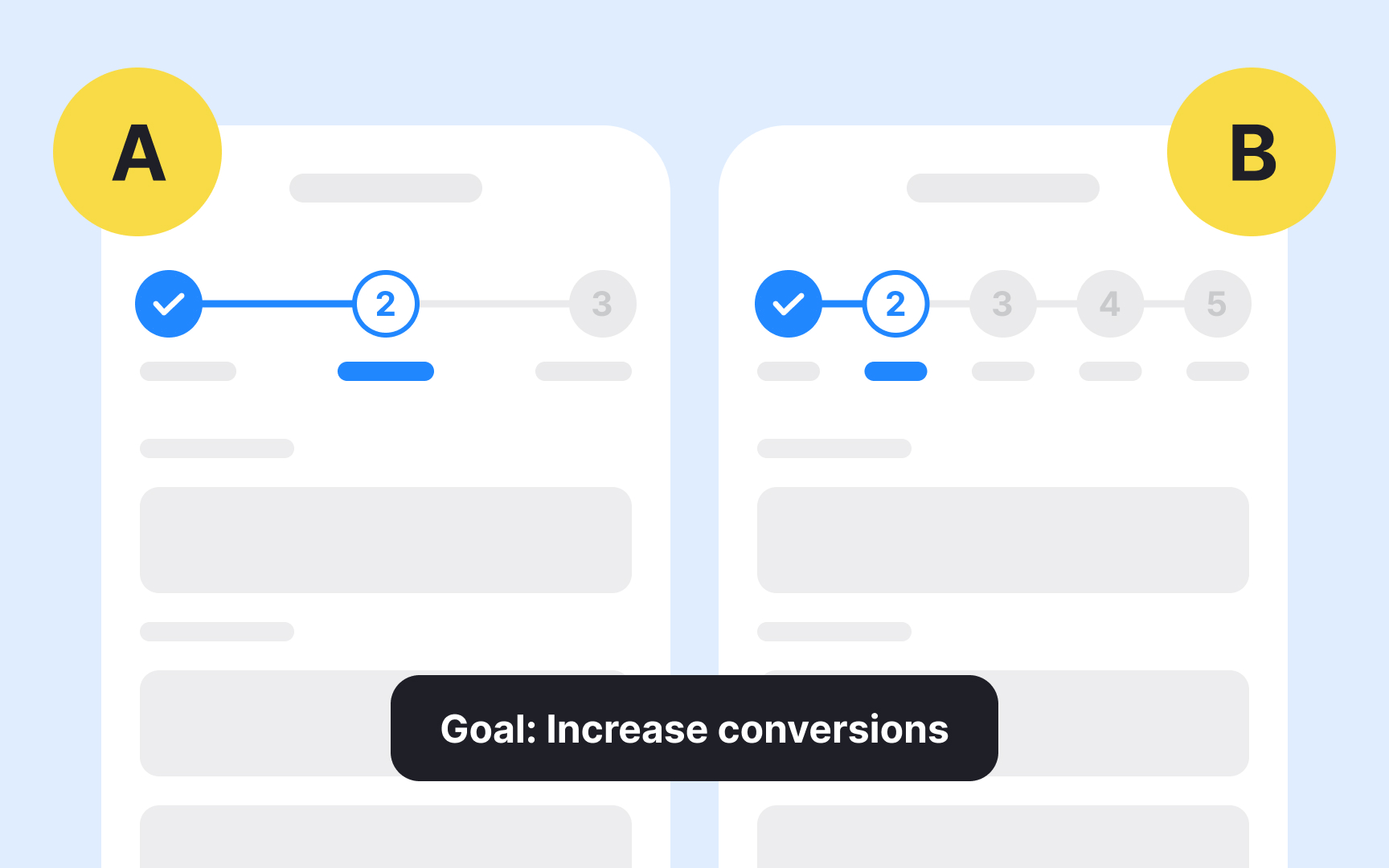
Growth experiments test different approaches to acquisition, activation, or
Establishing experiment bounds means defining what you won't test regardless of potential results. This might include not experimenting with deceptive patterns, not testing tactics that exploit vulnerable users, or not running experiments that significantly degrade the experience for a test group. Your bounds should reflect your values and the long-term relationship you want with users.
Before running growth experiments, consider the user experience for all groups, potential unintended consequences, and whether short-term gains justify any negative impact. Document your ethical guidelines for experimentation and review tests against these standards. Strong growth teams know when to stop an experiment that's working numerically but creating problematic user experiences or violating trust.
References
- Top 10 Design Mistakes in the Unsubscribe Experience | Nielsen Norman Group
Topics
From Course

Share


Similar lessons
Building Loyalty Programs to Retain Users

Building Community and Leveraging Social Proof