Economics & Labor
Design platform systems that balance business efficiency with fair labor practices and worker economic security
Platform-based work has transformed labor markets worldwide, creating new economic models that challenge traditional employment relationships. The platform economy creates complex power dynamics between workers, platforms, and consumers. Algorithmic systems determine task allocation, pricing, and worker evaluation, often without transparency about how these decisions are made. Workers may experience flexibility in choosing when to work while simultaneously facing intense pressure to maintain high performance metrics and accept unfavorable conditions to access income opportunities.
Product teams make decisions that directly shape these labor conditions. Compensation models, rating systems, task allocation algorithms, and worker support features all influence economic outcomes for millions of people. Understanding platform labor dynamics helps teams design systems that balance operational efficiency with economic fairness, create sustainable work environments, and support worker autonomy while meeting business objectives and serving customers effectively.
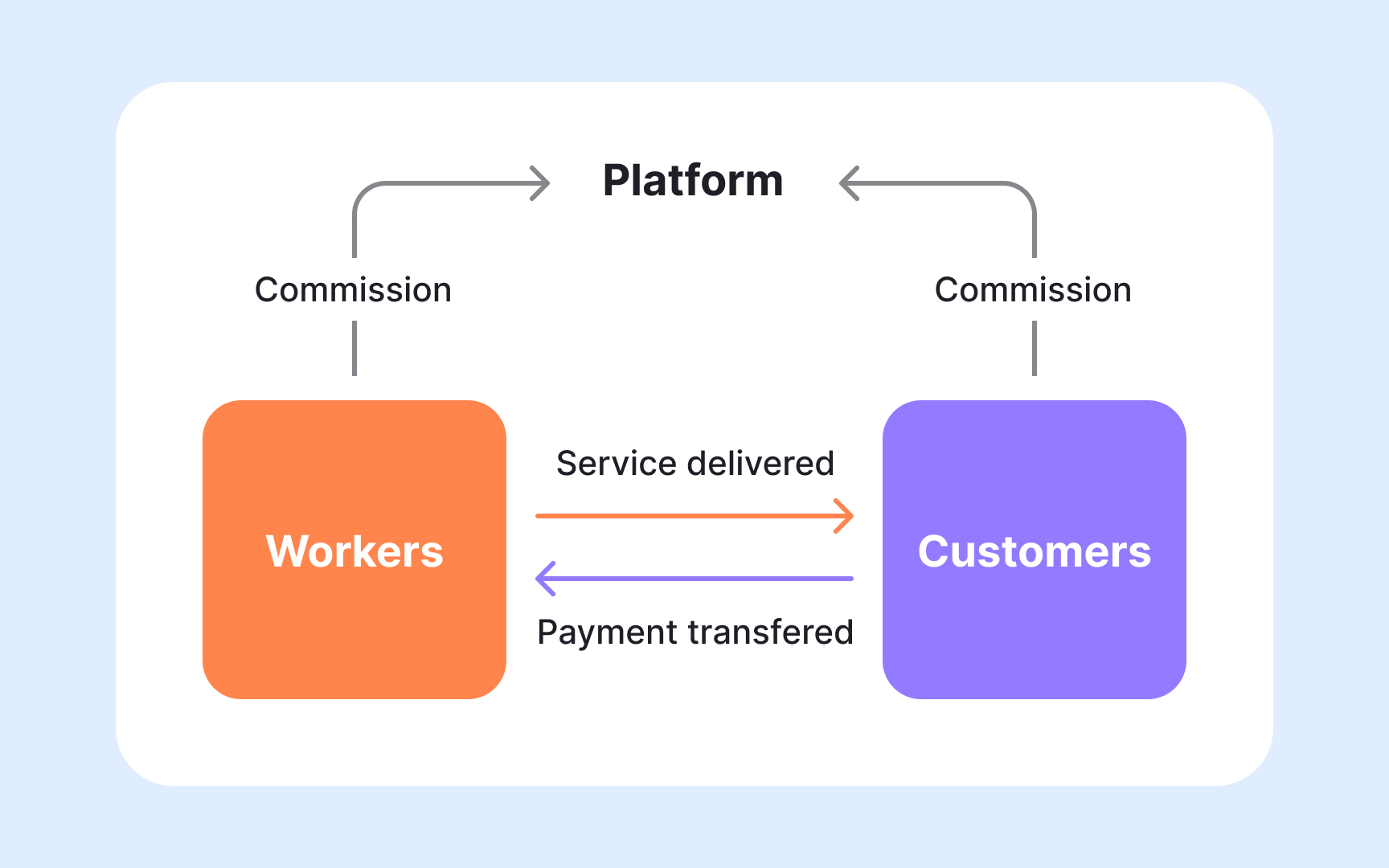
Platform labor markets operate through digital intermediaries that connect workers with customers, fundamentally changing traditional employment relationships. Unlike conventional jobs with fixed salaries and clear employer-employee structures, platform work involves interactions between workers, platforms, and customers. Companies like Uber, DoorDash, and Upwork use technology to coordinate task matching,
These markets create distinct economic dynamics. Workers often classify as independent contractors rather than employees, affecting their access to benefits, job security, and legal protections. Platforms extract value by taking commission from transactions while positioning themselves as neutral intermediaries. For example, Grab dominates Southeast Asian ride-hailing with over 90% market share in some countries.[1] Network effects favor larger platforms, as more workers attract more customers and vice versa, leading to market concentration where one or two platforms dominate entire sectors.
Understanding these dynamics helps product teams recognize how design decisions affect market balance. Features like task allocation algorithms, pricing structures, and worker classification systems shape economic outcomes for all participants. Products that account for power imbalances and market concentration can create more sustainable and equitable labor ecosystems.
Algorithmic management uses computer-programmed procedures to coordinate and control labor through automated systems. Platforms like Uber, DoorDash, and Grab employ algorithms to handle management functions including task assignment, pricing, performance monitoring, and quality control. These systems process vast amounts of data to match workers with tasks, calculate dynamic pricing, track worker performance in real-time, and enforce compliance through ratings and penalties.
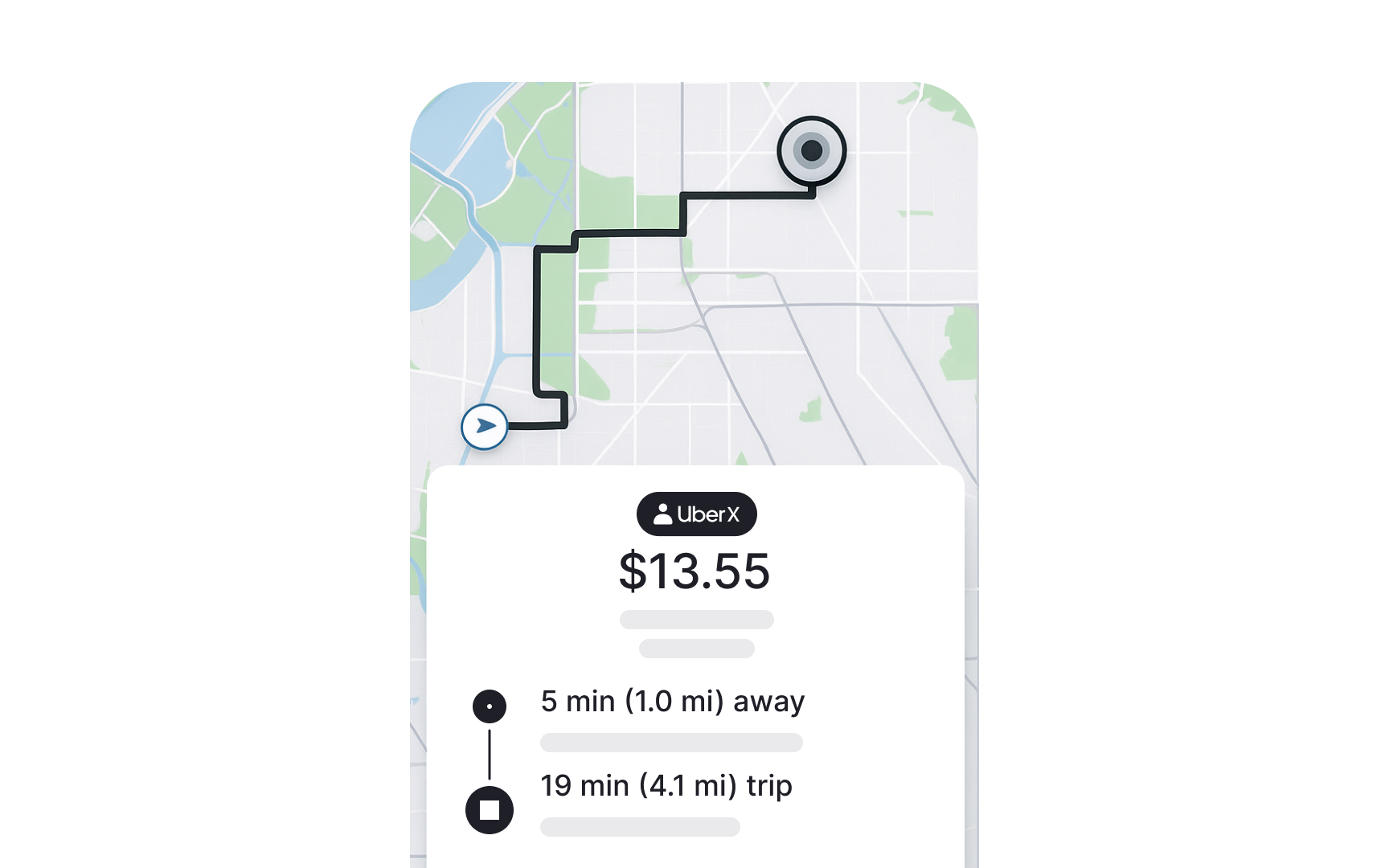
Algorithms decide which worker receives which task based on factors like location, performance history, and acceptance rates. They monitor completion times, track routes, and evaluate worker behavior continuously. For example, delivery platforms use algorithms to calculate optimal delivery times and penalize workers who take too long, while ride-hailing apps algorithmically assign trips and adjust
However, algorithmic management creates opacity and power imbalances. Workers often cannot see how decisions are made, what factors affect their rankings, or why they receive certain tasks. This lack of transparency makes it difficult for workers to improve performance, challenge unfair decisions, or understand sudden changes in earnings. The automated nature also removes human judgment and context from management decisions, affecting worker autonomy and well-being.
Pro Tip: Document how your algorithms make decisions affecting workers and provide clear explanations for automated actions.
Gig economy sustainability examines whether platform-based work models can provide stable, long-term livelihoods for workers while maintaining business viability. Unlike traditional employment with predictable income and benefits, gig work often involves variable earnings, lack of social protections, and income insecurity. Workers face fluctuating demand, changing commission rates, and intense competition that can make it difficult to plan financially or maintain consistent quality of life.
Sustainability concerns extend beyond individual workers to broader economic and social impacts. High worker turnover rates indicate that many cannot sustain themselves through platform work alone. For example, food delivery platforms like Swiggy and Zomato in India have seen drivers work unsustainably long hours to meet basic income needs, leading to burnout and safety risks.[2] When platforms reduce pay or increase commissions to achieve profitability, workers bear the economic burden while having limited alternatives due to market concentration.
Creating sustainable gig economies requires balancing platform profitability with worker welfare. This includes ensuring fair compensation that covers living costs, providing access to benefits like health insurance and retirement savings, and maintaining reasonable workloads. Product teams must consider how design decisions around
Pro Tip: Test whether your platform's compensation model allows workers to earn a sustainable living wage for reasonable hours.
Fair compensation models in platform work determine how workers are paid for their labor, balancing business costs with worker livelihood needs. Traditional compensation approaches include piece-rate payment per task completed, hourly base pay during active shifts, or hybrid models combining both. Platforms like Uber and DoorDash primarily use per-task rates, while some platforms have experimented with guaranteed minimum earnings. Each model affects worker income stability, behavior, and economic security differently.
Piece-rate systems create income uncertainty since workers cannot predict daily earnings. They also incentivize speed over safety, pushing workers to rush through tasks to maximize income. For example, food delivery workers often skip breaks and work dangerously fast to complete more deliveries per hour. Dynamic
Fair compensation goes beyond payment amounts to include transparency about how pay is calculated, consistency in rate structures, and coverage of work-related costs like fuel, vehicle maintenance, and equipment. Product teams must design compensation systems that provide predictable income, account for all work time including waiting periods, and ensure workers can cover expenses while earning livable wages. Transparent payment breakdowns showing exactly how earnings are calculated build trust and enable workers to make informed decisions about their work.
Worker autonomy refers to the degree of control workers have over when, where, and how they perform their work. Platform companies often market gig work as offering high autonomy, with workers choosing their own schedules, accepting or rejecting tasks, and working as much or little as desired. This flexibility attracts workers seeking to balance employment with caregiving, education, or other commitments. Unlike traditional jobs with fixed schedules and supervision, platform work appears to offer independence and self-determination.
However, platform workers face what researchers call the autonomy paradox. While workers technically have freedom to choose when to work, algorithmic systems create pressure that limits real autonomy. For example, Grab and Gojek drivers who reject too many tasks face penalties like reduced access to future work or lower rankings. Performance-based systems push workers to accept unfavorable tasks, work during unsocial hours, or extend work hours beyond healthy limits to maintain competitive ratings and access to income. The appearance of choice masks structural constraints that shape worker behavior.[3]
Understanding this paradox helps product teams
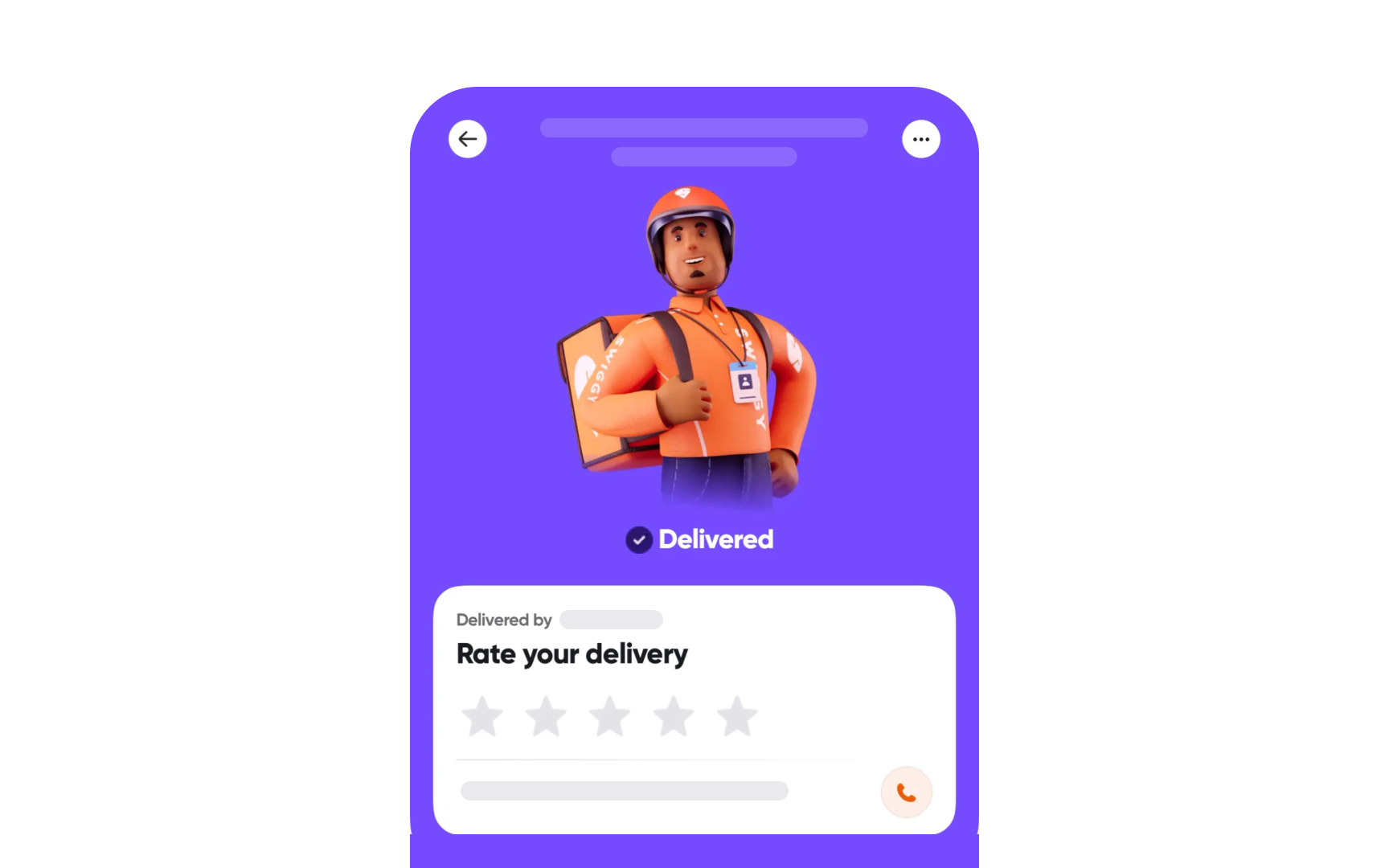
Workers on platforms like Uber, Airbnb, and Upwork are constantly rated by customers, with scores directly affecting their access to tasks, earnings potential, and account status. High ratings typically lead to more job opportunities and better treatment by algorithms, while low ratings can result in reduced work access or account deactivation. These systems aim to maintain quality and build trust between strangers.
However, rating systems often lack transparency and create significant stress for workers. Many platforms do not clearly explain how ratings are calculated, what factors influence scores, or how to dispute unfair reviews. Workers may receive low ratings for circumstances beyond their control, such as traffic delays, restaurant mistakes, or customer bias. For example, delivery workers report receiving poor ratings when restaurants prepare food slowly or when customers are unhappy about menu
Products should have systems that separate controllable factors from external circumstances, provide specific feedback rather than just numerical scores, and allow workers to respond to unfair reviews. Transparency means workers understand exactly how ratings affect their work access, can see detailed feedback explaining scores, and have meaningful recourse when ratings are unjust or biased.
Platform economics have a tendency to affect traditional industries and employment patterns in addition to their workers’ livelihoods. The rise of ride-hailing apps disrupted taxi industries worldwide, displacing workers who had invested in licenses and vehicles under different regulatory frameworks. Food delivery platforms changed restaurant economics and cooking jobs. These shifts redistribute economic value and risk, often concentrating profits with platforms while workers absorb income volatility and operational costs.
Product teams should analyze whether their platforms enable sustainable livelihoods, how changes affect vulnerable worker populations, and what happens when platforms dominate local markets. This assessment informs responsible design decisions that balance innovation with economic justice and helps identify when platform growth creates rather than solves economic problems.
Workers’ rights in platform economies include fundamental protections like fair wages, safe working conditions, freedom from discrimination, and ability to organize collectively. Traditional employment frameworks provide these protections through labor laws, union representation, and employer obligations. However, platform workers often fall outside these frameworks because companies classify them as independent contractors rather than employees. This classification means workers in platform apps typically lack access to minimum wage guarantees, overtime pay, paid leave, unemployment insurance, and workers' compensation.[4]
The employment classification debate affects millions of platform workers globally. Platforms argue that workers are self-employed entrepreneurs using technology to find customers, justifying minimal responsibilities for worker welfare. Workers and labor advocates counter that algorithmic control,
Product teams can support worker rights through design decisions even within current legal frameworks. This includes creating channels for workers to voice concerns, ensuring fair treatment in algorithmic decisions, protecting against arbitrary account deactivation, and providing transparent information about rights and policies. Ultimately, supporting worker rights builds trust, reduces exploitation risks, and creates more sustainable platform ecosystems.
References
- The Plight of Gig Workers in India | The Wire
- The Plight of Platform Workers Under Algorithmic Management in Southeast Asia | Carnegie Endowment for International Peace
Topics
From Course

Share