Annotations are for everyone
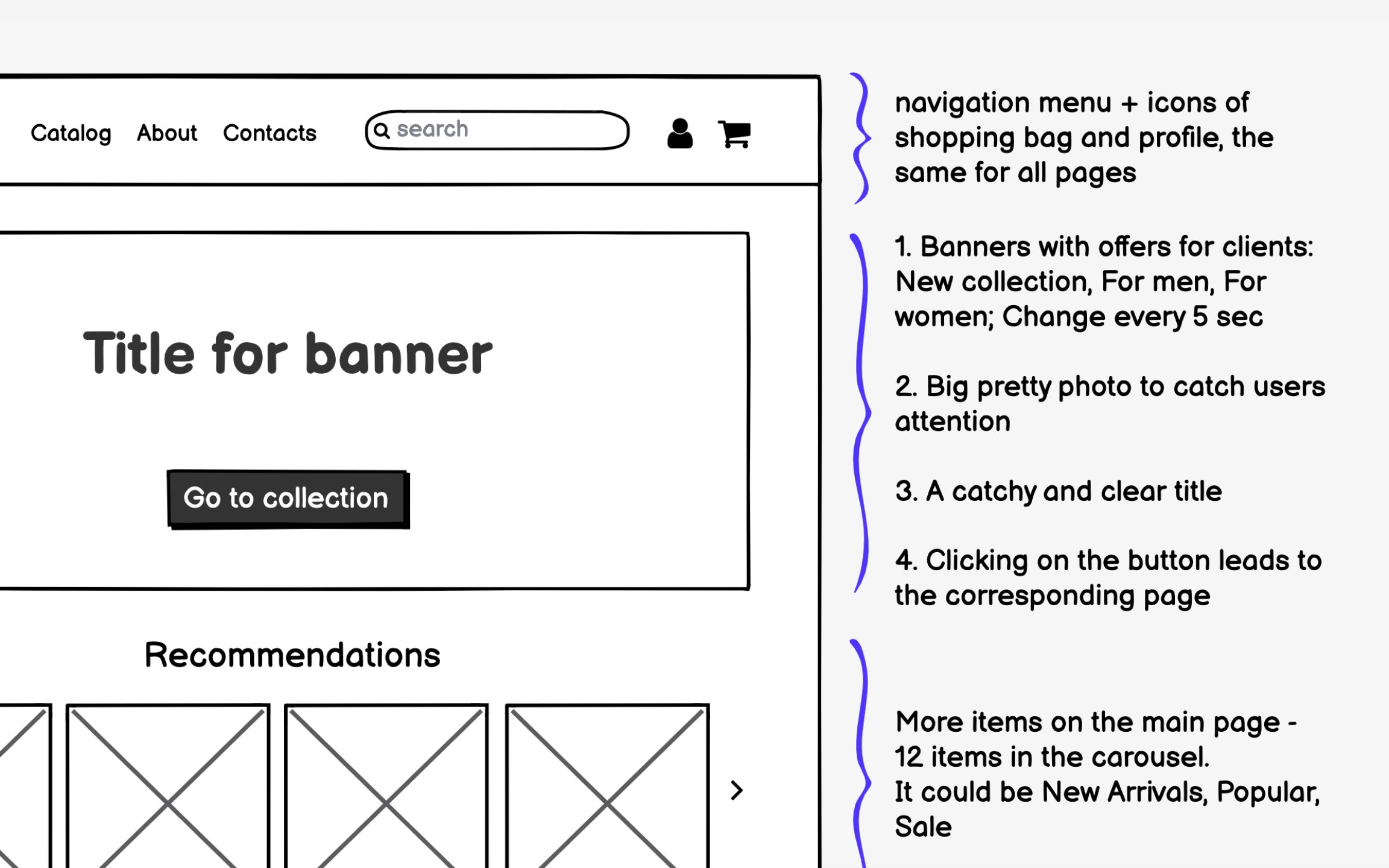
Your wireframe annotations serve multiple audiences, each looking for different information:
- Developers scan for technical requirements and interaction logic
- Visual designers seek layout rationale and element hierarchy
- Copywriters need context for messaging tone and content constraints
- Clients want assurance that business goals are met.
Tailor your annotation approach to address these varied needs simultaneously. A button annotation might include: "Submit form (developer), primary action styling (designer), success message: 'Your request has been received' (copywriter), reduces support tickets by confirming action (client)." This multi-layered approach ensures no stakeholder leaves confused.
Remember that the future you is also an audience. 6 months from now, when asked why you chose a checkbox over a radio button, your annotations should provide the answer. Document design decisions with enough context to defend or revise them later.[1]
Pro Tip: Present wireframes in real time when possible, using annotations as talking points to elaborate based on audience questions.
References
Top contributors