Explain what will happen next
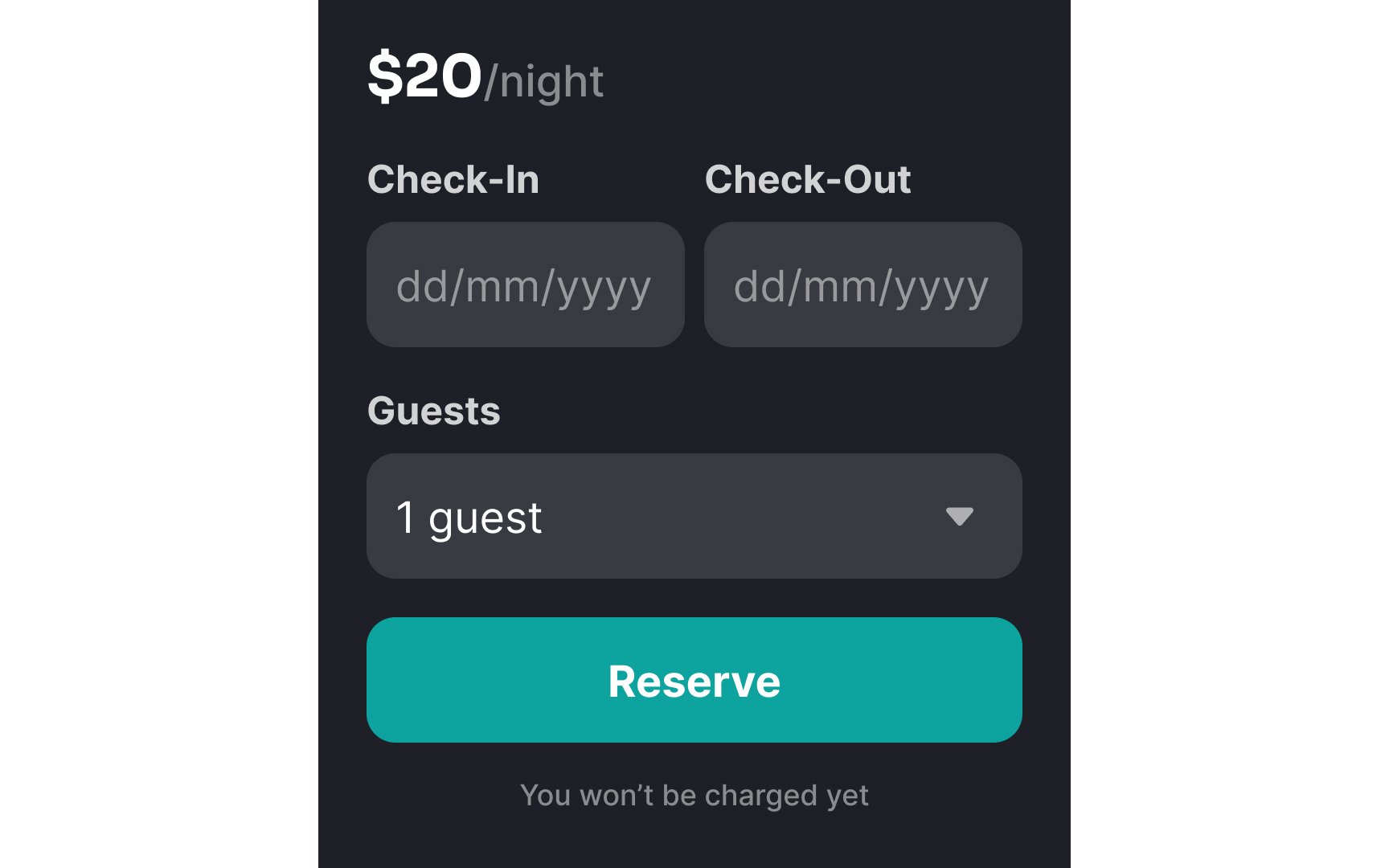
Predictability in digital interfaces plays a crucial role in managing user anxiety. Unexpected behaviors, unclear steps, or missing progress indicators can trigger stress responses and disorientation. Clear communication about upcoming actions, time estimates, and process steps helps users maintain a sense of control and preparedness during their digital journey.
Time estimates and progress indicators serve multiple purposes in anxiety-aware design. Reading time estimates for articles, file upload progress bars or step-by-step wizards provide users with concrete expectations. This information helps users plan their interactions, allocate appropriate time, and feel more confident about completing tasks. For instance, a simple "5-minute read" indicator or "2 of 4 steps completed" message can significantly reduce uncertainty.
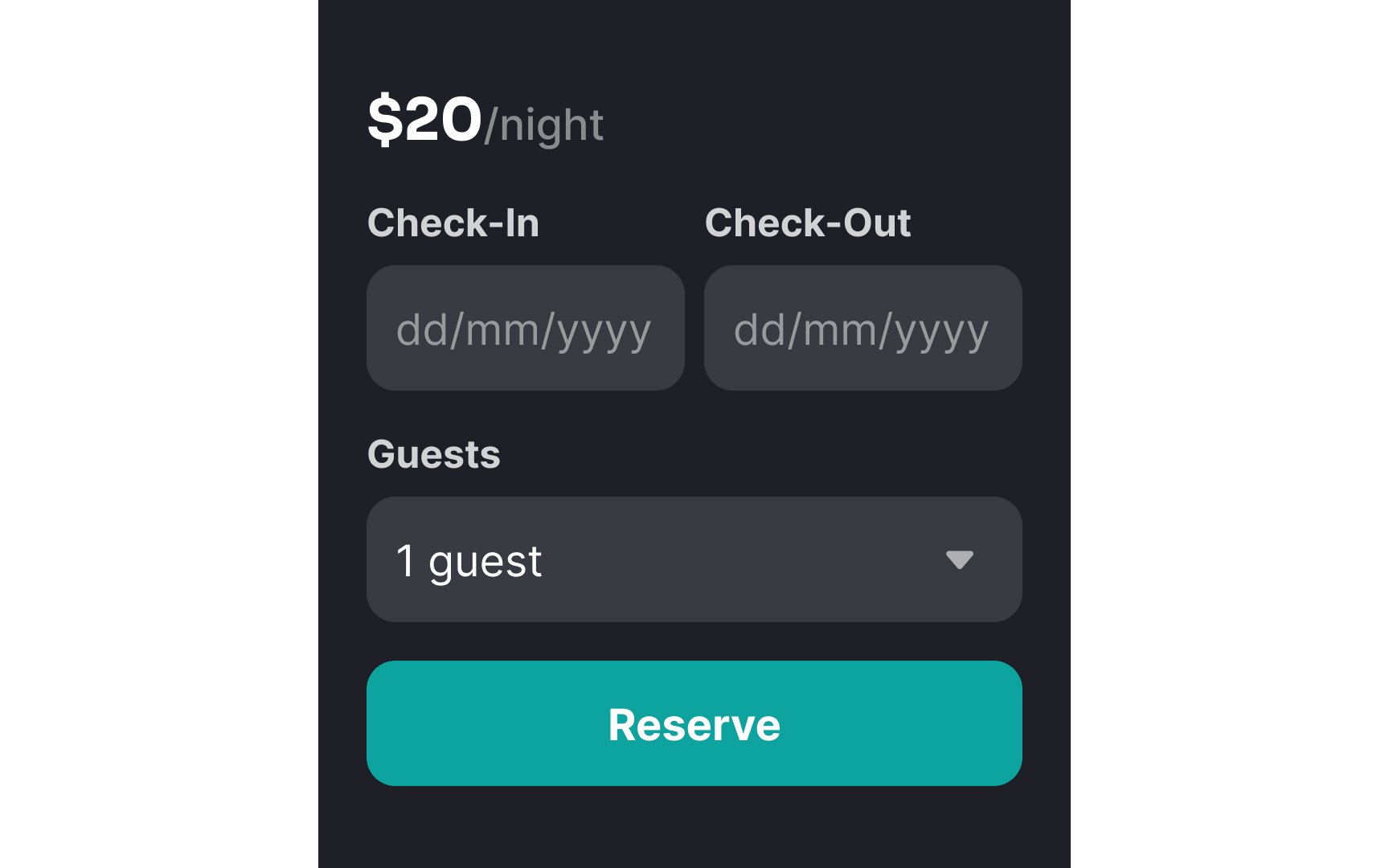
Advance information about system behaviors (for example, will clicking on a Reserve button automatically charge their card?) particularly benefit users with disabilities who rely on assistive technologies. Screen reader users need to know when new content will load, form submissions will trigger page refreshes, or when automatic updates might occur. This proactive communication prevents confusion and maintains a stable, predictable interface that supports all users' needs.
Pro Tip: Before any significant process, provide a brief overview of required steps and estimated completion time — this helps users prepare mentally and decide when to start.