Understanding AI safety nets
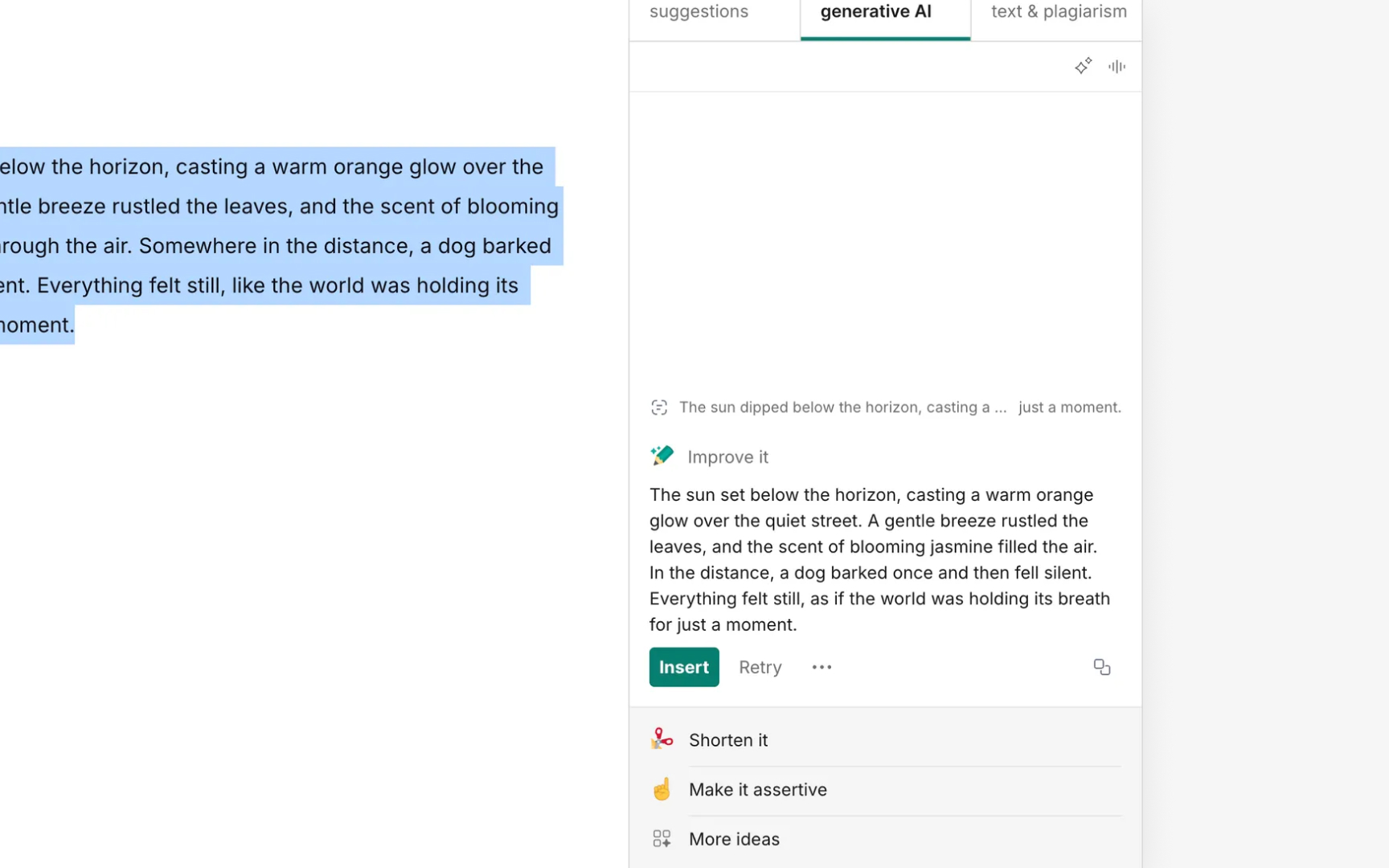
Traditional software follows set rules, but AI systems are different. While regular apps do exactly what they're programmed to do, AI can create outputs that designers never specifically planned for. AI systems often work with probabilities instead of certainties, making mistakes that look different from regular software bugs. They might generate content that seems correct but contains subtle errors, or make recommendations based on patterns users can't see. This unpredictability grows as AI gets more freedom to make decisions. Safety nets for AI are protective features that help users feel confident while letting the system show what it can do. These safeguards include:
- Version tracking to record AI-generated content over time
- Review spaces where users can check and approve outputs before they go live
- Warning systems for potentially problematic content
- Override controls that let users modify or reject AI suggestions when needed
Good safety nets don't just prevent problems, they build trust by showing that the system respects user choices and puts their goals first, rather than just focusing on efficiency.