Assumptions in lean UX research
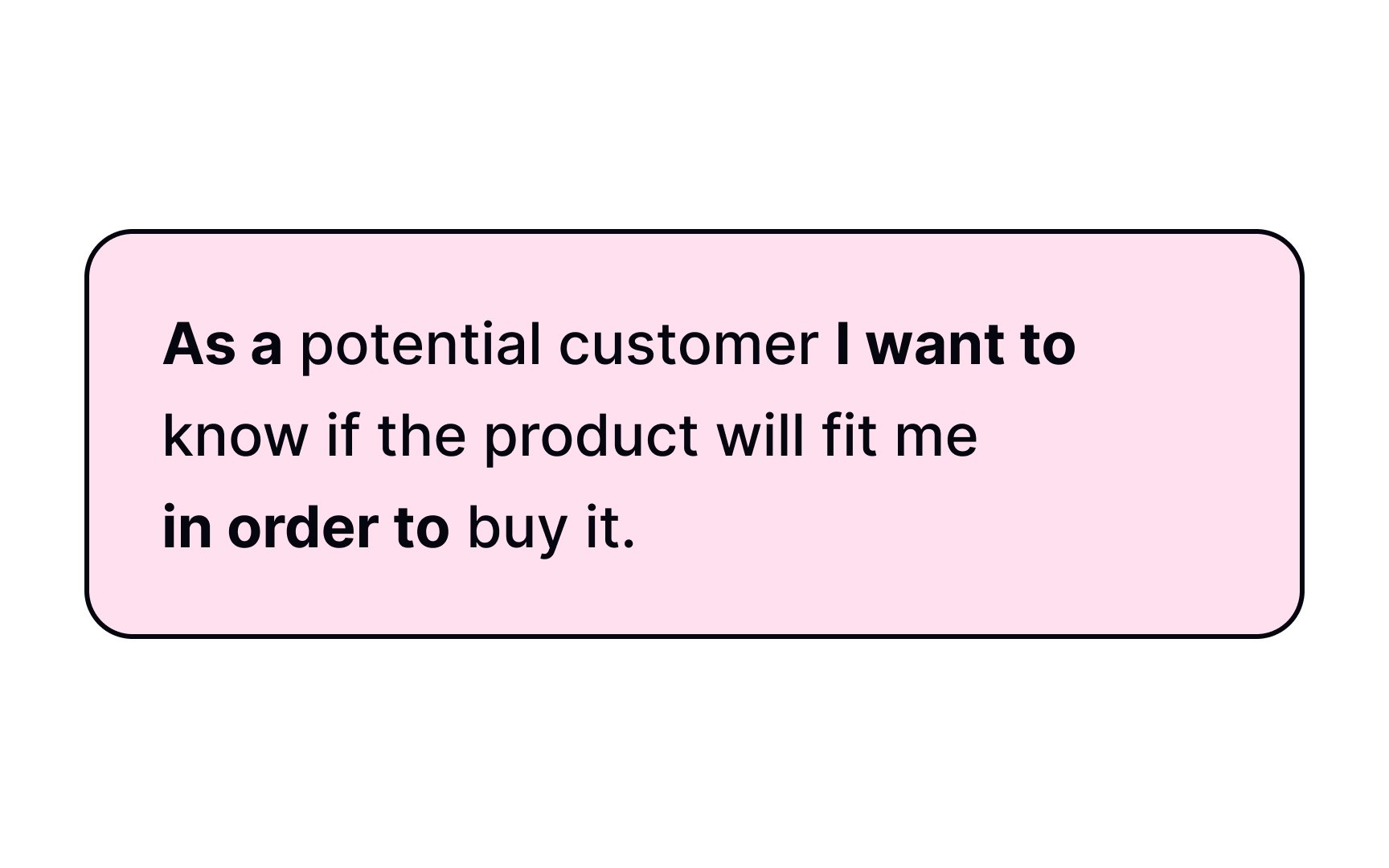
One of the main differences between lean UX research and other research methods is making assumptions. In traditional research, we avoid assuming anything about users. Instead, we study them and present our findings as detailed deliverables. This information determines how the design process will be conducted.
Lean UX is slightly different because the focus is to improve the product here and now. For example, you've noticed that users of an e-commerce site switch back and forth between the product details page and the basket page to edit their selected size, and many leave the website without purchasing.
Start with a problem statement that follows the pattern: "[A user] needs [need] to accomplish [goal]." For example, "A user needs to understand our shoe size system to buy shoes of the right size."
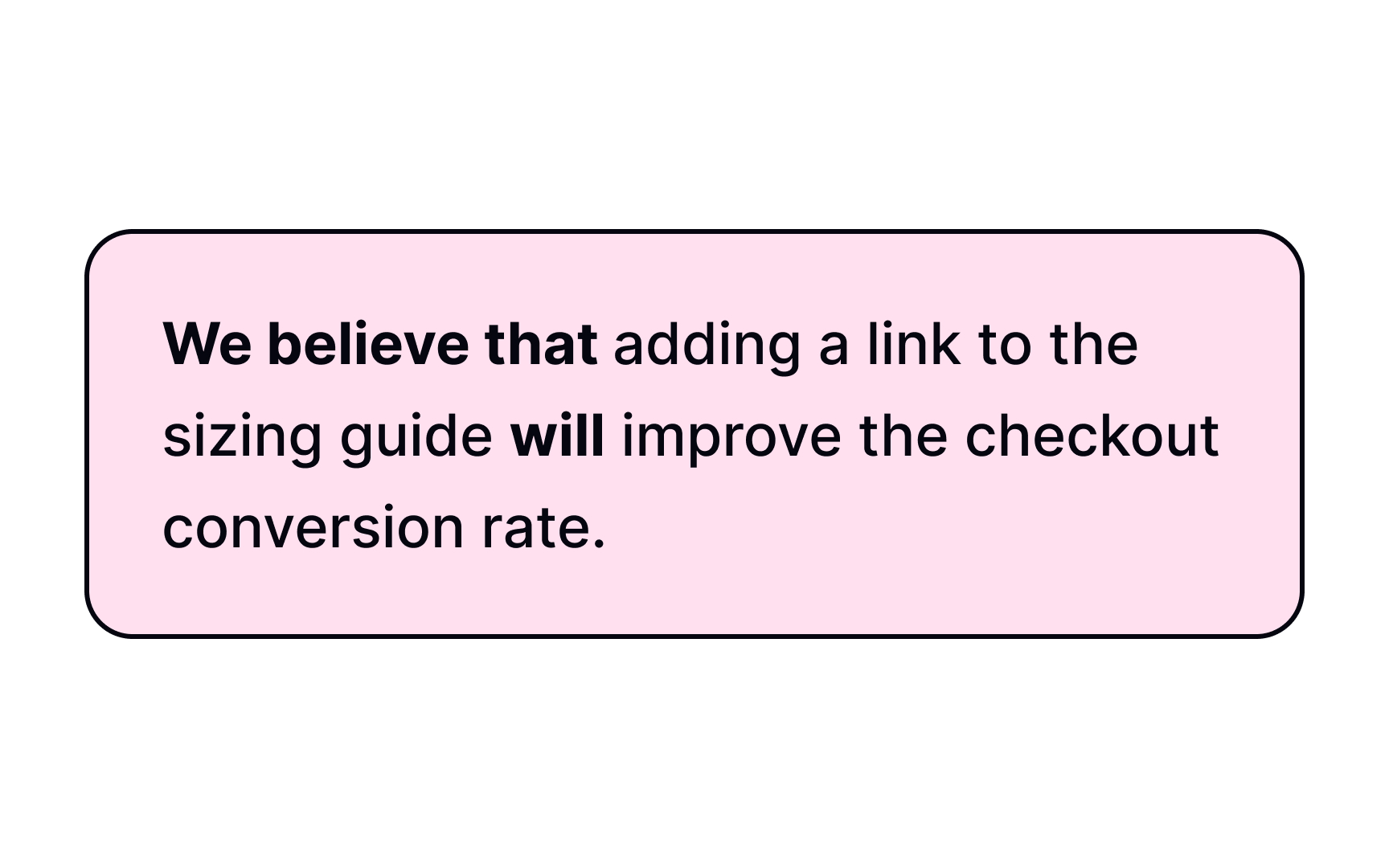
The next step is to get the team together to brainstorm possible solutions — make assumptions. For example, an assumption might be: "Adding a link to the sizing guide to the product details page will solve sizing uncertainty."
To test this assumption, create a hypothesis. "Adding a link to the sizing guide will increase customers' progress from the basket to checkout." Determine what evidence you need to collect to prove your belief is true and start testing.
Top contributors