Understanding motivations through the SCARF model
Decode how social needs shape stakeholder behavior and turn potential resistance into engagement.
Projects involve people, and people react not only to plans or data but to how those plans make them feel. The SCARF model, created by neuroscientist David Rock, explains these reactions through 5 areas of social experience: Status, Certainty, Autonomy, Relatedness, and Fairness. Each of them shapes how safe or valued people feel in a situation.
When these needs are met, stakeholders feel secure, respected, and involved. When they are threatened, reactions like resistance, frustration, or withdrawal appear. A new system, a team restructure, or a leadership change can all trigger these responses, even with good intentions behind them.
Understanding SCARF helps teams read emotional cues and adapt their approach. It makes communication more thoughtful, builds trust, and reduces stress that can block collaboration. When people feel safe and fairly treated, they are more open to ideas and more likely to support decisions and change.
People often react to situations before they have time to think. When something feels
The SCARF model helps explain why this happens. It shows that the brain treats social experiences as either rewards or threats. When people feel valued, informed, and included, their brain interprets this as safety, and they move toward engagement. When they feel ignored, uncertain, or disrespected, the brain sees it as danger, making it harder to focus or think clearly.
Seeing these reactions as natural responses helps teams handle them with care. Instead of labeling a stakeholder as “difficult,” they can look for the cause of the threat. When people feel safe and understood, discussions become calmer and decisions are made faster.[1]
Pro Tip: When you notice tension, slow down and ask questions. It helps turn a defensive moment into a chance for connection.
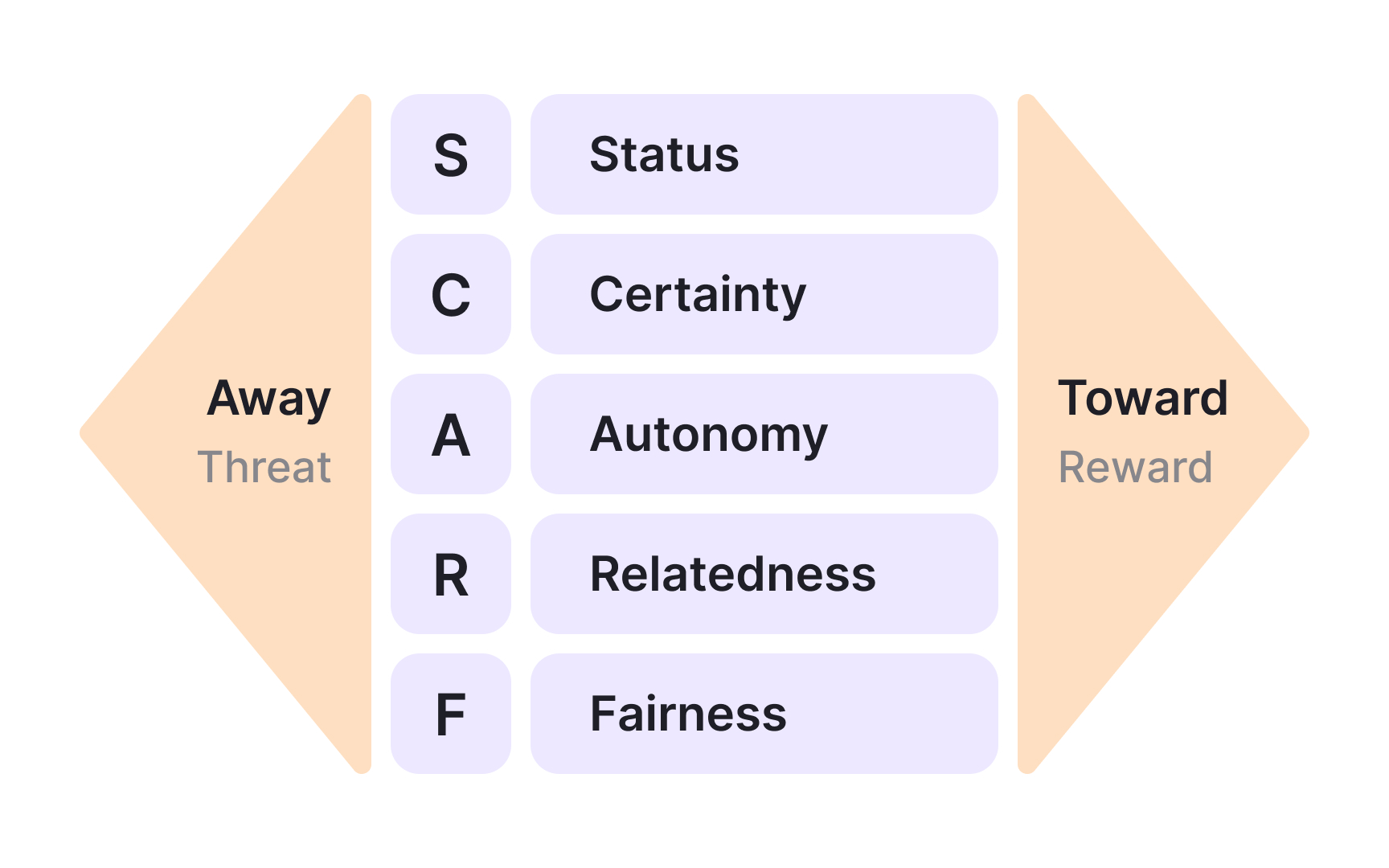
The SCARF model describes 5 social needs that guide how people react at work. When these needs are supported, people feel
- Status is about feeling respected and seen as capable. Even small signs of recognition can boost confidence and engagement.
- Certainty is about knowing what to expect. Clear goals and regular updates reduce confusion and help people stay focused.
- Autonomy is the sense of having control. When people can make choices and share opinions, they feel more responsible for results.
- Relatedness is about trust and belonging. A friendly and supportive environment encourages people to cooperate and share ideas.
- Fairness is the belief that decisions are just and transparent. When people trust the process, they are more likely to accept outcomes.
By understanding these 5 needs, teams can predict how stakeholders might respond to change. Meeting these needs does not remove all conflict, but it builds the trust and openness needed to solve problems together.[2]
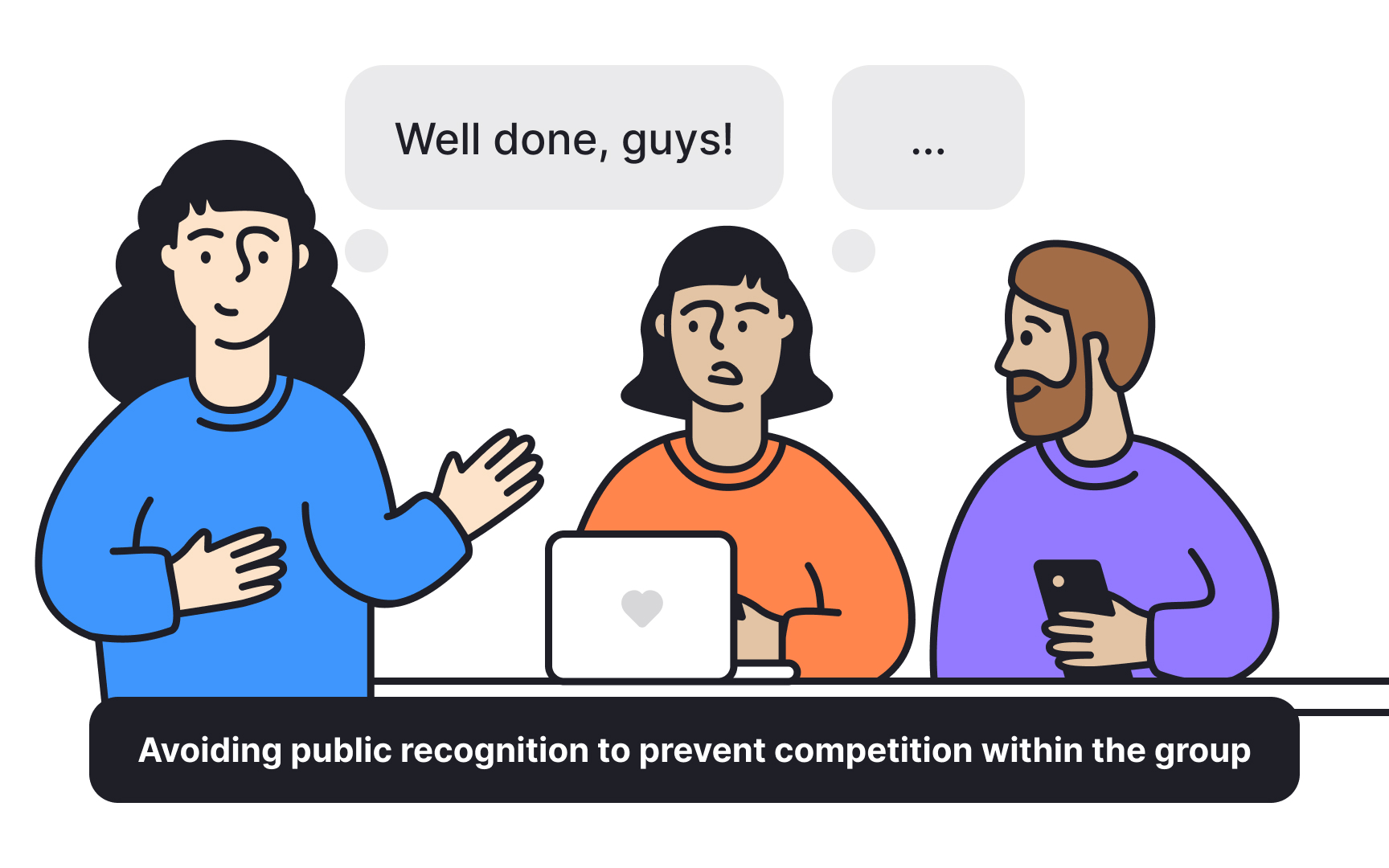
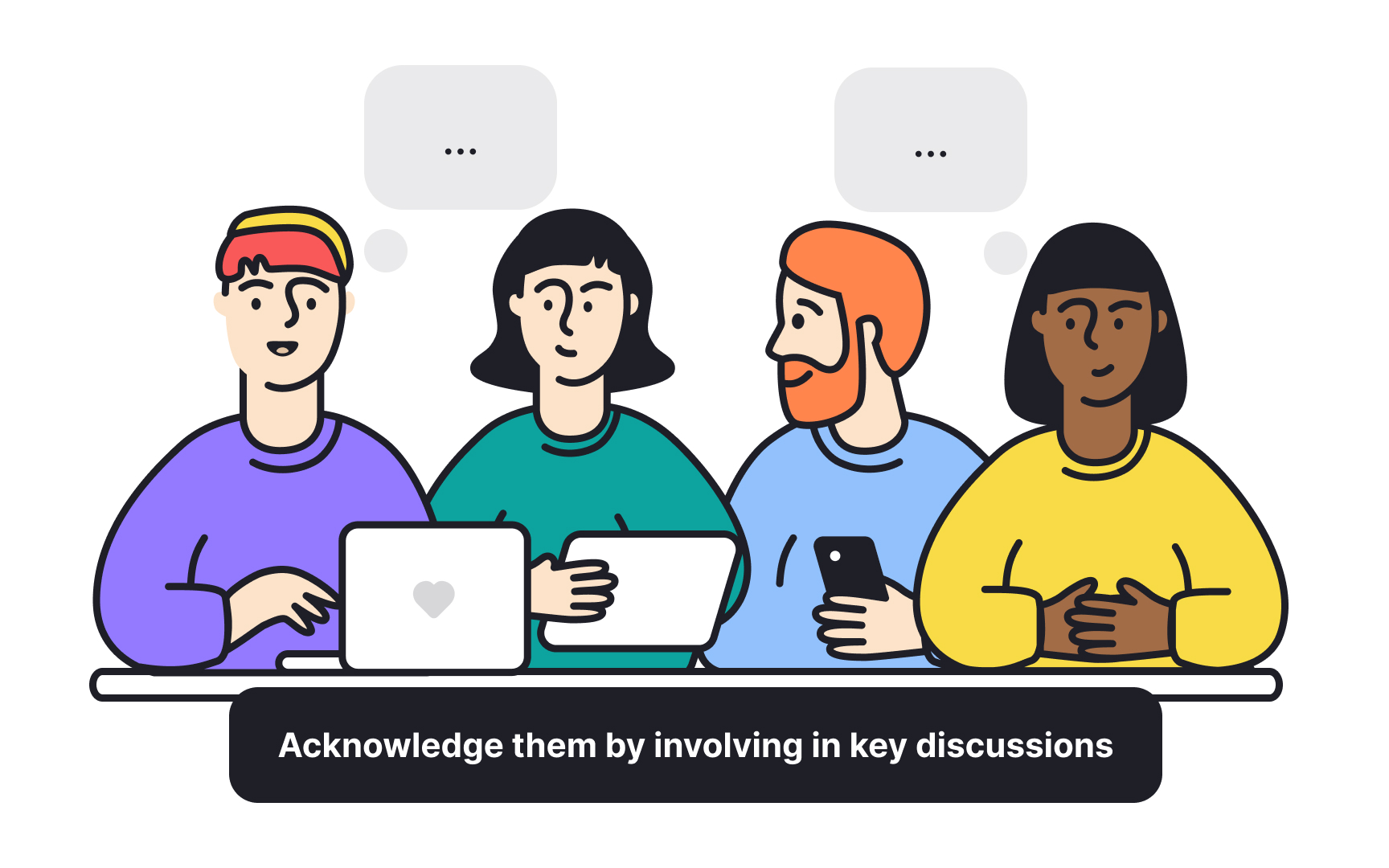
Status shapes how people see their place in a group. It is not only about job titles but also about how much respect and recognition a person feels they receive. When people feel their status is secure, they tend to be more open, creative, and confident. When they sense that their standing is being questioned, the brain can interpret it as a threat. Even small moments, such as being interrupted or excluded from a decision, can cause a defensive reaction.
In stakeholder management, status shows up in subtle ways. Senior leaders may want their expertise to be acknowledged, while specialists may need recognition for their technical input. If a project plan or message makes someone feel overlooked, their motivation and trust may quickly drop. The same information can be accepted or rejected depending on how it affects the person’s sense of importance.
To support status needs, it helps to communicate appreciation clearly and consistently. Asking for opinions, giving credit for ideas, and showing respect for expertise make people feel valued. When everyone in a project space feels seen and respected, collaboration becomes easier and discussions stay constructive.
Pro Tip: Give recognition often and publicly. It strengthens confidence and lowers the chance of defensive reactions during change.
Uncertainty is one of the strongest triggers of stress at work. The brain is wired to look for predictability. When people do not know what will happen next, their focus shifts to protecting themselves instead of collaborating. This is common during change, when plans are still forming and details are unclear.
Certainty does not mean knowing everything, but it means having enough clarity to feel
When stakeholders understand what to expect, they can plan their work and make better decisions. Consistent, honest communication builds reliability, which reduces tension and keeps projects moving. Certainty makes people more willing to listen and cooperate because they no longer feel they are operating in the dark.[3]
Pro Tip: If you cannot give full answers, share what you do know and when more information will come. Predictability builds trust faster than promises.
Autonomy is the feeling that your opinion matters and that you can make real choices in your work. People stay more engaged when they have space to decide how to reach a goal instead of simply following orders. When others decide everything for them, or when every detail is controlled, they often lose motivation and confidence.
In a project, autonomy grows when people are trusted to shape how things get done. Leaders can set clear goals but still invite others to choose how to meet them. Asking for
When people have some freedom within shared goals, they take more ownership and work with more energy. Trusting others to contribute in their own way keeps alignment strong while allowing creativity and commitment to thrive.
Pro Tip: Give structure, not control. People do their best work when they feel trusted to make meaningful choices.
Fairness is the feeling that rules and decisions apply equally to everyone. When people sense that something is unfair, their trust drops quickly. Even small signs of favoritism or hidden motives can cause tension and resistance. In projects, this might happen when some opinions are ignored, when decisions are unclear, or when rewards and recognition seem uneven.
Creating fairness starts with transparency. Explaining why a decision was made, how feedback was considered, and what criteria were used helps people understand the process, even if they disagree with the outcome. When communication is open and reasoning is clear, people feel respected and are more likely to stay cooperative.
A fair environment does not mean every choice pleases everyone. It means people trust that their voices matter and that they are treated with honesty. When fairness is consistent, it strengthens motivation and turns disagreement into dialogue instead of conflict.
Each stakeholder reacts differently to change because each values different social needs. One person might worry about losing control, another about being left out, and another about unclear expectations. The SCARF model helps uncover these hidden drivers by showing which needs—Status, Certainty, Autonomy, Relatedness, or Fairness—are most important to each person or group.
Mapping stakeholders through the SCARF lens means looking at what could make them feel rewarded or threatened. For example, a senior leader may value status and fairness, while a project team may focus more on certainty and autonomy. Identifying these patterns early helps shape communication that builds trust and prevents frustration.
This kind of awareness turns engagement from guesswork into strategy. When teams understand what truly motivates people, they can choose words, timing, and actions that make cooperation smoother and more natural.
Pro Tip: Listen to what people repeat or avoid saying. Their words and reactions often show which SCARF need matters most.
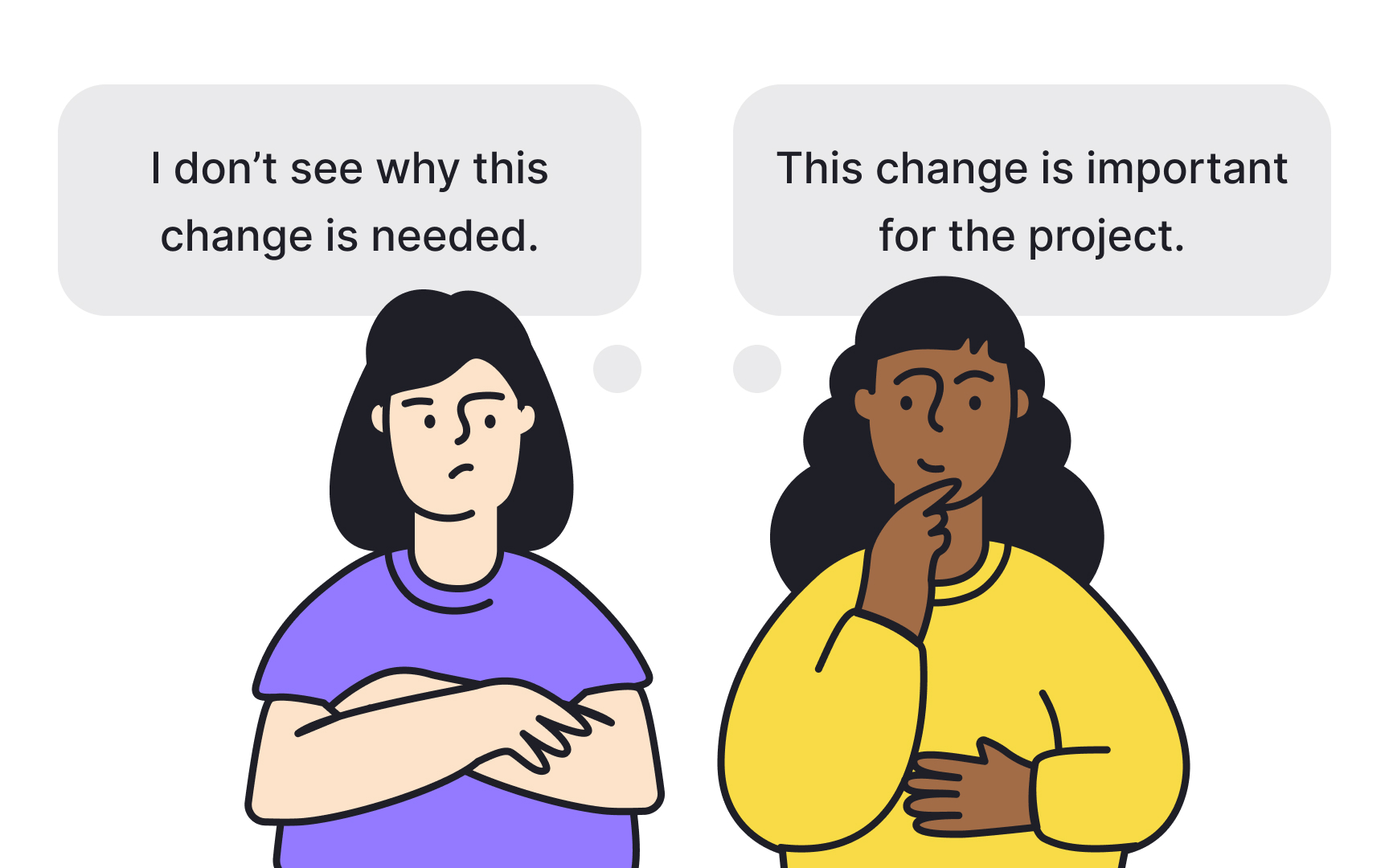
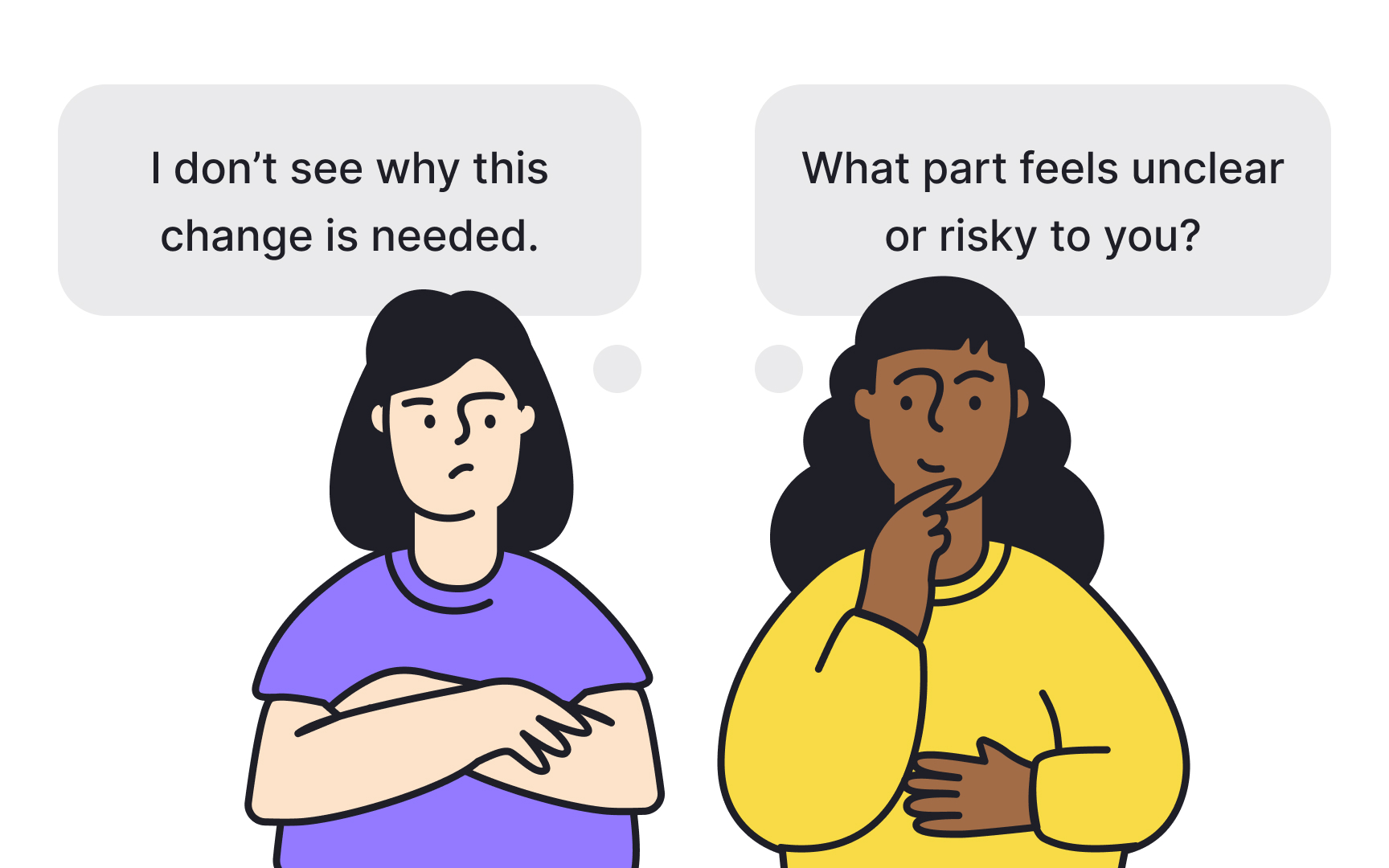
When stakeholders react strongly, their behavior often hides an unmet need. Careful listening and observation help uncover these signs.
Patterns in tone, timing, and focus can reveal what people care about most. Someone who keeps asking for timelines may seek more certainty. A person defending their decisions might want more autonomy. Frequent reminders of past achievements can point to a need for status. Silence can mean a lack of relatedness, and frustration about fairness often signals the need for clarity or consistency.
To make these needs visible, ask open questions such as “What would make this process easier for you?” or “Which part feels unclear?” Then restate what you heard to show understanding. A calm and curious tone helps people feel
Once you understand the source of tension, small actions can restore balance. Clarifying next steps supports certainty, involving people in decisions builds autonomy, and recognition strengthens status. Meeting these needs early prevents conflict and turns resistance into collaboration.
Pro Tip: Pay attention to what people repeat, not just what they say once. Repetition often reveals what matters most to them.
A good engagement plan connects practical steps with emotional awareness. The SCARF model helps teams design communication and collaboration that respect how people think and feel during change.
Start by reviewing your stakeholder map and noting which SCARF needs seem most relevant to each group. A project sponsor might value status and fairness, while a team member may need more certainty and autonomy. These patterns can be identified through earlier conversations, observations, or feedback.
Next, plan how each interaction will support these needs. For example, schedule regular progress updates to increase certainty, invite feedback to build autonomy, and make recognition part of your routine to support status. When communication and decision-making are open and predictable, people feel respected and are more likely to stay cooperative.
A SCARF-based plan works best when it is specific and used regularly, not as a one-time exercise. By aligning both practical goals and psychological needs, teams can reduce stress, strengthen trust, and create a working environment where collaboration comes naturally.
Pro Tip: Review your engagement plan after key meetings. Adjust it when you notice changes in motivation or trust.
References
Topics
From Course
Share


Similar lessons
Stakeholder Management

Stakeholder Communication