Analyzing stakeholder feedback effectively
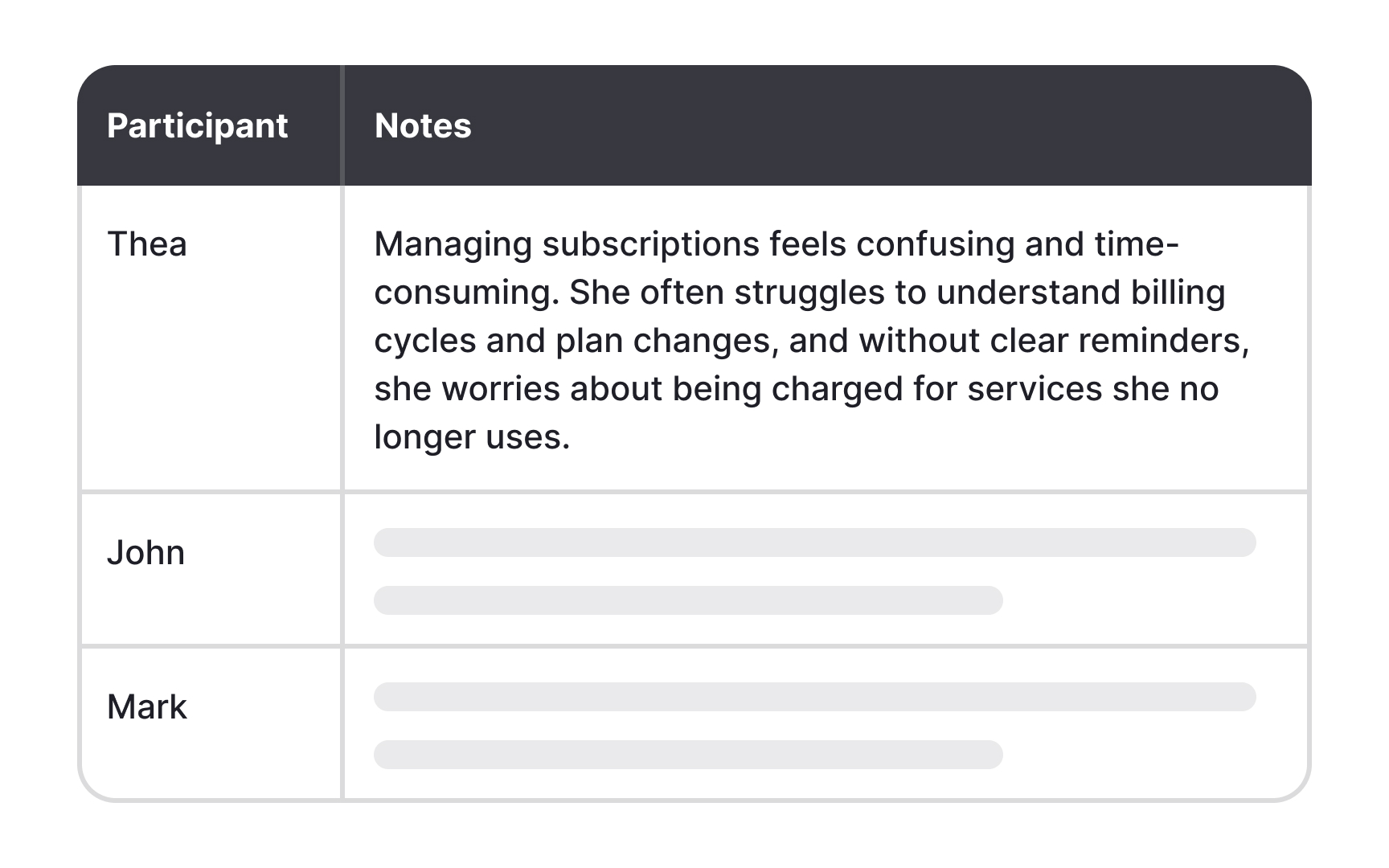
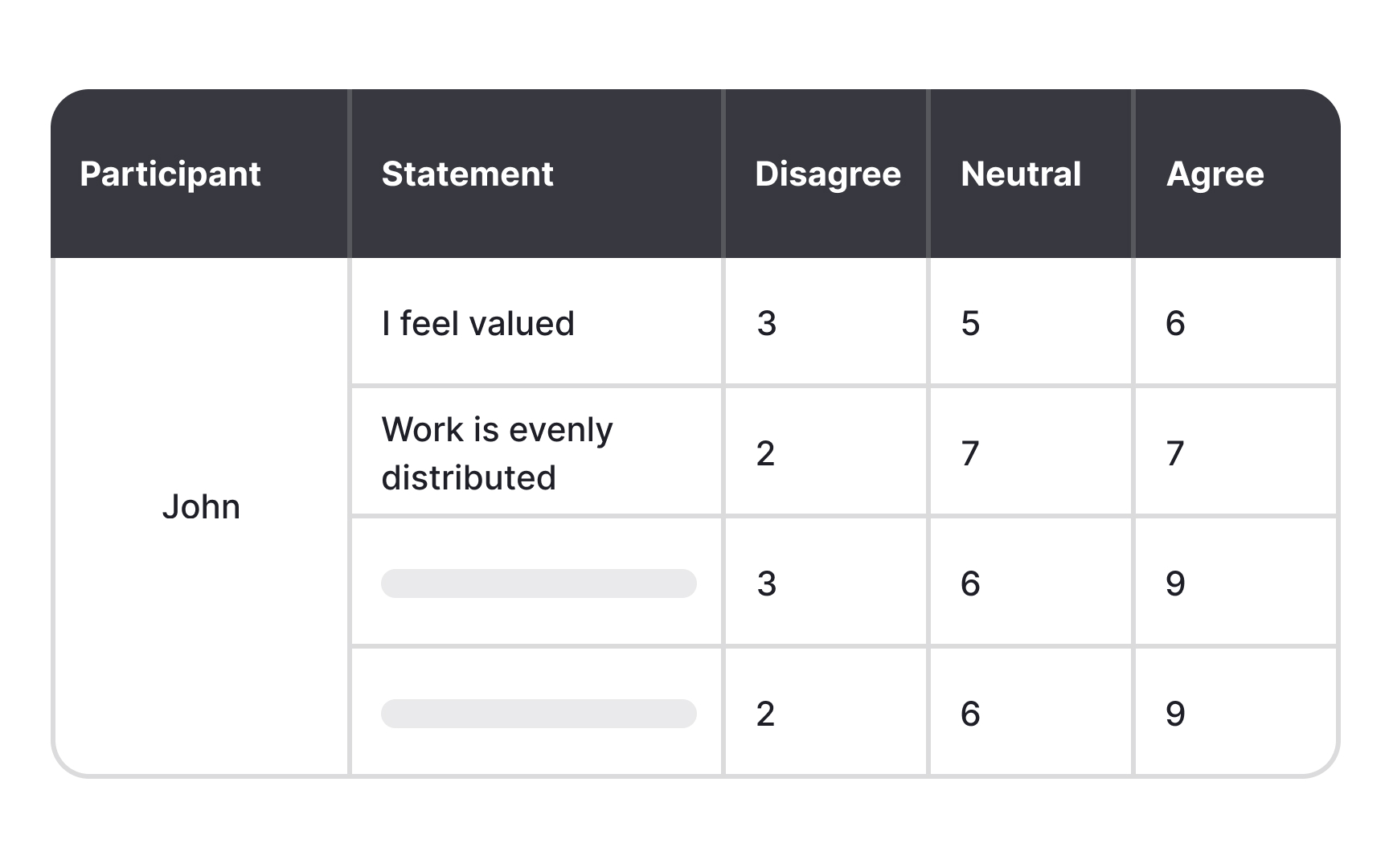
Once feedback arrives, the next challenge is making sense of it. Teams often work with a mix of quantitative and qualitative input, and each type requires a different approach:
- Quantitative data, such as ratings or yes or no responses, helps you spot patterns quickly. You can track changes over time, compare stakeholder groups, or identify areas where satisfaction rises or falls. These results show broad trends that guide early decisions.
- Qualitative data, like open comments, interview notes, or messages, requires closer attention. Teams look for repeated themes, shared concerns, or examples that explain why an issue matters.
Grouping similar comments helps reveal what sits beneath the surface. Some tools support sentiment analysis or automated tagging, which makes it easier to notice risks, frustrations, or opportunities as they emerge.
Segmentation also strengthens the analysis. When teams separate feedback by stakeholder group, role, or level of influence, they gain a clearer picture of different expectations. This helps avoid treating all input as equal and ensures that key insights do not get lost in a larger pool of comments. Thorough analysis turns raw feedback into practical guidance that can shape decisions with confidence.