Managing Stakeholder Feedback and Expectations
Collect meaningful feedback and turn it into decisions that keep expectations aligned and projects on track.
Feedback gives you a clear view of what people need, what works well, and where gaps appear. It helps you catch misunderstandings early, adjust plans before issues grow, and keep everyone aligned. When you treat feedback as a normal part of the process, it stops feeling like criticism and becomes a shared tool that supports better work.
Internal and external voices often focus on different areas. Internal stakeholders usually talk about workflows, process challenges, team habits, and operational limits. External stakeholders speak more about the product experience, clarity of communication, trust, and how well the outcome meets their expectations. Understanding these differences helps you choose the right method and ask the right questions.
A clear structure makes the entire process easier. You move through simple steps that guide how you ask for feedback, how you turn raw comments into useful insights, and how you share the final decisions. This approach reduces confusion, builds trust, and shows stakeholders that their input matters. With steady habits in place, feedback becomes a natural part of collaboration rather than a stressful checkpoint.
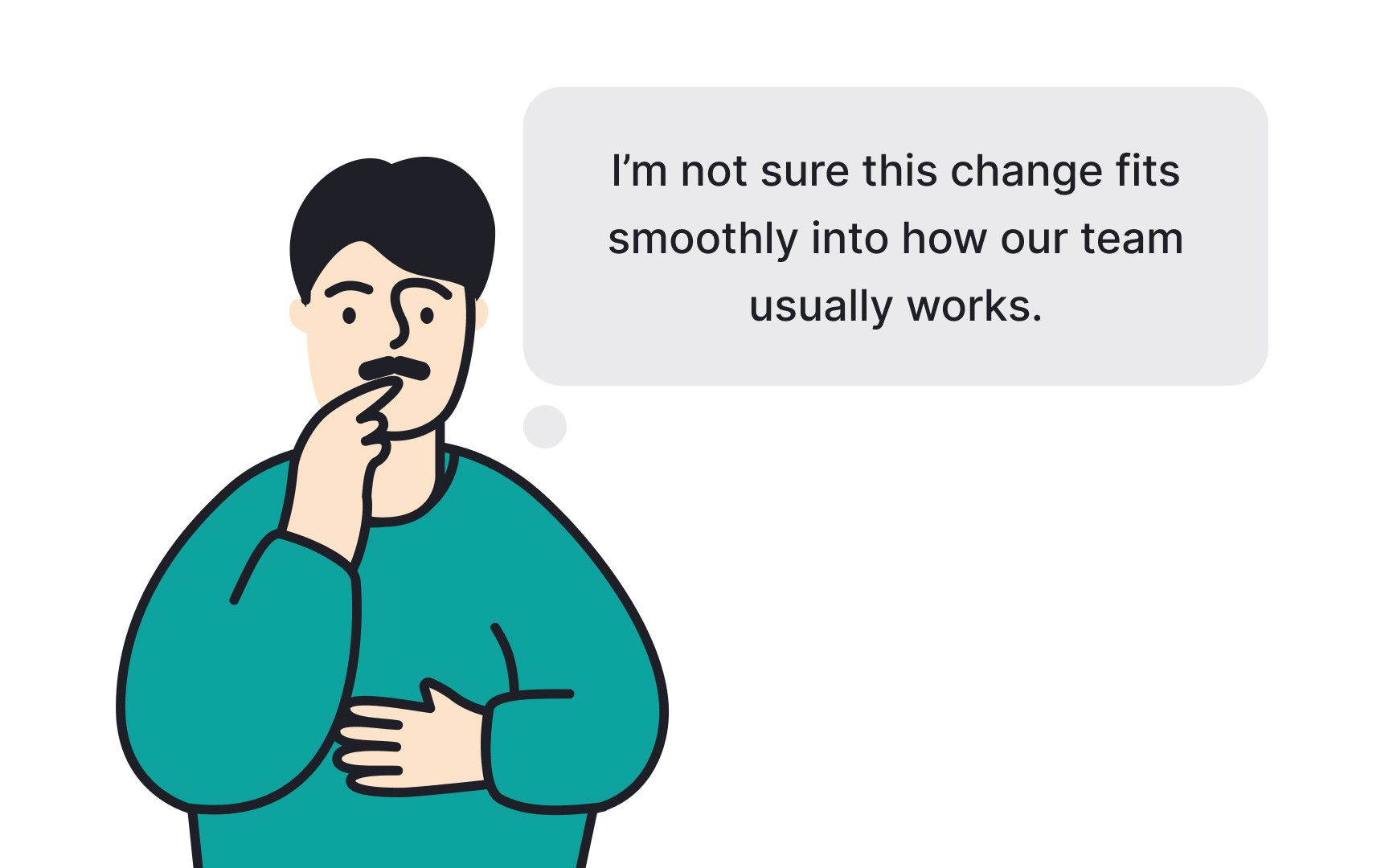
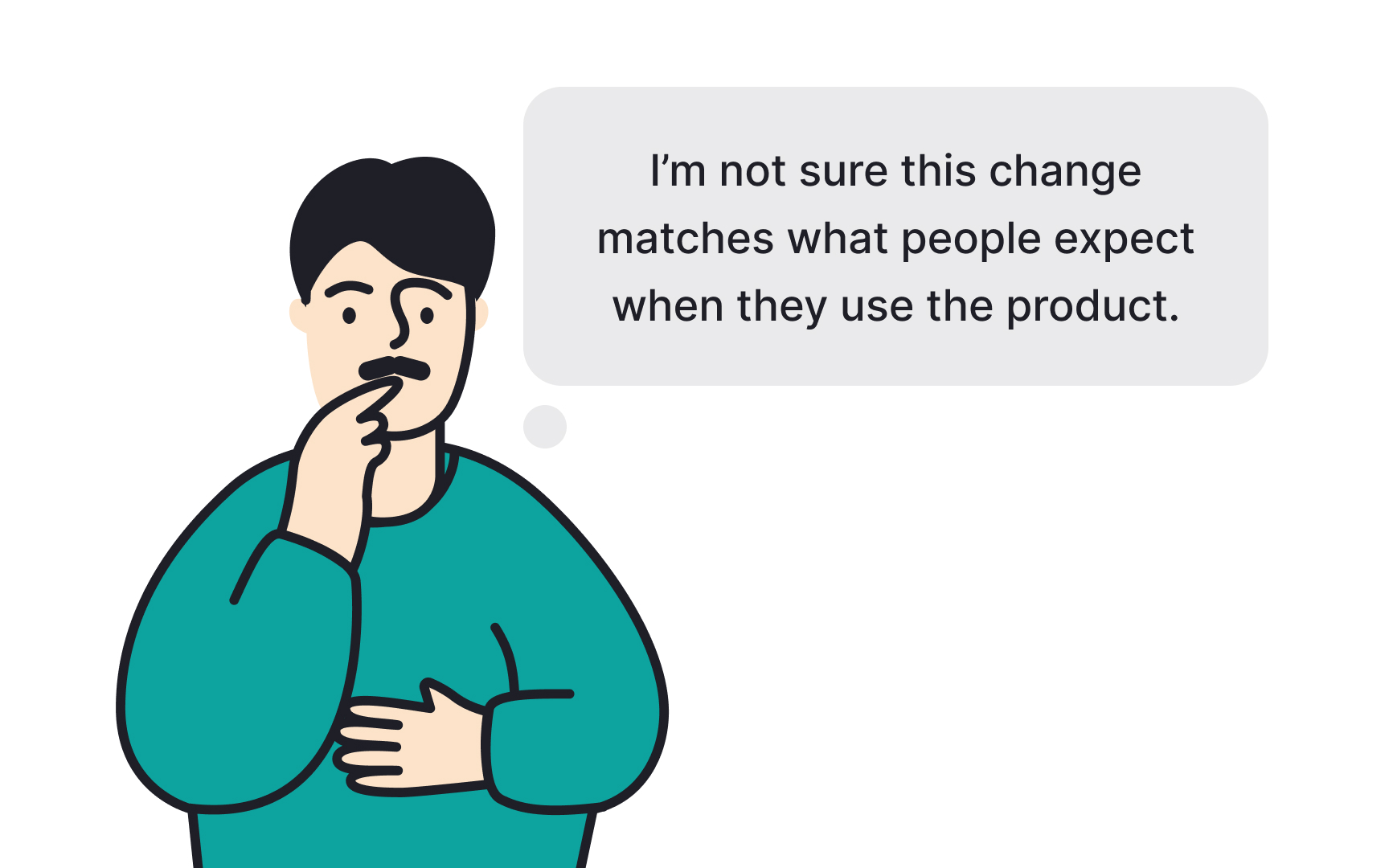
Internal and external stakeholders share feedback for different reasons and from different viewpoints. Internal feedback comes from people inside the organization, such as employees, managers, or whole teams. They understand how work actually happens day to day. Their
External feedback comes from people outside the organization, such as clients, customers, partners, suppliers, or community groups. These stakeholders focus more on the product or service they experience. Their comments often touch on satisfaction, clarity of communication, trust, and whether the final outcome meets their expectations. Because they see the project from the outside, their feedback helps teams understand reputation, experience gaps, and opportunities to improve value.[1]
Pro Tip: Match your feedback method to the group. Internal teams respond well to informal check-ins, while external groups often need structured formats.
A structured process makes feedback easier to manage from start to finish. The main steps include:
- Identifying stakeholders. This step helps teams understand who is involved, who is affected, and whose
input will shape the project in meaningful ways. - Engaging stakeholders. Teams open communication channels, build rapport, and set expectations so people feel comfortable sharing their perspective.
- Collecting feedback. This phase brings in the actual input through surveys, interviews, focus groups, forms, or digital tools.
- Analyzing feedback. Teams look for patterns, recurring topics, or signals that point to risks, misalignment, or opportunities for improvement.
- Summarizing feedback. Once the insights become clear, teams prepare a summary so everyone can understand the main findings without getting lost in raw comments.
- Action planning. Teams use the findings to decide which changes matter most and which actions can create the highest impact.
- Implementation. Teams put these decisions into practice and keep stakeholders informed about the progress.
A continuous feedback loop closes the process. Teams check in regularly, adjust plans when needed, and keep a steady flow of information that supports trust and long term engagement.
Collecting feedback becomes much easier when teams know which obstacles to expect. Many of these challenges appear simply because projects involve different groups with different priorities. Some stakeholders have deep insight but little time. Others want to help but share
A clear structure helps avoid confusion, especially when projects grow or when feedback comes from many directions. The most common challenges include:
- Difficulty identifying which stakeholders should take part
- Varying quality of feedback, from very detailed to very vague
- Low availability or low motivation to participate
- The need to use several outreach methods to reach all groups
- Large amounts of feedback that feel overwhelming to sort
Understanding these challenges early allows teams to choose better methods, plan enough time, and create a smoother flow for both giving and receiving feedback.
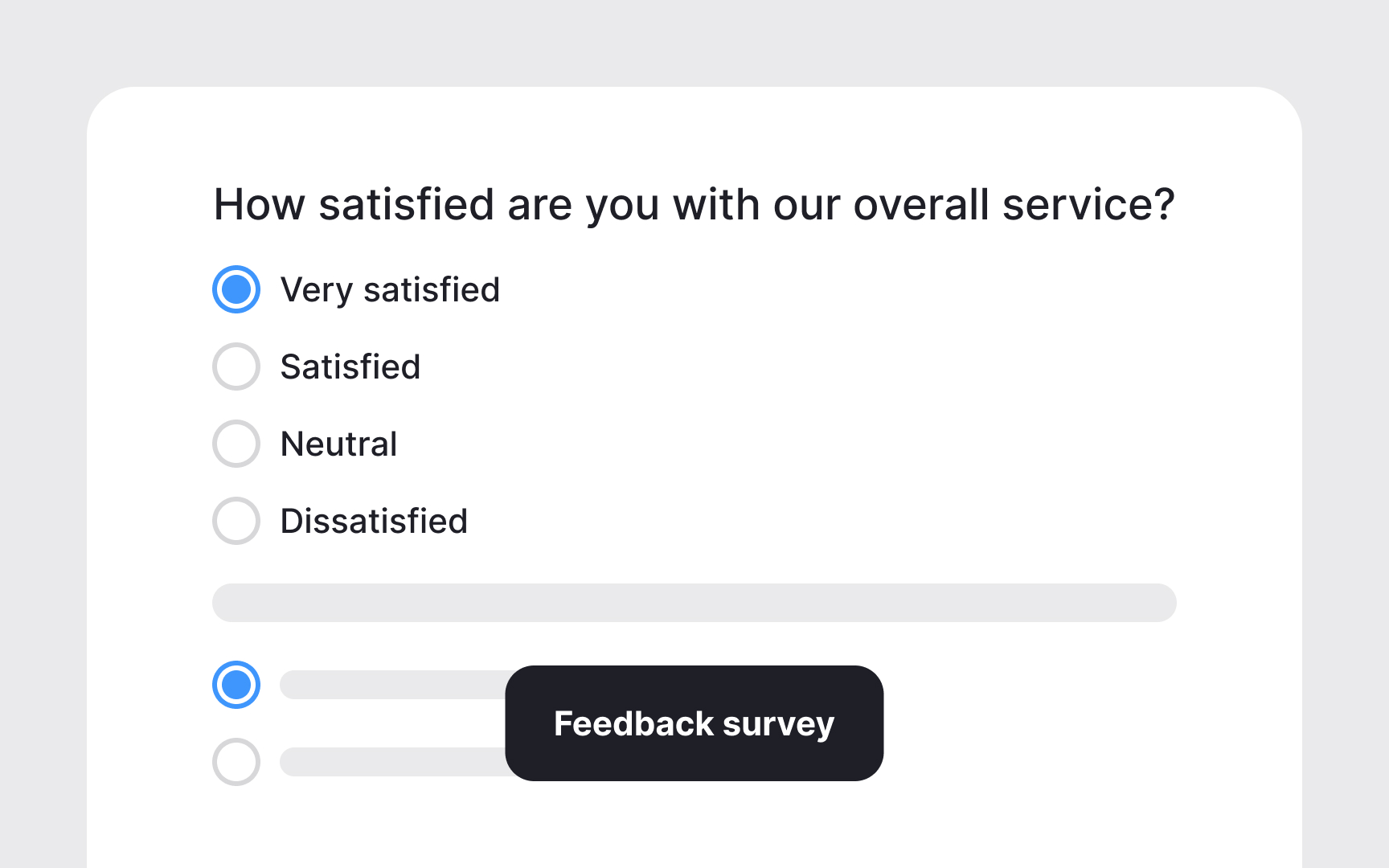

Different feedback methods work well for different situations, so teams need to choose tools that match each group’s needs:
- Surveys help when you want to reach many stakeholders at once. They work well for gathering clear ratings, simple choices, or short written comments that show trends over time.
- Interviews are more suitable when you need deeper insight or want to understand the story behind someone’s opinion. They give space for follow-up questions and help uncover context that a survey cannot capture.
- Focus groups bring several stakeholders together in one conversation. This format works well when you want to compare perspectives or encourage discussion around shared issues.
- Workshops and regular meetings can also create opportunities for live feedback, especially when teams want to reflect on progress or explore ideas together.
- Digital channels, such as in-app widgets, CRM systems, and support tickets, or messaging tools, often capture feedback without asking for it directly. This kind of
input shows how people behave, what they struggle with, or which parts of a product or process need more clarity. - Website analytics and social media activity can reveal how stakeholders interact with shared information and where engagement drops.
When teams mix methods with intention, they can get a more complete picture.[2]
Pro Tip: Match deep questions to interviews and broad questions to surveys so you collect feedback that is easier to act on.
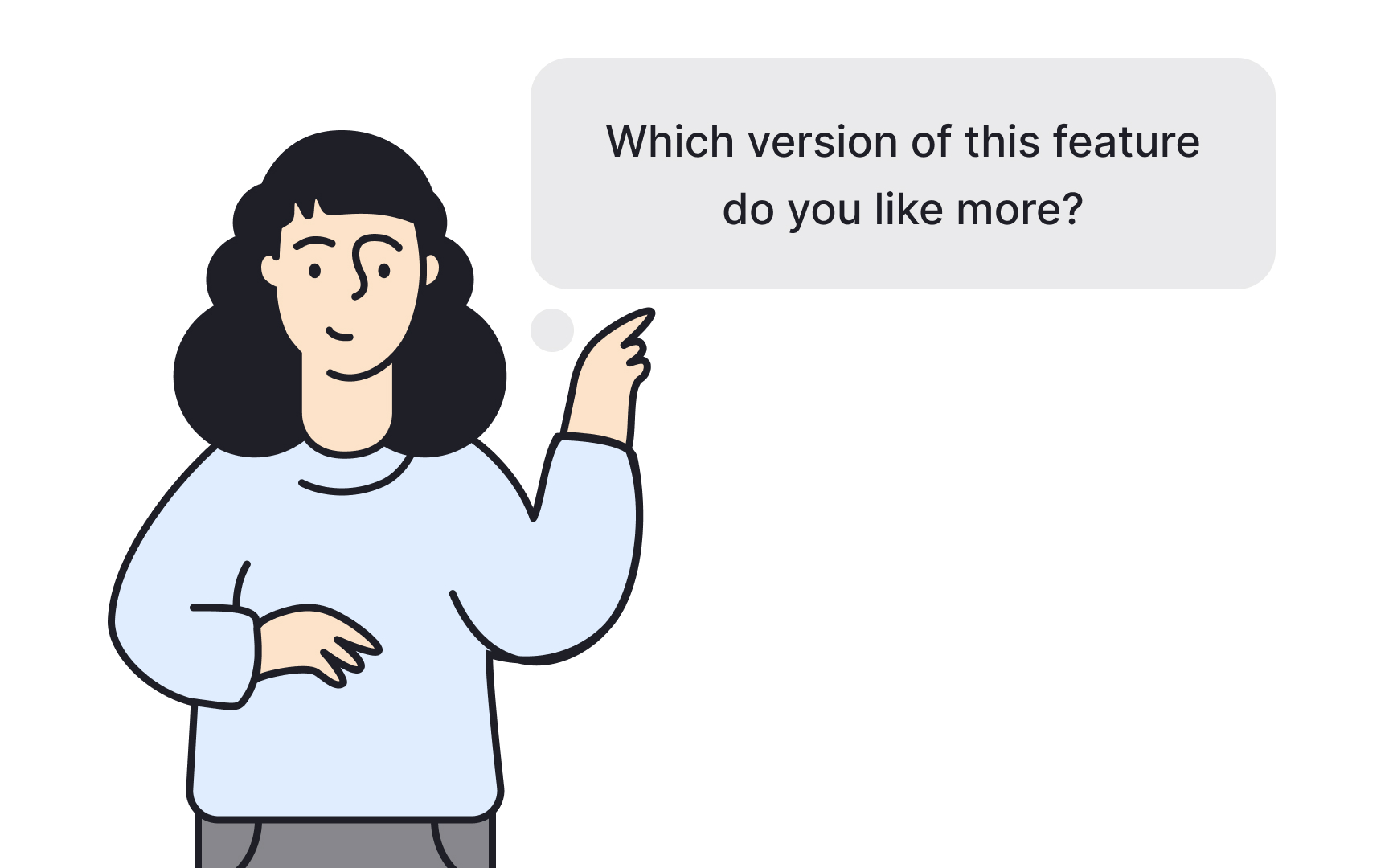
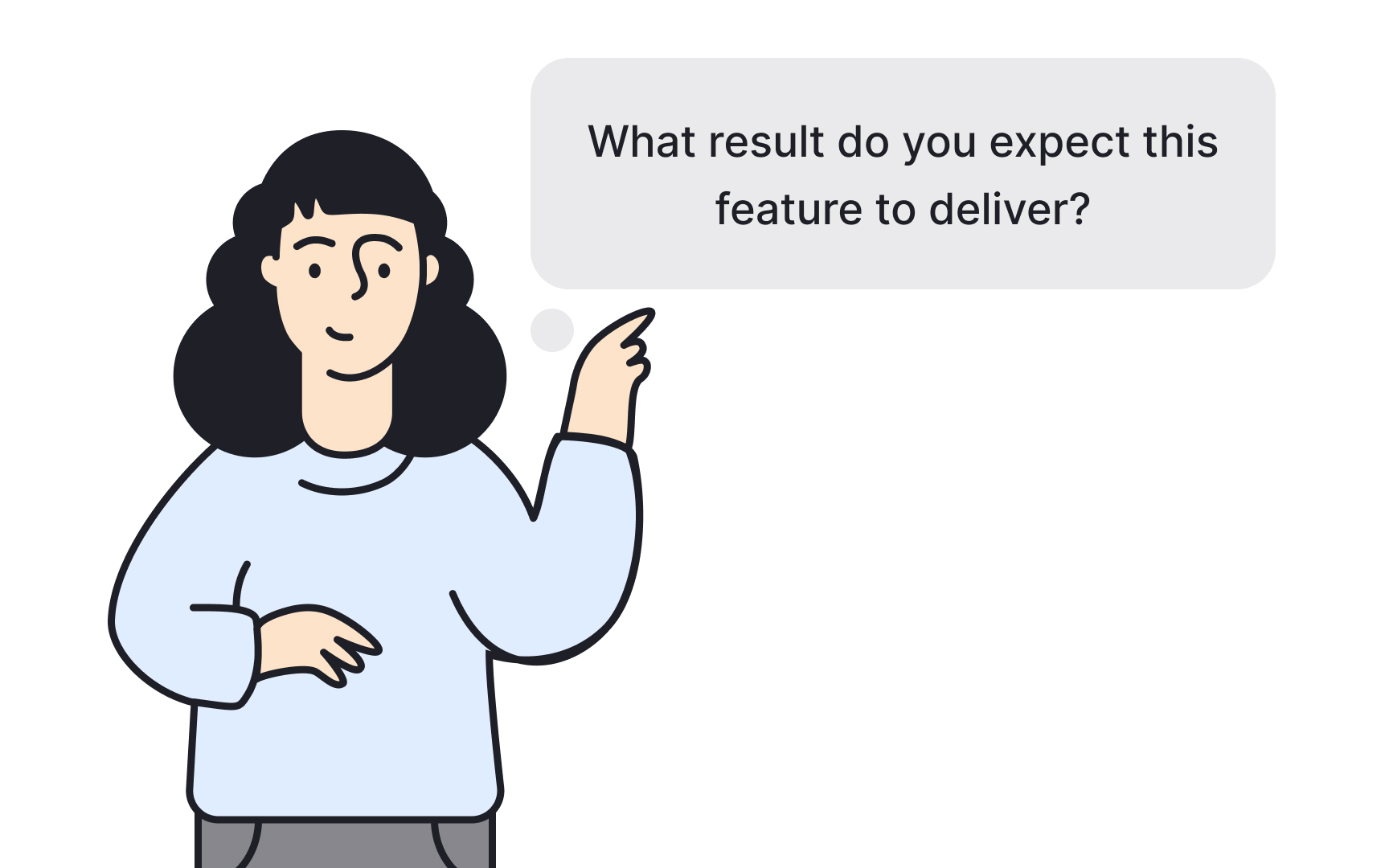
Good
Common themes that support rich interviews include:
- Success metrics. Ask what success looks like for their team and which goals or metrics they track. These questions reveal priorities and expectations.
- Current challenges. Invite stakeholders to describe the issues they see in their area or what they hear from users or customers.
- History and constraints. Explore past solutions, known limitations, and any previous attempts to solve similar problems. This reduces the risk of repeating mistakes.
- Process and communication. Ask about their preferred level of involvement and how they want to stay informed throughout the project.[3]
By organizing questions into themes, you build an interview guide that balances structure with flexibility. This makes it easier to follow the conversation while still encouraging honest and detailed
Pro Tip: Prepare question themes instead of a strict script so the conversation stays natural and flexible.
A structured
A smooth interview often includes:
- A warm introduction. Start by explaining the purpose of the conversation, the time you will need, and how their
input will help. This builds rapport and encourages openness. - Open and active listening. Use prompts that invite deeper thinking, such as asking for examples or asking them to expand on a point. A steady, unhurried pace helps stakeholders feel heard.
- Guided exploration. Some stakeholders talk easily while others need gentle support. Light prompts help them share important details without feeling pressured.
- A clear conclusion. End by asking if there is anything else they want to add. This often brings forward useful final thoughts that did not appear earlier.
- A follow-up message. A short thank-you note keeps communication open and reinforces trust.
Pro Tip: Leave intentional pauses. Silence often gives stakeholders the space they need to share more meaningful insights.
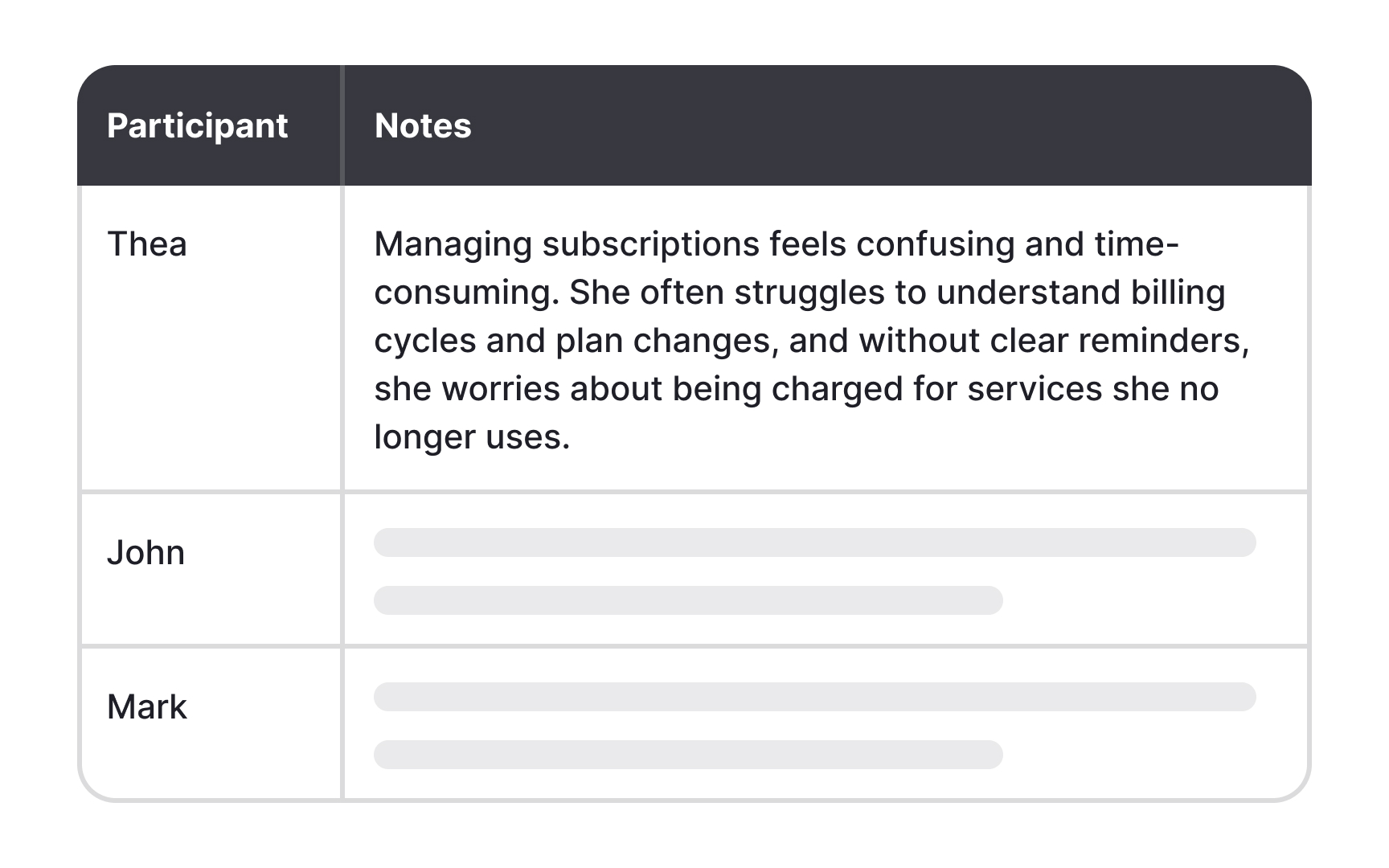
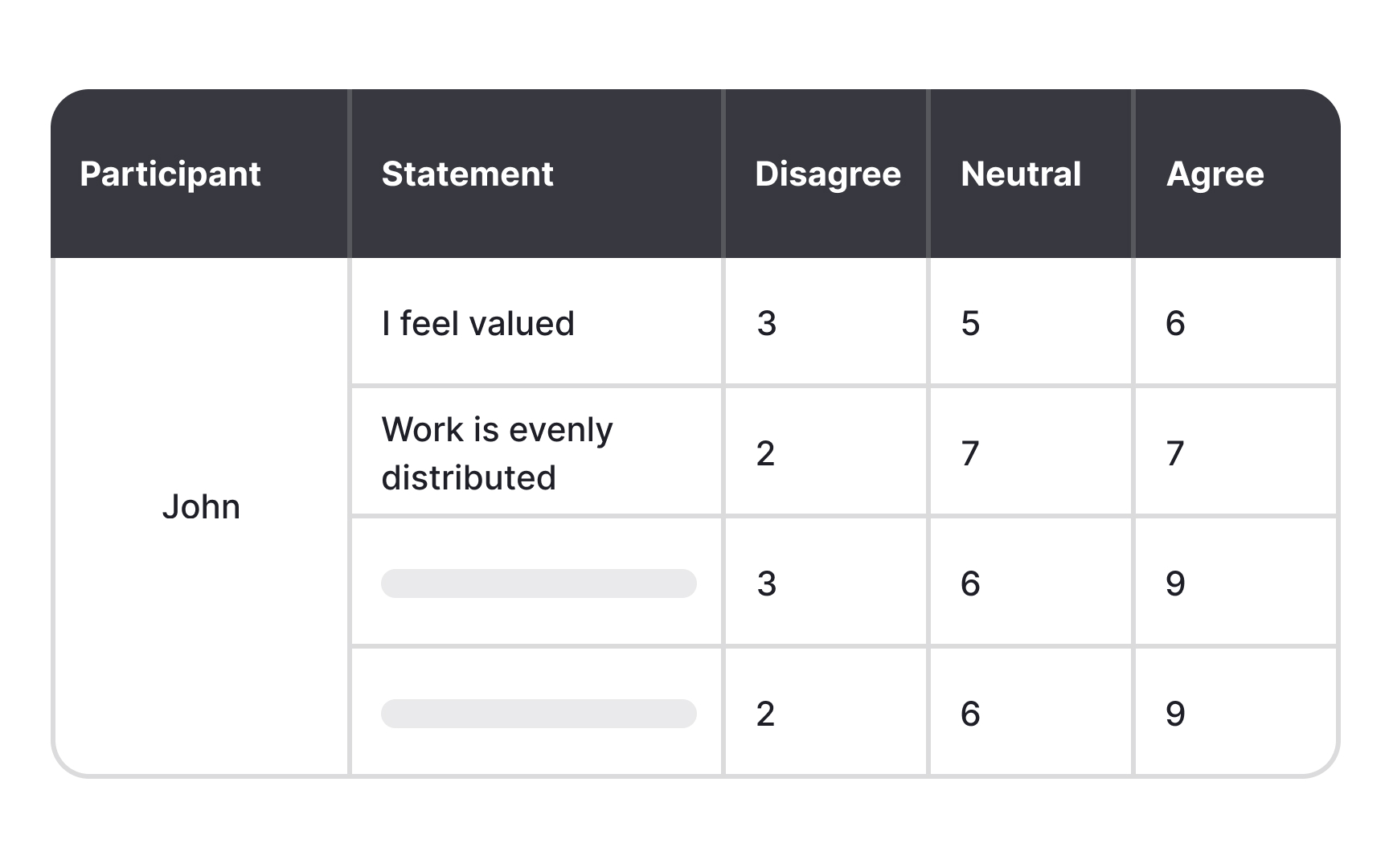
Once feedback arrives, the next challenge is making sense of it. Teams often work with a mix of quantitative and qualitative
- Quantitative data, such as ratings or yes or no responses, helps you spot patterns quickly. You can track changes over time, compare stakeholder groups, or identify areas where satisfaction rises or falls. These results show broad trends that guide early decisions.
- Qualitative data, like open comments,
interview notes, or messages, requires closer attention. Teams look for repeated themes, shared concerns, or examples that explain why an issue matters.
Grouping similar comments helps reveal what sits beneath the surface. Some tools support sentiment analysis or automated tagging, which makes it easier to notice risks, frustrations, or opportunities as they emerge.
Segmentation also strengthens the analysis. When teams separate feedback by stakeholder group, role, or level of influence, they gain a clearer picture of different expectations. This helps avoid treating all input as equal and ensures that key insights do not get lost in a larger pool of comments. Thorough analysis turns raw feedback into practical guidance that can shape decisions with confidence.
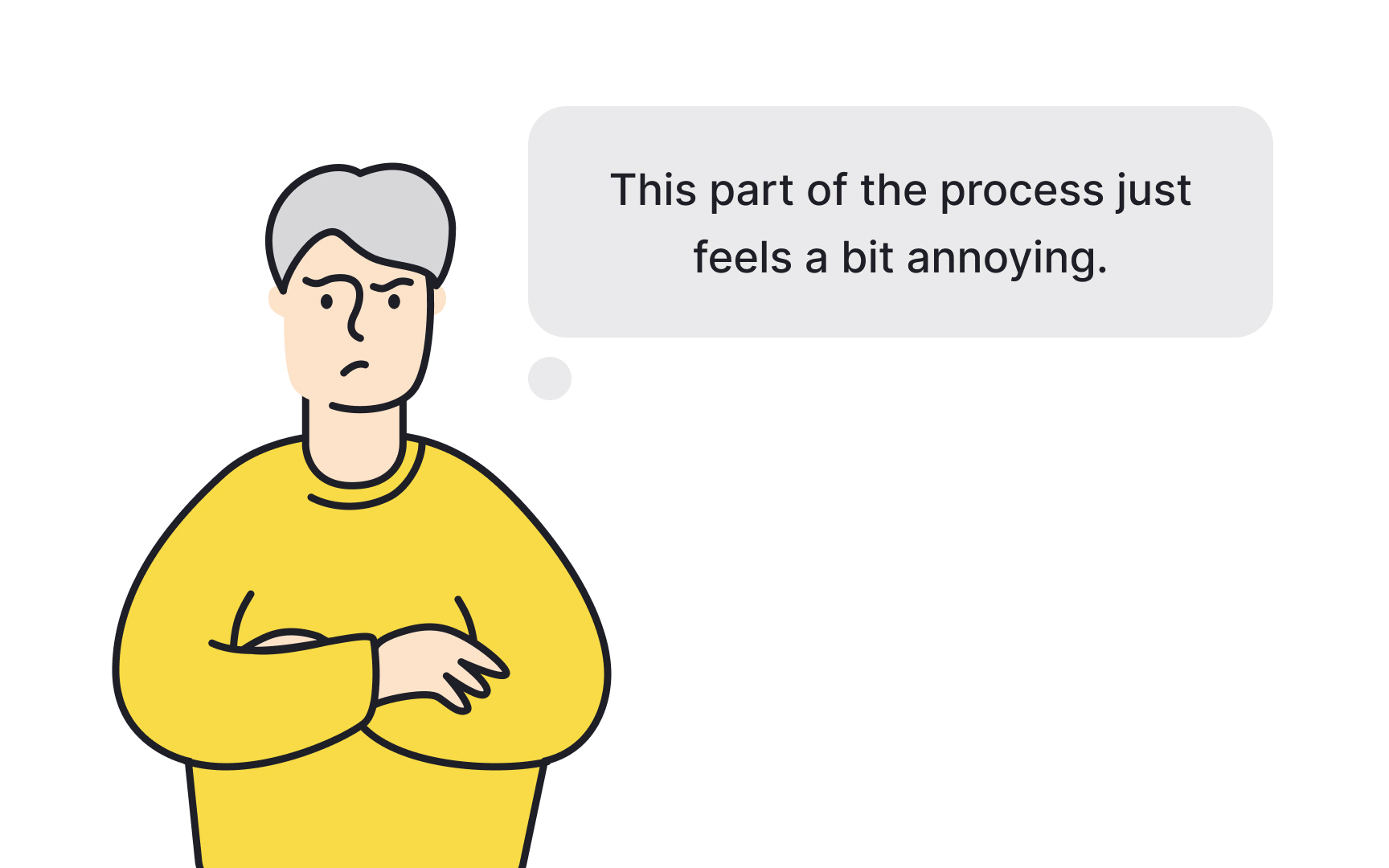
Not all feedback carries the same value. Opinions often reflect personal preferences or emotional reactions, while actionable insights point to patterns, risks, or opportunities you can address directly. Teams make better decisions when they learn to spot the difference.
- Opinions may sound strong but give little direction. Feedback that is vague or highly individual usually requires follow-up questions before you can use it.
- Insights usually connect to a clear need, a known problem, or evidence that appears across several stakeholders or channels. When several stakeholders raise the same point, it often signals a real issue rather than a single viewpoint. Trends that appear in surveys,
interviews , or analytics also show where action is needed.
Another useful indicator is impact. Actionable insights point toward changes that could improve satisfaction, reduce friction, or prevent future problems. Opinions may still be valuable, but they need context to become meaningful.
Treating feedback this way helps teams focus on what will move the project forward while still acknowledging personal perspectives with care.
Pro Tip: Look for repeated themes across channels. Consistent patterns signal insights, not just isolated opinions.
Once teams understand the feedback, the next step is deciding what to do with it. Action planning turns insights into concrete steps that guide progress. This phase helps teams move from discussion to clear decisions. It also ensures that feedback becomes part of the project’s direction rather than something that gets acknowledged and forgotten.
A helpful way to start is by grouping the insights into a few categories, such as improvements, risks, and new opportunities. These categories make it easier to see which items need quick attention and which ones support long-term growth. Teams can then outline actions for each category, focusing on steps that are realistic and valuable. This creates a plan that stakeholders can follow and understand.
Effective action planning also includes assigning responsibilities. When each action has a clear owner, the team can track progress and maintain accountability.
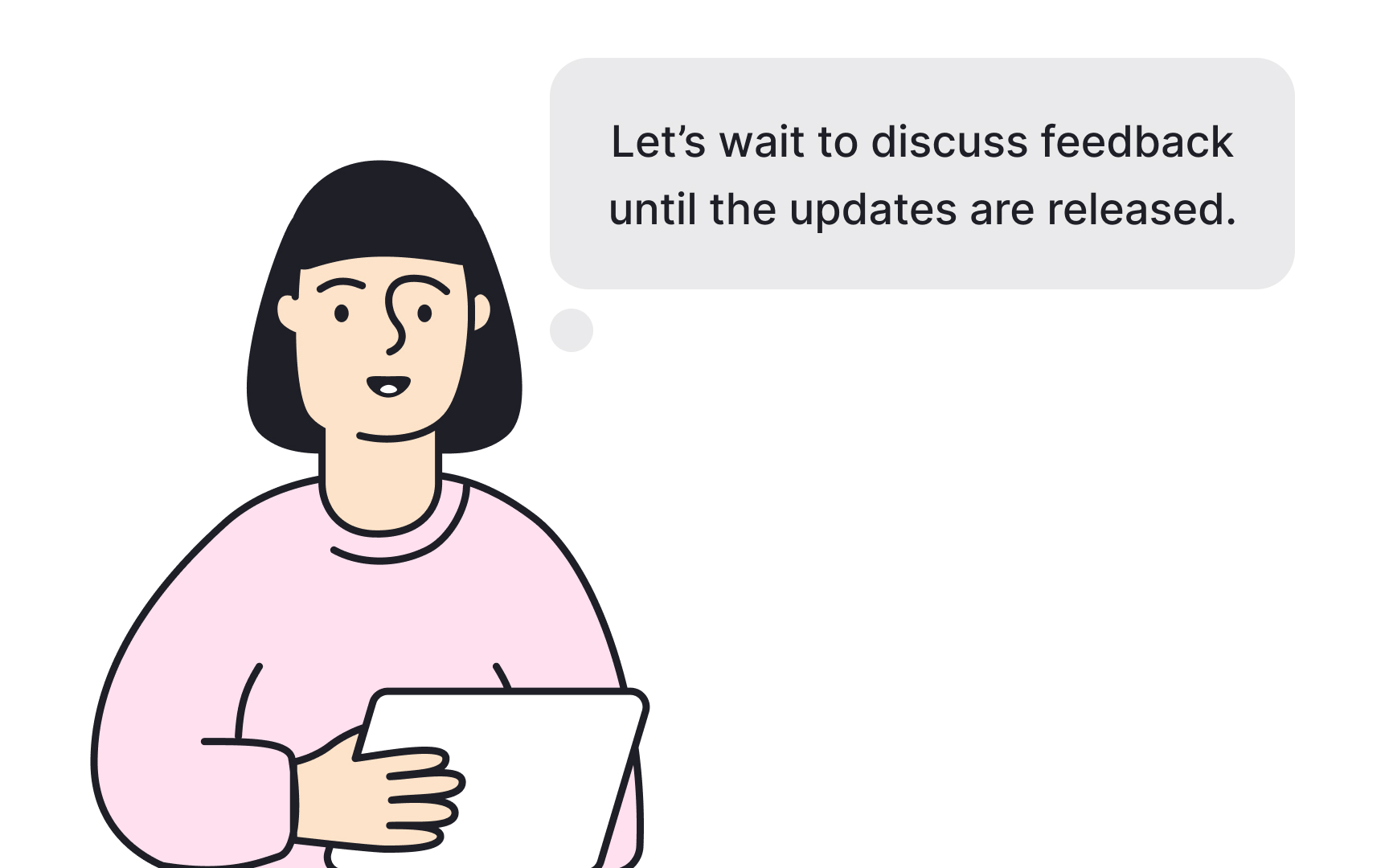
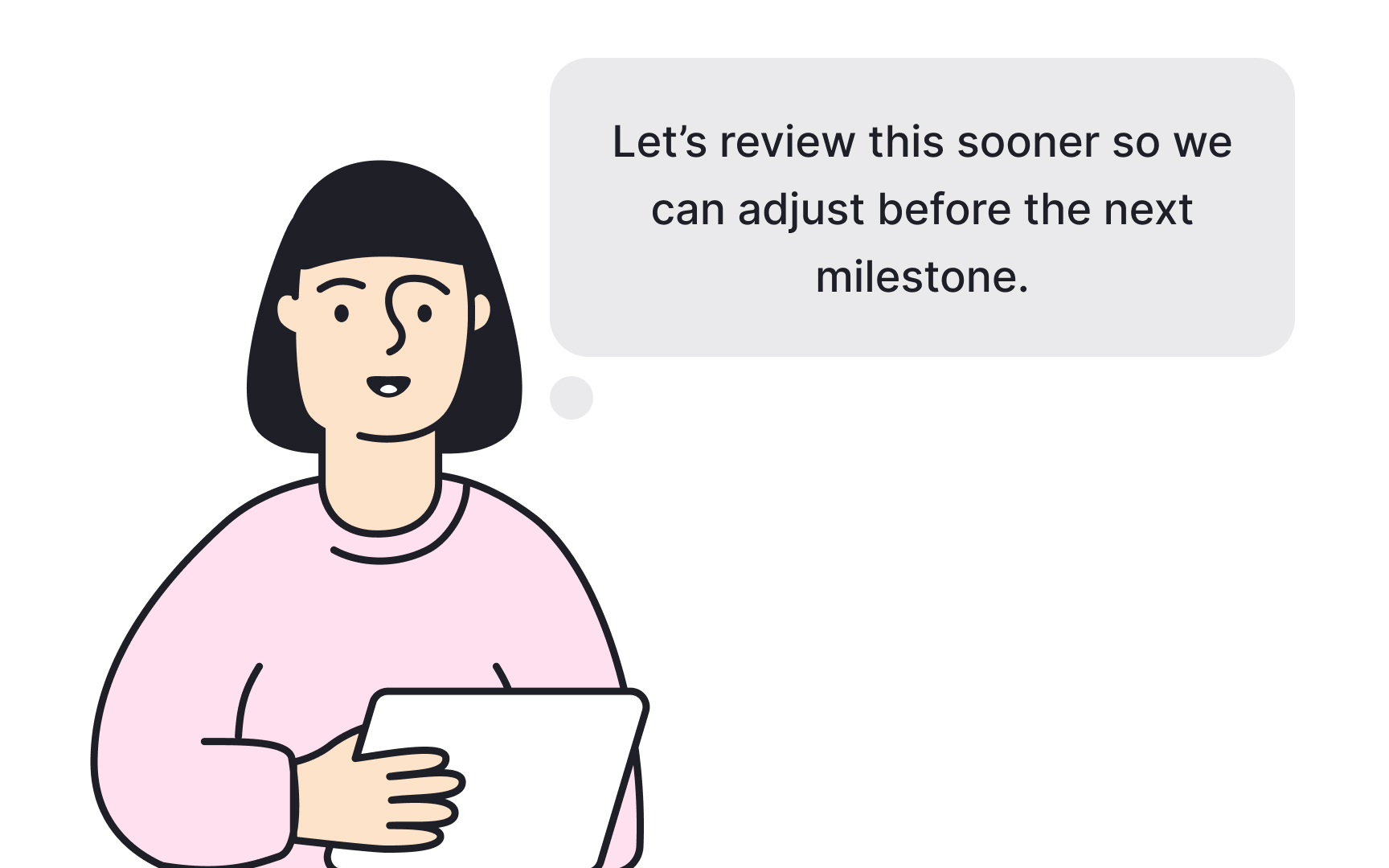
Regular feedback helps keep expectations realistic and aligned throughout the project. When teams check in at steady intervals, they catch concerns early and prevent small issues from growing into larger conflicts. This ongoing rhythm shows stakeholders that their perspective has a consistent place in the process, not just a role at major milestones.
Creating these touchpoints can be simple. Short updates, scheduled reviews, or lightweight check-ins give stakeholders space to react to progress and clarify what matters most at each stage. These moments also help teams explain how current decisions connect to earlier feedback and where trade-offs may appear. This kind of openness reduces surprises and supports smoother collaboration.
References
- Stakeholder Feedback: Methods & Best Practices | Simply Stakeholders
- Stakeholder Interviews 101 | Nielsen Norman Group
Topics
From Course

Share


Similar lessons

Stakeholder Management

Stakeholder Communication