Using storytelling to create an emotional connection
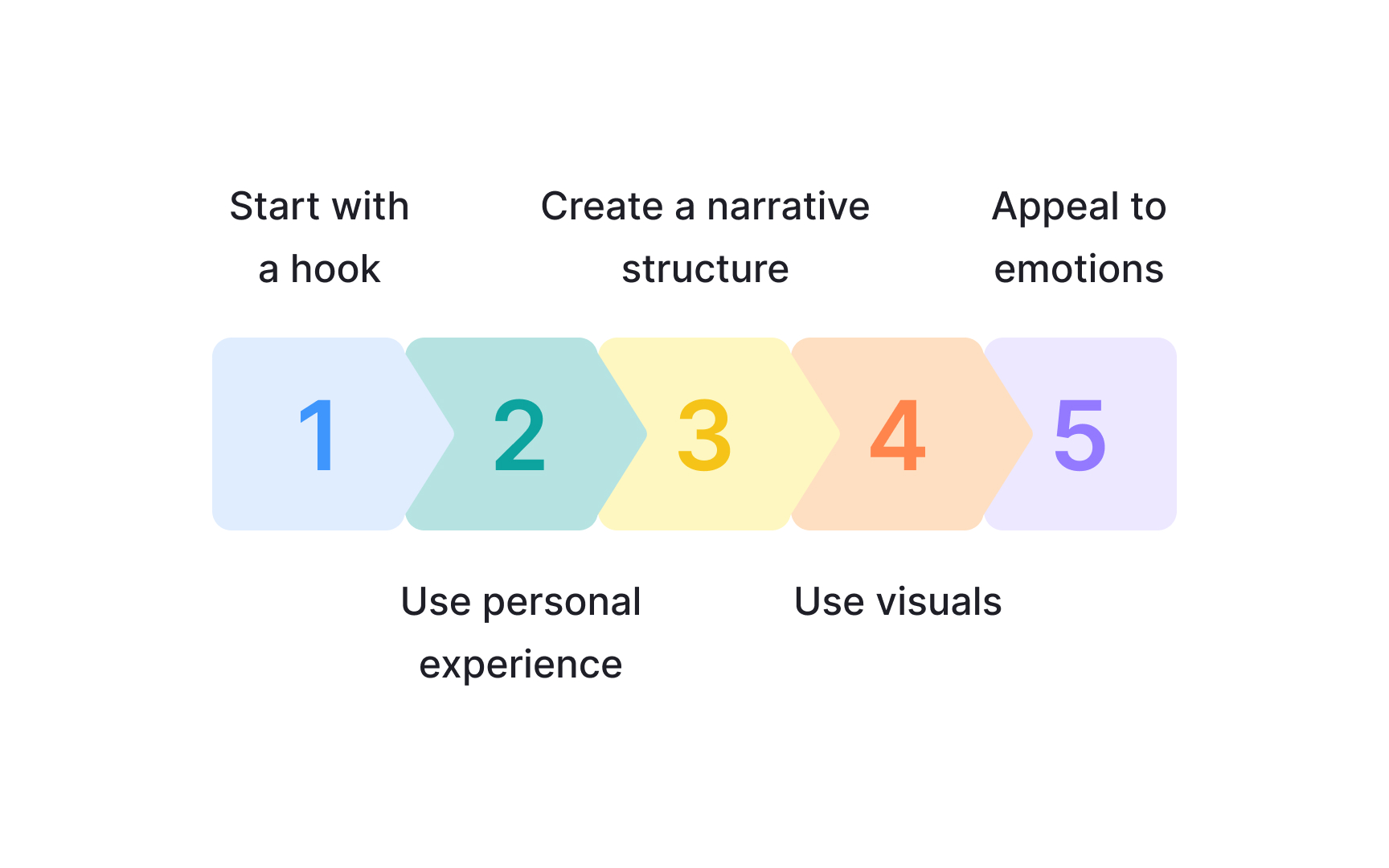
Storytelling helps people understand ideas in a clearer and more human way. A simple story shows the current situation, the challenge people face, and the positive change a proposal can bring. This structure makes information easier to follow and helps stakeholders connect with the purpose behind the work.
Stories also support emotional engagement. When people can imagine a real situation, they understand the impact more deeply. Emotions help stakeholders remember key points and care about the result instead of seeing the proposal as a list of features or tasks.
A short example can show this in practice. Imagine a service team that spends hours searching through scattered information. A story might describe one support agent who tries to help a customer but loses time switching between tools. The narrative then shows how a centralised knowledge base helps the same agent solve problems faster and reduces daily frustration. This makes the benefit easy to picture.[1]
Pro Tip: Focus on one simple situation so stakeholders can quickly imagine the problem and the improvement.
References
- Strategic Narratives: Enhancing Project Management with Storytelling Techniques | Institute of Project Management