Behavioral Analysis Using DISC Profiles
Adapt messages and tone to align with the communication preferences of each DISC personality type.
Every person has a different way of talking, listening, and making decisions. Some are direct and fast-paced, others prefer calm discussions or detailed explanations. The DISC model helps make sense of these differences by grouping people into 4 types: Dominance, Influence, Steadiness, and Compliance.
Knowing these patterns can make communication smoother and more effective. A dominant stakeholder appreciates quick, confident answers. An influential one enjoys stories and enthusiasm. A steady person values trust and reassurance, while a compliant one wants clear data and structure.
When teams adjust their tone and message to fit these styles, conversations become easier and more productive. Misunderstandings drop, and collaboration feels more natural. Learning to read these cues helps build stronger relationships and keeps projects moving forward with less friction.
Understanding how people act and speak helps reveal what they value most in communication. Some focus on results and decisions, while others care more about relationships, trust, or accuracy. The DISC model makes it easier to spot these patterns and adapt before problems appear.
A dominant stakeholder often talks fast, gets to the point quickly, and expects quick answers. They tend to use strong, direct language and show impatience with long explanations. An influential person speaks with enthusiasm, often using stories or humor, and likes being involved in conversations. Someone with a steady style usually listens more than they speak, values calm discussion, and avoids sudden changes. A compliant type asks many questions, checks facts carefully, and prefers structure and logic in every detail.
The small signals, like tone, pacing, body language, and choice of words, tell a lot about how each person prefers to work and make decisions. Observing them closely helps teams adjust their communication and prevent frustration on both sides.[1]
Pro Tip: Watch how people speak and react. Their pace, tone, and focus reveal more about their communication style than their job title ever could.
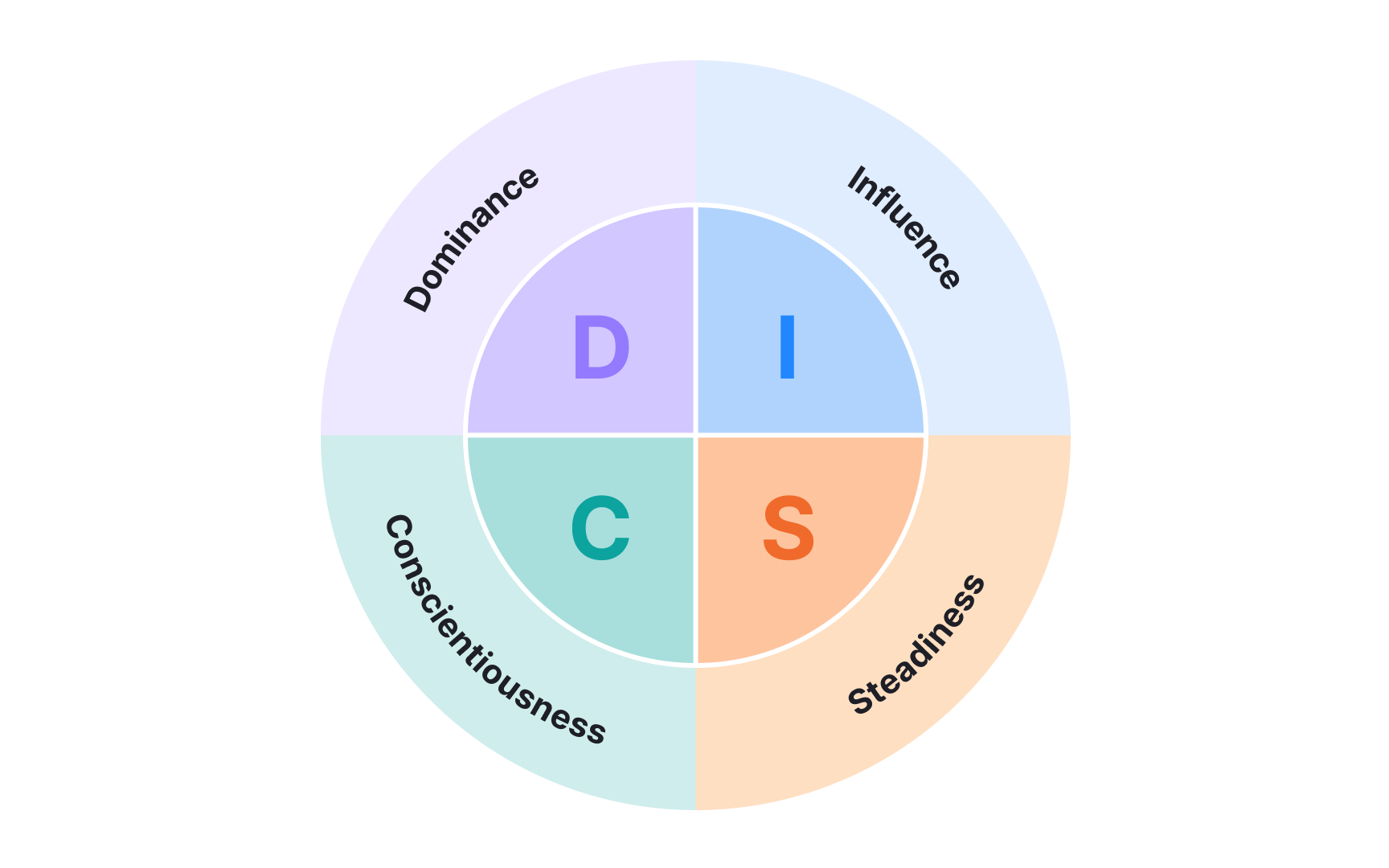
Each DISC type has its own rhythm and focus that shapes how they respond to others. Knowing what each type values helps predict what kind of message will land best:
- Dominance profiles are assertive and like efficiency. They prefer discussions that lead straight to decisions.
- Influence types enjoy energy and personal connection. They are motivated by enthusiasm, ideas, and recognition.
- Steadiness profiles value safety and collaboration. They prefer clear plans and reassurance before taking action.
- Compliance types think critically and expect detailed, logical information. They want time to analyze data before committing to a decision.
Recognizing these distinctions allows teams to tailor how they communicate with different stakeholders. A fast, high-pressure tone may motivate someone with a Dominance style but unsettle a Steadiness type. Similarly, a lively and informal tone may attract an Influence type but confuse a Compliance one. Adjusting communication to these differences helps build trust and makes collaboration smoother.[2]
Pro Tip: Notice which type of detail people ask for: results, stories, reassurance, or data. It often reveals their DISC profile.
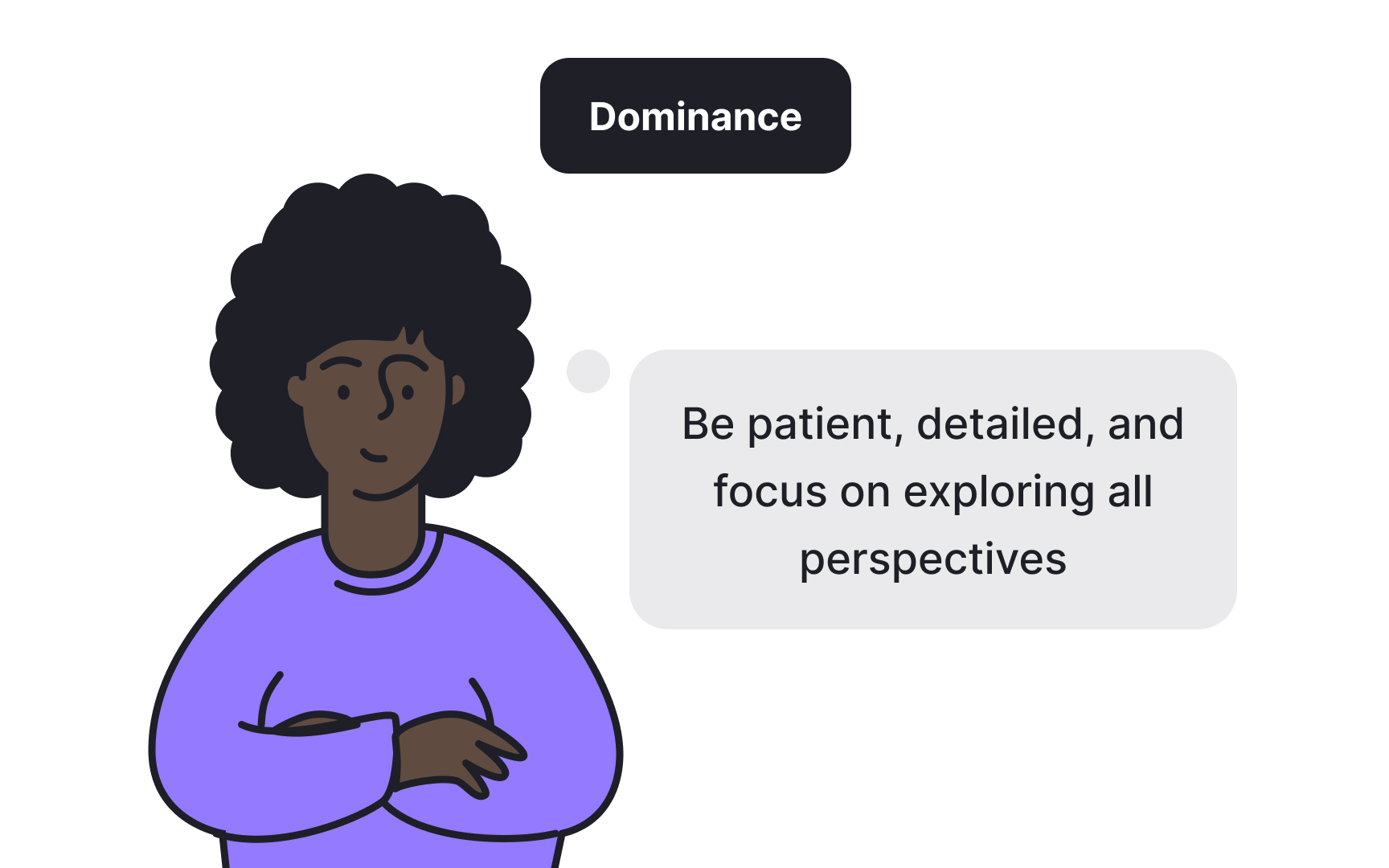
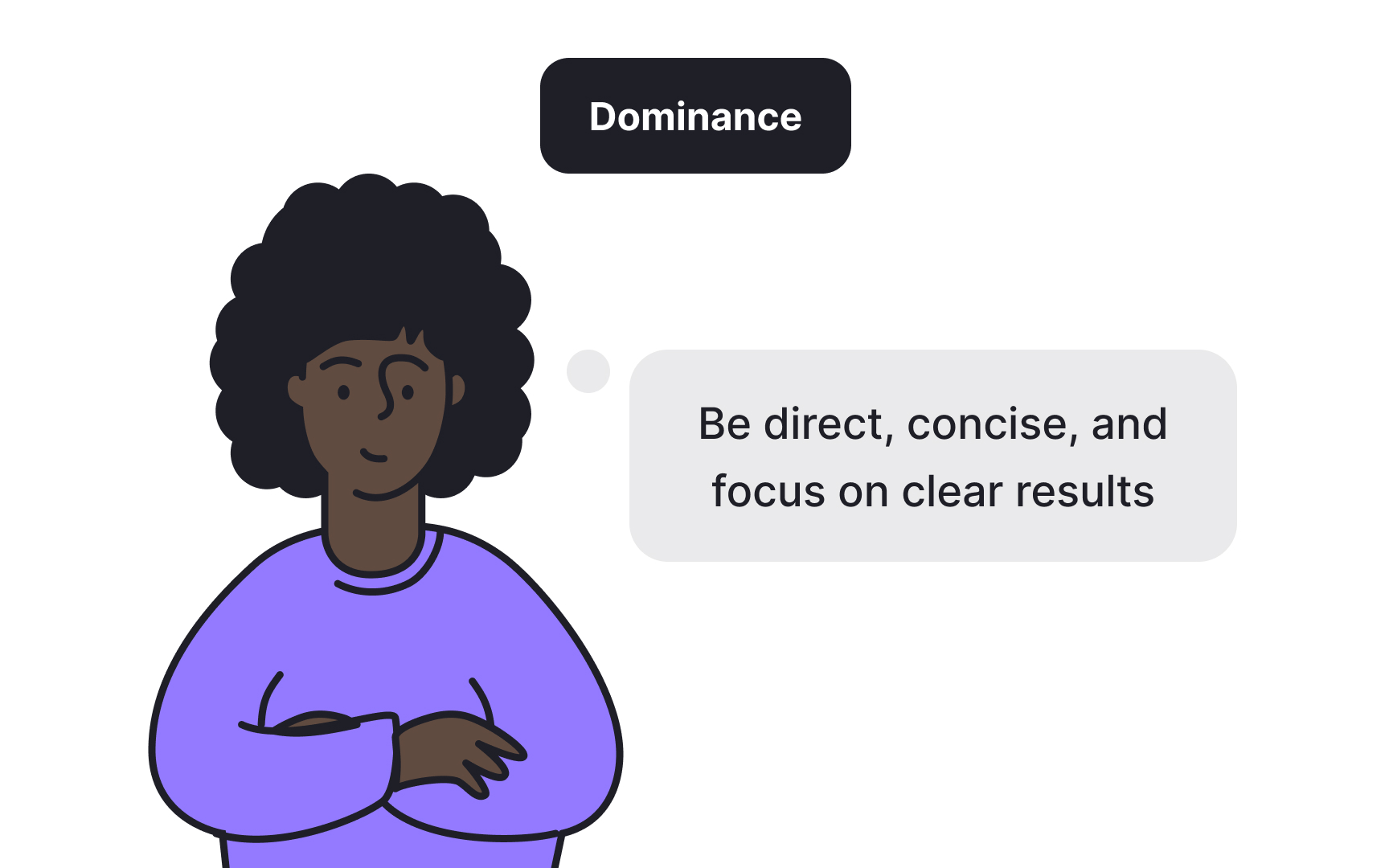
People with a Dominance profile like control, results, and
When talking to a Dominance type, open with the main point first and keep messages short. Use facts and action verbs to show direction and impact. Avoid over-explaining or circling around a topic. If you need a decision, clearly state what needs approval and by when. They value speed and expect others to match their pace.
This approach shows respect for their time and helps build credibility. Once they see that you can be concise and decisive, they are more likely to listen and support your ideas.
Pro Tip: State the goal first and keep your message short. Dominant personalities prefer clarity and quick action over background or small talk.
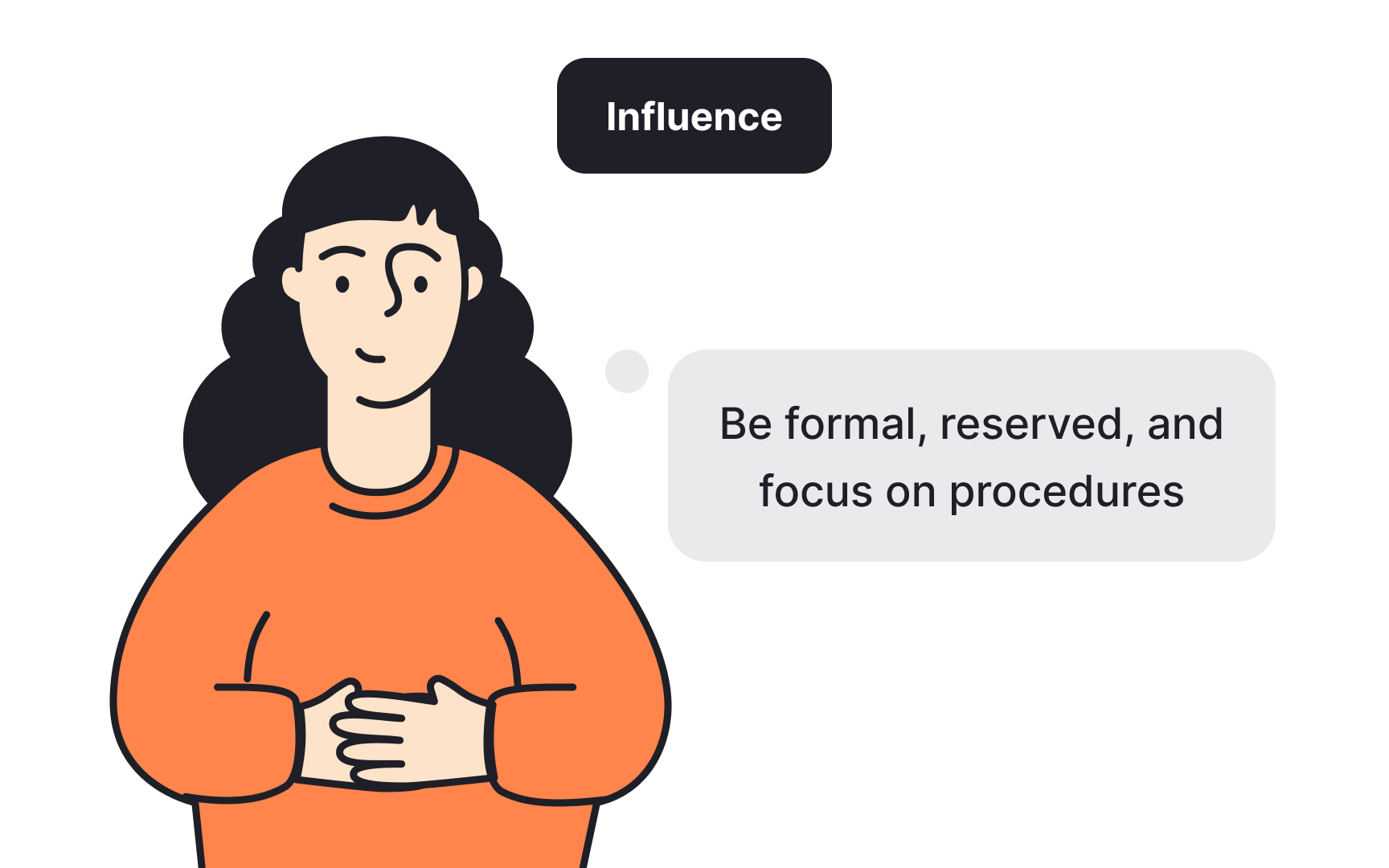
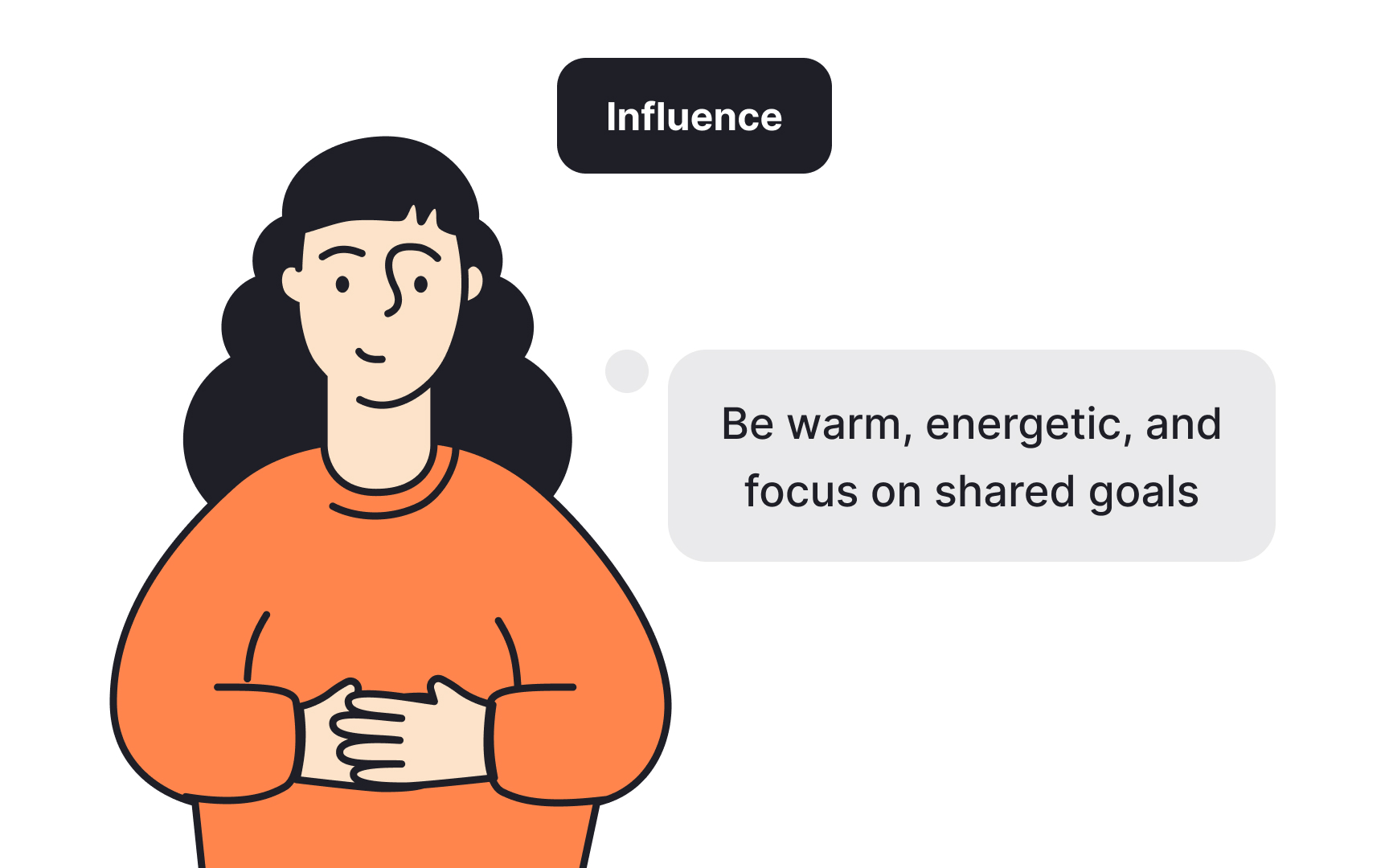
Influence types bring energy and positivity to projects. They enjoy people-focused discussions and respond best to communication that feels personal and engaging. For them, enthusiasm builds trust, and ideas shared with warmth carry more weight than lists of facts.
When writing or speaking to someone with this style, use a friendly tone and expressive language. Highlight opportunities, shared goals, and how their input makes a difference. They like feeling part of something exciting and often respond well to encouragement and collaboration. Too much detail or formality can lose their interest.
This doesn’t mean skipping important information — just deliver it with energy and connection. Influencers thrive when communication feels human and optimistic, helping them become strong advocates for the project.
Pro Tip: Bring warmth and energy into your message. Influential people respond better to enthusiasm than to data-heavy updates.
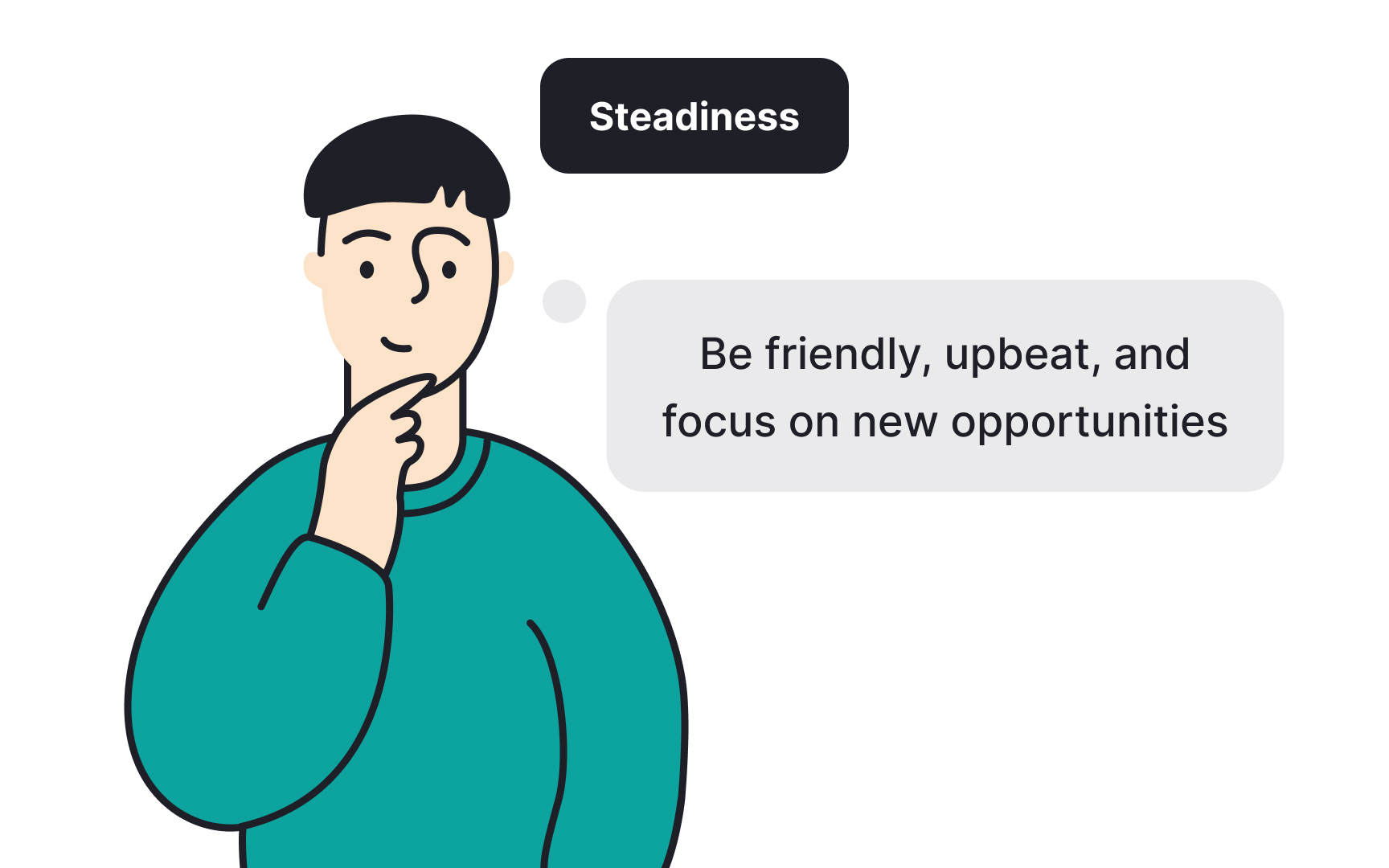
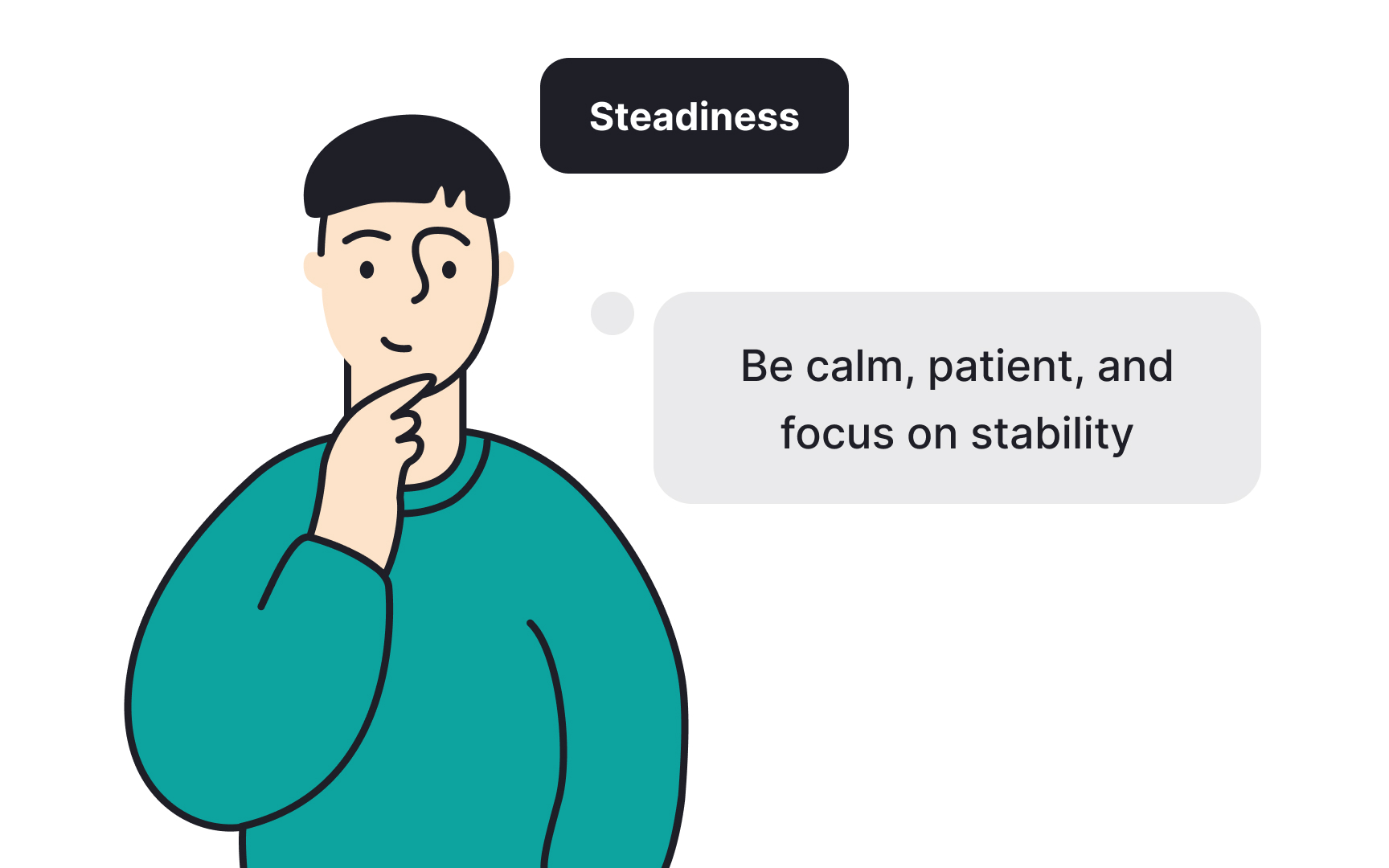
Steadiness profiles value calm, trust, and consistency. They work best in environments where they feel supported and where communication feels genuine. Sudden changes or a fast, demanding tone can make them anxious or withdrawn. They need time to process information and prefer a steady rhythm in conversation and decision-making.
When communicating with someone like this, use a warm and patient tone. Show appreciation for their reliability and emphasize how your ideas will keep things stable or strengthen teamwork. Avoid interrupting or rushing them to respond. Instead, create space for them to share their thoughts.
These stakeholders are often the quiet glue that holds collaboration together. By showing empathy and predictability, you help them feel safe to contribute and take ownership in discussions.[3]
Pro Tip: Keep your tone steady and give time for reflection. Rushing steady personalities often leads to hesitation instead of progress.
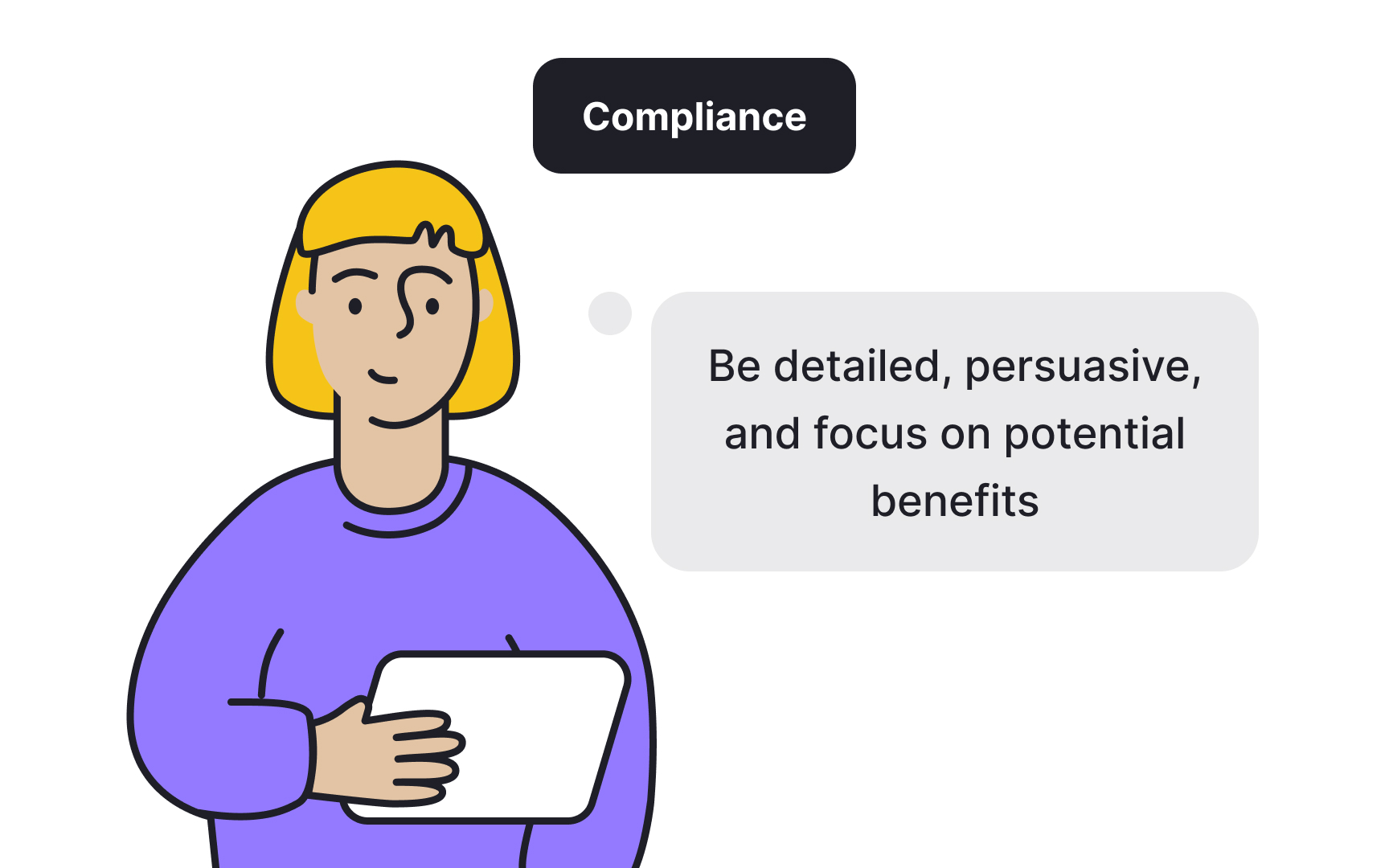
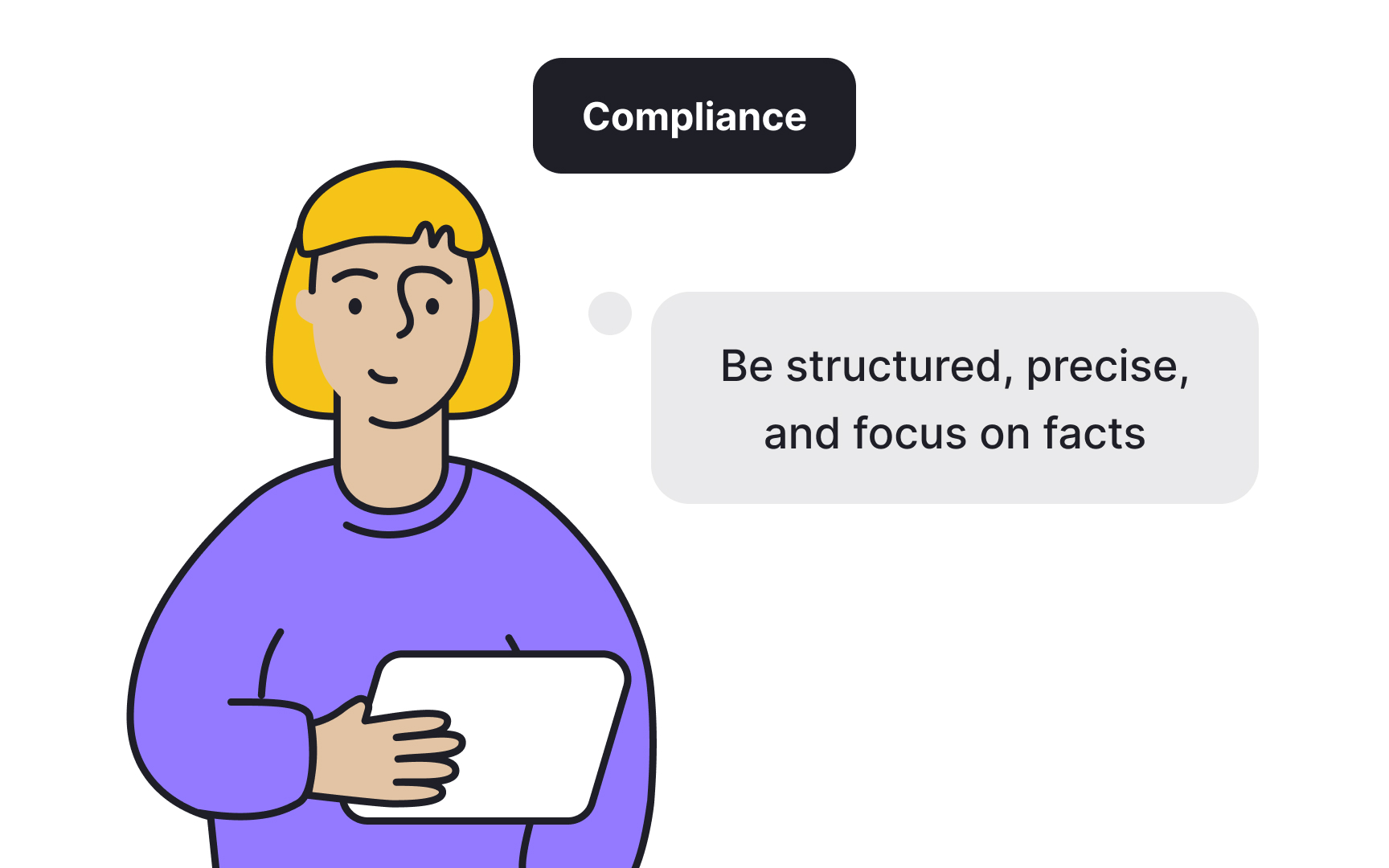
Compliance types value logic, structure, and precision. They trust data more than emotion and expect messages to be clear and verifiable. Unclear claims or emotional appeals can make them doubt the message or the person delivering it. They prefer to have time to think and verify before acting.
When communicating with a Compliance type, organize your points neatly and support them with evidence or data. Use specific language and avoid exaggerations. If you need to convince them, focus on facts, numbers, or processes that demonstrate careful thought. Respect their need to review details before responding.
This approach builds trust and minimizes misunderstanding. It shows that you’ve done your homework and value accuracy as much as they do. Once confident in your logic, these stakeholders become some of the most dependable partners on a project.
Pro Tip: Support every point with facts. Analytical people need proof before they can trust your conclusions.
Even clear messages can miss the mark when the delivery doesn’t match how people process information. A fast, assertive tone might inspire one person but make another feel rushed. A detailed update full of data might reassure analytical minds while leaving others overwhelmed.
Moments like these often show up through subtle cues: silence, crossed arms, short replies, or loss of eye contact. These signals don’t always mean disagreement; they might simply show that someone needs information in a different way. Paying attention to such reactions helps adjust the tone, pacing, or level of detail before frustration builds up.
Reading the room this way builds emotional awareness. It keeps discussions balanced and helps every stakeholder feel that their communication style is being respected.
Pro Tip: Watch for small signs of tension or distance. A quick shift in tone or pace can often bring the conversation back on track.
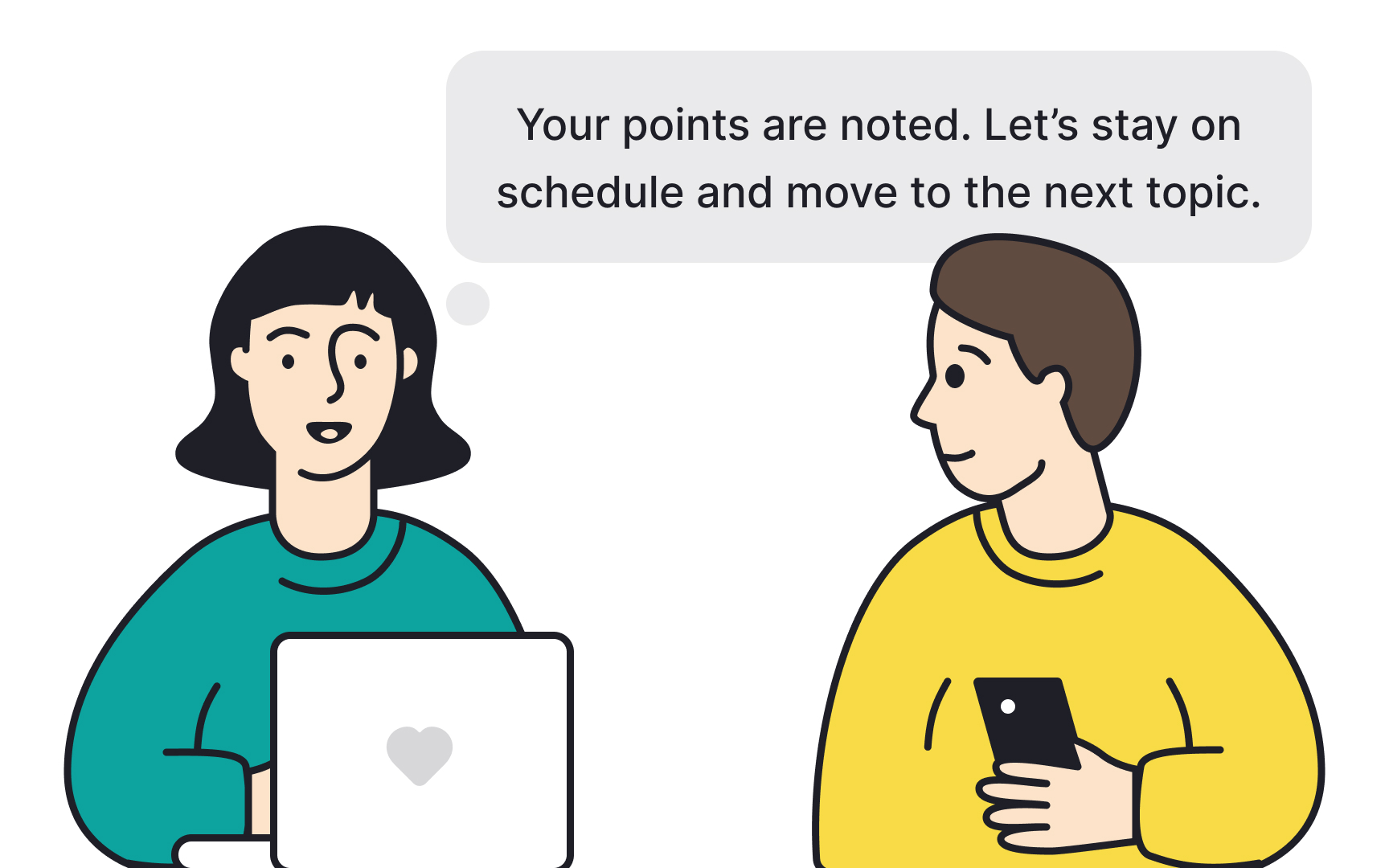
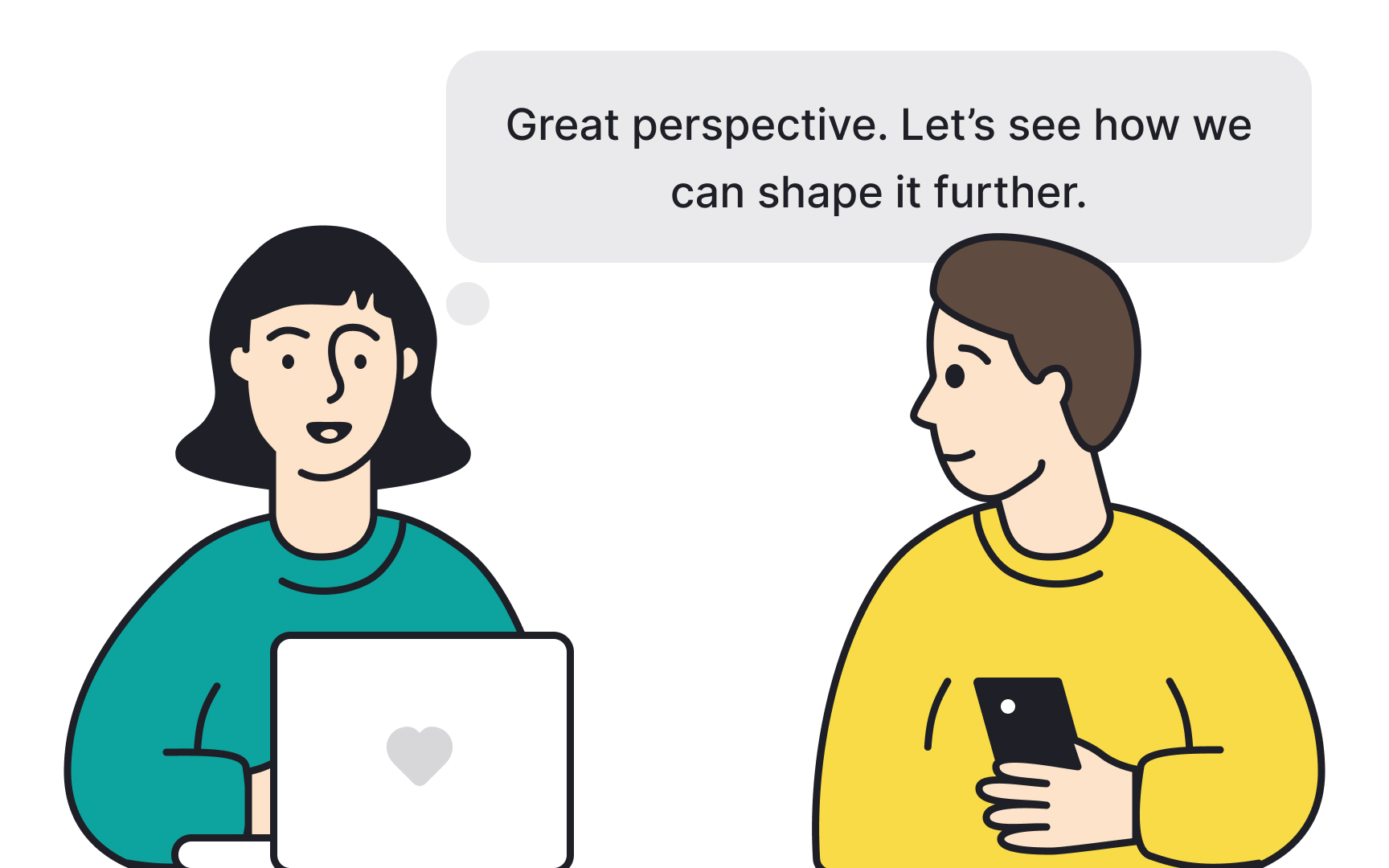
Different DISC profiles respond to different tones, so finding the right balance is key when speaking to mixed groups. Some stakeholders appreciate short, confident statements. Others prefer a friendly and open tone or a message grounded in facts and reassurance.
The aim is to blend these elements naturally. When giving an update, lead with clarity and results to engage the decisive ones, weave in positive energy to connect with the social ones, and add structured reasoning to support those who value precision. A calm closing helps steady personalities feel secure.
By layering tone in this way, communication becomes more inclusive. It reduces the risk of alienating any group and helps everyone stay connected to the message and its intent.
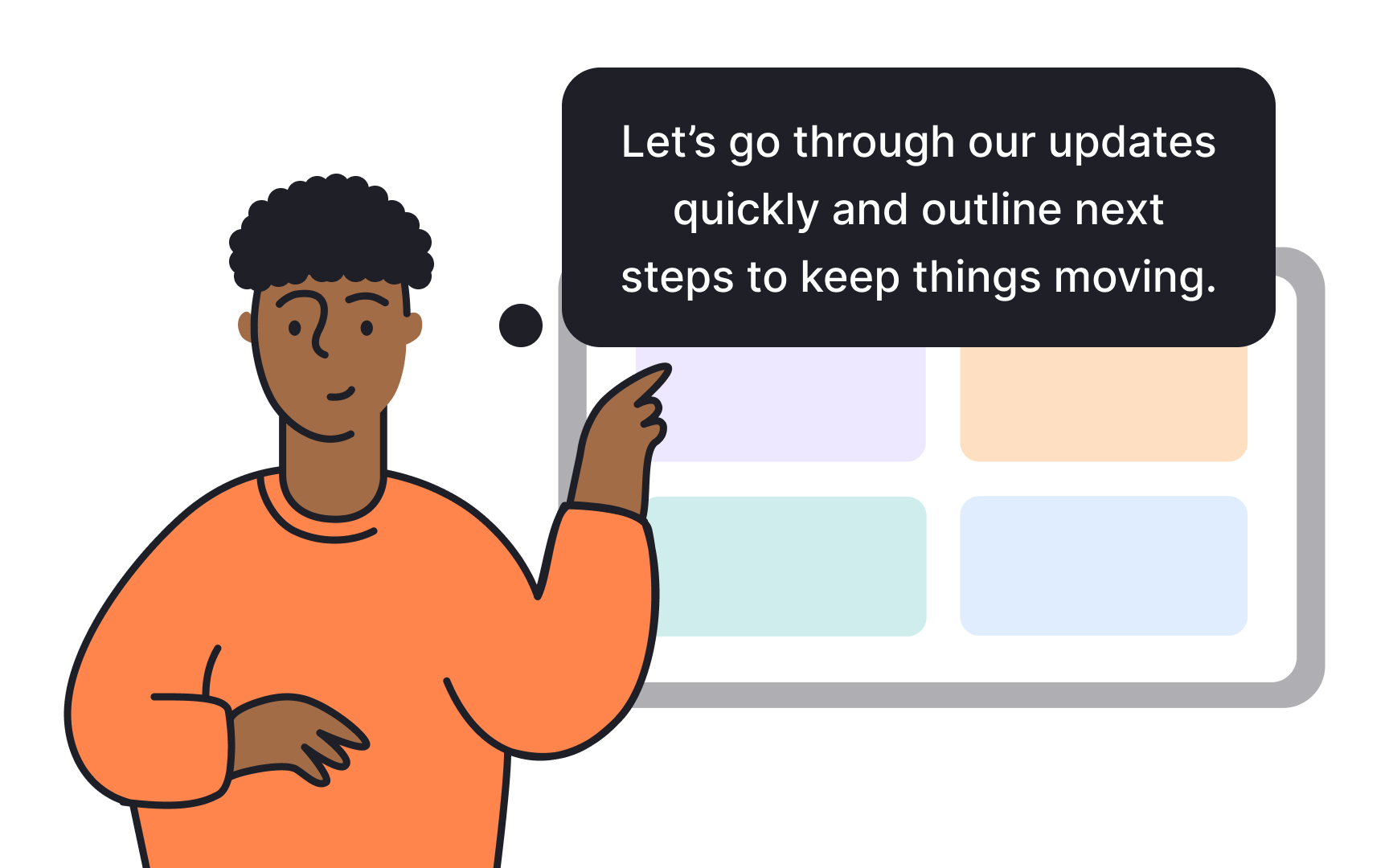
Meetings run better when they balance different communication styles. Using the DISC lens helps plan how to structure the flow, timing, and tone so that no one feels left out or overloaded.
Start with a clear agenda and an outline of the meeting’s goals to give structure and direction. Open with outcomes or decisions to engage dominant types, then allow time for open discussion to include influence and steadiness profiles. Provide supporting data and notes for those who prefer detail and analysis. End with a short recap that summarizes the next steps for everyone.
This balance keeps meetings purposeful and inclusive. It helps maintain attention, prevents frustration, and makes every stakeholder feel that their voice has space in the process.
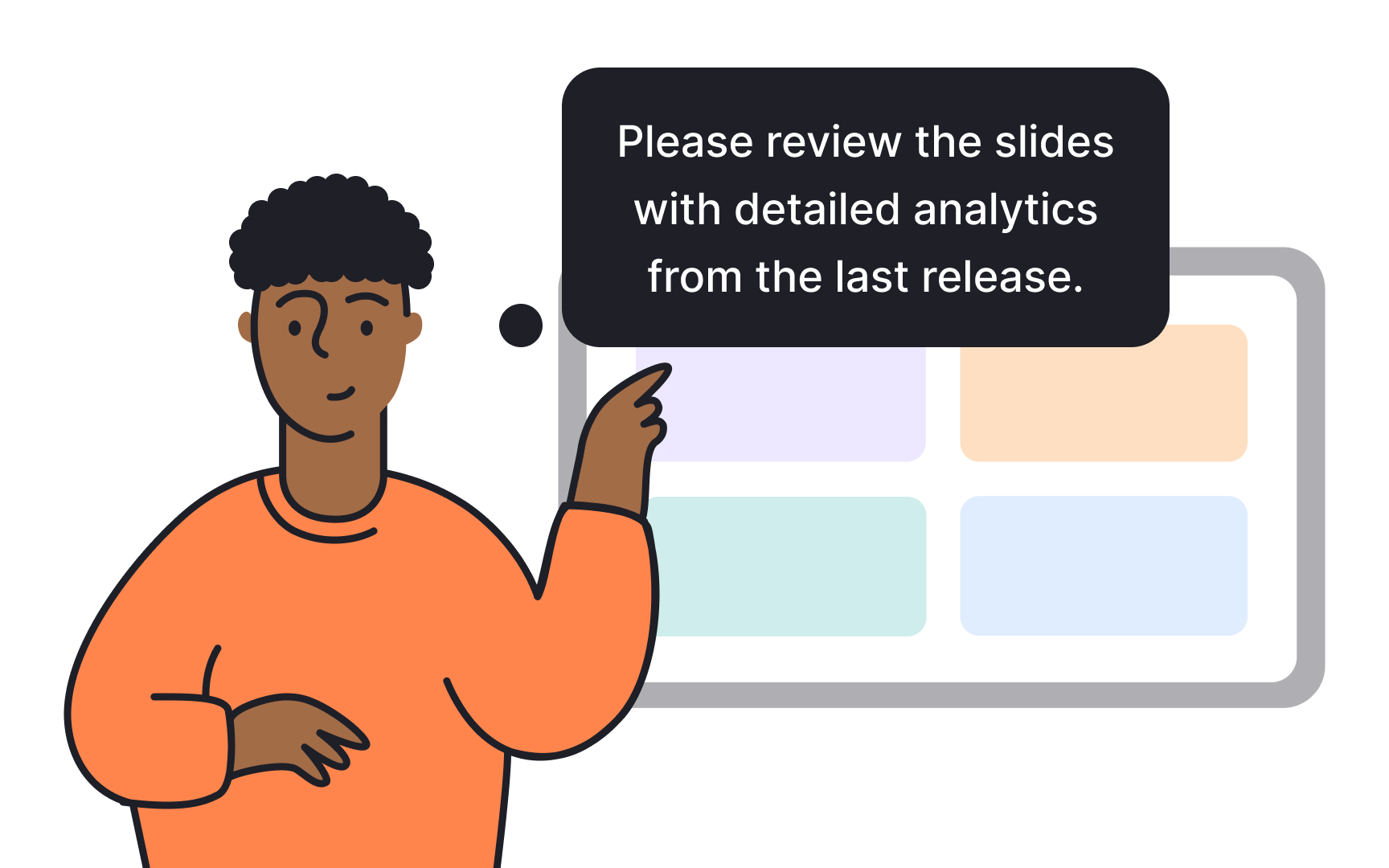
Understanding behavioral differences becomes powerful when used to align goals and expectations. Stakeholders often agree on outcomes but differ in how they approach them. DISC helps translate these differences into collaboration rather than conflict.
Start by identifying each stakeholder’s main focus (results, relationships, stability, or accuracy) and use that insight to adjust how you present plans and decisions.
- For Dominance types, emphasize
efficiency by linking goals to visible progress and clear impact. Keep updates short, action-oriented, and framed around results. - For Influence types, highlight collaboration and recognition. Show how their ideas and energy contribute to shared success and motivate others.
- For Steadiness types, stress continuity and support. Explain how decisions protect team balance, ensure predictability, and build long-term trust.
- For Compliance types, reinforce quality and precision. Present data, rationale, and clear methods that prove careful planning and minimize risks.
This approach turns personality diversity into an advantage. When each person sees their priorities reflected in decisions, alignment comes naturally and collaboration feels easier and more genuine.
Pro Tip: Link project goals to what each personality values most. It’s easier to gain alignment when everyone sees their priorities reflected.
References
- A Practical Guide to Dealing with Difficult Stakeholders | O’Reilly Online Learning
Topics
From Course

Share


Similar lessons
Mental Models in UX Research
Psychological Theories Behind Gamification