Context of Product Vision and Product Strategy
Understand how product decisions connect to company-level ambitions and business goals
Product vision and strategy don't exist in a vacuum. They're shaped by and must serve the broader company vision and strategy that guides the entire organization. Company vision paints the ultimate picture of change your organization wants to create in the world. Company strategy outlines the path to get there, including key business choices around markets, customers, and competitive positioning.
Product vision then becomes the specific future you're building for users, while product strategy details how your product will help achieve that vision. This relationship creates a hierarchy where each level informs the next. For example, when Tesla envisions a zero-carbon world, that company vision flows down to product visions for electric vehicles and home energy systems, which then drive specific product strategies around battery technology and charging infrastructure.[1] Understanding this context helps product professionals make decisions that truly support business objectives while maintaining product integrity and user focus.

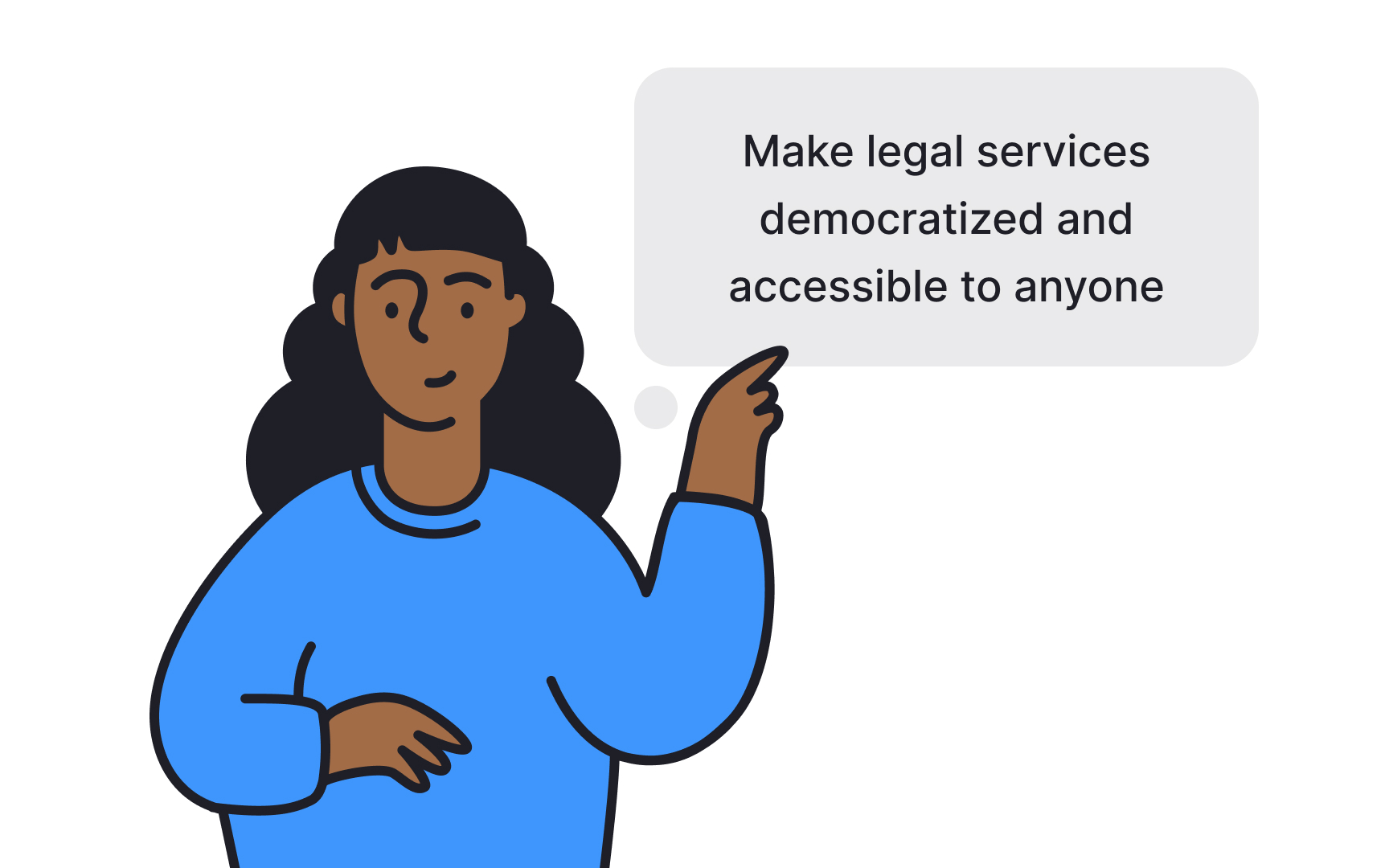
Company vision describes the ultimate change your organization wants to create in the world. It's the big picture of a better future that motivates everyone in the company.[2]
Think of Shopify's company vision: making commerce better for everyone.[3] That's broad and ambitious. Their product vision for their ecommerce platform is more focused: enabling merchants to sell anywhere with a seamless, unified commerce experience. The product vision serves the company vision but zooms in on a specific user experience.
Company vision answers "what world do we want to create?" Product vision answers "what future experience will our users have?" Both must inspire action, but they operate at different scales. Your product vision should always connect back to and support the larger company vision.
Pro Tip: If your product vision could belong to any product at your company, it's probably too broad.
Company strategy defines the key business choices your organization makes to achieve its vision. It covers decisions about target markets, competitive positioning, business models, and resource allocation. Product strategy is more focused. It outlines the specific choices about what problems to solve, which users to serve, and how your product will deliver value.
Company strategy might decide to enter the enterprise market and compete on platform reliability. Product strategy then determines which enterprise features to build first, what integrations matter most, and how to prioritize technical debt versus new capabilities. The product choices must align with and support the broader business choices.
While company strategy considers the entire business including sales, operations, and partnerships, product strategy focuses specifically on product development decisions. Both require making deliberate trade-offs about what to pursue and what to set aside.
Pro Tip: Strong product strategy requires saying no to good ideas that don't align with company strategy.
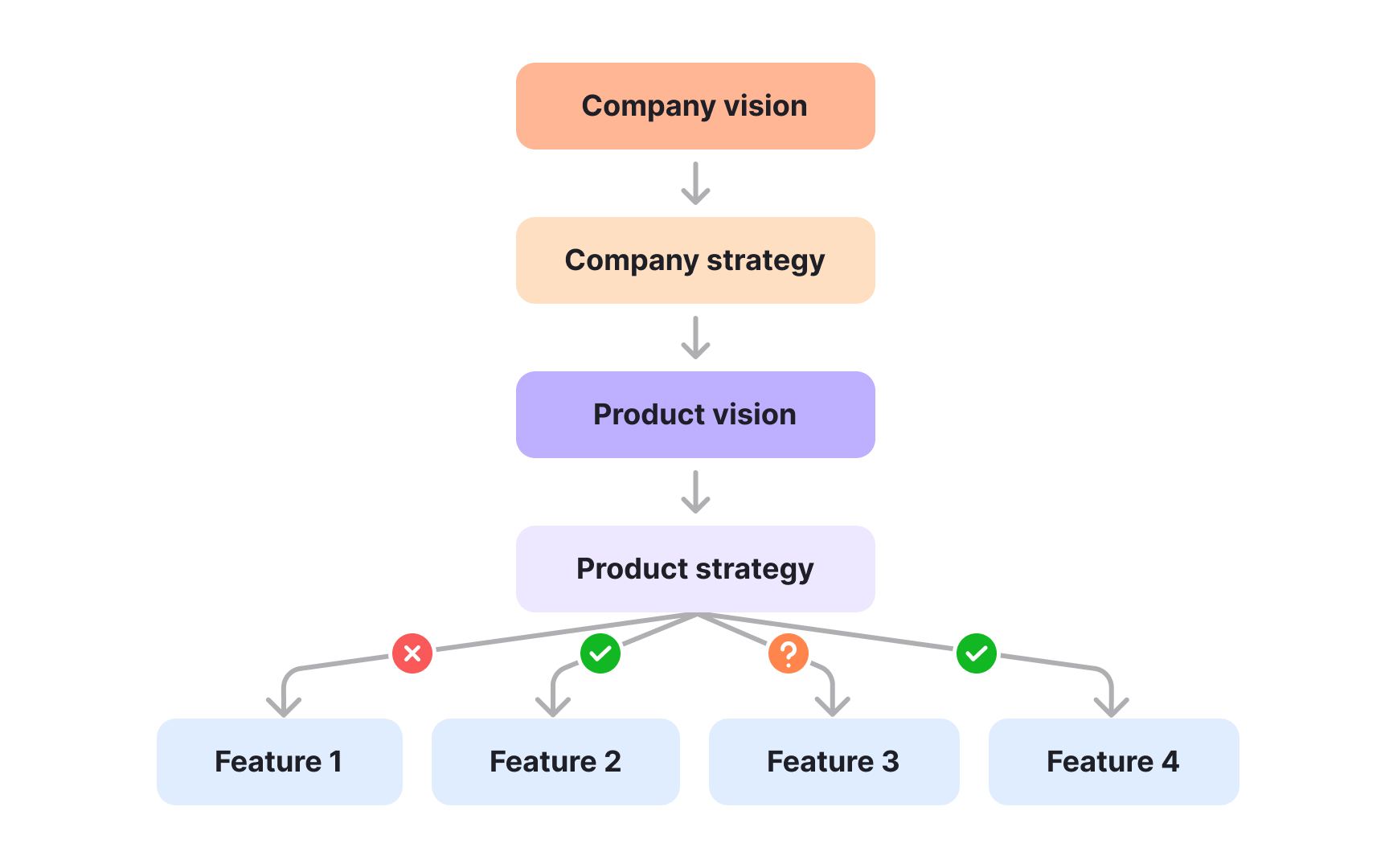
Vision and strategy exist in a clear hierarchy within organizations:
- Company vision sits at the top, defining the ultimate future you want to create.
- Company strategy flows from that vision, outlining how you'll get there through business choices.
Product vision comes next, painting a picture of the specificuser experience that supports the company vision.- Product strategy follows, detailing the product choices needed to achieve that product vision. This guides individual feature decisions about what to build and in what order.
Understanding this hierarchy prevents common mistakes. Teams sometimes create product visions that sound inspiring but don't actually support company objectives. Or they build features that optimize for metrics misaligned with product strategy. The hierarchy keeps everyone moving in the same direction, from ambitious vision down to daily execution.
Perfect alignment between product and company visions happens when your product is the primary way your company achieves its vision. Single-product companies often experience this alignment naturally. The company exists to bring that one
Consider a meditation app company with a vision of making mental wellness accessible to everyone. Their product vision might be creating a daily mindfulness practice that fits any lifestyle. These visions align beautifully because the product directly enables the company vision. Every product choice supports the larger organizational goal. Over time, they might find opportunities to create other products that still align with the company vision. While maintaining and growing the first product, they might start building a vision for a second product — perhaps a sleep app or stress management tool — each with its own product vision that ladders up to the same company vision of accessible mental wellness.
Strong alignment simplifies decision-making. Product teams don't struggle to justify features or priorities because everything connects directly to company objectives. It also strengthens team motivation since everyone sees how their work contributes to the bigger picture. However, this alignment requires maintaining focus and resisting feature creep that could dilute the product vision.
Divergence between product and company visions isn't always a problem. It's common in multi-product companies where each product serves a different aspect of the company vision. The challenge arises when
Unintentional divergence happens when product teams chase opportunities that seem promising but don't serve company objectives. A company focused on empowering small businesses might build enterprise features because that's where revenue looks easier. The product vision shifts toward serving large organizations while the company vision remains focused on small businesses. This creates confusion and dilutes impact.
Some divergence is strategic. A company might intentionally launch a product with a different vision to explore new markets or test hypotheses. The key is making this choice deliberately rather than letting it happen through accumulated feature decisions. By the end of this exploration, the company might decide to expand it’s vision or stick to the old one. Regular alignment checks help catch unintentional drift before it becomes problematic.
The product vision should feel like a natural extension of company vision, just more specific. This derivation ensures your product has clear purpose within the organization. It also helps when multiple products exist under one company. Each product can have a distinct vision that addresses different facets of the company vision without conflicting. The process requires understanding both what the company is trying to achieve and what unique value your product can provide.
Company strategy sets business-level direction, and product strategy must translate those choices into product-specific decisions. This translation turns broad strategic direction into concrete plans about what to build and for whom. Without this translation, product teams struggle to connect their work to business goals. If company strategy decides to compete on operational efficiency and low cost, product strategy might prioritize automation features over premium experiences. If company strategy targets enterprise customers, product strategy focuses on scalability, security, and integration capabilities rather than consumer-friendly simplicity.
The translation requires understanding both the business rationale and product implications.
This process involves asking critical questions:
- What does our company strategy mean for product capabilities?
- Which user problems align with our business positioning?
- What features support our competitive approach?
The answers create a product strategy that serves company strategy while remaining grounded in user needs and technical realities.
Companies with multiple products face unique challenges in aligning visions and strategies. Each product needs its own vision and strategy, but all must support the overarching company vision without conflicting with each other. Portfolio management becomes critical to prevent internal competition and resource conflicts.
Consider Google's vision of organizing the world's information.[4] They have Search for finding information, Maps for location data, and Gmail for personal communications. Each product has a distinct vision and strategy, but all serve the company vision. The challenge comes when products compete for the same users, overlap in functionality, or require conflicting strategic choices.
Clear boundaries help manage multi-product portfolios. Define what problems each product solves and which users it serves. Establish how products work together rather than compete. Some companies create product families where one product feeds users into another. Others maintain completely separate products for different market segments. The key is intentional design of the portfolio, not accidental overlap.
References
- A picture of a better place | Signal v. Noise
- About Shopify | Shopify
Topics
From Course

Share


Similar lessons

Intro to Product Discovery

Your Product Vision and Strategy