From random chats to systematic discovery
Moving from occasional customer conversations to systematic discovery requires structure and discipline. Random insights feel valuable in the moment, but rarely drive meaningful change. Systematic discovery creates documented patterns that guide product decisions and align teams around user needs consistently over time.
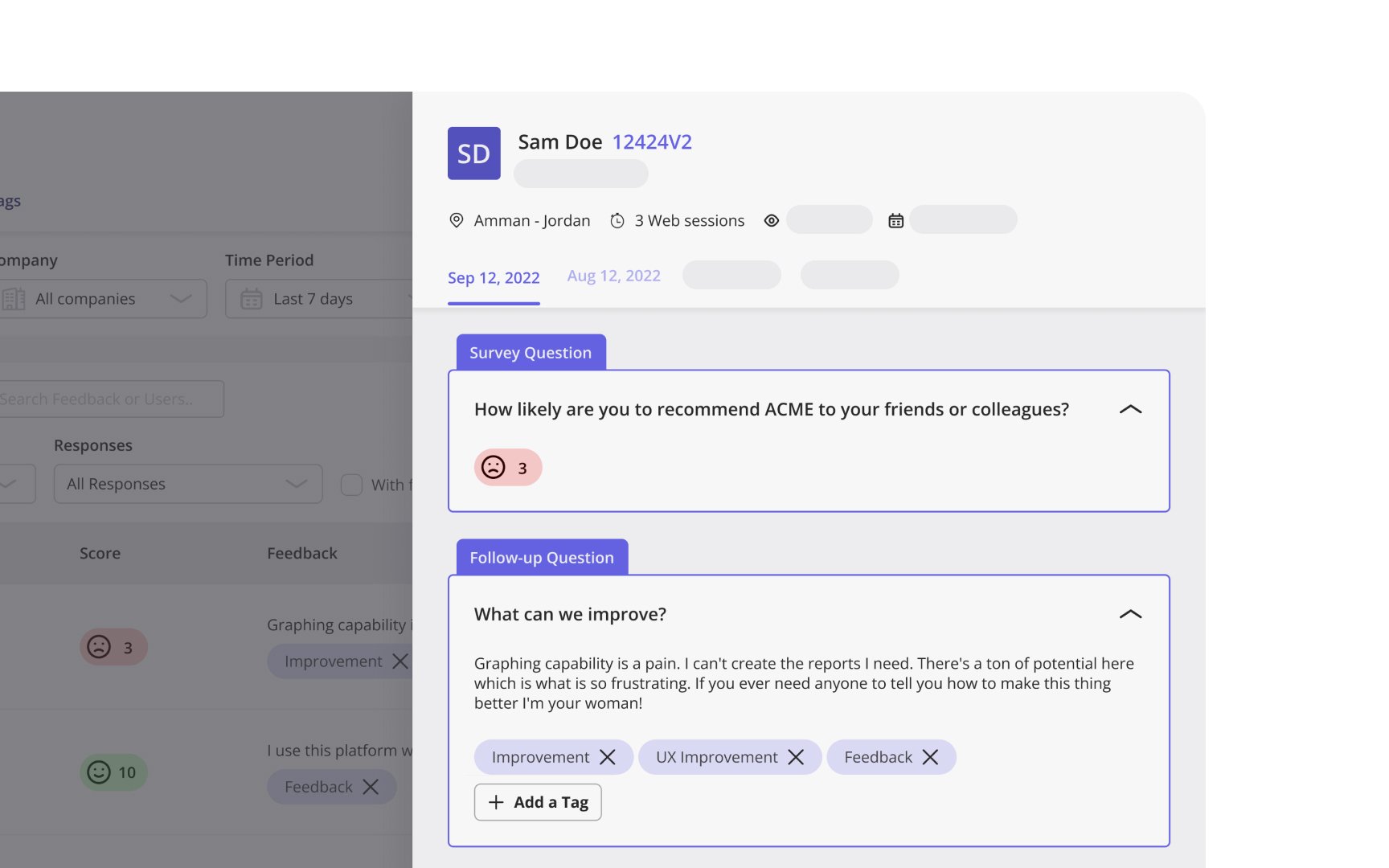
Build a structure by documenting everything you learn in a central place. If you are a small team, a Slack channel can work well for quick sharing, and a simple table in Notion or Google Sheets can help you organize feedback without adding a heavy process. As your team grows, you may adopt more formal repositories and tagging systems. Whatever the format, keep it agile and lightweight so people actually use it. Tag feedback by theme, feature area, or customer segment for easy retrieval. Review this collection regularly with your team to spot trends. Share summaries across the organization to build collective understanding.
Connect insights directly to action by linking feedback to specific product decisions. When prioritizing features, reference relevant customer quotes. When designing solutions, test them against documented user needs. This clear connection between research and results reinforces the value of systematic discovery and encourages continued investment.
Pro Tip: Dedicate 15 minutes after each customer interaction to document key insights while they're fresh.