Potential reality distortion
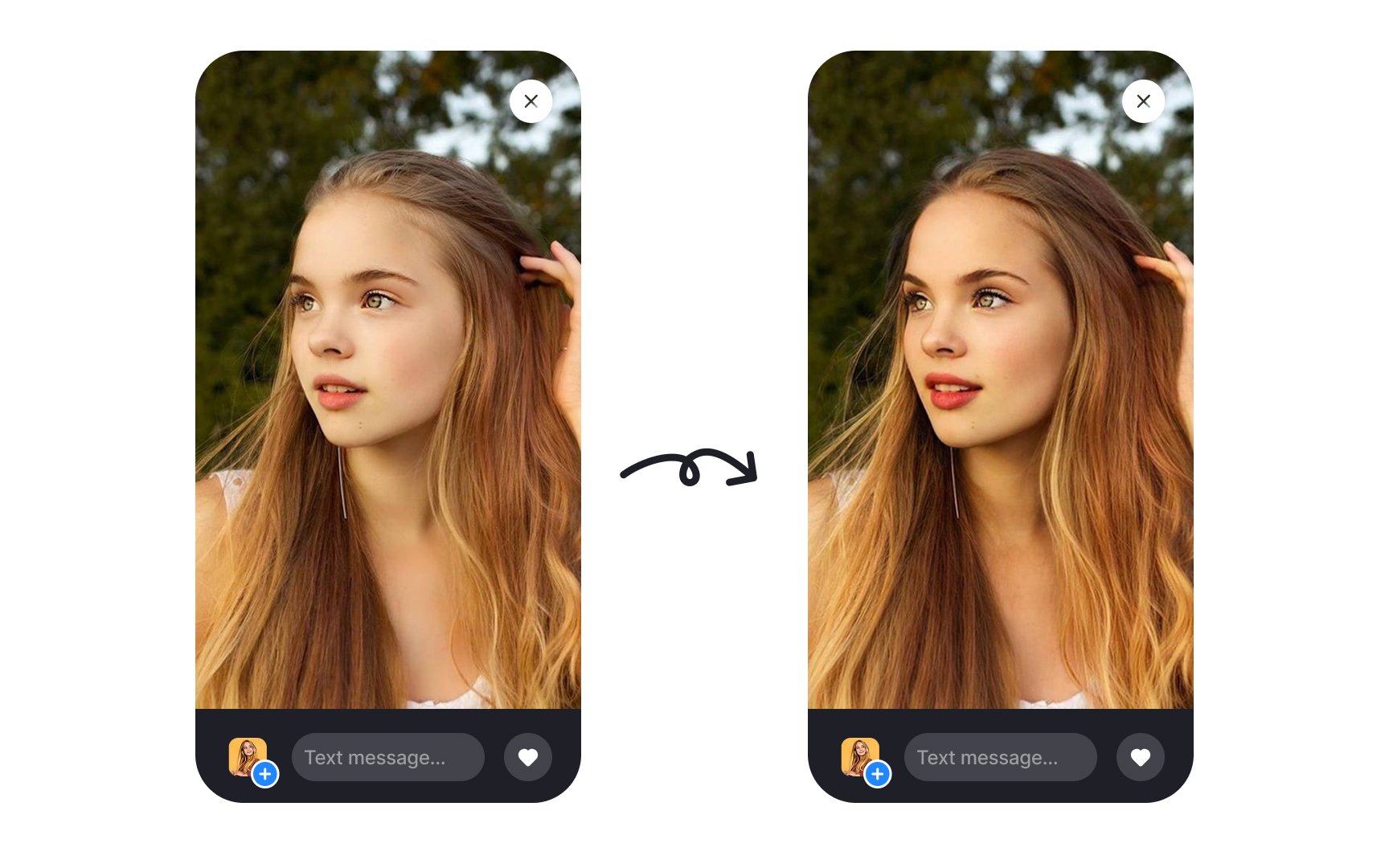
AR technology can potentially misrepresent reality in ways that mislead users. In real estate, AR could make properties appear more attractive by adding virtual renovations, landscaping, or removing unsightly features. This digital enhancement might create false expectations and impact purchasing decisions.
Age-altering AR filters pose serious ethical and legal concerns, especially in age-restricted contexts. For example, AR could make underage individuals appear older or vice versa, creating risks in situations where age verification is crucial. These manipulations could enable deceptive practices in dating apps, age-restricted venues, or identity verification.
Vulnerable users, particularly children and individuals with cognitive disabilities, face higher risks from reality distortion. They may struggle to differentiate between AR enhancements and physical reality. Safety features should include parental controls and accessibility settings. These might involve reality verification prompts ("Is this real or virtual?"), simplified toggle controls for AR effects, and clear documentation of which elements are augmented. For commercial applications, mandatory disclosure labels can highlight when AR enhancements modify the appearance of products or spaces.