Cultural competency basics
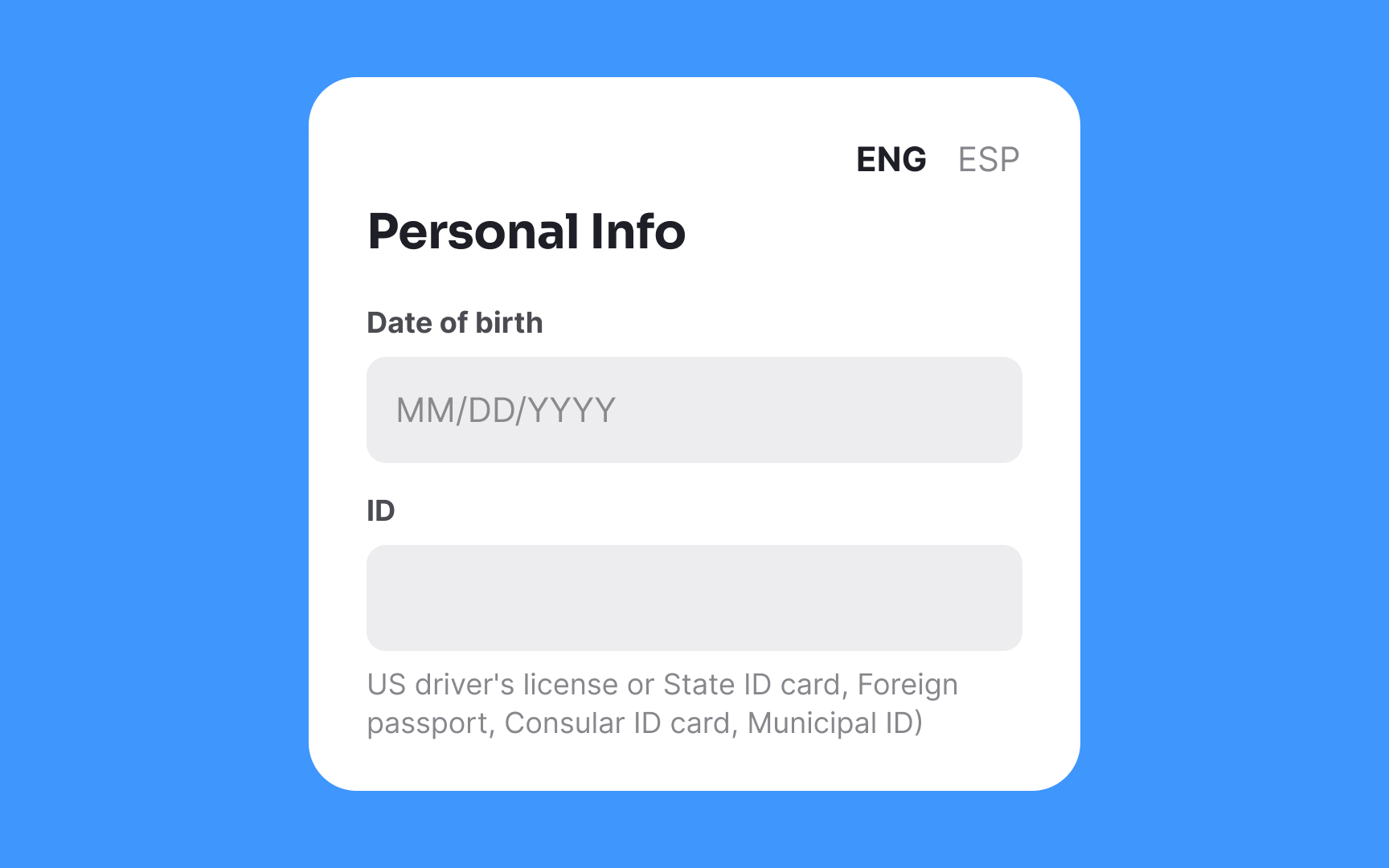
Cultural competency determines if government services actually reach and serve diverse communities. For example, a well-designed permit application might fail if it assumes all users communicate in the same way. In South Texas, where 40% of the population is Spanish-speaking, providing English-only forms creates a significant barrier to service access.
Key competency areas include:
- Communication styles: Using simple vocabulary and providing support in multiple languages
- Document design: Forms should work for languages read left-to-right and right-to-left, with clear date and number formats
- Time expectations: Service hours and deadlines should consider prayer times, religious holidays, and cultural events
- Family structures: Forms should accommodate extended families living together and varied definitions of primary caregivers
A benefits application asking for "parents' names" might exclude grandparents raising children. Online services scheduled for maintenance during major cultural celebrations could block access when users need it most.
Pro Tip: Test your service with community groups to identify design choices that might create unintended barriers.