Ethical A/B testing
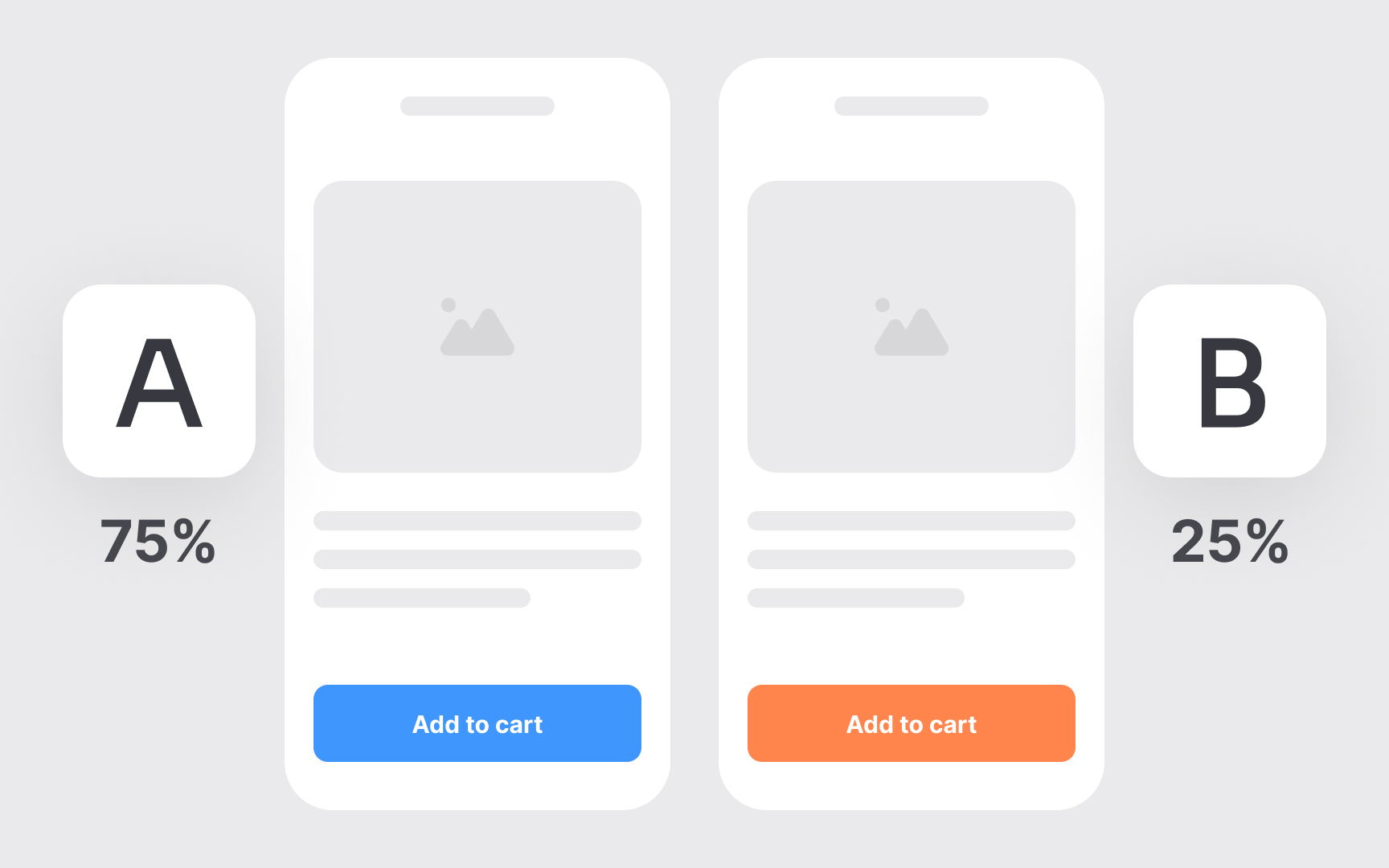
A/B testing manipulates user experiences to measure behavioral differences, raising consent questions that simple usability testing avoids. Before launching any A/B test, evaluate whether variations could disadvantage users or manipulate emotions significantly. Testing button colors or layout arrangements carries minimal risk and can proceed under general terms of service. Testing pricing strategies, content recommendations that affect user well-being, or features that create artificial urgency requires more scrutiny and potentially explicit consent.
Establish clear boundaries for what manipulation is acceptable in your testing practice. Document a policy that defines low-risk tests (cosmetic changes, layout variations) versus high-risk tests (pricing experiments, emotional manipulation, features affecting opportunities or resources). High-risk tests should undergo ethics review before launch and include monitoring for negative impacts that would trigger early test termination. Set success metrics that include participant well-being indicators alongside business metrics, so you're measuring harm as actively as you measure conversion.
When testing with vulnerable populations like children, people in crisis, or users making high-stakes decisions, either obtain explicit consent or don't run experimental tests at all. For features involving high-pressure purchasing flows or emotionally charged content, test with informed volunteers rather than unsuspecting users.