Persuasive design
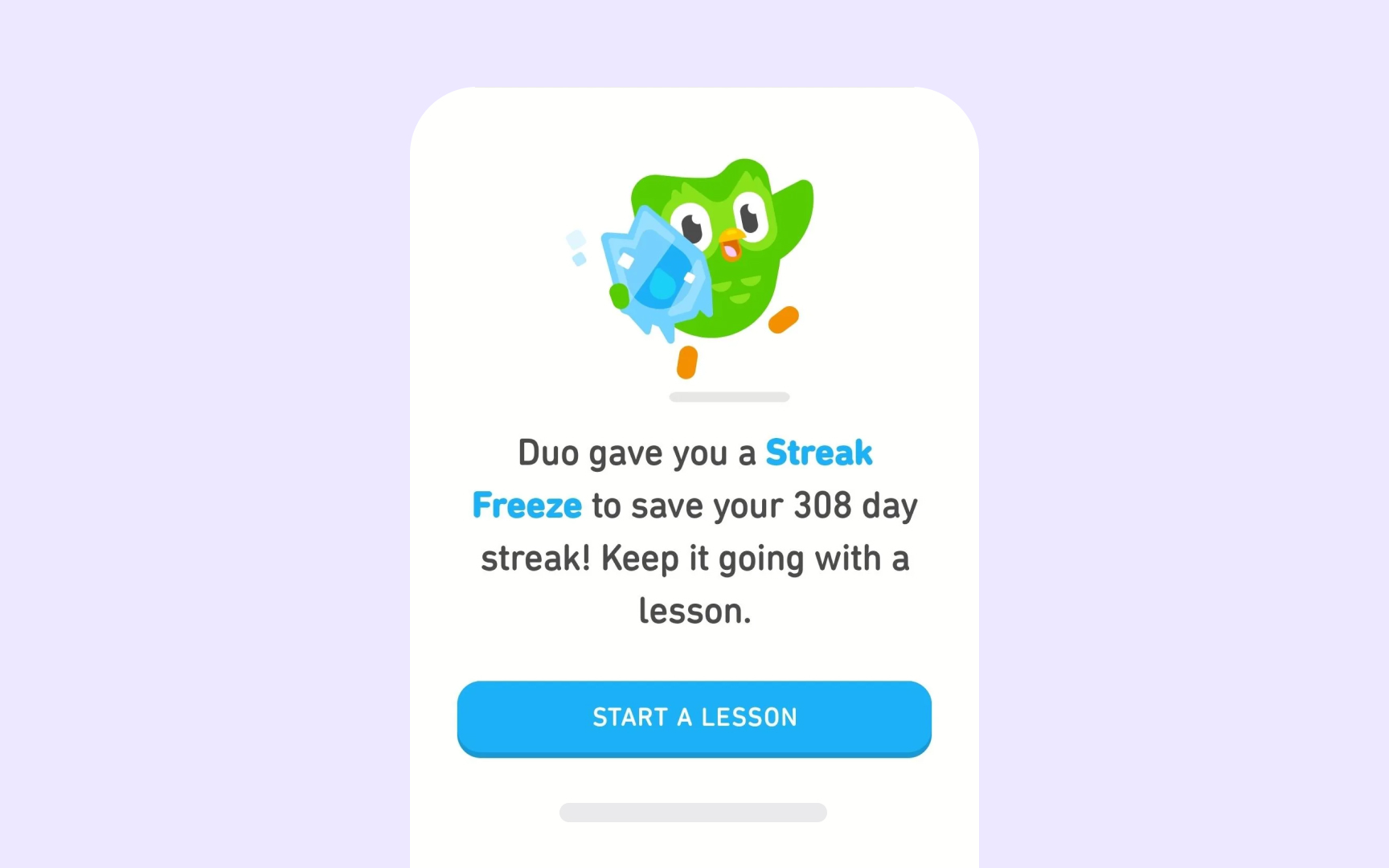

Persuasive design applies behavioral psychology to influence user actions and decisions. Techniques like variable rewards, social proof, and scarcity create powerful motivators that can benefit or manipulate users depending on intent.
Casinos pioneered many methods now common in digital products. For example, variable rewards work like slot machines. Pull-to-refresh mimics the anticipation of gambling, never knowing what content appears next. Snapchat streaks use commitment consistency, making users feel obligated to maintain daily engagement. Red notification badges trigger urgency through color psychology and numerical anxiety. Social proof leverages our tendency to follow others. LinkedIn shows "people also viewed" to encourage profile browsing. Instagram displays like counts to validate content consumption. Scarcity tactics create artificial urgency, like limited-time offers or "only 2 spots left" messages that pressure quick decisions.
These techniques aren't inherently evil but require careful application. Persuasive design becomes manipulation when it serves business goals at user expense. Ethical use means aligning persuasion with genuine user benefit, not just engagement metrics. Product teams must ask whether influence helps users achieve their goals or undermines their autonomy.
Top contributors