Implementing progress tracking systems
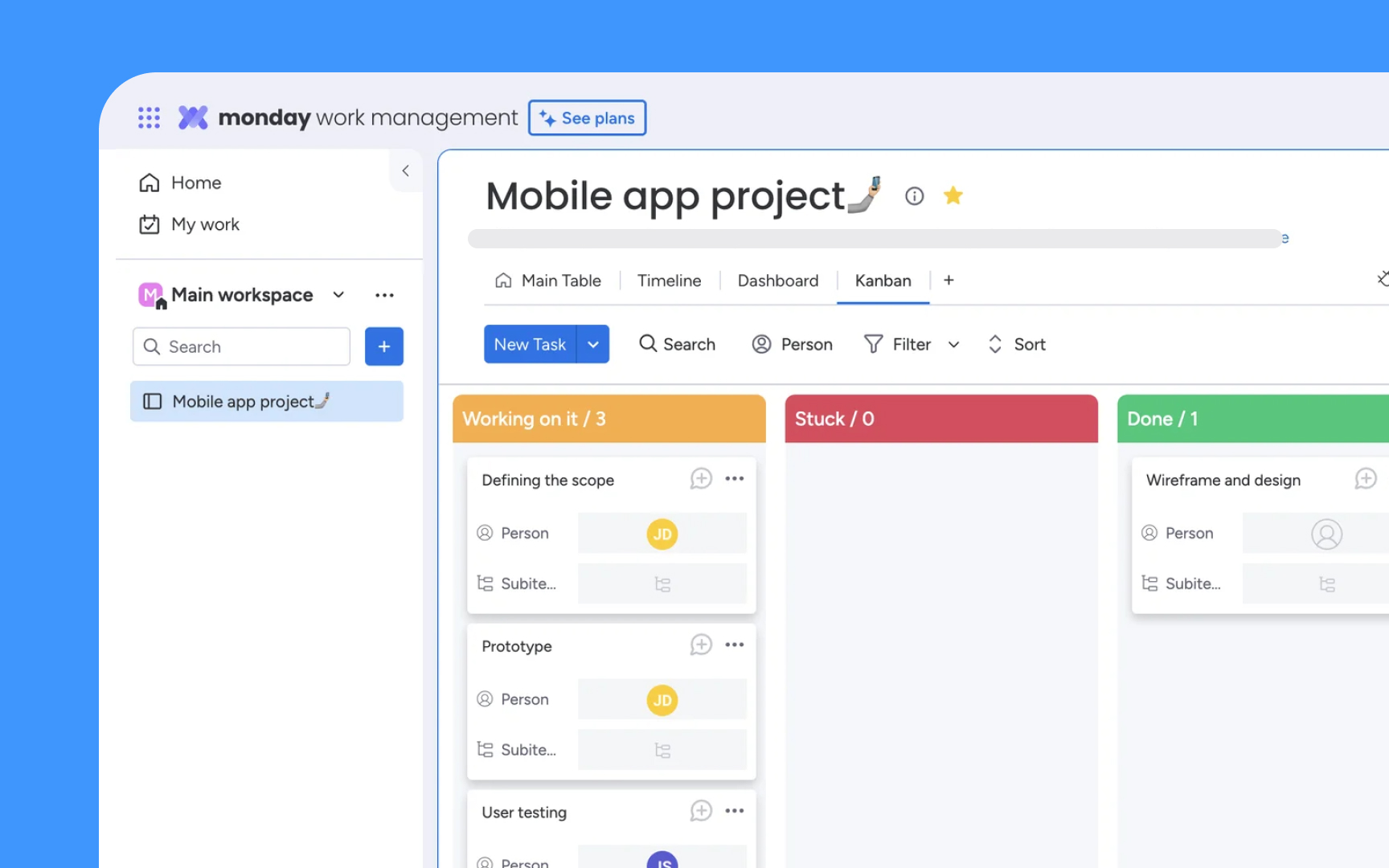
Progress tracking systems show everyone how implementation is going and keep teams accountable. They clearly show what's done, what's being worked on, and what's delayed. Good tracking doesn't just count tasks completed but measures real progress toward your goals.
A well-designed progress tracking system includes:
- Visual dashboards showing overall implementation status
- Regular status update mechanisms (meetings, reports, etc.)
- Clear indicators of on-track vs. delayed items
- Trend analysis to identify recurring bottlenecks
- Documentation of completed milestones and achievements
Progress tracking can use simple tools like shared spreadsheets or more sophisticated project management software like Jira, Trello, or Monday.com. The key is consistency in updates and accessibility for all stakeholders. Regular progress reviews should focus not just on what's behind schedule but also on celebrating achievements and identifying ways to remove obstacles.
Pro Tip: Create a simple weekly "traffic light" report showing green (on track), yellow (at risk), and red (blocked) status for each major implementation area to quickly communicate progress to stakeholders.