Voice and speech recognition
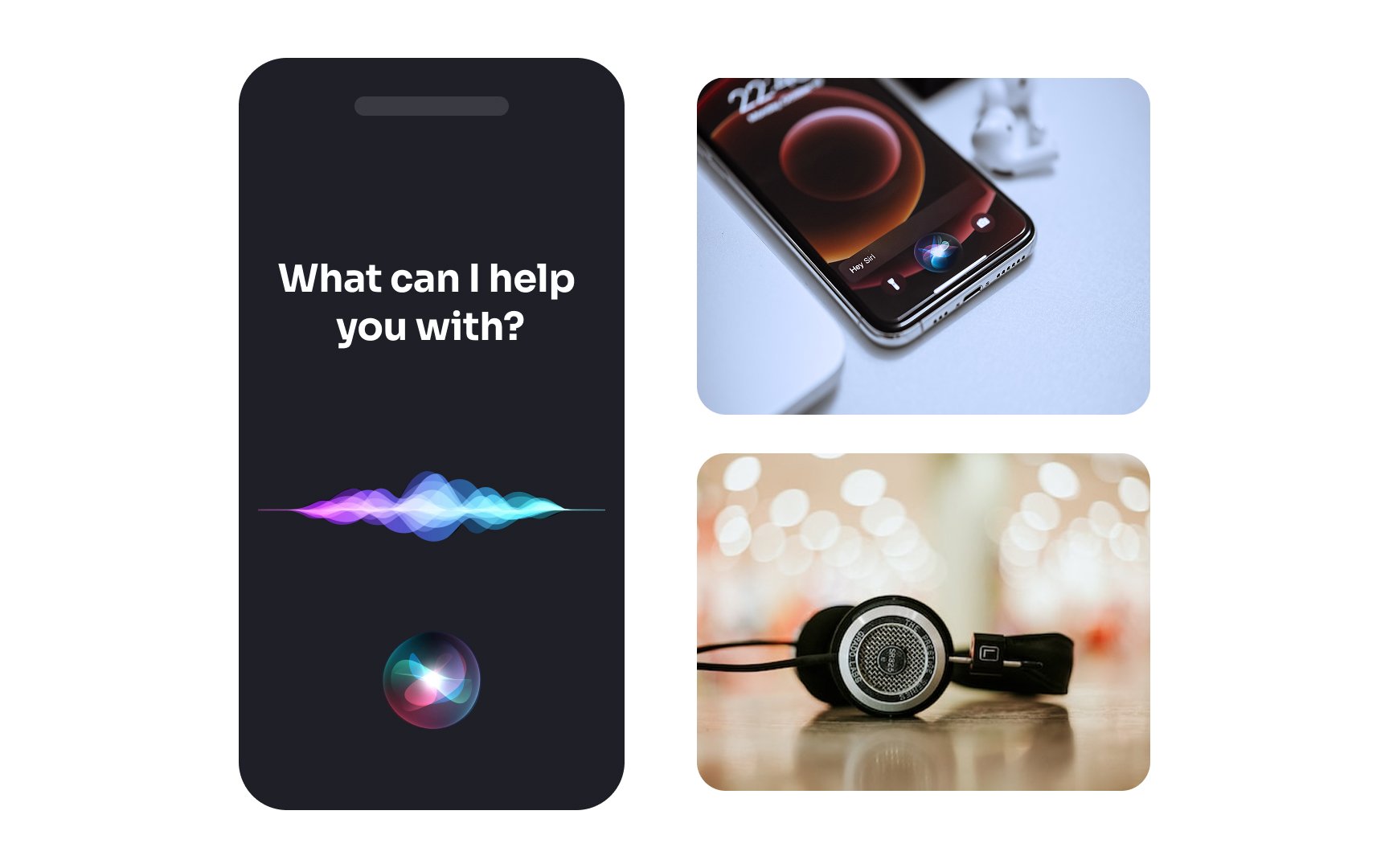
Voice recognition helps people with motor disabilities control their computers and mobile devices by speaking instead of typing or clicking. These tools turn spoken words into computer commands, making it easier for users to work independently with technology.
Here's how voice recognition works:
- Basic function: Converts spoken words into text and commands that computers understand
- Setup process: Users speak into a microphone, and specialized software processes their voice
- Accuracy factors: Works best in quiet spaces with clear speech and proper microphone positioning
- Practical uses: Helps with typing emails, browsing the internet, and controlling smart home devices
While voice recognition can be very helpful, it has some limitations. The software might have trouble understanding speech if:
- Users have conditions that affect how clearly they can speak
- There's background noise in the room
- The microphone quality is poor
- Users speak too quickly or quietly[1]
Image credit: Pegus Digital