Define purpose and set objectives
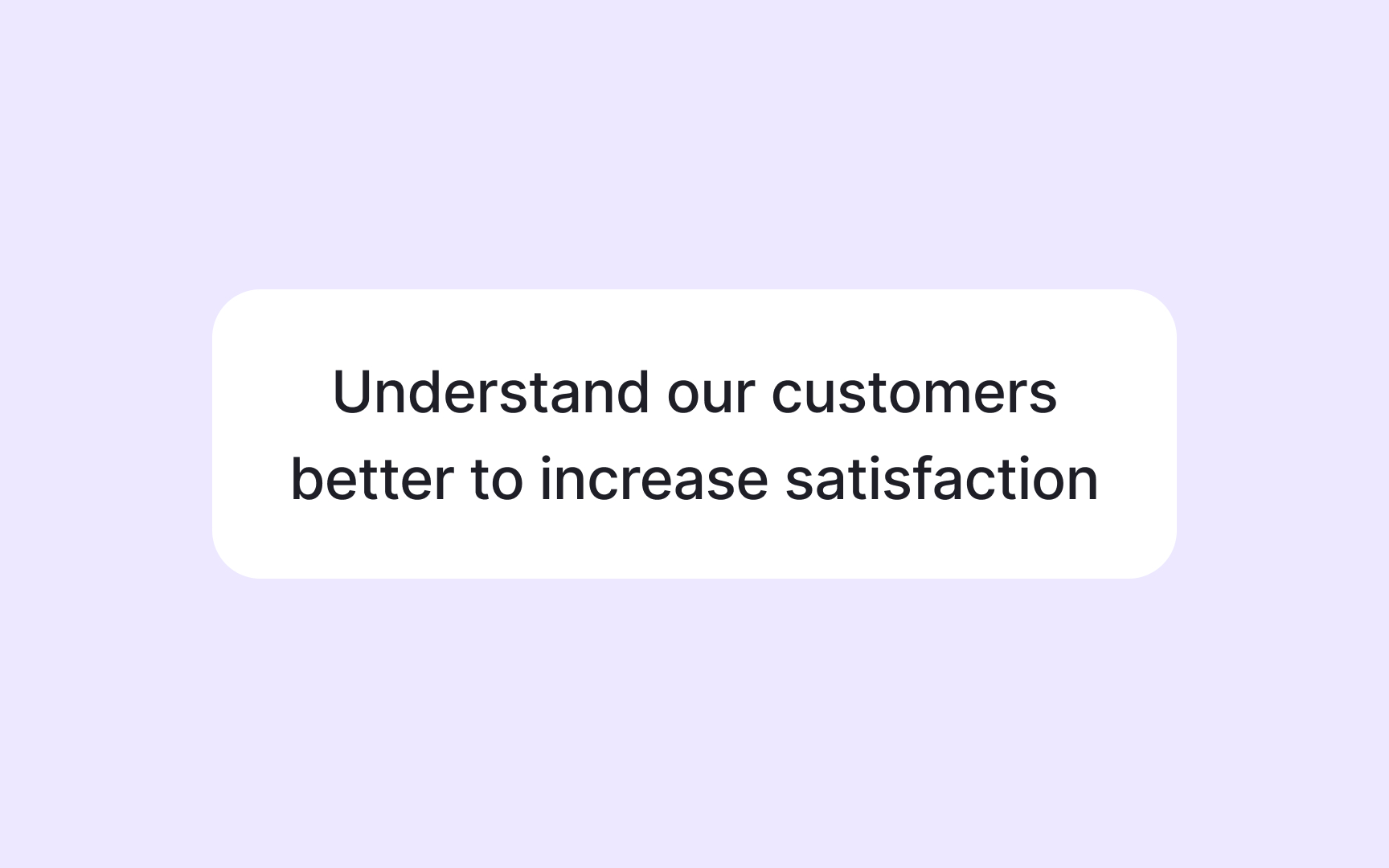
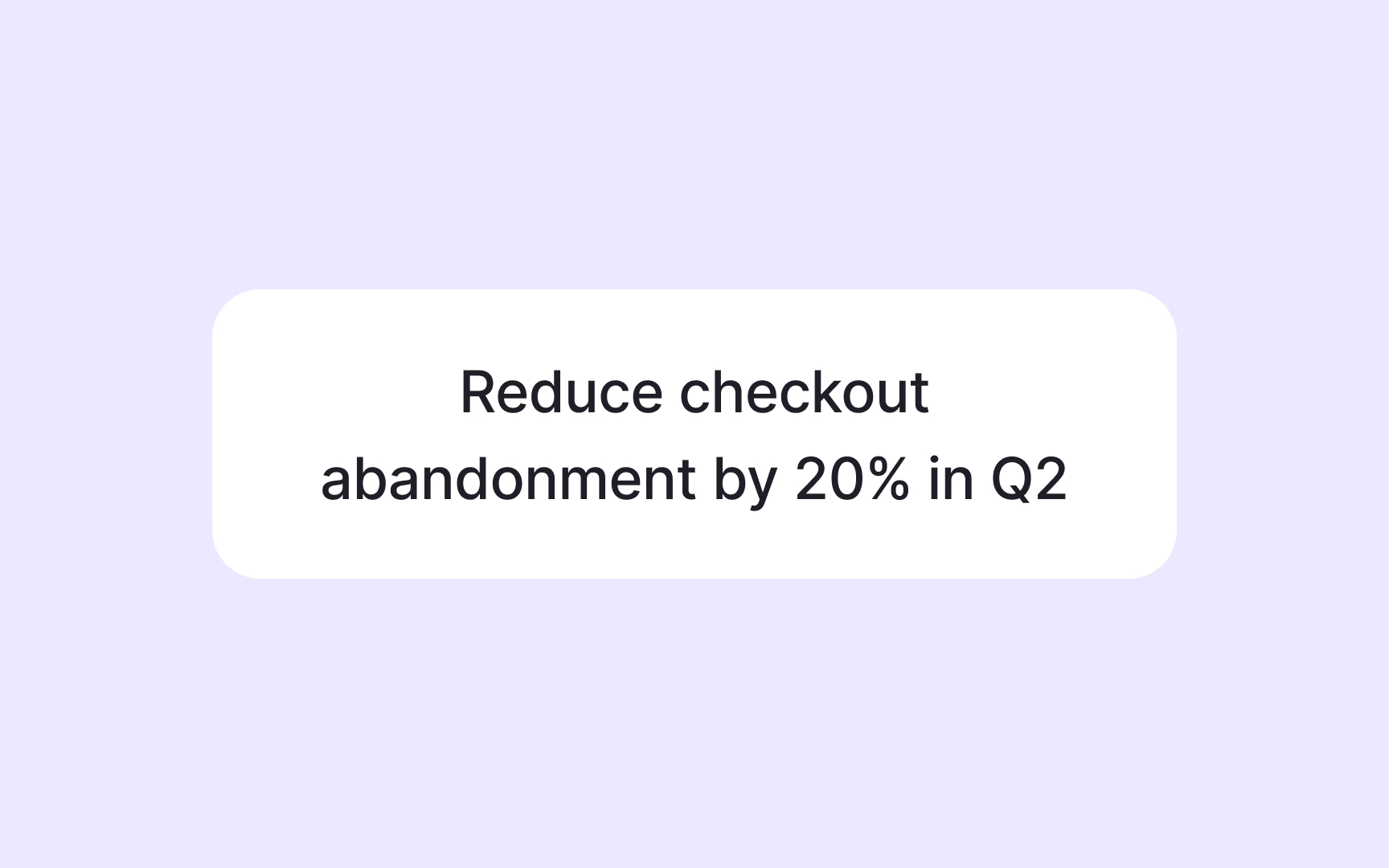
Every customer journey map needs a clear purpose and specific objectives to deliver meaningful results. Purpose defines why you're creating the map, while objectives outline what you'll accomplish to fulfill that purpose. Together, they transform mapping from a creative exercise into a strategic tool that drives action.
A well-defined purpose answers fundamental questions about your goals.[1] It clarifies whether you're trying to reduce checkout abandonment, improve onboarding completion, or identify service gaps. This clarity shapes your entire approach, from data collection methods to stakeholder involvement. Purpose statements should be specific. For example, "Reduce mobile checkout abandonment by 50% by Q2" beats "Understand customers better." Once the purpose is clear, set objectives that are Specific, Measurable, Achievable, Relevant, and Time-bound (SMART).[2] These break the purpose down into steps. For example, "Identify the top 3 checkout steps causing 70% of abandonment by analyzing analytics data within 2 weeks" is a SMART objective.
It’s also important to define which persona you're mapping for. The same product experience can look different across segments: first-time users, power users, or returning customers. Some maps stay generic but highlight where key moments differ by audience. Others go deep into a specific persona. Either way, the audience focus needs to be addressed upfront so the map stays grounded in real user behavior and avoids overgeneralizing the experience.
Pro Tip: Start every mapping session by writing your purpose statement at the top of the board. Reference it whenever discussions drift off track.
References
- Customer Journey Mapping for Business Growth | Oliver West
- How to write SMART goals (with examples) | Work Life by Atlassian