Designing for habit formation
The Hook Model, developed by Nir Eyal, provides a framework for building habit-forming products through four key stages that create features users naturally integrate into their routines.
- Trigger prompts user action through external means like notifications and app icons, or internal motivators like emotions and desires.
- Action is the simplest behavior done expecting a reward. This step should be effortless and immediate, like pulling to refresh a feed or tapping a like button. The simpler the action, the more likely users are to perform it.
- Variable reward keeps users engaged by varying the timing or content of rewards.
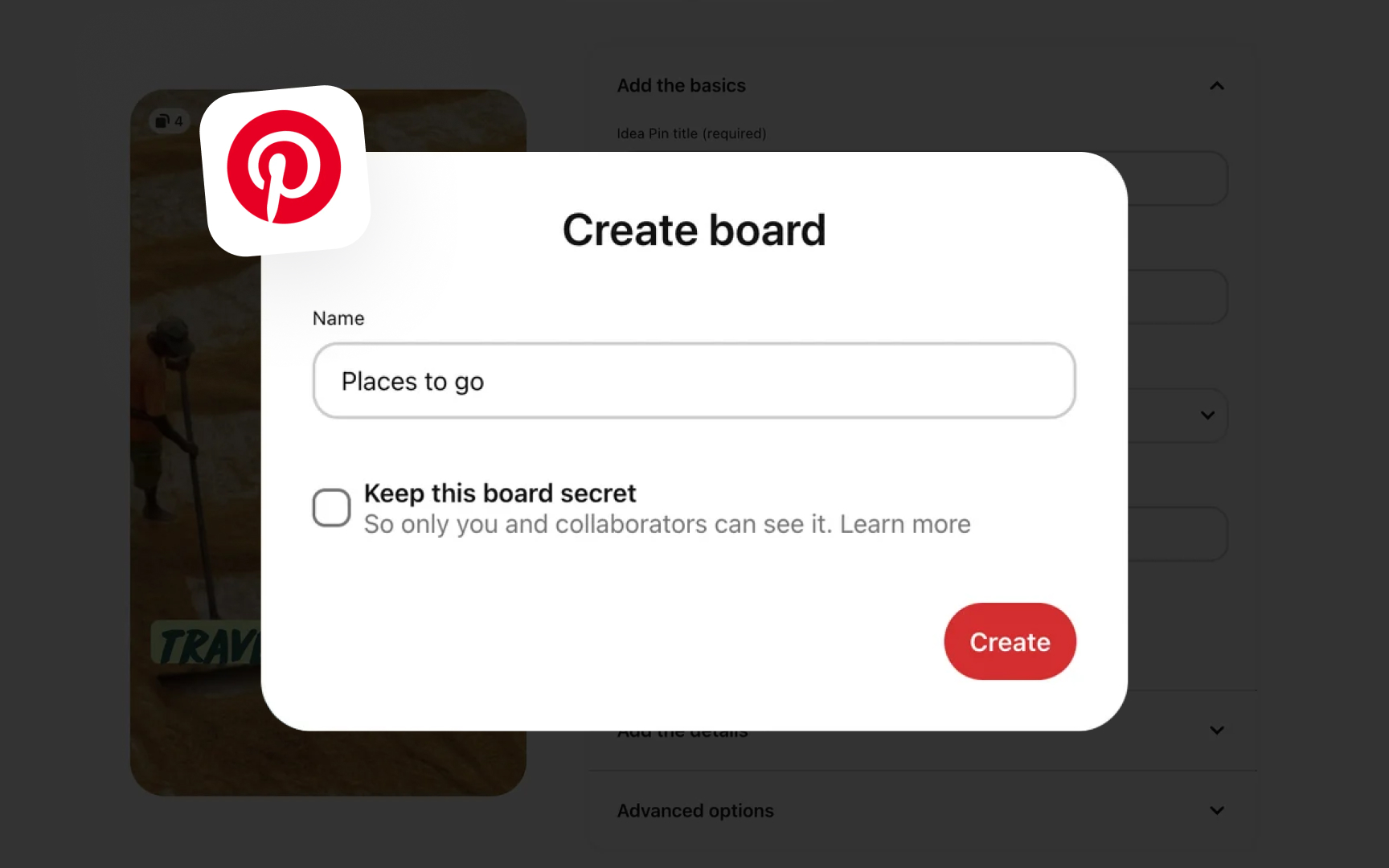
- Investment involves users contributing to improve their future experience. When users invest time or effort, like creating Pinterest boards, they're more likely to return.[1]
Pro Tip: When analyzing successful products, try to identify how they implement each stage of the Hook Model.
References
- The Hooked Model: How to Manufacture Desire in 4 Steps | Nir and Far