Feedback systems for mental model calibration
Well designed feedback helps users understand how AI systems work. These mechanisms show what the system is doing, why, and how trustworthy its outputs are:
- Confidence indicators. Visual elements like confidence bars or labels such as "high confidence" or "speculative" help users know when to trust recommendations. These indicators show users when outputs might need double-checking.
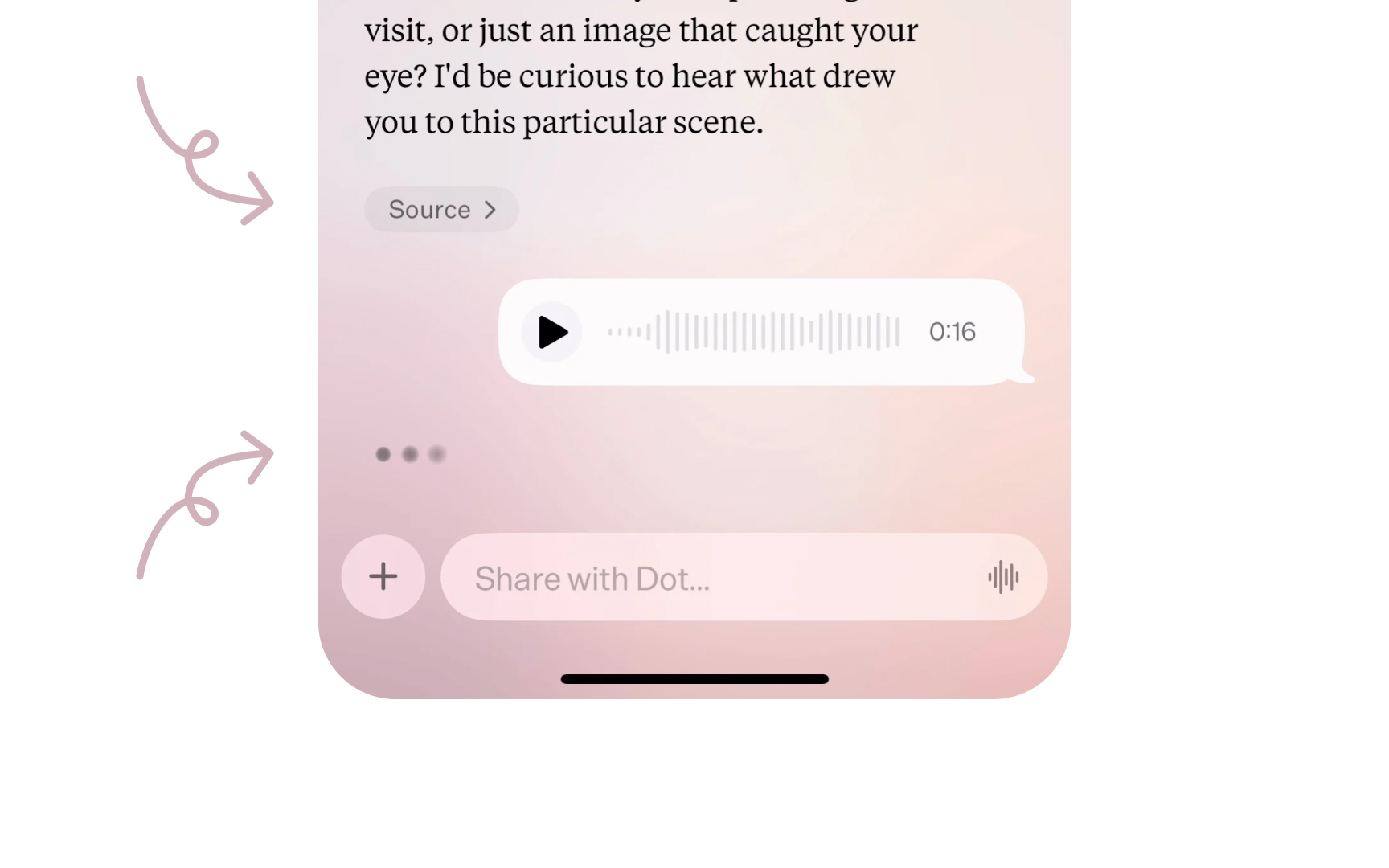
- Source attribution. Showing where information comes from helps users understand AI outputs. When a movie recommendation system displays "Suggested because you watched X", users gain insight into the reasoning process.
- Processing signals. Animations showing the system working not only set timing expectations but also show that actual processing is happening. These visual cues make invisible AI operations visible and remind users of the system's mechanical nature.
- Error explanations. When AI systems make mistakes, clear explanations about why help users learn system limits. Statements like "Limited data available on this topic" teach users more about boundaries than vague apologies do.
Pro Tip: Show users not just what the AI can do, but also what it can't do to fix common misconceptions.