Single Node Swarm

Problem Statement
Content creators and media professionals often face challenges in managing and retrieving large media libraries. Traditional storage solutions are slow, prone to data loss, and lack scalability to accommodate growing libraries. Security concerns surrounding sensitive media content are also significant.
User feedback and market research revealed the need for a more robust and efficient solution. Content creators expressed frustration with slow retrieval times, limited storage capacity, and a lack of security features. This problem statement motivated the development of Single Node Swarm, a secure, scalable, and user-friendly media archive solution.
Objectives and Goals
The primary objectives of Single Node Swarm were:
- Enable fast and efficient media asset retrieval
- Provide robust security measures to protect sensitive content
- Offer a scalable solution that can accommodate growing libraries
- Ensure a user-friendly and intuitive interface
Success criteria were defined based on key performance indicators (KPIs), including:
- Average asset retrieval time reduction by 50%
- User satisfaction rating improved by 30%
Research and Insights
User Research: To gain a deeper understanding of the needs and pain points of content creators, we conducted a comprehensive user research program. This involved conducting user interviews, surveys, and usability testing. These methods provided us with valuable insights into the user workflows, preferences, and challenges they encounter when using existing storage solutions.
Key findings from the user research revealed several key priorities among content creators:
- Fast asset retrieval is crucial to minimize downtime in their workflows.
- Security and data protection are paramount concerns, especially when dealing with sensitive media assets.
- User-friendly interfaces and intuitive workflows are essential for adoption and efficient use.
Based on these findings, we developed user personas to represent key target audiences. These personas helped us gain a deeper understanding of the needs and behaviors of different user groups, allowing us to tailor the design to meet their specific requirements.
Competitive Analysis: To identify opportunities for differentiation and improvement, we conducted a thorough competitive analysis of existing media archive solutions. We analyzed features, functionality, user interfaces, and pricing models of competing solutions to gain a comprehensive understanding of the industry landscape.
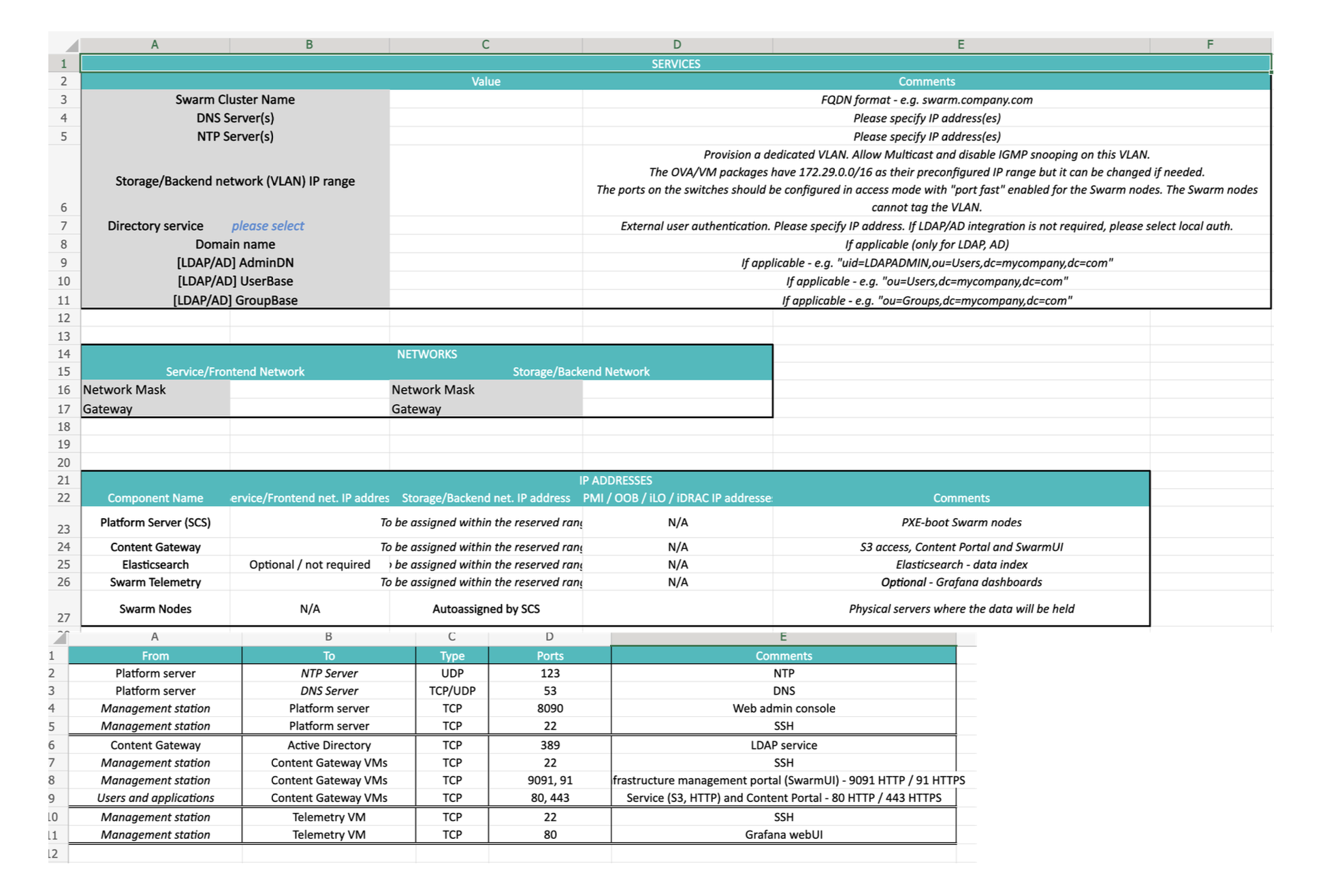
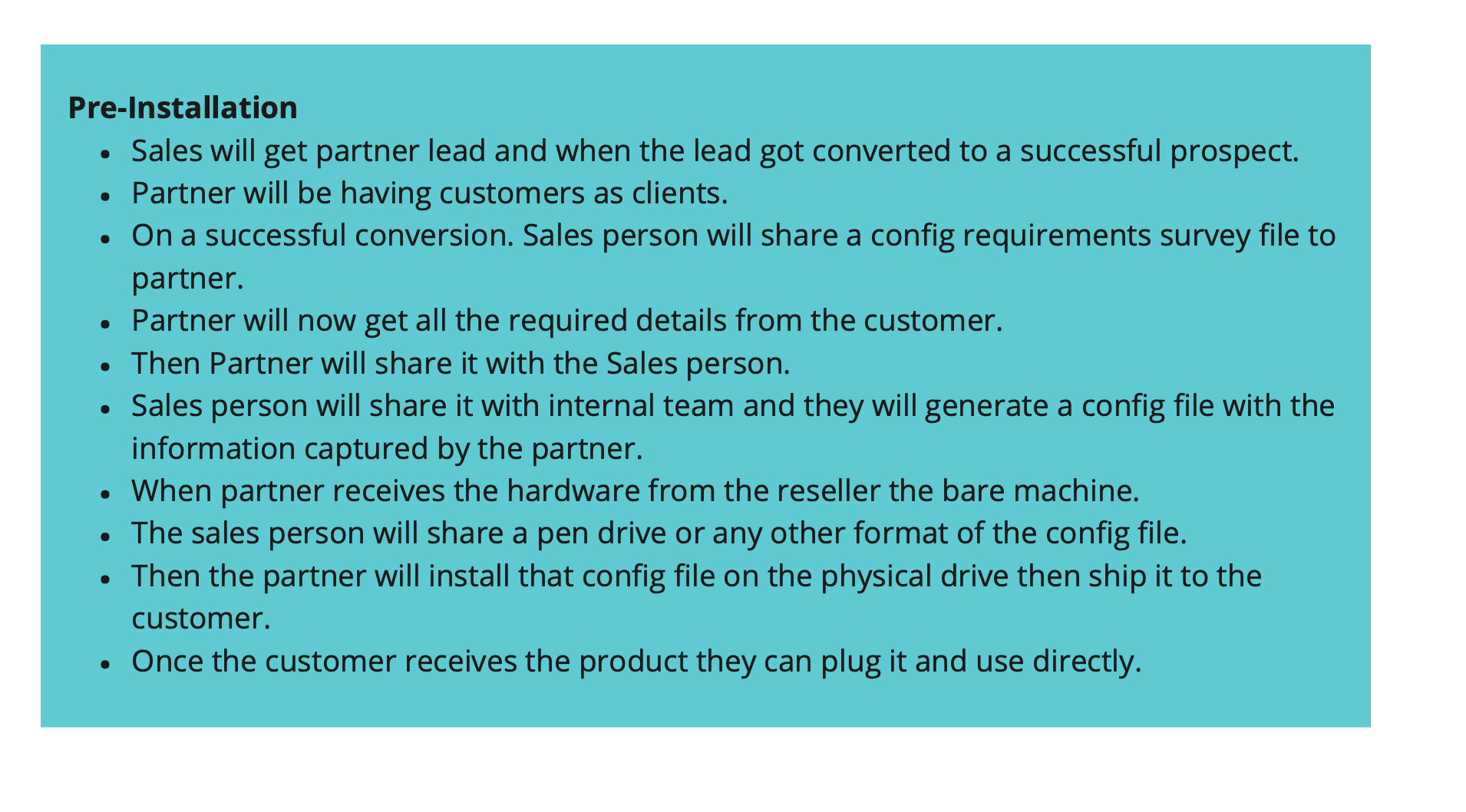
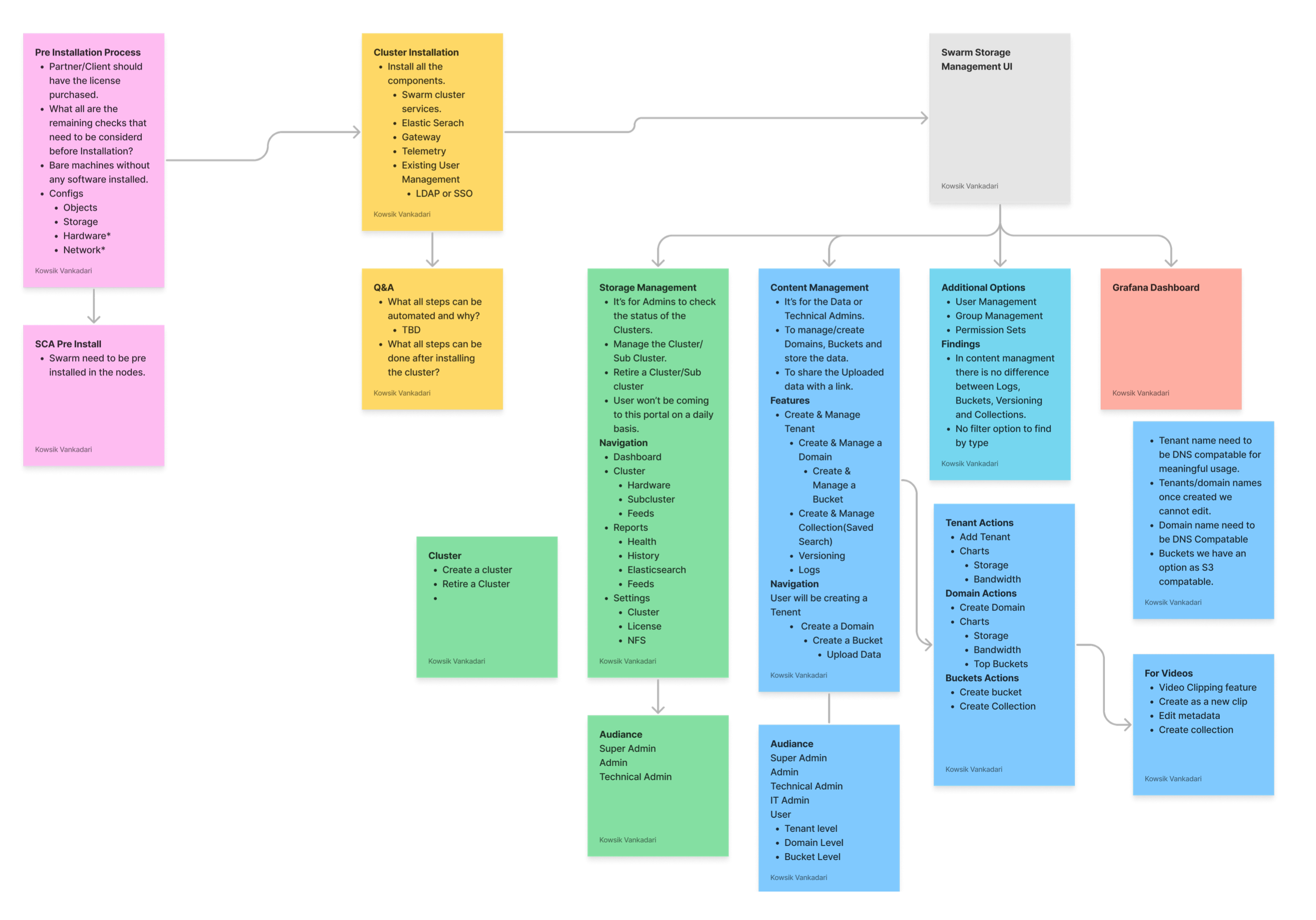
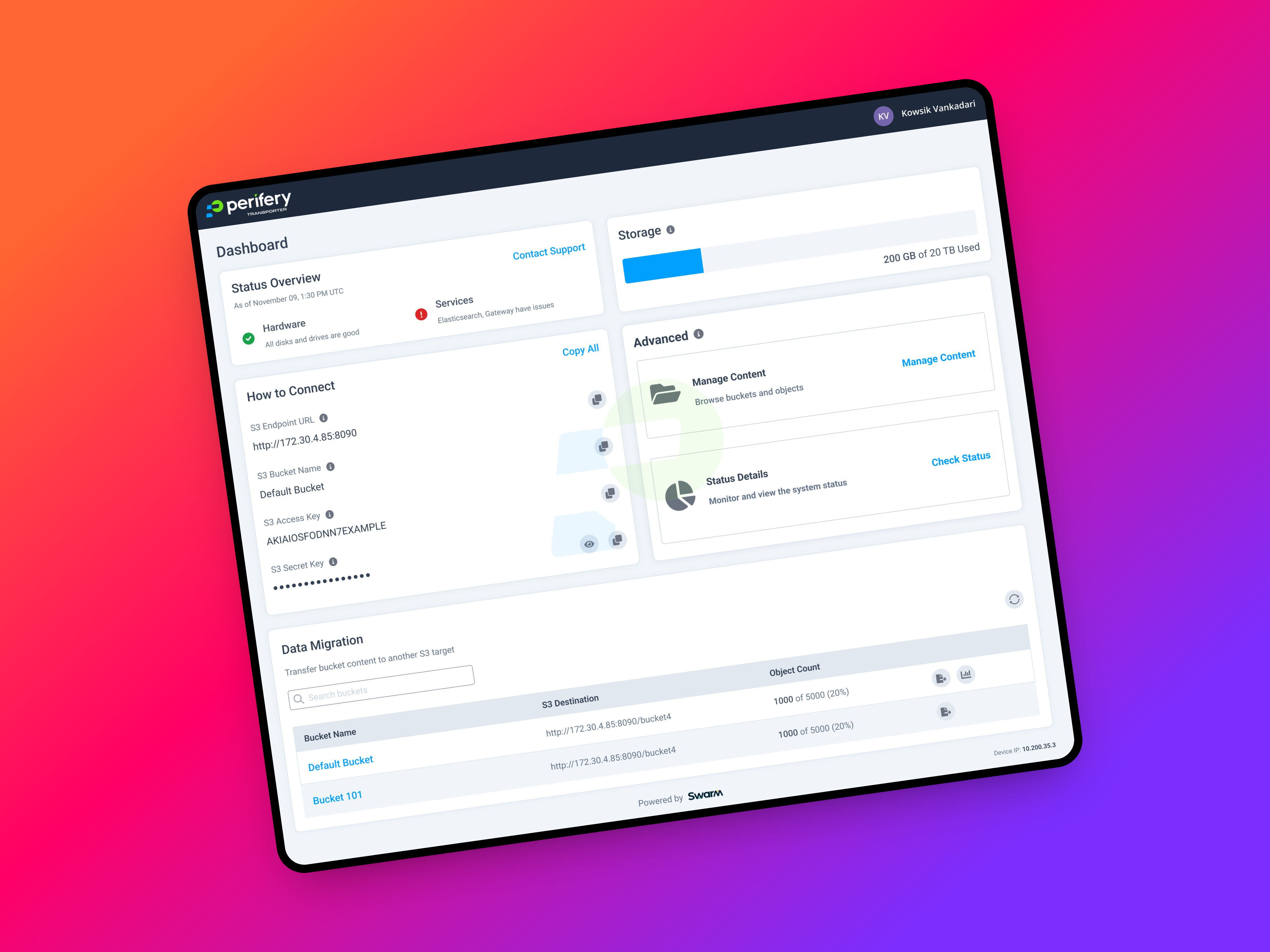
Solution: Single Node Swarm was designed to deliver quick, secure access to media assets, regardless of location. The platform combines resilient storage with advanced search functionality, robust security, and scalable architecture.
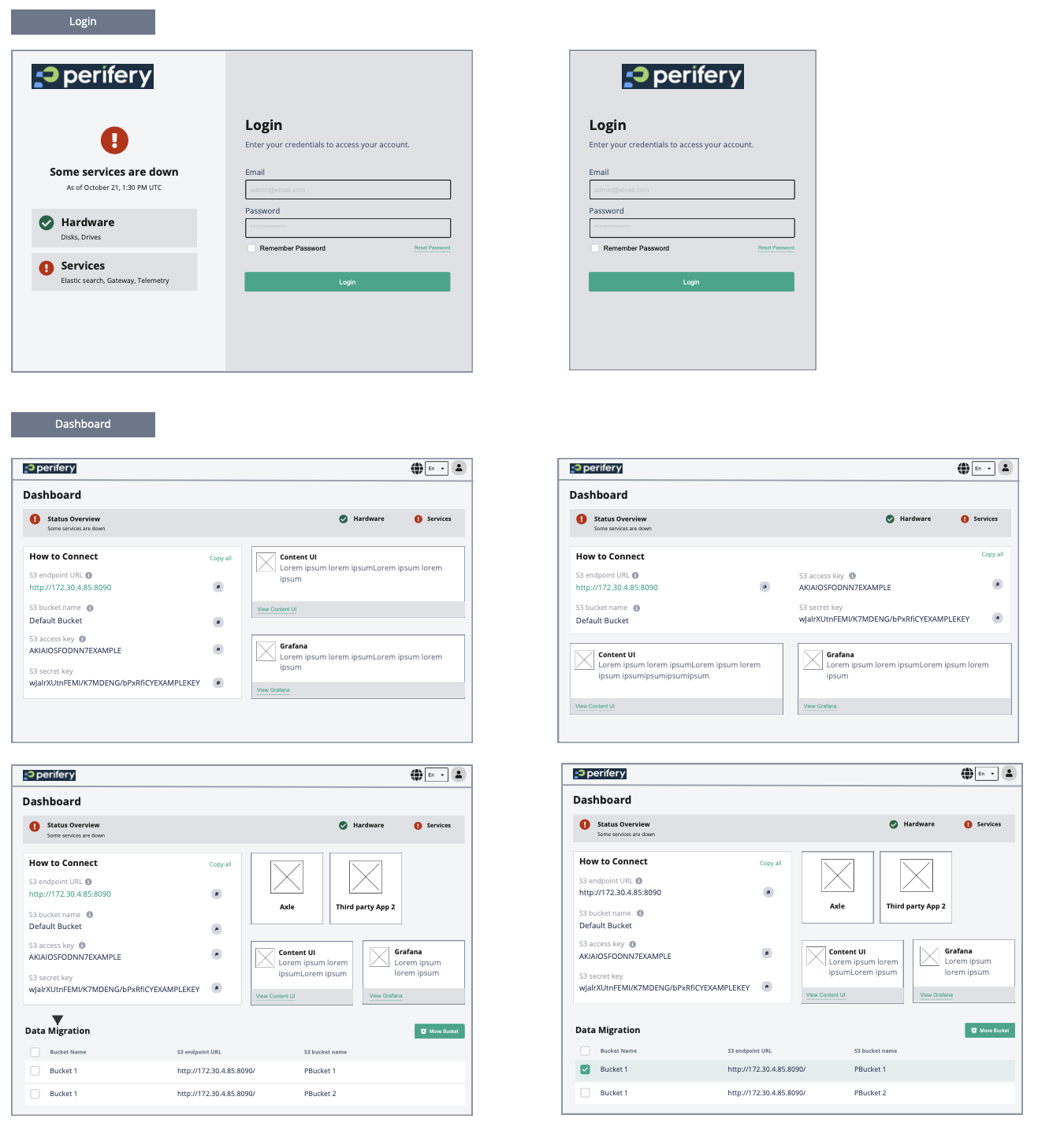
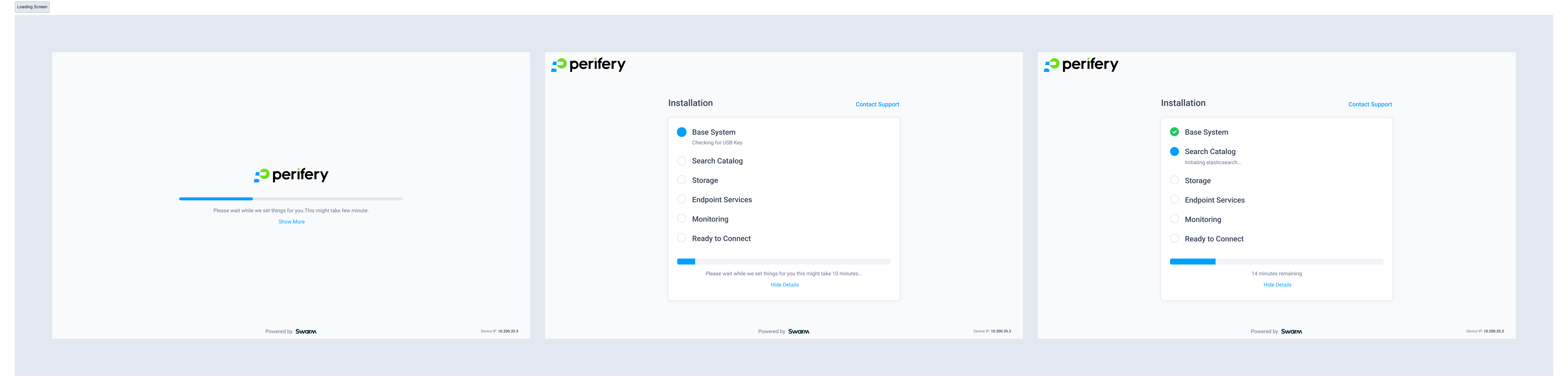


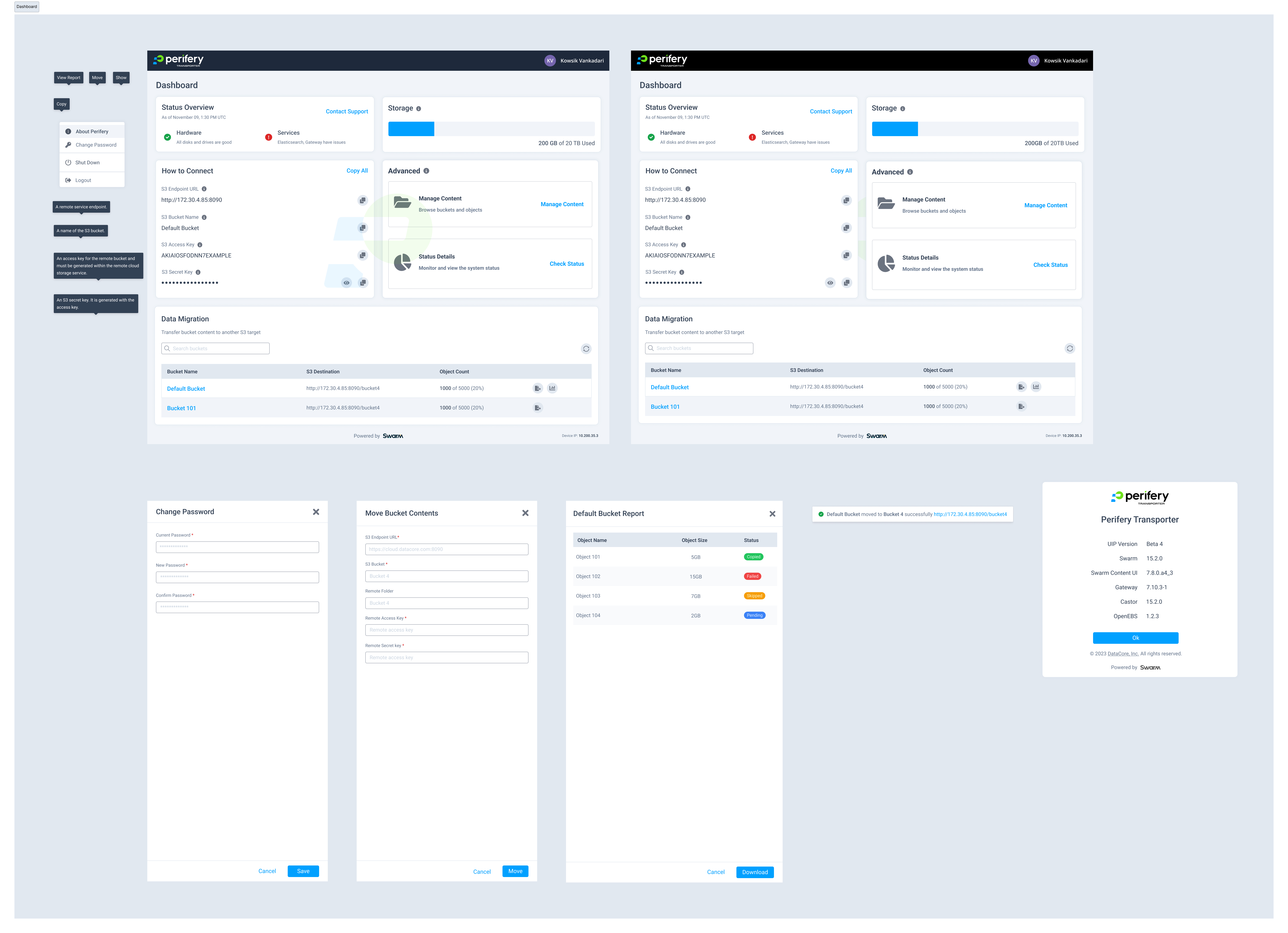
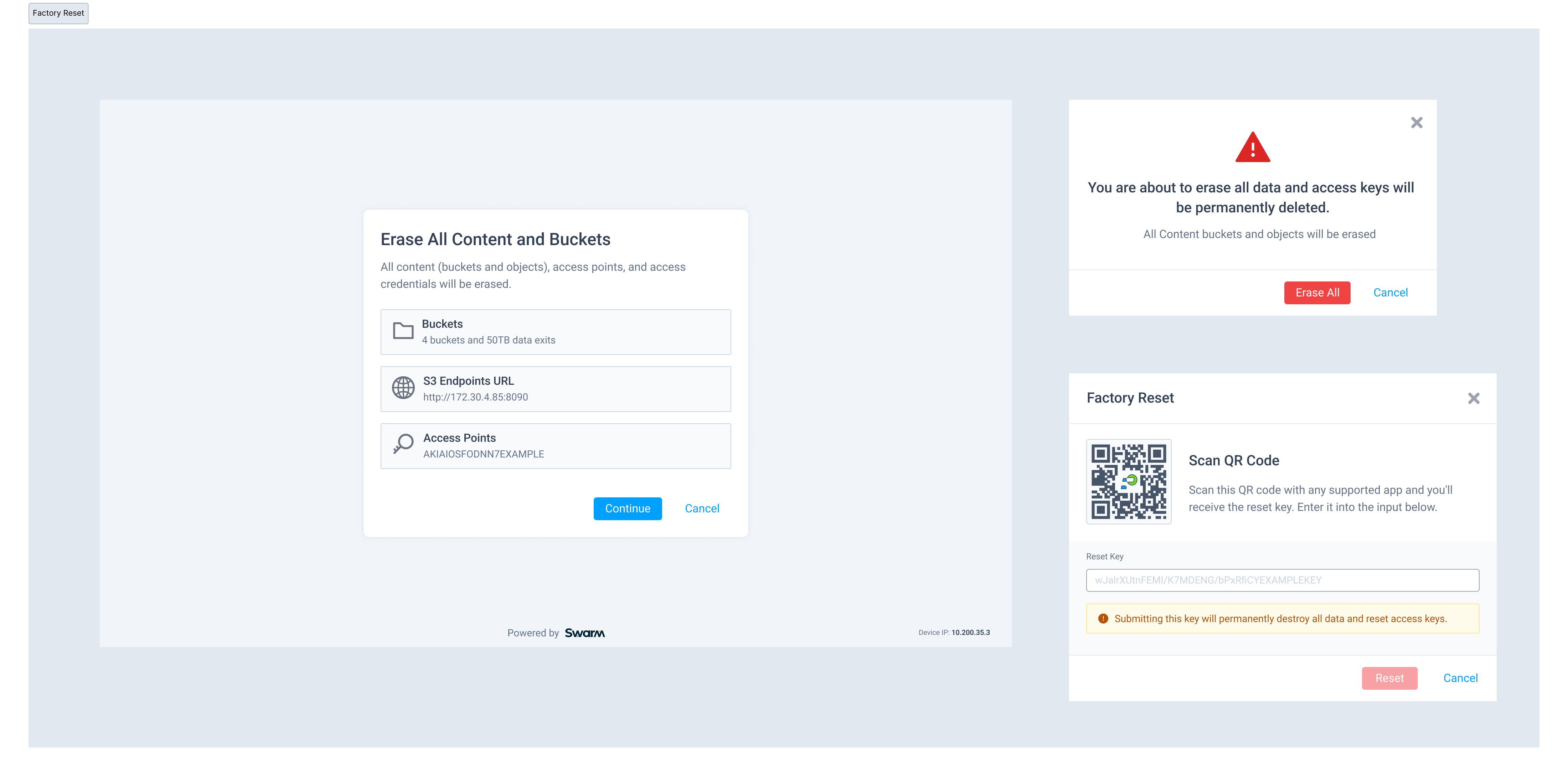
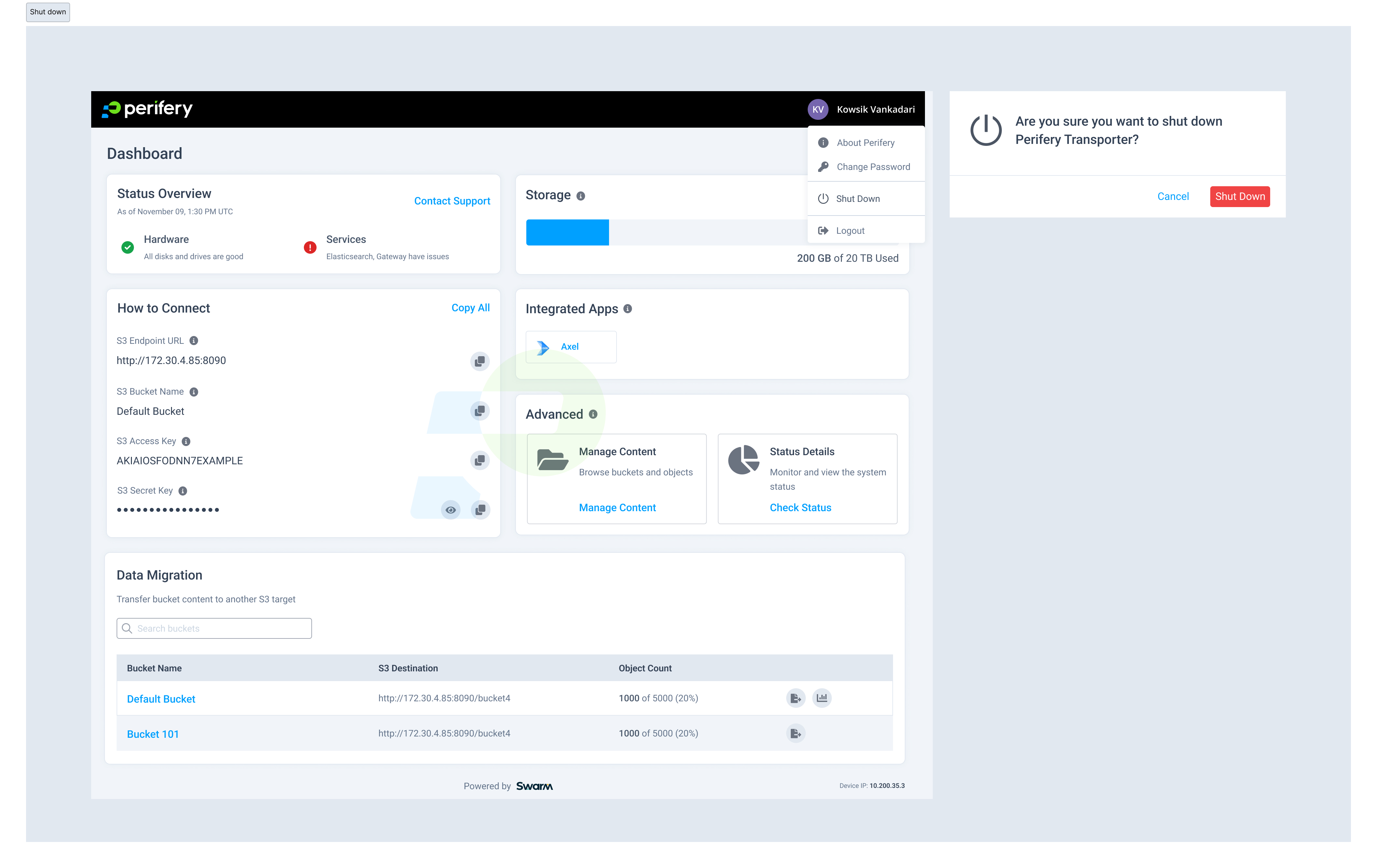
Design Highlights:
- User-Centered Interface:
- Developed a clean, intuitive dashboard for quick access to media files and storage insights.
- Fast Retrieval:
- Optimized for low-latency access, ensuring quick file retrieval, even in remote locations.
- Security:
- Implemented end-to-end encryption and role-based access controls to safeguard sensitive content.
- Scalability:
- Designed for easy expansion, allowing users to scale storage as their needs grow.
Impact:
- Efficiency: 50% faster media retrieval times.
- User Satisfaction: 30% increase in user satisfaction ratings.
- Adoption: High adoption rate among target media companies.
Conclusion: Single Node Swarm successfully addresses the challenges of media asset management with a focus on speed, security, and scalability. The design ensures that media professionals can access and manage their content efficiently, enhancing overall workflow productivity.
Reviews
0 reviews
You might also like

Improving Dating App Onboarding: A/B Test Design

FORM Checkout Flow - Mobile


A/B Test for Hinge's Onboarding Flow


Accessibility Asse


The Fitness Growth Engine


Uxcel Halloween Icon Pack

Popular Courses

UX Design Foundations


Leadership Mastery


User Psychology