Provide meaningful navigation
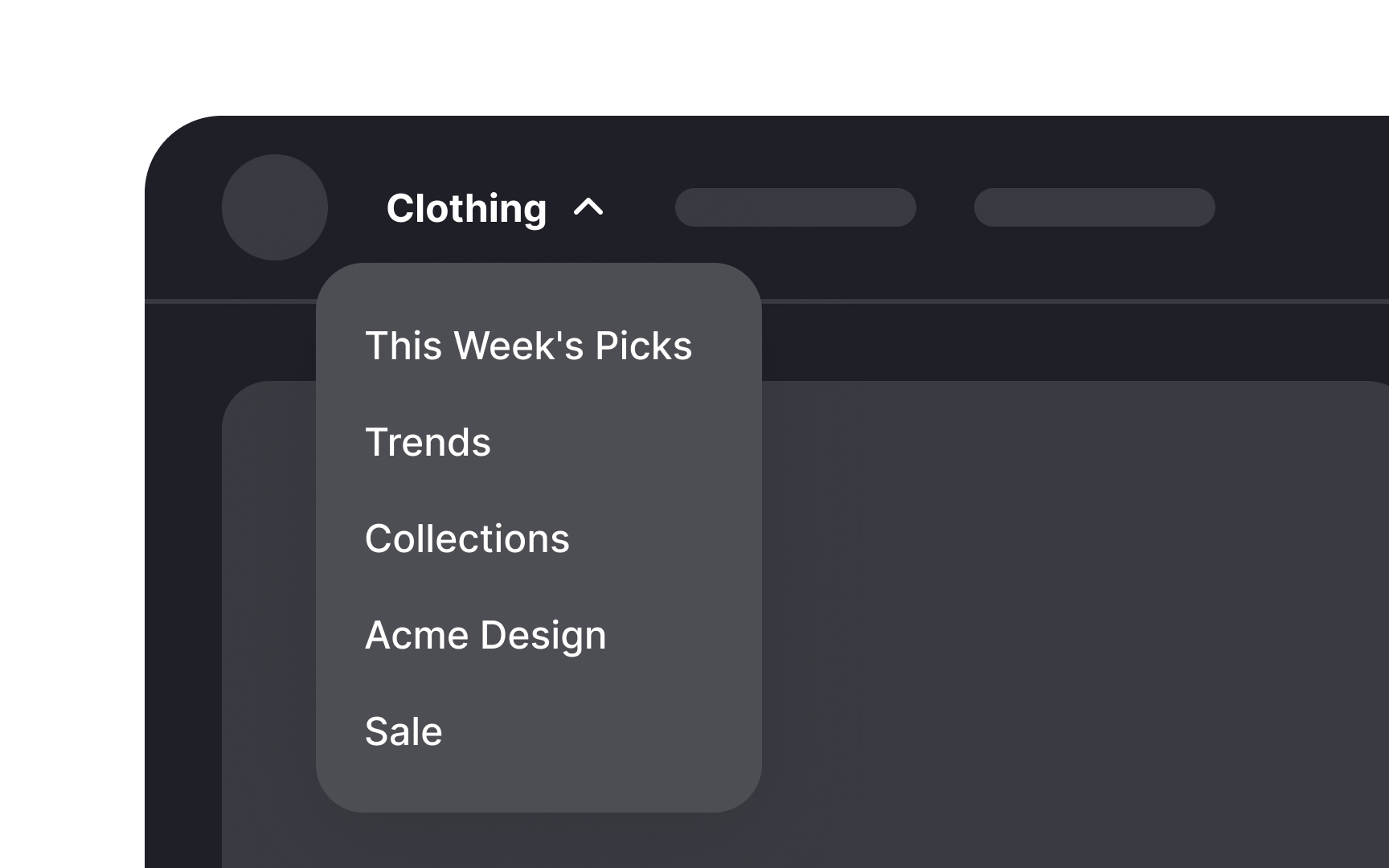
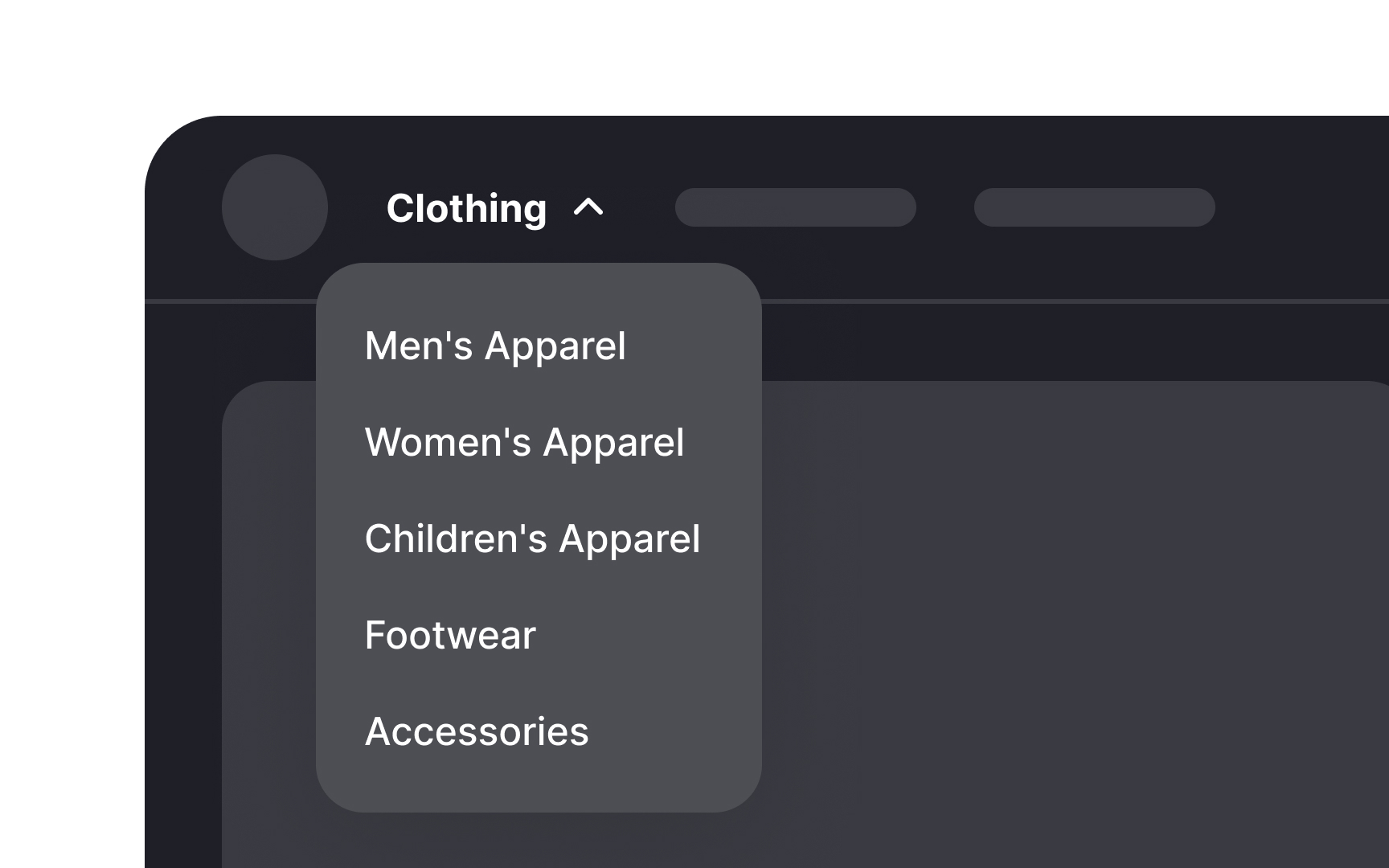
Clear and meaningful navigation significantly enhances user trust. When users encounter labels that adhere to their expectations and reflect their own language, their confidence in the website increases. For example, an online grocery store with straightforward labels like "Fruits & Vegetables” and “Dairy" is more likely to gain user trust compared to one using metaphorical but confusing labels such as "Farm Finds" or "Daily Dollops."
Here are a few tips to refine navigation:
- Use straightforward, familiar terms: In addition to conducting user research like surveys or interviews, analyzing user reviews and feedback is a simpler, cost-effective method to understand the terminology your audience uses.
- Organize items logically: Employ methods like card sorting, where users categorize information in a way that makes sense to them, to help structure the site’s content effectively.
Observing real users as they navigate the site and analyzing site analytics can help identify confusing elements and areas for improvement. These insights ensure that navigation is not only user-friendly but also builds trust by being intuitive and aligned with user needs.[1]
References
- Trustworthiness in Web Design: 4 Credibility Factors | Nielsen Norman Group
Top contributors