The Transparency–Trust Cycle in Stakeholder Relationships
Show how steady, honest communication creates trust that grows stronger with every interaction.
Transparency is more than sharing updates. It is the steady habit of saying what is happening, why it is happening, and what might change next. When this becomes part of everyday work, people stop guessing and start feeling more comfortable with one another.
Trust grows when information is clear, timely, and easy to understand. When teams explain the reasons behind decisions, name the constraints honestly, and acknowledge feedback, they send a simple message: “We want you to understand how things really work.” This reduces the uncertainty that often leads to frustration or resistance.
The trust cycle begins once openness creates predictability. Predictability helps people speak up earlier and with more confidence. These early conversations prevent small concerns from becoming big problems. Over time, relationships feel safer, decision-making becomes smoother, and even difficult news becomes easier to handle because people know you won’t hide anything from them.
Transparency becomes meaningful when it is part of everyday work rather than an occasional update. It helps people understand what is happening, why certain actions are taken, and how decisions are shaped. When information is shared in plain language and without unnecessary filters, stakeholders begin to feel that they are included in the process instead of standing outside it. This sense of visibility builds early confidence.
Transparency also supports trust because it reduces the feeling that something important might be hidden. The workplace research shows that people rely on openness to feel safe and to make sense of change. When leaders share goals, constraints, and reasoning in a straightforward way, they show positive intent and reliability. These qualities help relationships grow stronger over time and make cooperation easier.[1]
Another part of transparency is the ability to communicate consistently. Predictable communication shows that teams are willing to keep others informed even when situations are uncertain. This regularity keeps expectations aligned and prevents confusion. When transparency is treated as a practice that needs continuous care, it becomes a foundation for healthier collaboration.
Pro Tip: Share information in simple language so users understand both the situation and the intent behind decisions.
Predictability is one of the strongest signals that a relationship is
Predictability also strengthens confidence in leadership. When commitments are met and communication is steady, stakeholders can rely on those leading the work to stay accountable. Even if plans shift, predictable communication helps people adjust because they receive updates in a timely way. The workplace
Predictability becomes even more important when information is complex or decisions affect many groups. Clear expectations prevent guesswork and lower the emotional pressure that comes with ambiguity. When people see that information arrives regularly, even during challenges, they feel respected and included.
Pro Tip: Keep updates regular even when nothing major has changed. Steady communication builds more trust than perfect outcomes.
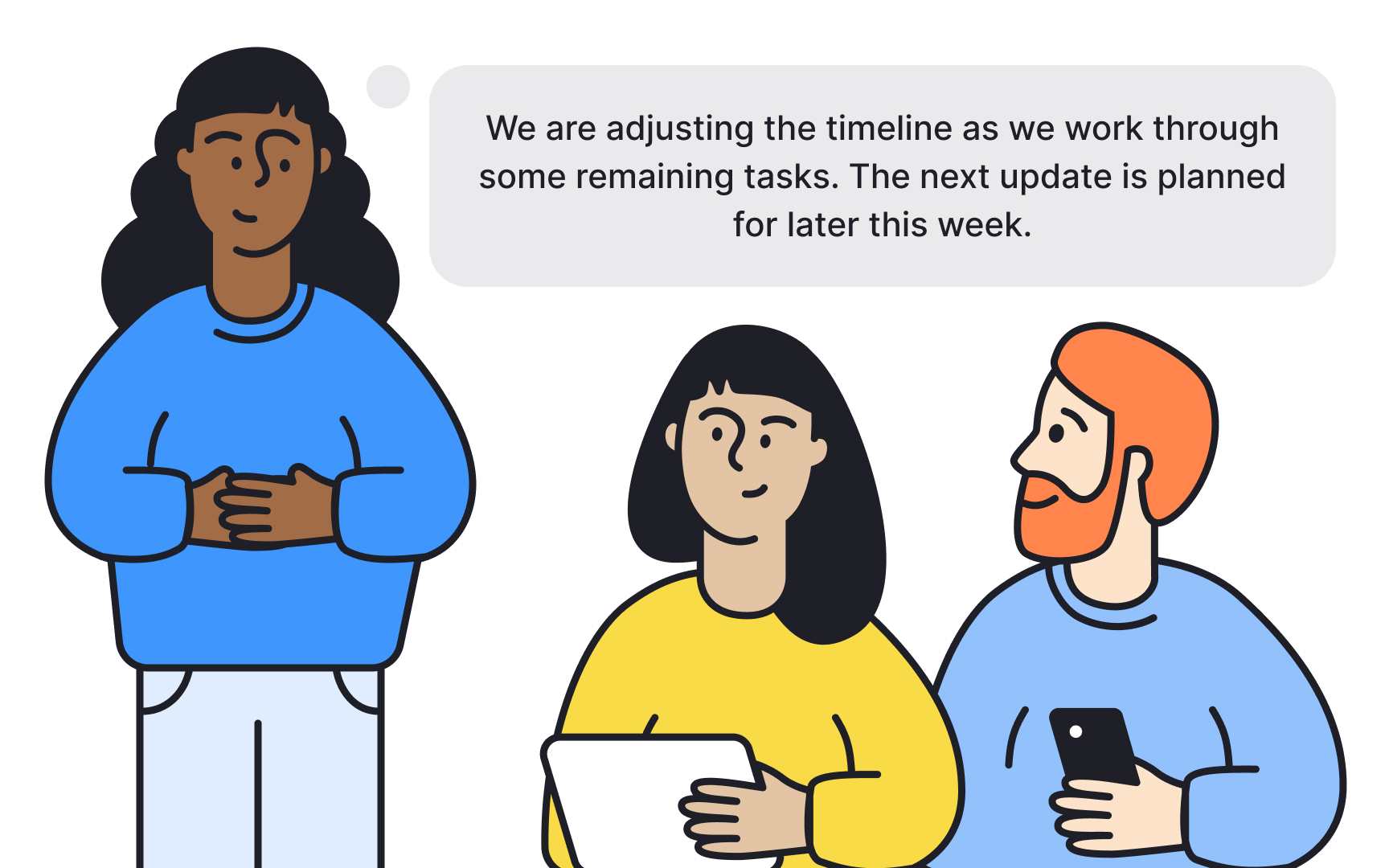
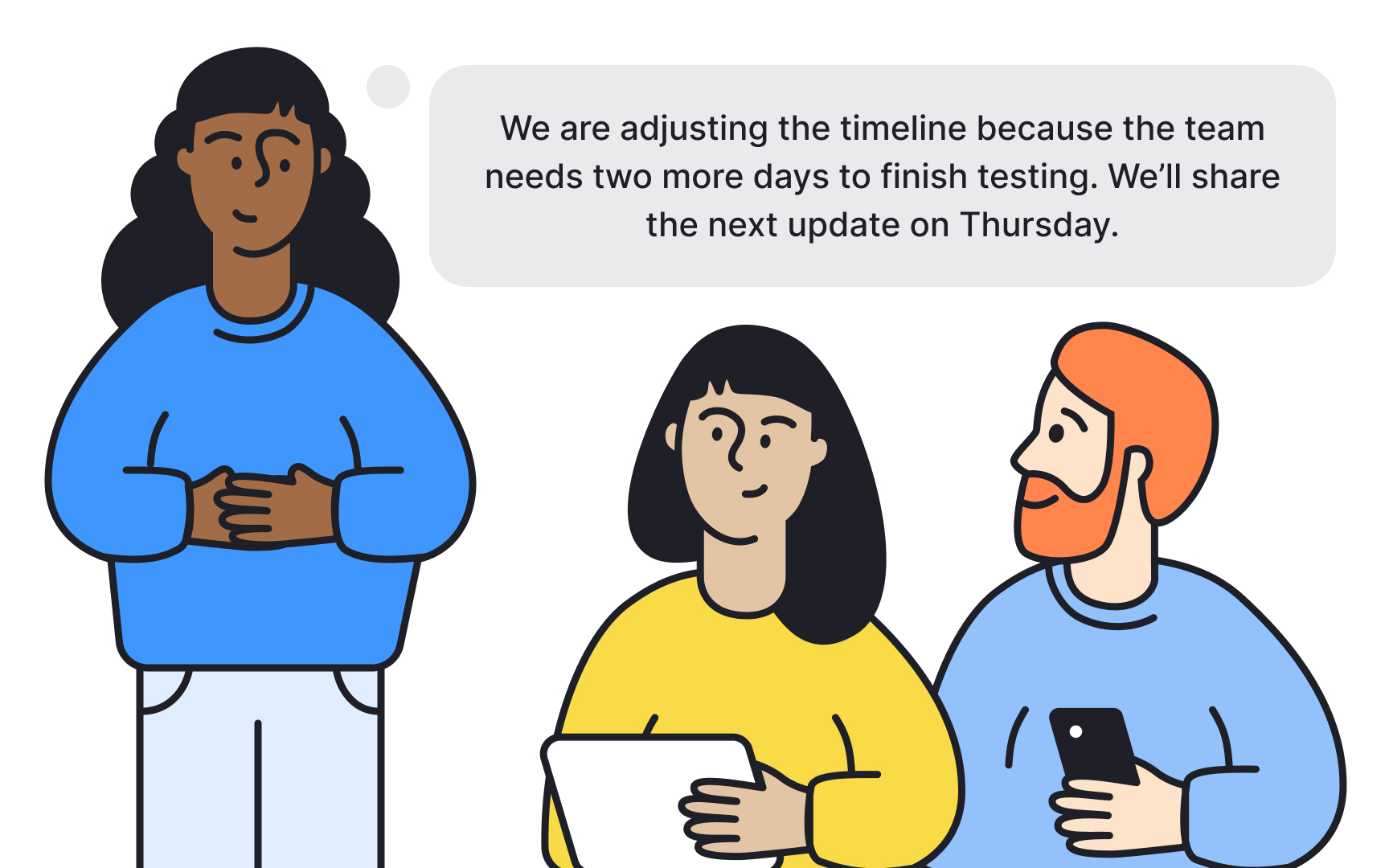
Sharing reasoning in a simple and direct way helps people understand decisions without feeling overwhelmed. The
Clear reasoning also prevents confusion when decisions affect many people. A short explanation of what changed and why gives stakeholders a fair chance to understand the full picture. It lowers the need to guess or read between the lines. When people understand the logic behind a decision, even difficult updates feel more manageable.
Asana, for instance, publishes minutes from its board meetings so workers can see why certain decisions were made and what the intentions are. This simple act shows how clarity turns decisions into something people can understand and trust.
Timeliness strengthens this effect. When explanations arrive before confusion spreads, teams stay aligned and focused. Regular, concise communication keeps people informed without overwhelming them.
Pro Tip: A short, timely explanation often does more for trust than a long, detailed update.
Psychological safety grows when people feel they can speak without fear of judgment or harm. Trust
Openness reduces the worry that mistakes or concerns will be used against someone. When leaders communicate with empathy and describe decisions in a human way, people sense that their well-being is valued. This lets them contribute earlier and with more confidence, which leads to faster problem solving and more collaborative behaviour.
Psychological safety also relies on consistency. When communication stays open during calm moments and challenging ones, users feel they can trust the environment. With fewer unknowns and clearer expectations, it becomes easier for everyone to express concerns, ask questions, or share feedback without hesitation.
Transparency supports trust, but sharing every detail without limits can create new problems. Too much visibility can lead to information overload when people receive more data than they can reasonably process. For example, large sets of unfiltered monitoring data, such as keyboard activity or location tracking, can feel overwhelming or intrusive instead of helpful.
Some types of information also need careful protection. Modern tools can capture details about how people behave or communicate. When these signals are shared too broadly or without enough context, individuals may feel exposed or worry that normal actions will be misread. Keeping this kind of data aggregated or anonymised helps protect privacy while still offering useful insight.
Clear boundaries keep transparency helpful rather than heavy. When teams limit sharing to information that truly supports understanding and decisions, people can focus on what matters. This balance allows trust to grow while avoiding unnecessary noise or stress.
Pro Tip: Share only the information that helps people act or understand. Extra detail often adds confusion instead of clarity.
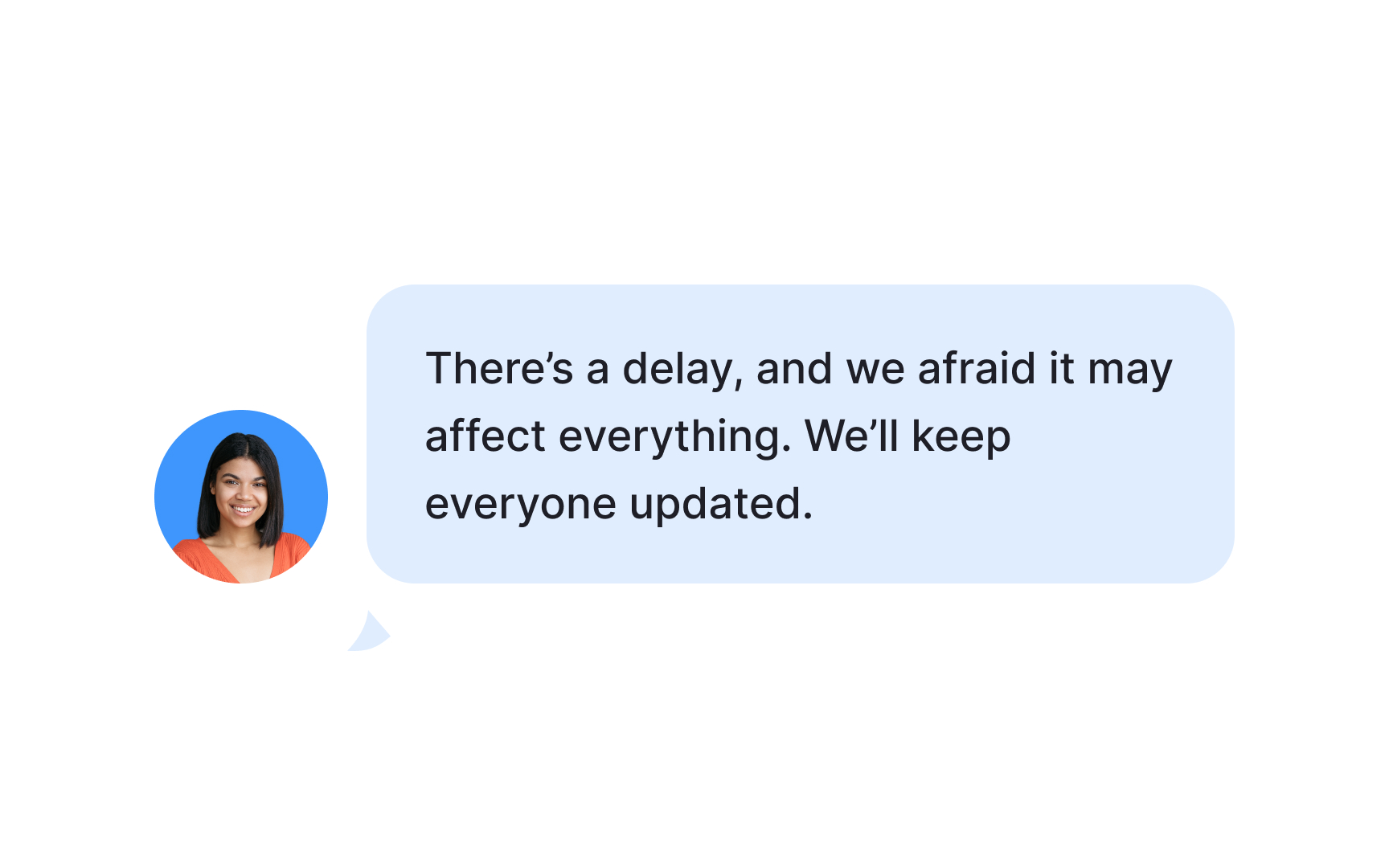

Openness becomes even more important when things get difficult, but it needs to feel calm and supportive. People stay grounded when they receive updates that are simple, timely, and easy to understand. A short message that explains what happened, what it means, and what the team will do next can prevent unnecessary stress.
Uncertainty grows when information arrives late or feels incomplete. Clear updates help people see that the situation is being handled rather than hidden. This builds confidence even when the news is not ideal. For example, when organisations share data about workplace changes without enough context, workers may start to imagine worst-case scenarios. A small amount of clarity early on makes the whole situation feel safer.
Fairness also plays a role. Sensitive details need careful handling because they can easily lead to confusion or misinterpretation. Focusing on the essential facts and the next planned actions keeps the message honest without overwhelming people. When teams communicate challenges with this balance, trust stays intact during uncertain moments.
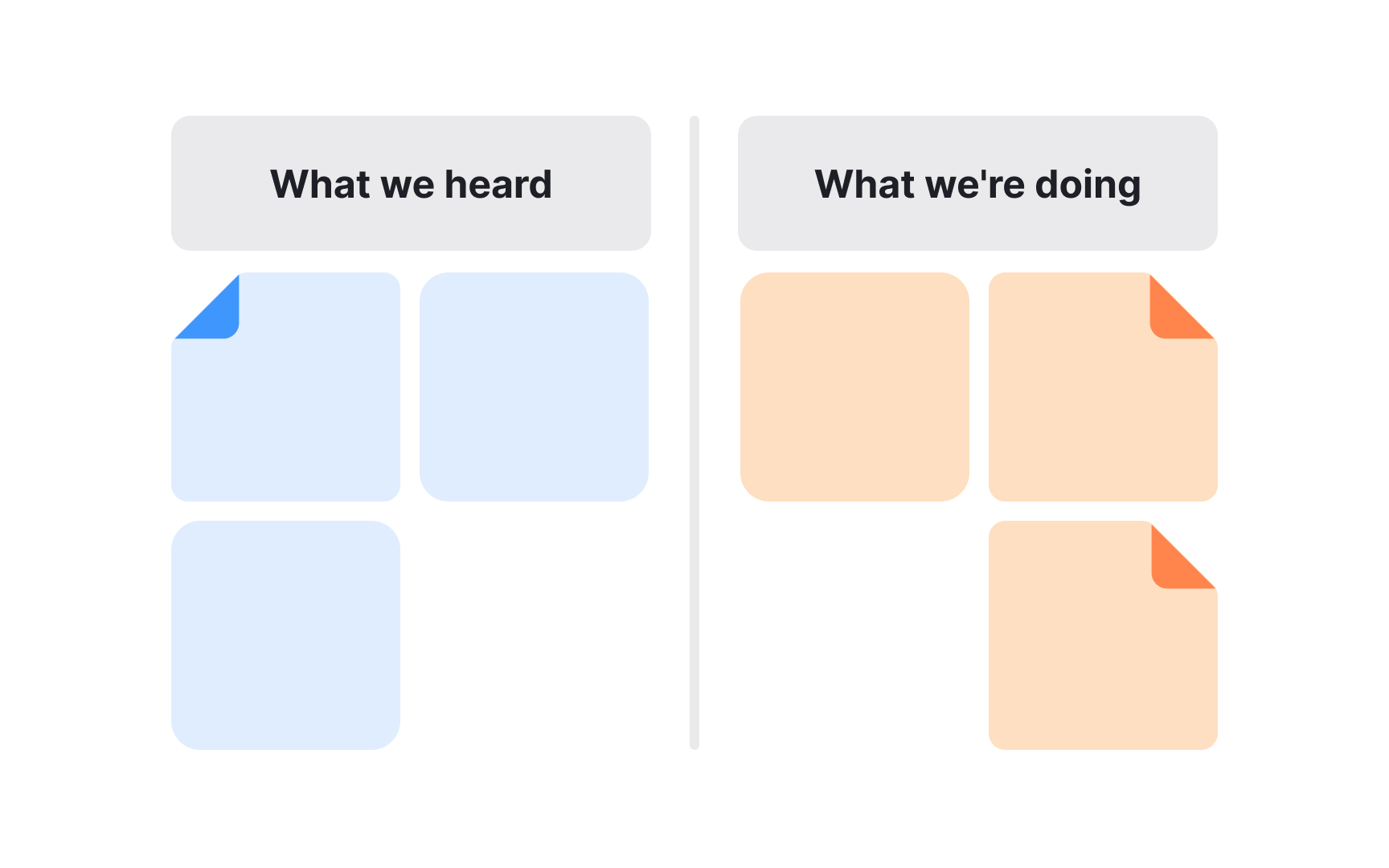
Trust grows when people can clearly see how their input shaped the final outcome. When teams share follow-up updates in simple language, they make the decision process feel fair and open. A short summary that shows what was heard and what changed helps people understand that their participation mattered.
Visible follow-up also reduces doubt. When decisions appear with no explanation, people may feel ignored or assume that feedback was only collected as a formality. Clear confirmation closes that gap. For example, publishing a “What We Heard / What We’re Doing” update helps everyone trace how earlier input influenced the next steps. Even when some suggestions cannot be adopted, stating the reason openly shows respect for the effort people put in.
This kind of follow-through makes future conversations smoother. People become more comfortable sharing ideas because they have seen proof that their voice travels somewhere meaningful. Over time, this creates a healthier rhythm of listening and responding.[2]
Healthy transparency helps people understand what is happening. Surveillance, on the other hand, makes people feel watched rather than informed. The difference lies in how information is collected, how widely it is shared, and whether people feel they can trust the system behind it.
Surveillance-like practices create tension when detailed monitoring data is shared without context. For example, constant tracking of keyboard activity, movement, or communication patterns can make individuals worry that normal behaviour will be judged unfairly. This pressure often leads to stress and can even increase turnover. Workers may also start hiding behaviour or limiting creativity because they feel they are being observed too closely.
Supportive transparency focuses on clear intent and shared benefit. People feel safer when data is aggregated, anonymised, or used to improve conditions rather than to punish. When teams explain why information is collected and how it will be used, the environment feels respectful instead of controlling. This balance helps people stay open and confident in their work.
References
- The transparency paradox: Could less be more when it comes to trust? | Deloitte Insights
Topics
From Course

Share


Similar lessons

Stakeholder Management

Stakeholder Communication