Supporting stories with evidence and data
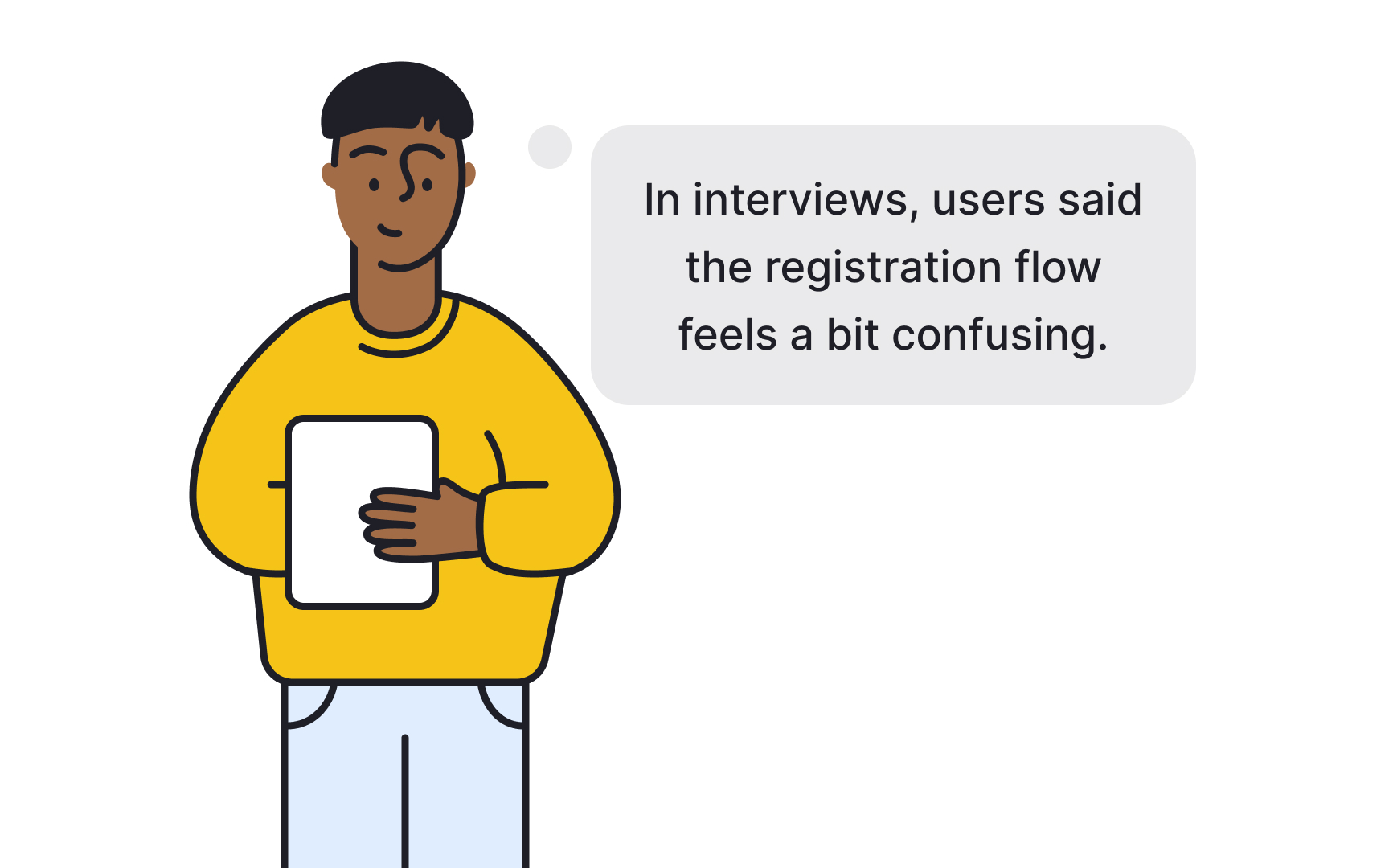
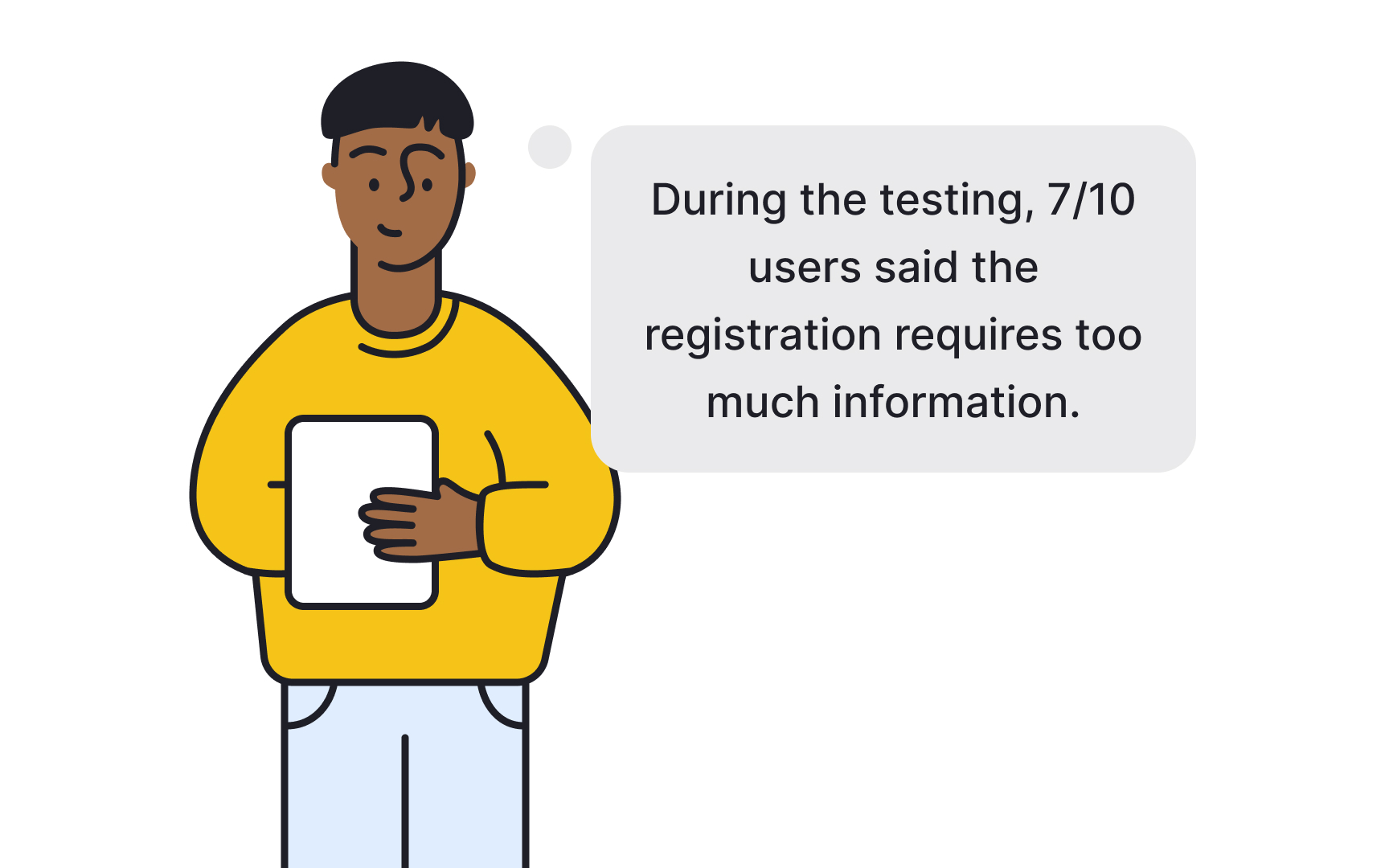
Stories capture attention, but evidence helps people trust the message. Numbers, early indicators, and clear facts help reduce uncertainty and give stakeholders confidence that the proposal is grounded in reality. Evidence can come from pilot results, cost comparisons, user feedback, or small tests that show early improvement.[1]
Combining narrative and data makes the message stronger. A story creates context, and data confirms that the problem is real or that the solution works. For example, a narrative may describe long waiting times in a clinic. Data can then show how often delays happen and how much time could be saved with a better system. This combination keeps the message relatable while also proving its value.[2]
Evidence also helps answer common questions. Stakeholders who focus on risk want to see how the proposal lowers uncertainty. Others care about measurable outcomes. Showing specific indicators, even simple ones, helps people feel that the decision is supported by facts rather than assumptions.
References
- Strategic Narratives: Enhancing Project Management with Storytelling Techniques | Institute of Project Management