Selecting the method
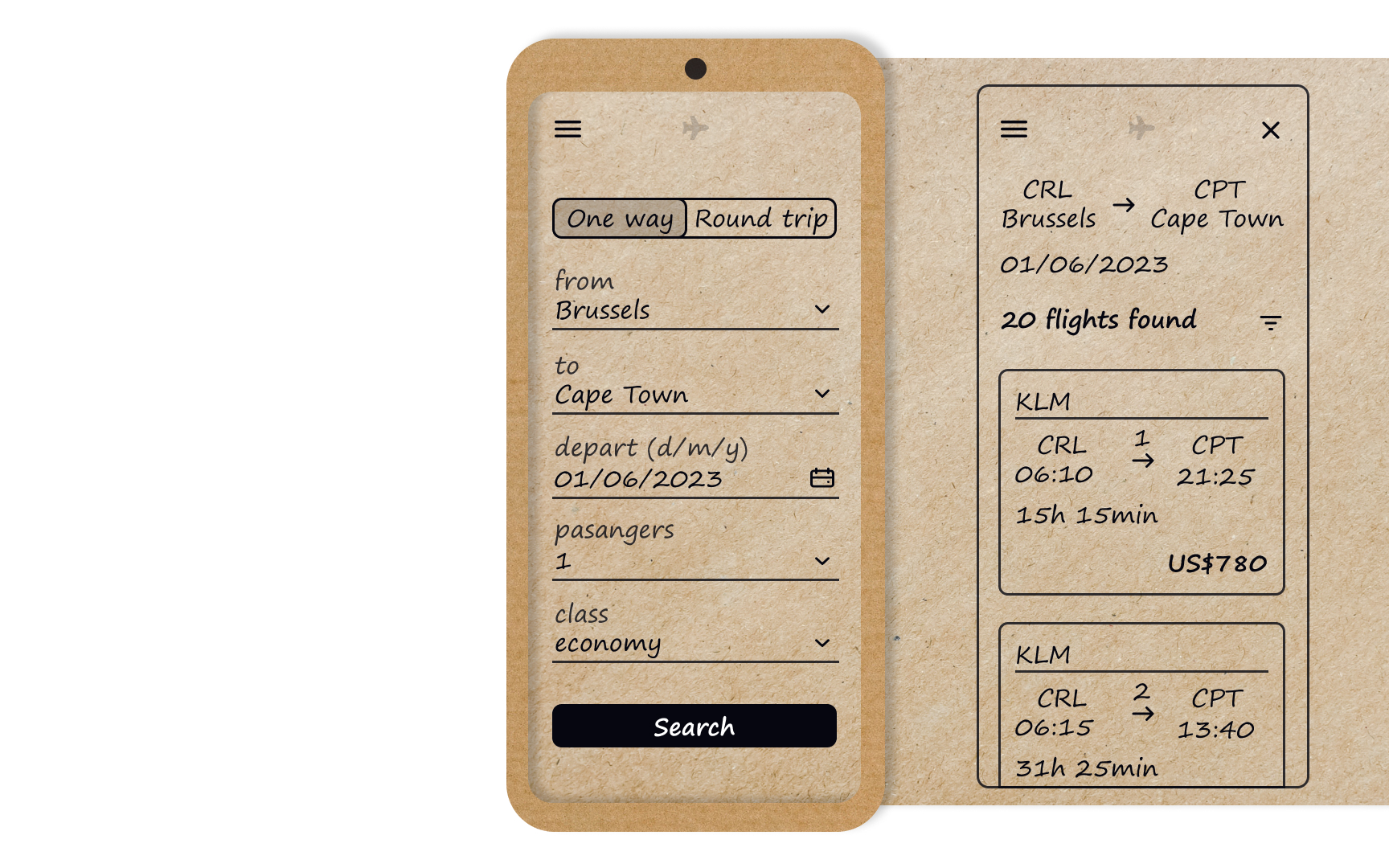
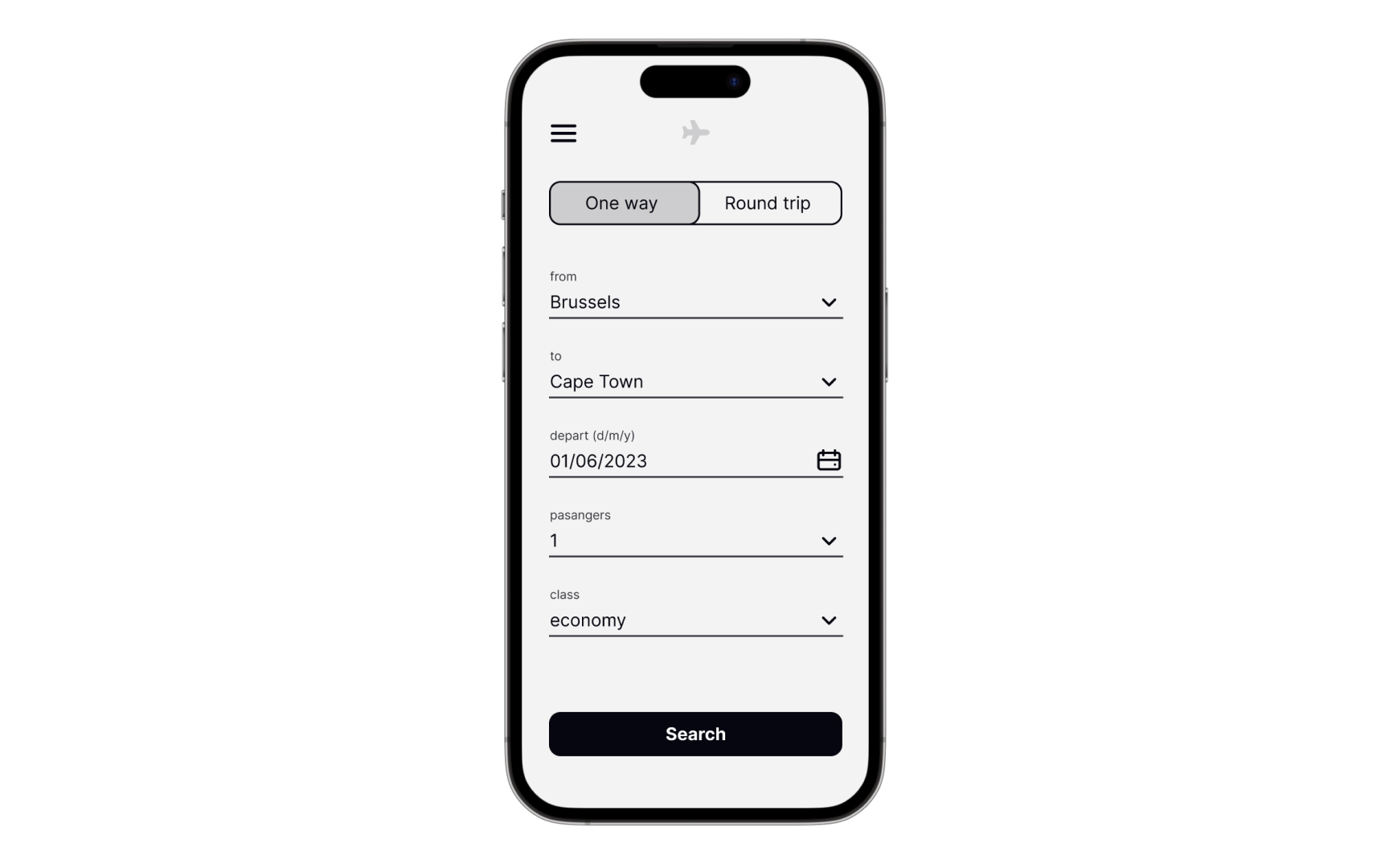
Selecting the right prototyping method is crucial for effectively testing and refining service concepts before implementation. The choice depends on the specific needs, resources, and complexity of the service being designed.
- Low-fidelity prototyping methods: Low-fidelity prototypes are quick, simple, and inexpensive representations used to explore early design concepts and gather initial feedback. They can be hand-drawn sketches or storyboards, paper or cardboard prototypes that simulate basic user interfaces and interactions.
- Medium-fidelity prototyping methods: Medium-fidelity prototypes balance simplicity and detail, providing a more refined representation of the service concept. They can be digital wireframes or clickable interactive prototypes that simulate user interactions and transitions.
- High-fidelity prototyping methods: High-fidelity prototypes closely resemble the final service, incorporating more detailed design and functionality. They can be fully functional digital or experiential prototypes that closely replicate the intended service experience, 3D printed models, or VR prototypes, among others.
Note that these prototyping methods are not mutually exclusive. You can always combine them to gain comprehensive insights.